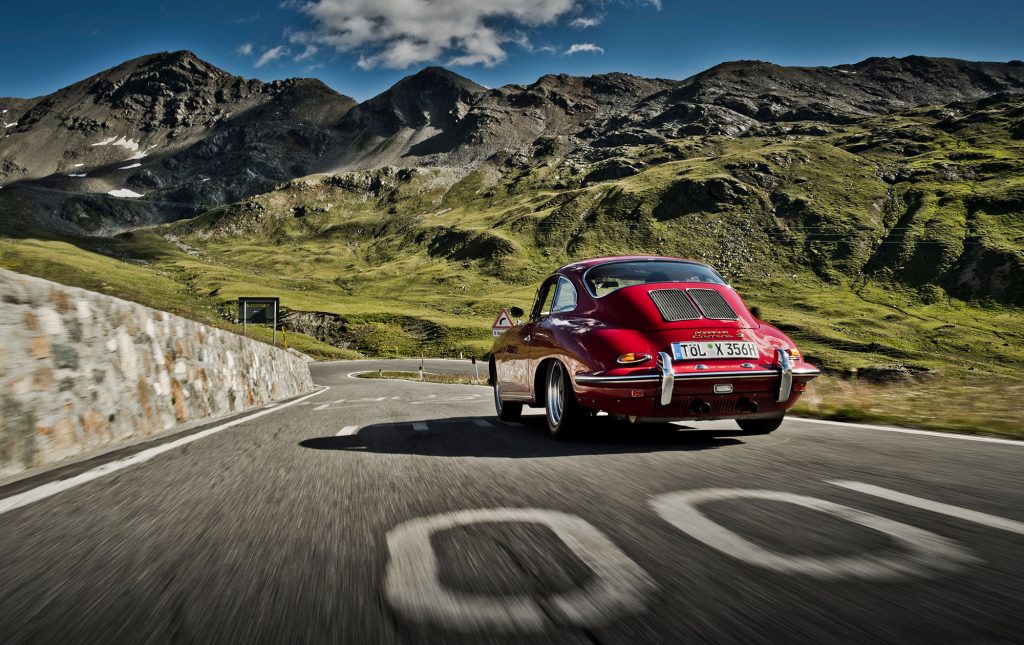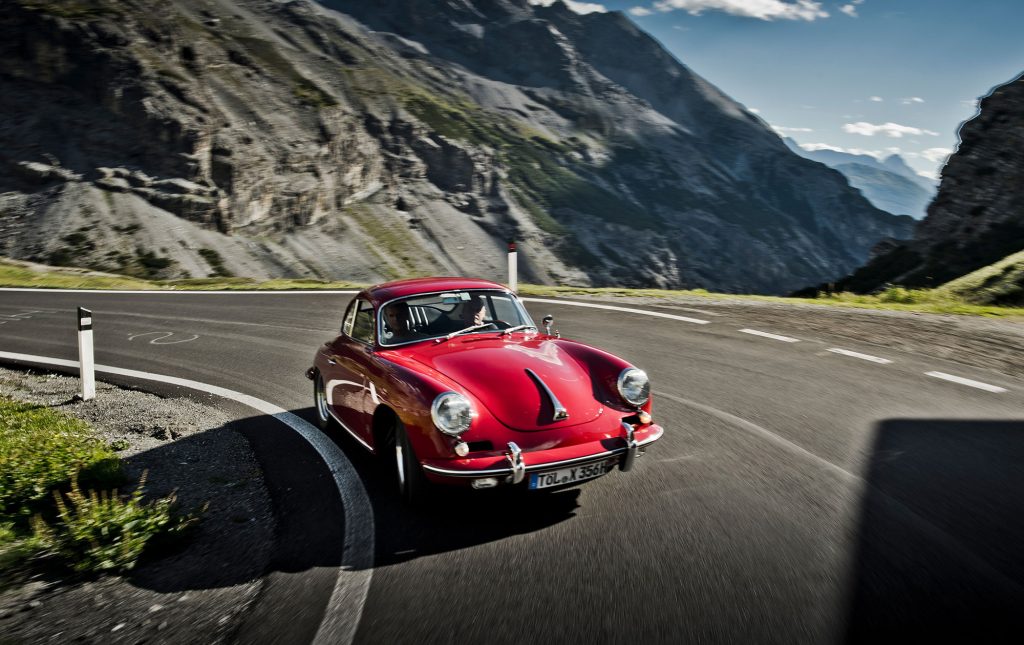


One of Europe’s great driving destinations has become more difficult to include in an organized automotive tour following new restrictions introduced by the provincial government of South Tyrol.
photos: Porsche AG
The South Tyrolean government approved regulations in June prohibiting organized motorsport events on certain state and provincial roads within protected areas and at elevations above 1,600 meters. The measure is part of the province’s broader sustainability and climate strategy, intended to reduce pressure from traffic on sensitive Alpine environments.
That includes some of the roads for which South Tyrol is best known among driving enthusiasts, most notably the Stelvio Pass.
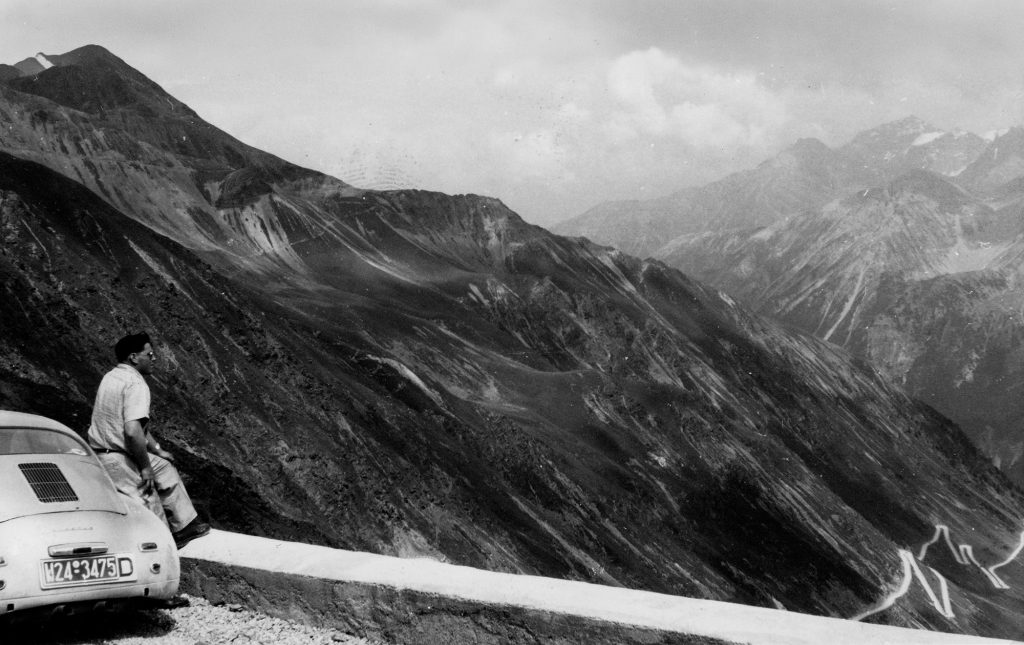
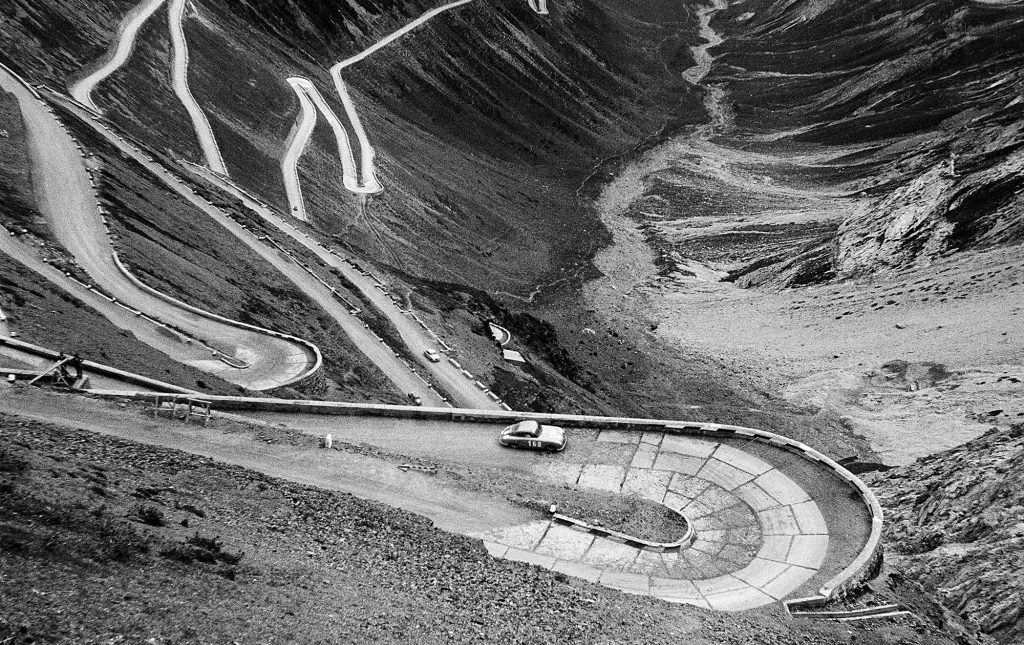
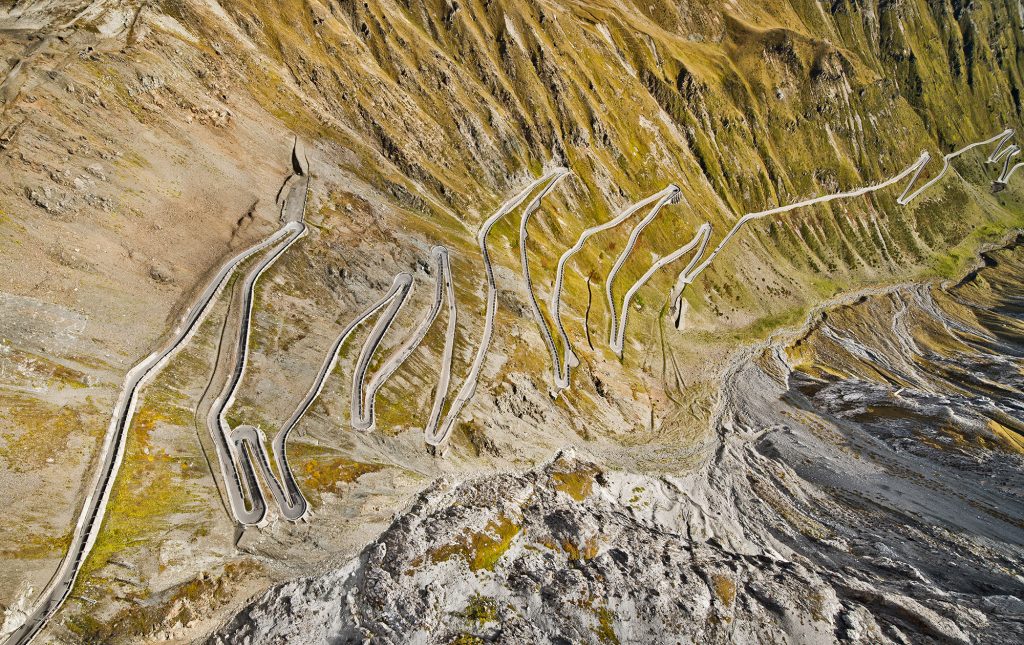
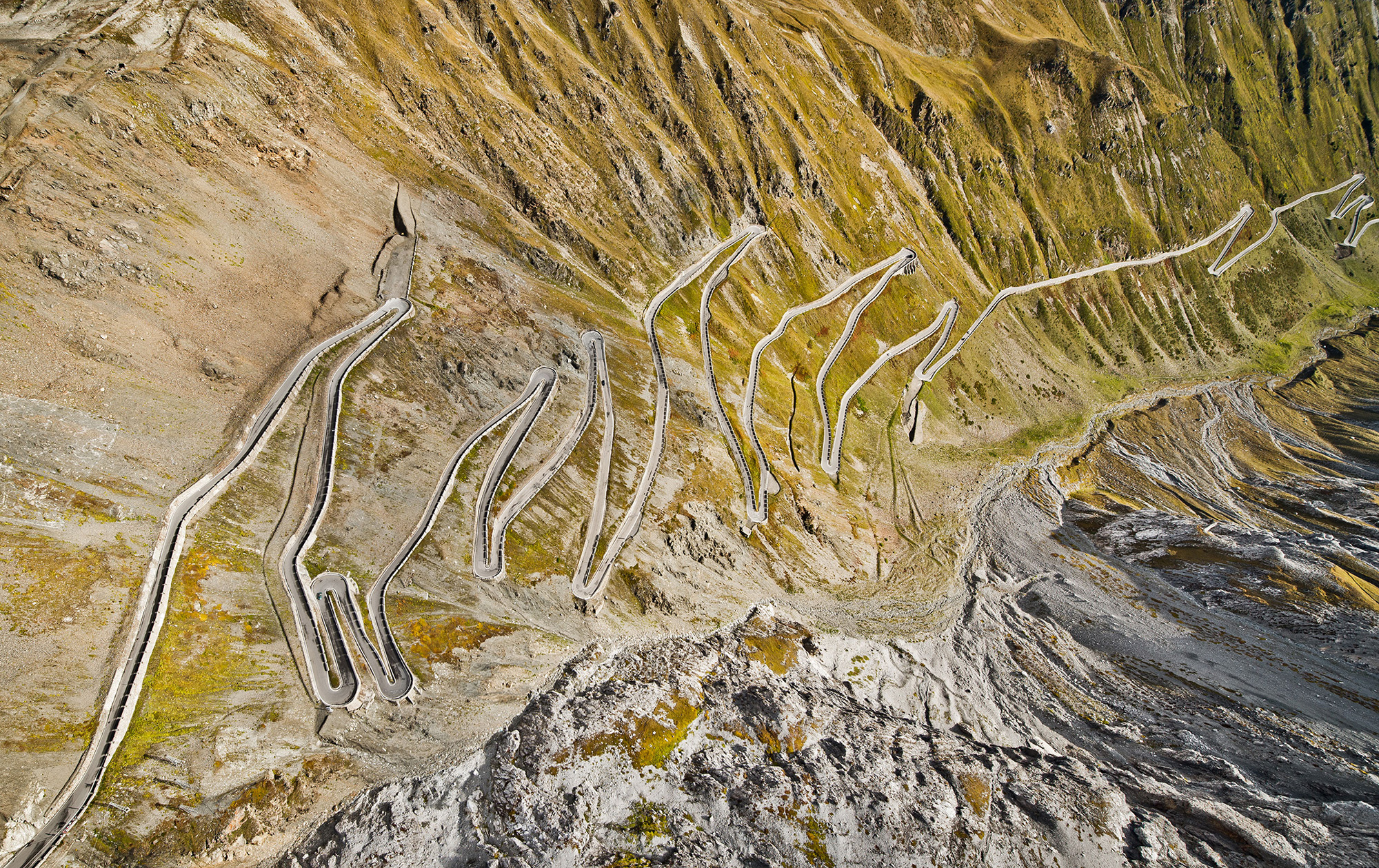
At 2,757 meters above sea level, Passo dello Stelvio is the highest paved mountain pass in Italy and one of Europe’s most famous driving roads. Its eastern approach from Prato allo Stelvio climbs through 48 hairpin turns before reaching the summit on the border between South Tyrol and Lombardy.
Importantly for travelers planning their own road trip, the new regulation does not close the Stelvio Pass to cars or motorcycles.
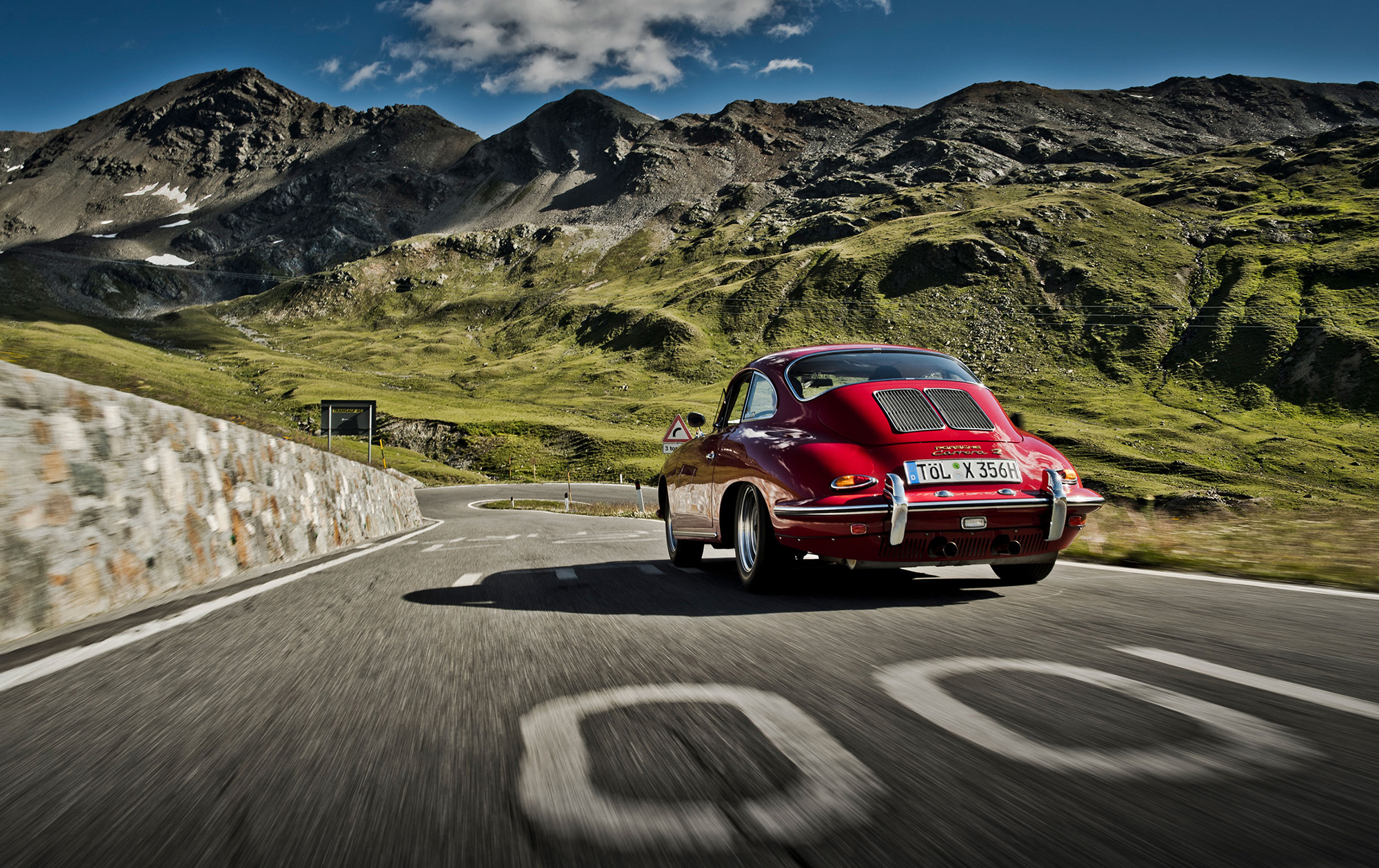
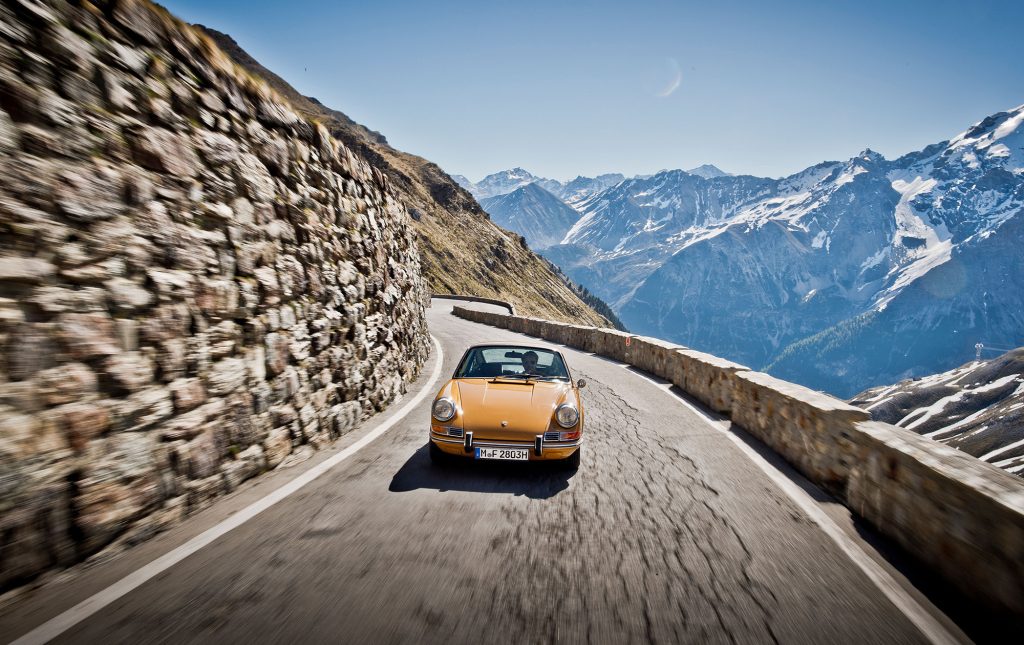
Individual traffic remains permitted under the provincial government’s rules. A traveler driving the Stelvio independently can therefore continue to use the road when it is seasonally open.
The restriction instead targets organized motoring events.
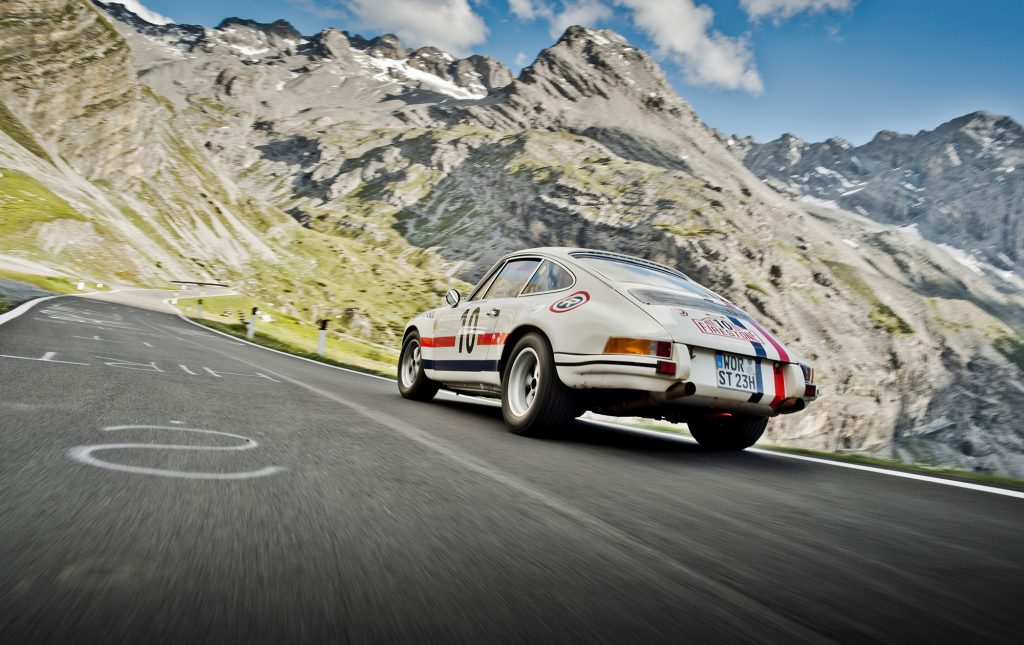
That distinction could have a significant effect on companies and clubs offering organized driving tours through the Dolomites and Italian Alps. Classic car rallies, motorcycle tours and other structured motoring events have traditionally made roads such as the Stelvio a centerpiece of Alpine itineraries.
Exactly where an informal group of travelers ends and an organized event begins may prove important as the regulation is implemented. Anyone participating in a commercial driving tour, rally or organized club event should therefore confirm with the organizer whether the planned route is affected rather than assuming that the Stelvio can still be included.
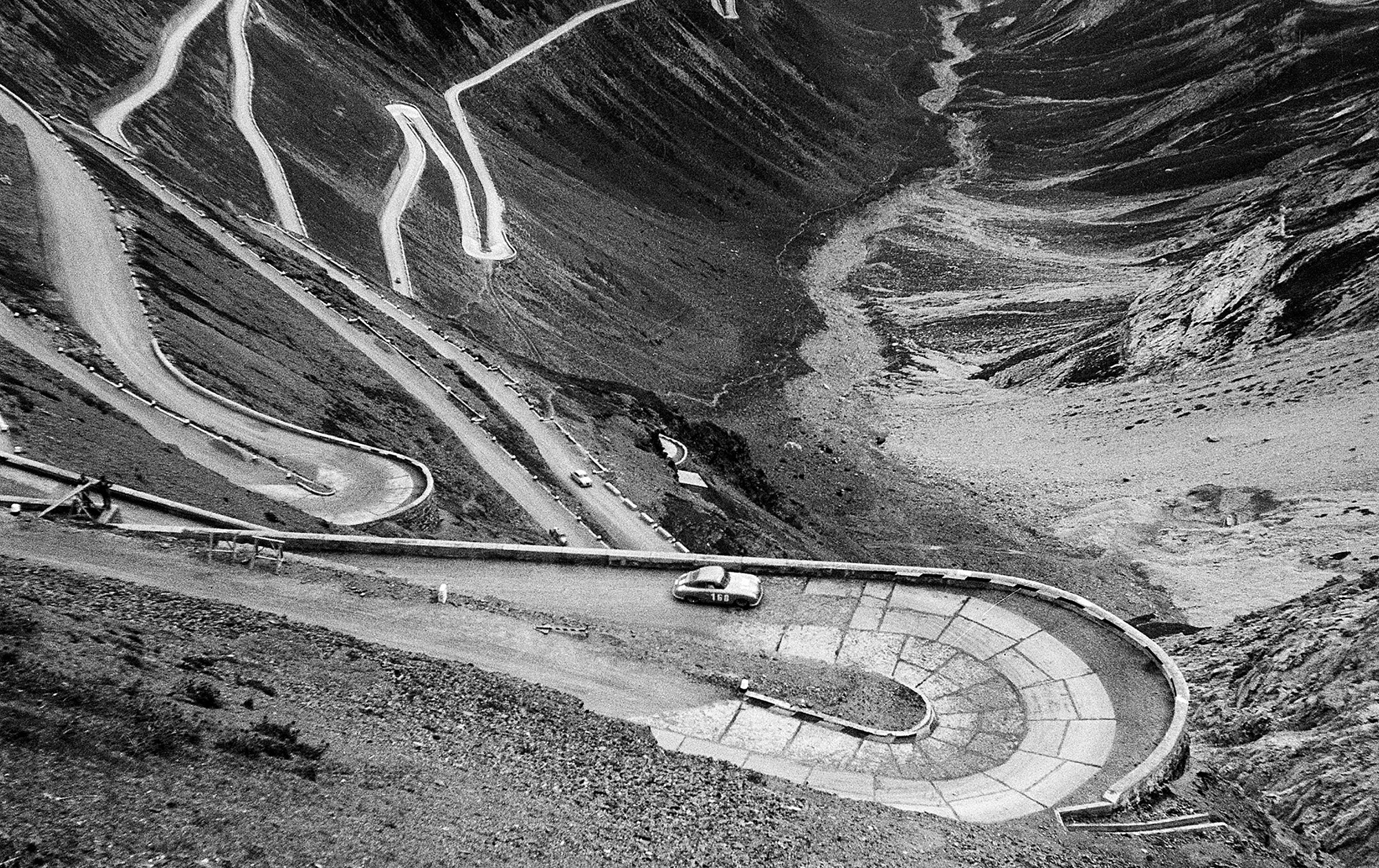
The timing is particularly notable given the pass’s automotive history.
The Stelvio road was constructed between 1820 and 1825, originally connecting the Vinschgau region with Valtellina. In 2025, its 200th anniversary was celebrated with a gathering of nearly 150 historic vehicles.
Among the cars making the climb was an Auto Union Type C Silver Arrow driven by Hans-Joachim Stuck. His father, Hans Stuck, won the Stelvio hill climb in 1932 driving a Mercedes-Benz SSKL. Audi Tradition also brought several historic cars, including a 1913 Audi Type C “Alpensieger” and a 1938 Wanderer W25 Stromlinie.
Only a year later, an organized gathering of that type faces a very different regulatory environment.
Historic vehicle organizations have challenged the new restrictions and are seeking exemptions for classic cars. The Fédération Internationale des Véhicules Anciens has argued for continued access for historic vehicle events, while Italian organizations representing classic cars and motorcycles have also opposed the measure.
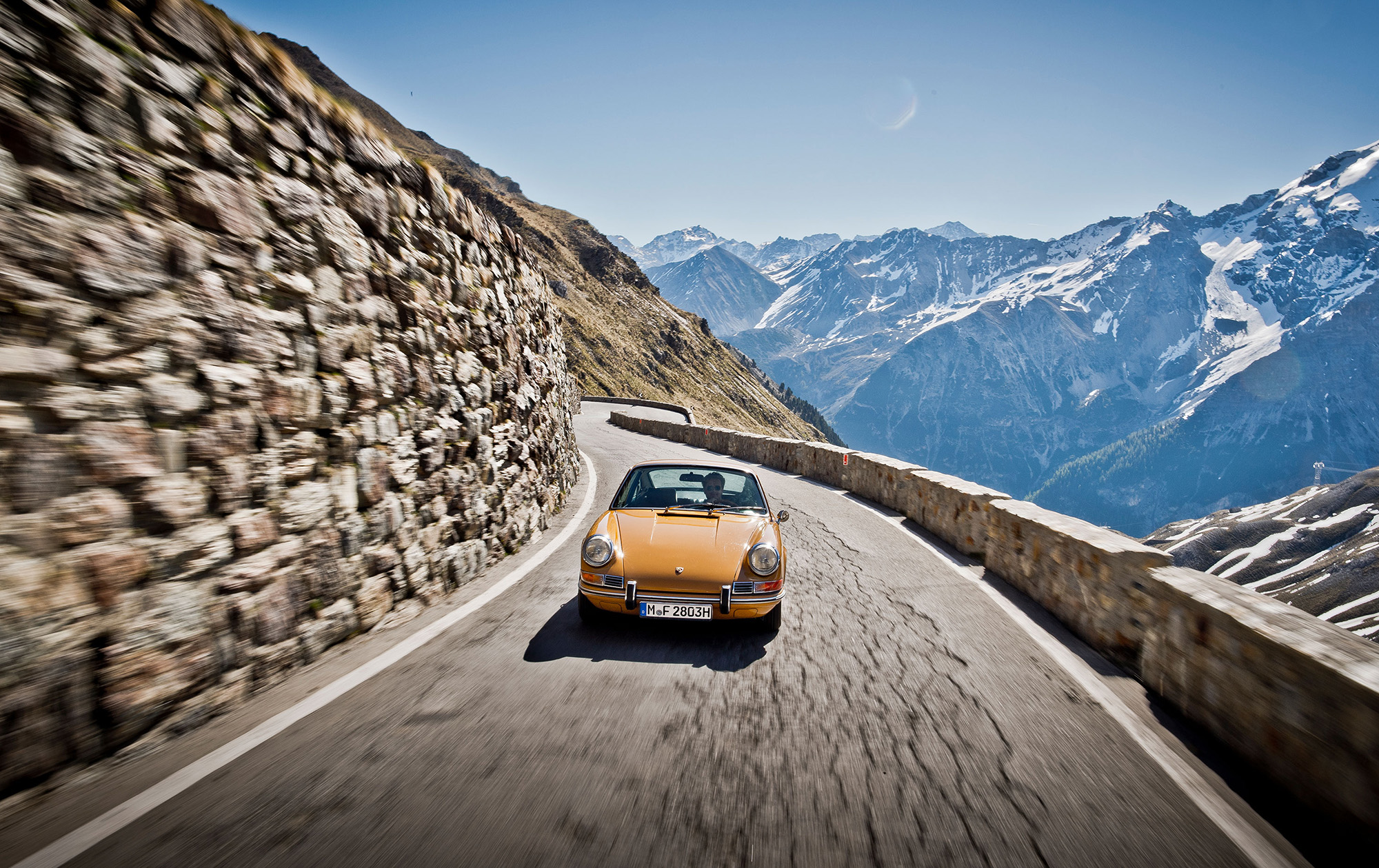
The debate extends beyond enthusiasts simply wanting access to an entertaining road.
Organized automotive tourism has become an established part of the economy surrounding Europe’s Alpine passes. Multi-day classic car tours typically combine driving with hotels, restaurants and cultural destinations, often bringing relatively affluent visitors into smaller mountain communities away from major tourism centers.
South Tyrol’s government is looking at the issue from the opposite direction. It argues that the popularity of the mountain passes has produced increasing traffic pressure in environmentally sensitive areas.
The province has also indicated that the new event restrictions may not be the final measures introduced. South Tyrol Governor Arno Kompatscher has cited high traffic volumes and speeding as continuing problems on mountain roads and said additional targeted measures are being developed.
For now, however, independent travelers can still experience the Stelvio.
And for anyone who has never driven it, the numbers help explain the attraction. The road from Prato allo Stelvio climbs approximately 1,800 meters over about 25 kilometers, culminating in the famous sequence of numbered hairpins stacked against the mountainside beneath the summit.
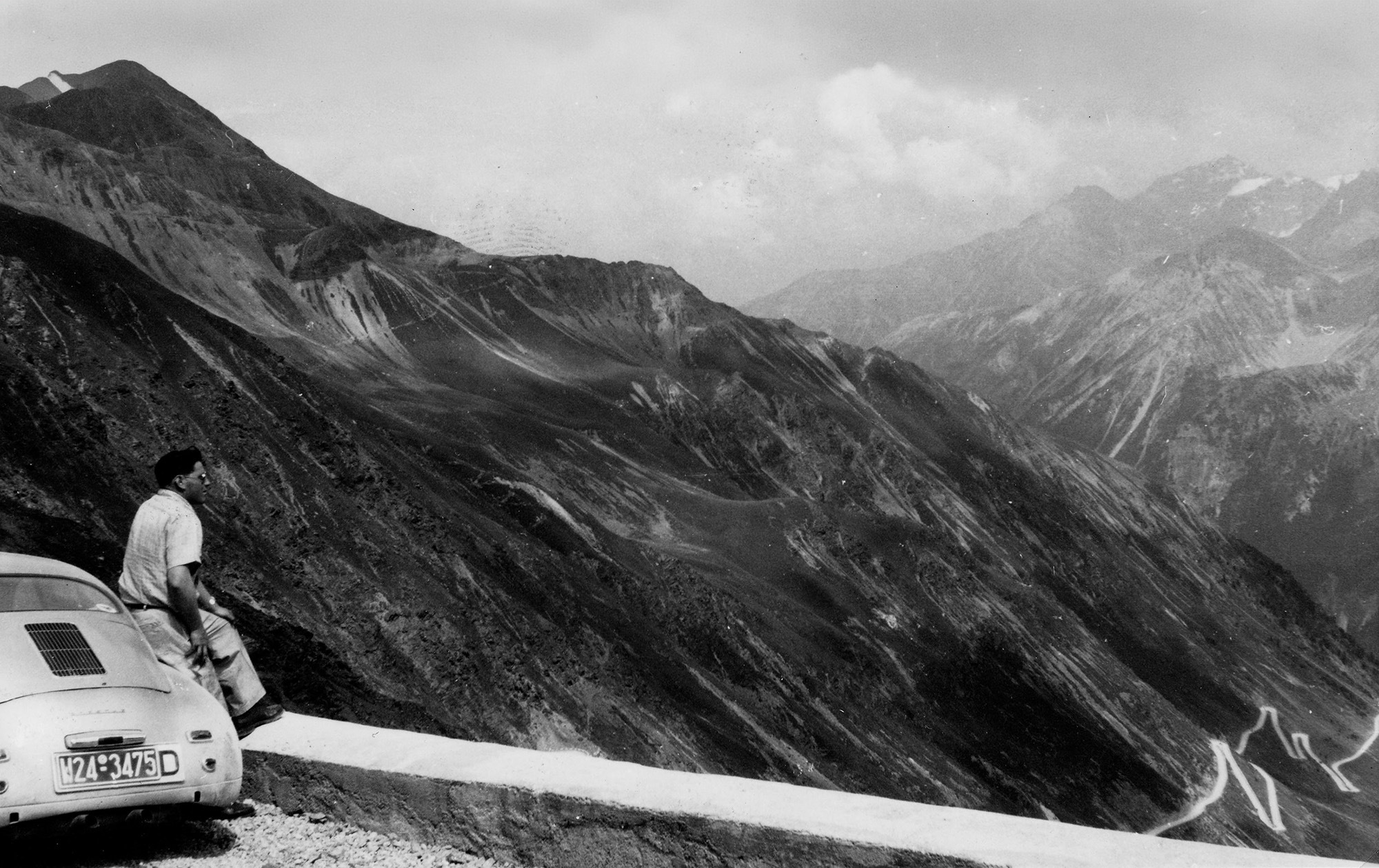
The complete historic road runs roughly 49 kilometers between the South Tyrolean side and Bormio in Lombardy.
Weather determines much of the practical travel season. At nearly 2,800 meters, the summit receives substantial winter snowfall and the pass is normally a seasonal road rather than a year-round route. Travelers should always check current road conditions immediately before setting out.
There are also days when the road is deliberately closed to motorized traffic for cycling events, another reason not to build a tightly scheduled itinerary around the pass without checking its status.
For independent road trippers, then, South Tyrol’s new regulation isn’t a reason to remove Stelvio from the bucket list. It does change the situation for anyone considering joining an organized automotive tour specifically to experience the great Alpine passes.
The Stelvio remains a driving destination. For the moment, the important difference is whether you’re arriving on your own or as part of an organized motoring event.
Useful Information
Destination: Passo dello Stelvio / Stilfser Joch
Location: Italian Alps, between South Tyrol and Lombardy
Elevation: 2,757 meters / 9,045 feet
Route: SS38 between Prato allo Stelvio and Bormio
Famous eastern approach: 48 hairpin turns from Prato allo Stelvio
Road length: Approximately 49 kilometers / 30 miles for the historic pass road
Driving season: Seasonal, generally summer into early autumn depending on snowfall and weather conditions
Current restriction: Organized motorsport events are prohibited on affected state and provincial roads in protected areas and areas above 1,600 meters within South Tyrol.
Independent travelers: Individual motorized traffic remains permitted under the current regulation.
Before traveling: Check the current status of the Stelvio Pass for weather, seasonal closures, road works and scheduled traffic-free cycling days.
Tour participants: Confirm directly with the tour or event organizer whether its South Tyrol itinerary is affected by the new regulations.
Photo Gallery