

Goodwood Revival has always been about more than the cars. The clothes, shops, aircraft and period details are essential to recreating the atmosphere surrounding the Motor Circuit between 1948 and 1966. Increasingly, Goodwood is also exploring another aspect of that period: the culture of repairing something rather than replacing it.
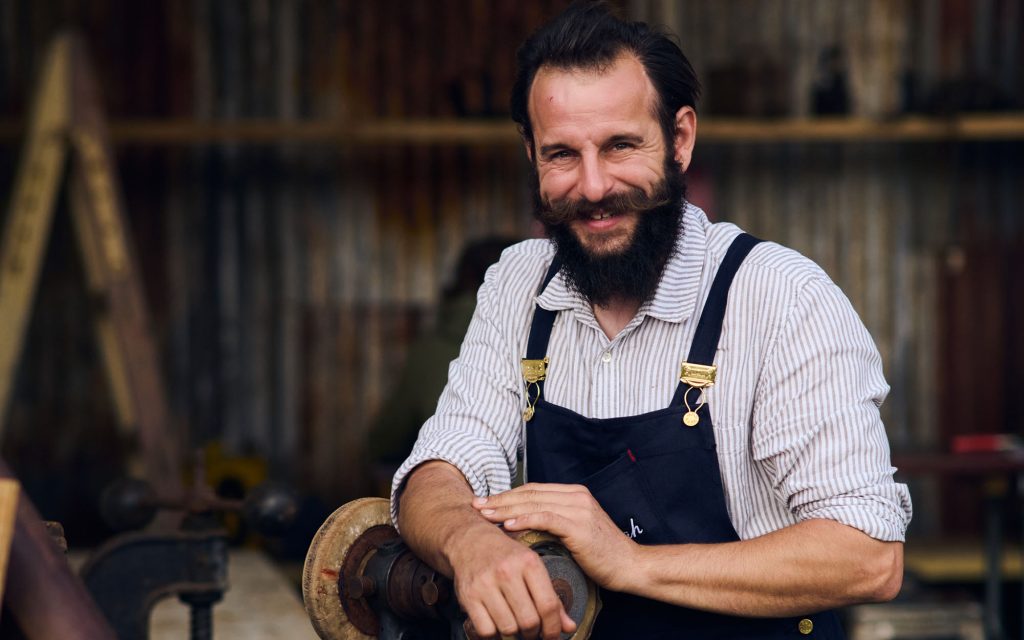
For the 2026 Goodwood Revival, television presenter and craftsman Dominic Chinea has curated the largest program yet for the event’s Revive & Thrive Workshop, bringing together craftspeople, restoration specialists and familiar faces from programs including The Repair Shop, The Great British Sewing Bee and Make It at Market.
The expanded program marks the fifth anniversary of Revive & Thrive and will run throughout the Revival weekend, September 18-20.
Make Do and Mend
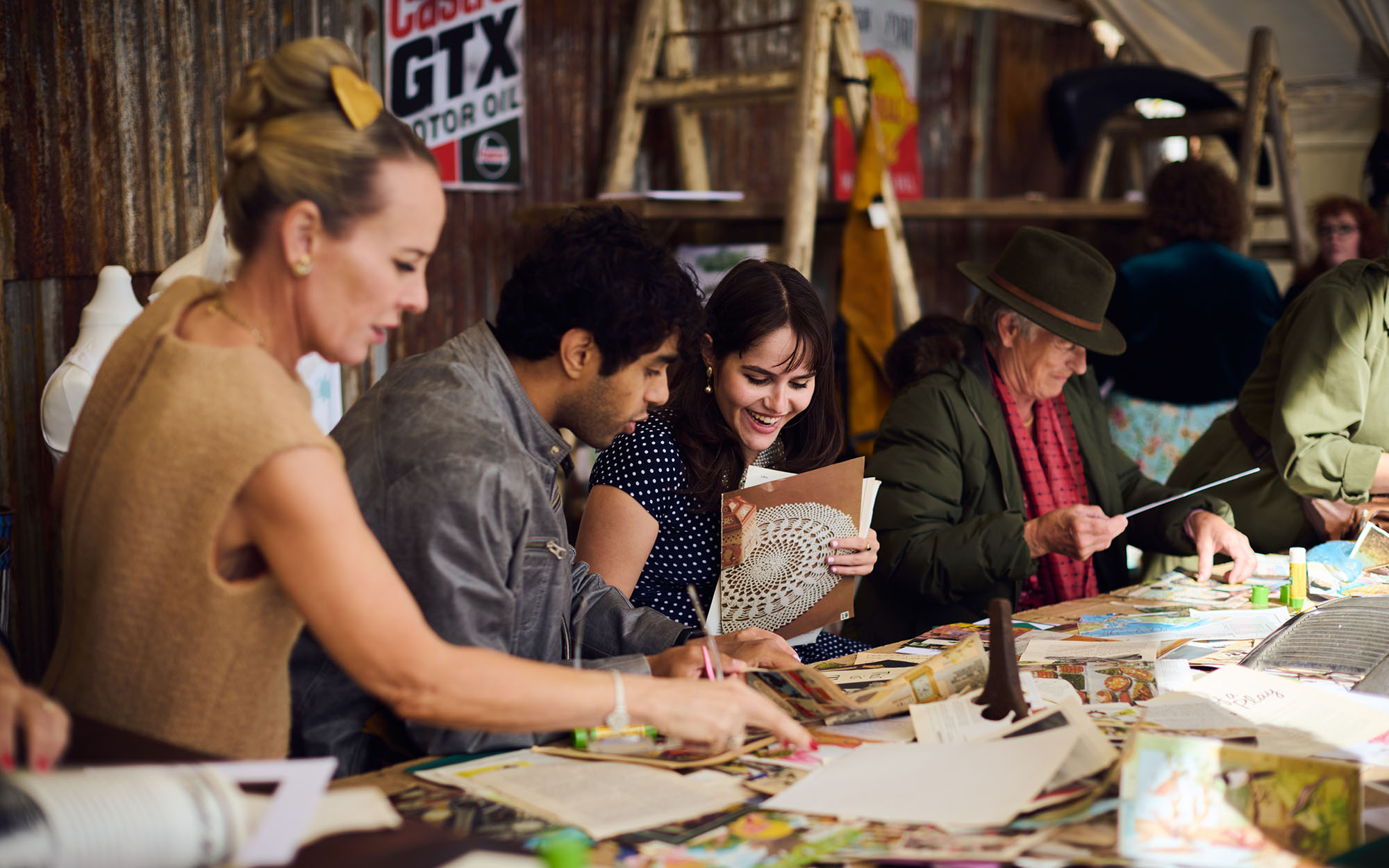
The premise draws heavily from the “Make Do and Mend” philosophy familiar in Britain during and after World War II. Clothing, furniture and other possessions weren’t considered disposable. They were repaired, modified and reused, often repeatedly.
Goodwood is applying that thinking to the modern conversation surrounding sustainability.
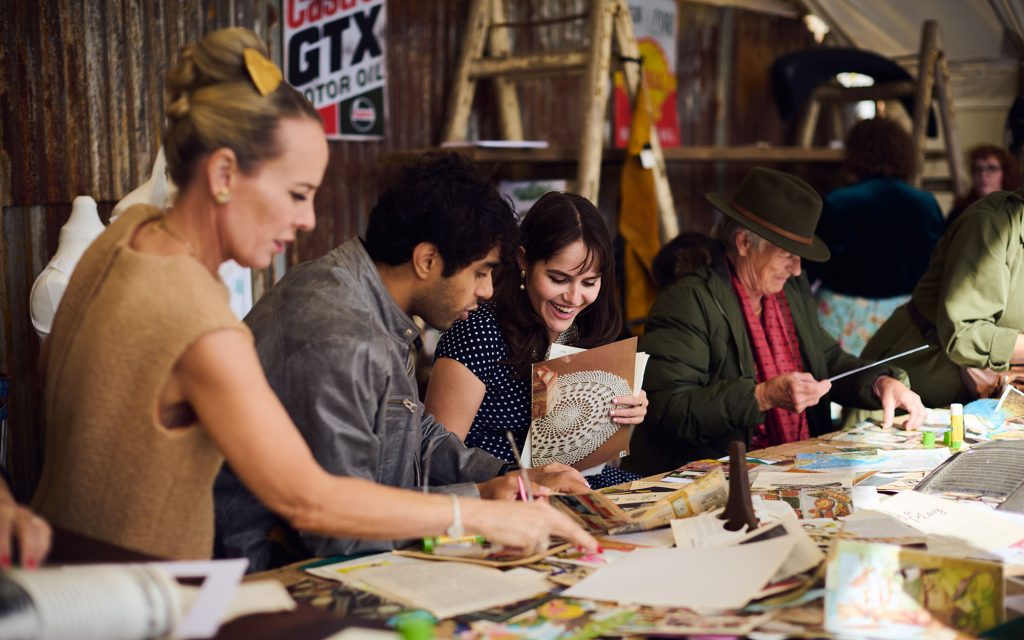
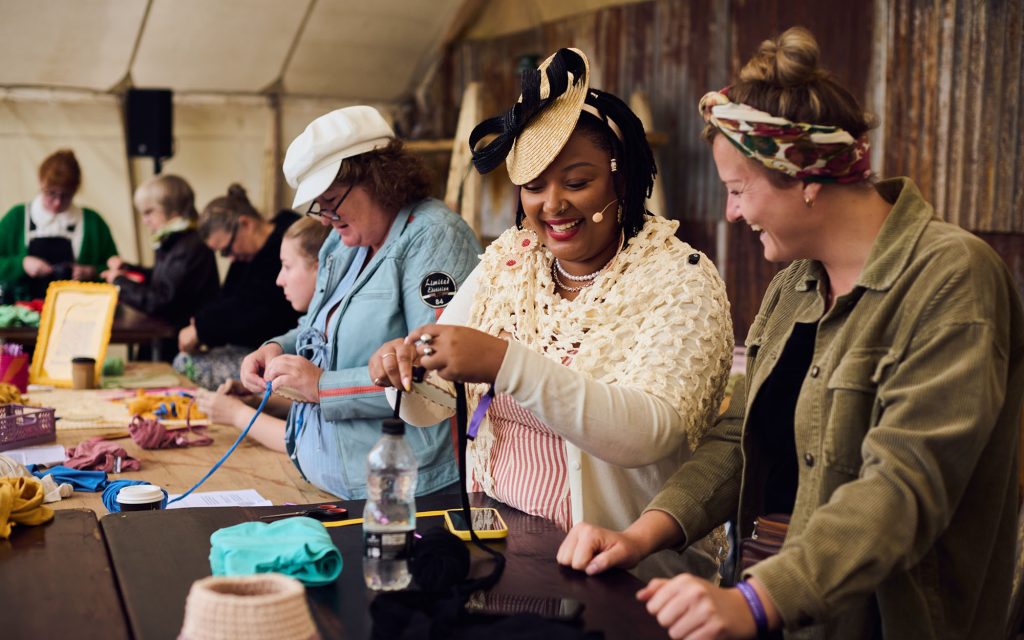
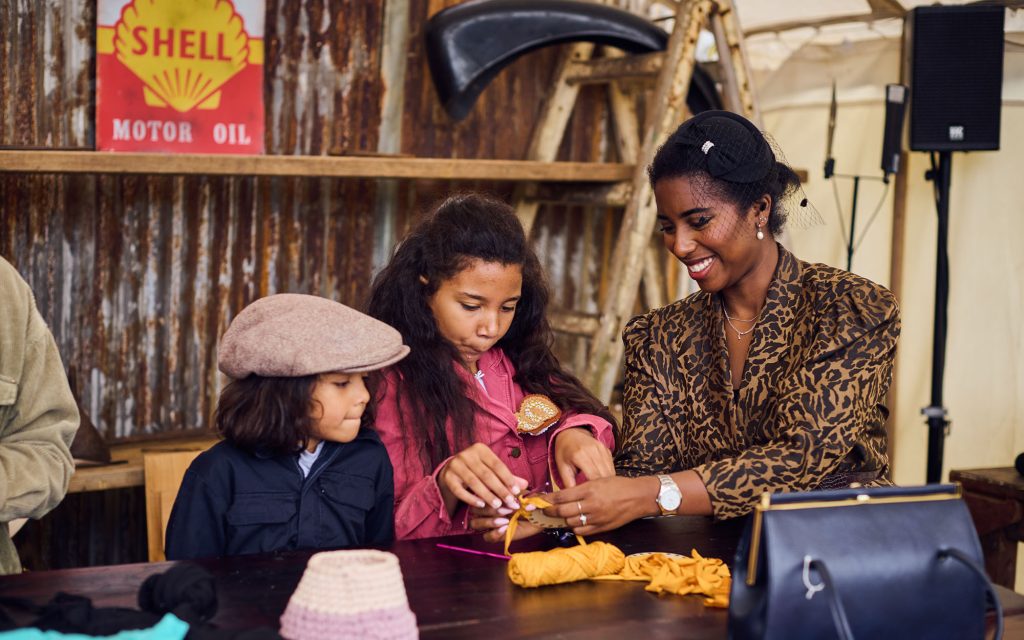
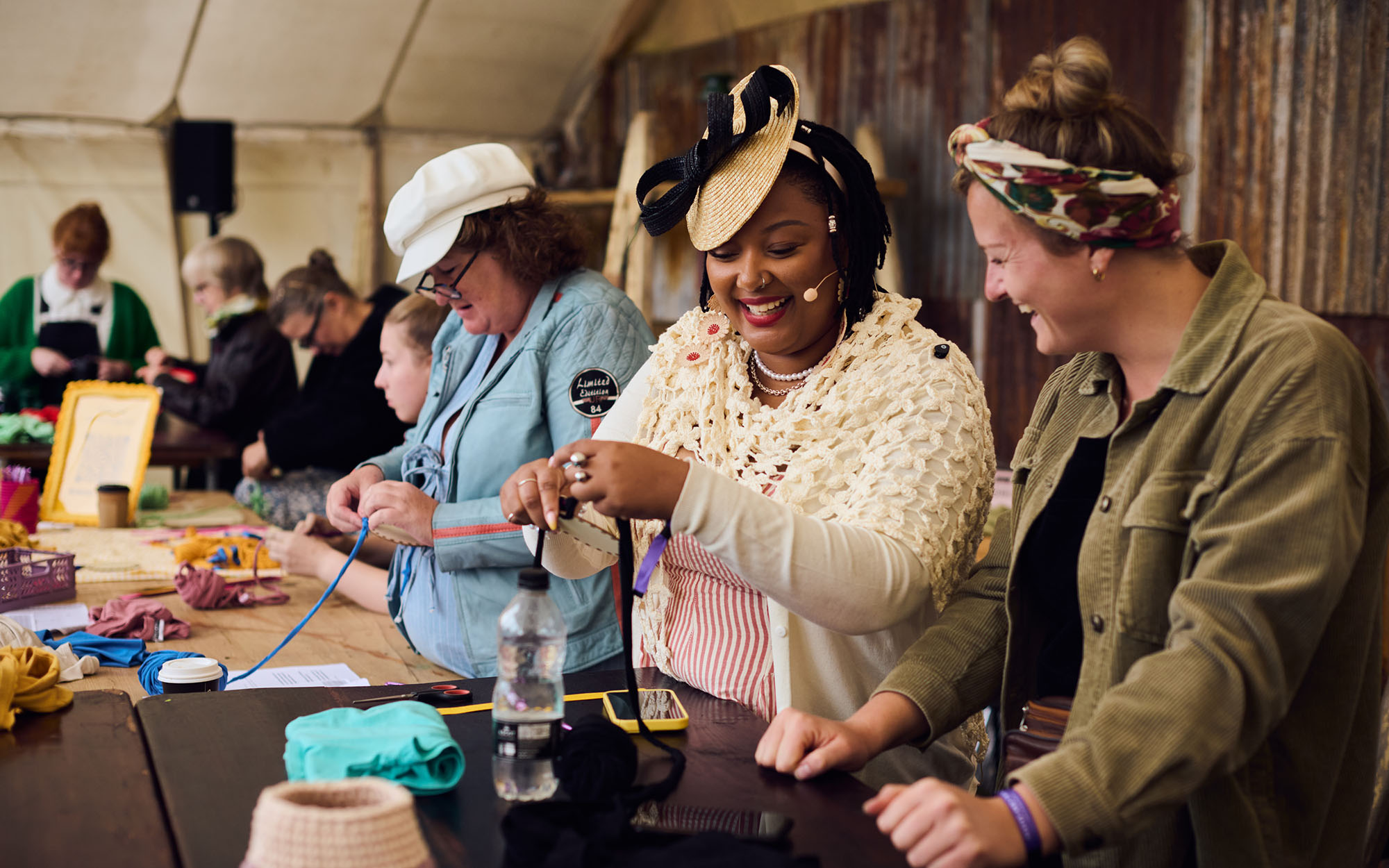
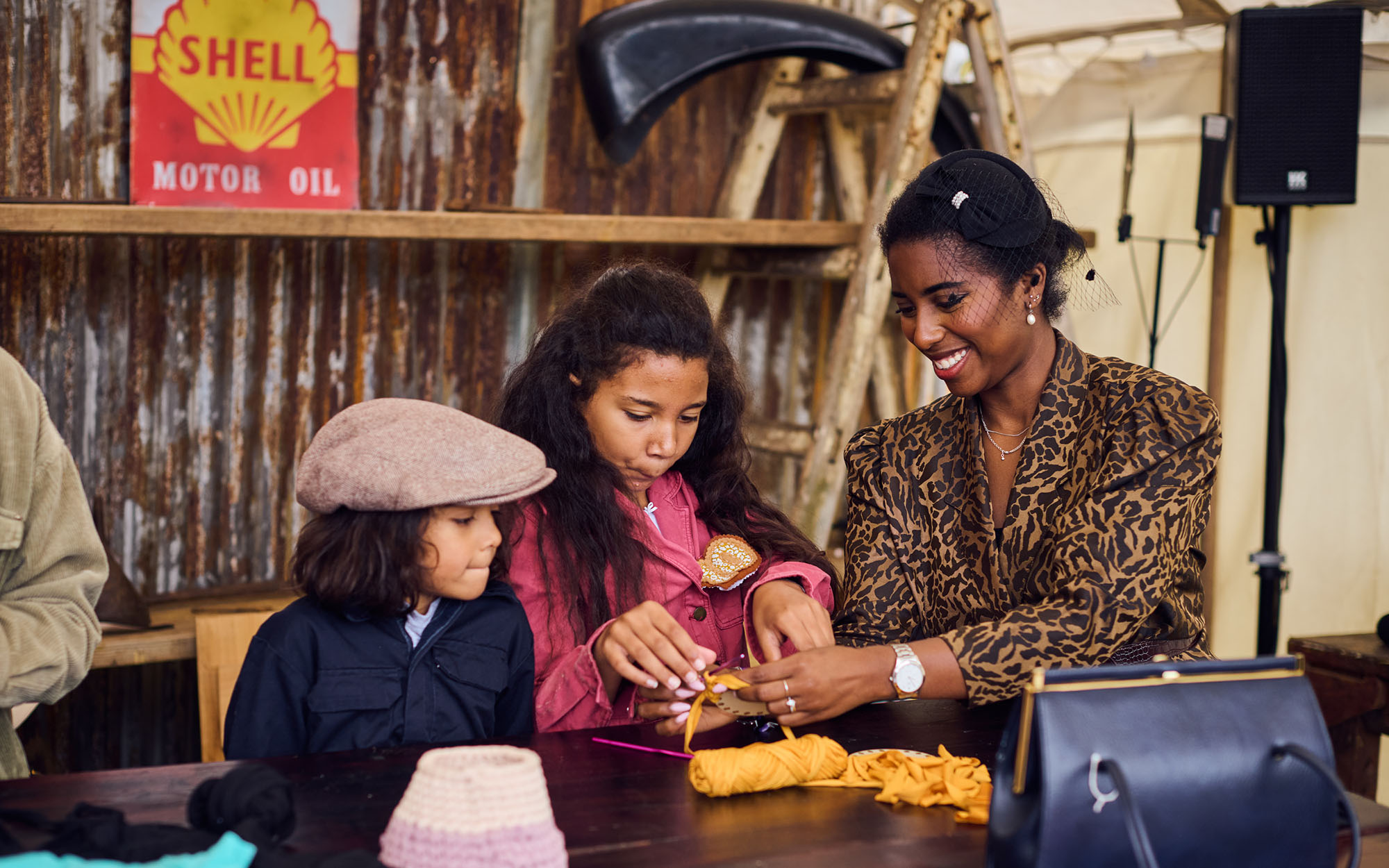
Throughout Revival weekend, visitors will be able to join drop-in sessions covering embroidery, block printing, kintsugi, monogramming, fashion illustration, textile upcycling, textile repair and wool spinning.
The objective isn’t simply demonstrating old techniques. Goodwood wants visitors to learn practical skills they can take home and use to extend the life of things they already own.
Some may even find a new career in the process.
Chinea, known for his work on the BBC’s The Repair Shop and Make It at Market, has assembled craftspeople from a wide range of disciplines to demonstrate both the techniques themselves and the professional possibilities surrounding traditional craft.
From Sewing Bee to Wicked
The program includes The Great British Sewing Bee alumni Lauren Tedstone and Georgie Carter, along with authors Alexandra Brinck, Shelley Zetuni and Nerrisa Pratt.
Oxfam’s Second-Hand September team will also participate, connecting traditional repair and reuse with the modern second-hand movement.
Hattie McGill brings a rather different perspective. Her professional costume work has included both Bridgerton and Wicked, offering visitors a glimpse into how traditional textile and clothing skills remain relevant within contemporary film and television production.
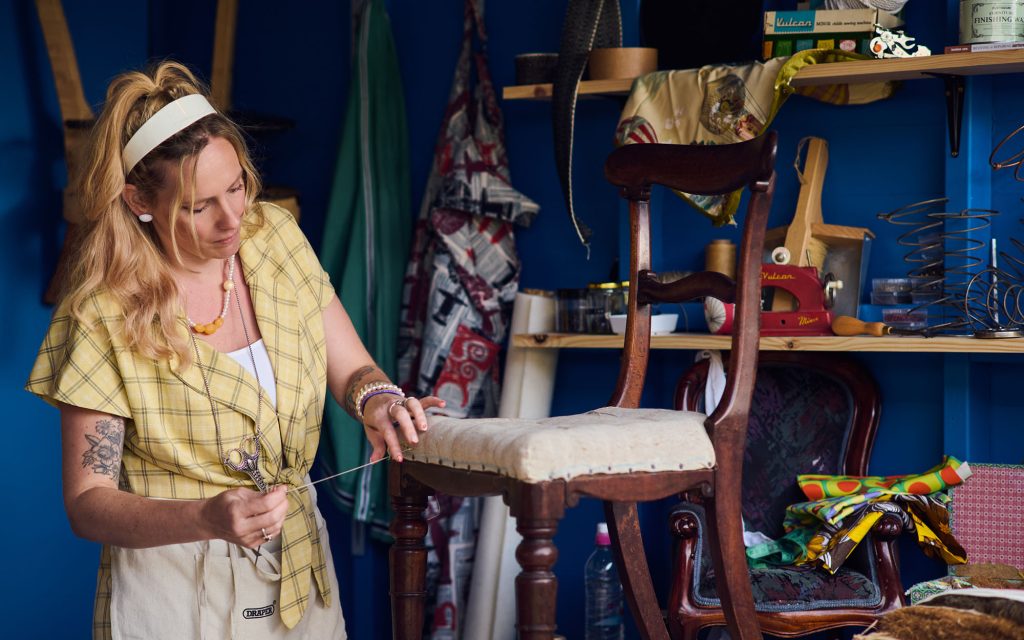
Elsewhere, Make It at Market’s Fox & Furb will demonstrate traditional upholstery techniques.
One of the more visually distinctive crafts comes courtesy of Joby Carter, a specialist in traditional signwriting, hand lettering and British fairground art. Carter is known for preserving the elaborate hand-painted lettering techniques once commonplace on fairground rides and commercial signs before computer-designed vinyl graphics largely replaced them.
The Repair Shop Comes to Goodwood
Chinea won’t be the only connection to The Repair Shop.
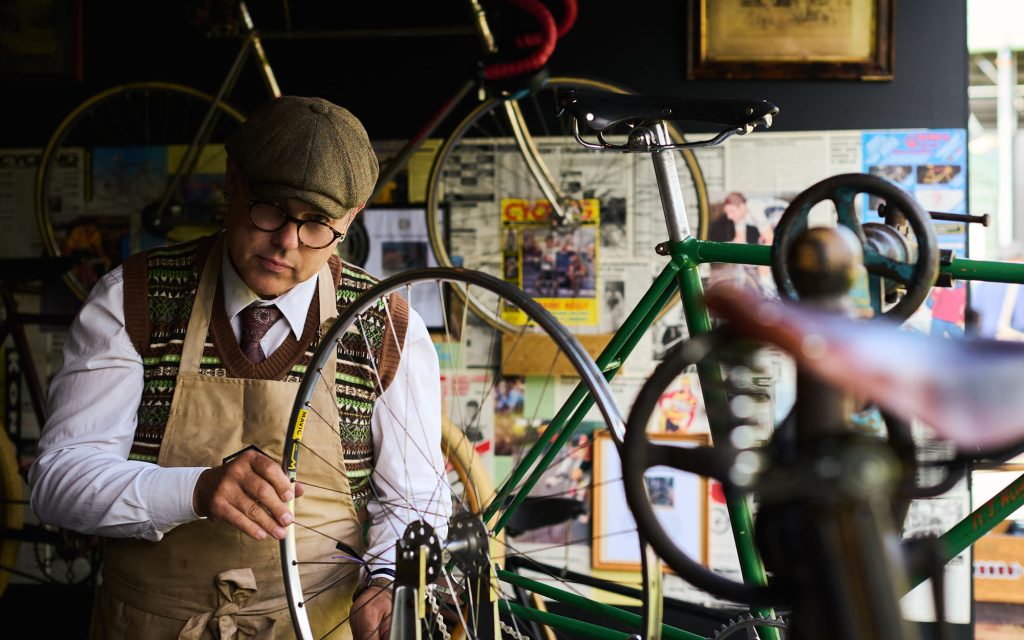
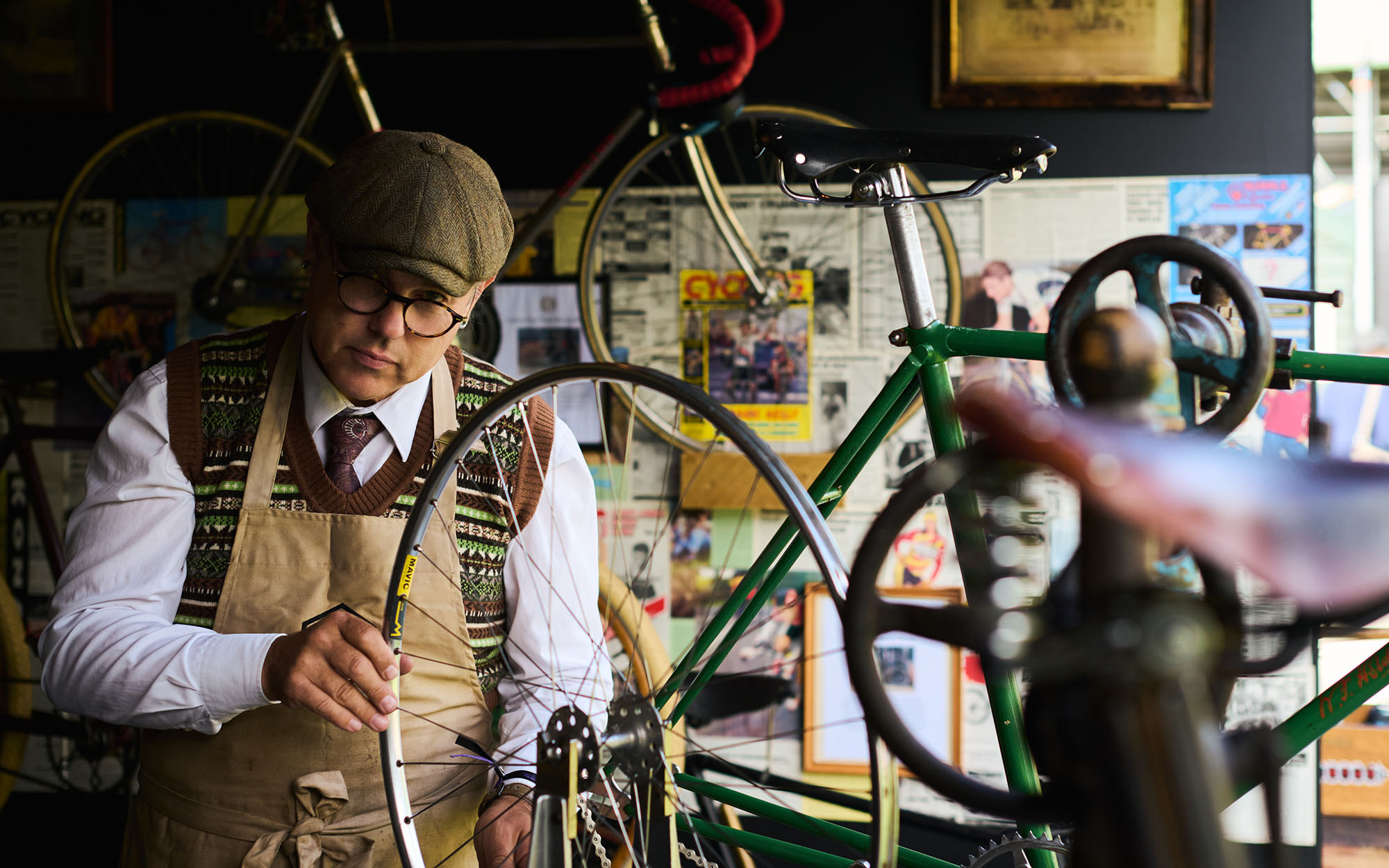
Tim Gunn returns to Goodwood to work on the restoration of vintage bicycles, demonstrating the same philosophy applied elsewhere throughout Revive & Thrive: preserve the original object wherever practical and return it to useful life.
It’s an approach that fits particularly well at the Revival.
Historic racing itself is dependent upon precisely this sort of knowledge. The cars competing around Goodwood aren’t replicas or static museum pieces. Keeping them operational requires generations of accumulated expertise in fabrication, machining, upholstery, bodywork, engine building and countless other traditional skills.
Goodwood is making that connection more explicit through the Heritage Skills Academy.
Learning Where Tyrrell Built Race Cars
The Heritage Skills Academy will operate from one of the most historically appropriate locations anywhere at Goodwood: the Tyrrell Shed.
Ken Tyrrell originally used the modest building as the workshop for his racing operation. Early Tyrrell Formula 1 cars were constructed there, including machinery from the team’s rise to Grand Prix success with Jackie Stewart.
During Revival, the same space will be occupied by a new generation learning the skills required to preserve and restore classic cars.
That juxtaposition gets to the heart of what makes the expanded Revive & Thrive program relevant to a motoring event. Maintaining the automotive past requires maintaining the skills that created it.
“For the past few years, the Revive & Thrive Workshop has allowed us to reconnect with the best of the past and as an antidote to throw away culture, share how special pieces can be treasured, valued, and passed down through generations,” said the Duke of Richmond.
More Than Dressing Up
Goodwood Revival has become famous for its period dress, but Revive & Thrive pushes the vintage element beyond aesthetics.
The Revival recreates the period during which the Goodwood Motor Circuit originally operated, from its opening in 1948 until contemporary racing ended there in 1966. It was also a period when repairing, altering and maintaining possessions was simply part of everyday life.
Goodwood’s increasingly prominent message is that some of those habits are worth bringing back.
That applies equally to a jacket, bicycle, piece of furniture or racing car. Preserving any of them requires someone to understand how they were made in the first place.
For a weekend devoted to keeping the machinery and culture of another era alive, teaching people how to actually do that may be one of Revival’s most authentic activities.
Additional Information
What: Revive & Thrive Workshop at Goodwood Revival
Where: Goodwood Motor Circuit, Chichester, West Sussex, England
When: September 18-20, 2026
Featured Curator: Dominic Chinea
Activities: Embroidery, block printing, kintsugi, monogramming, fashion illustration, textile upcycling and repair, wool spinning, upholstery, signwriting and bicycle restoration
Automotive Training: Heritage Skills Academy in the historic Tyrrell Shed
Event: Goodwood Revival
Format: Workshops, demonstrations and drop-in sessions throughout the Revival weekend