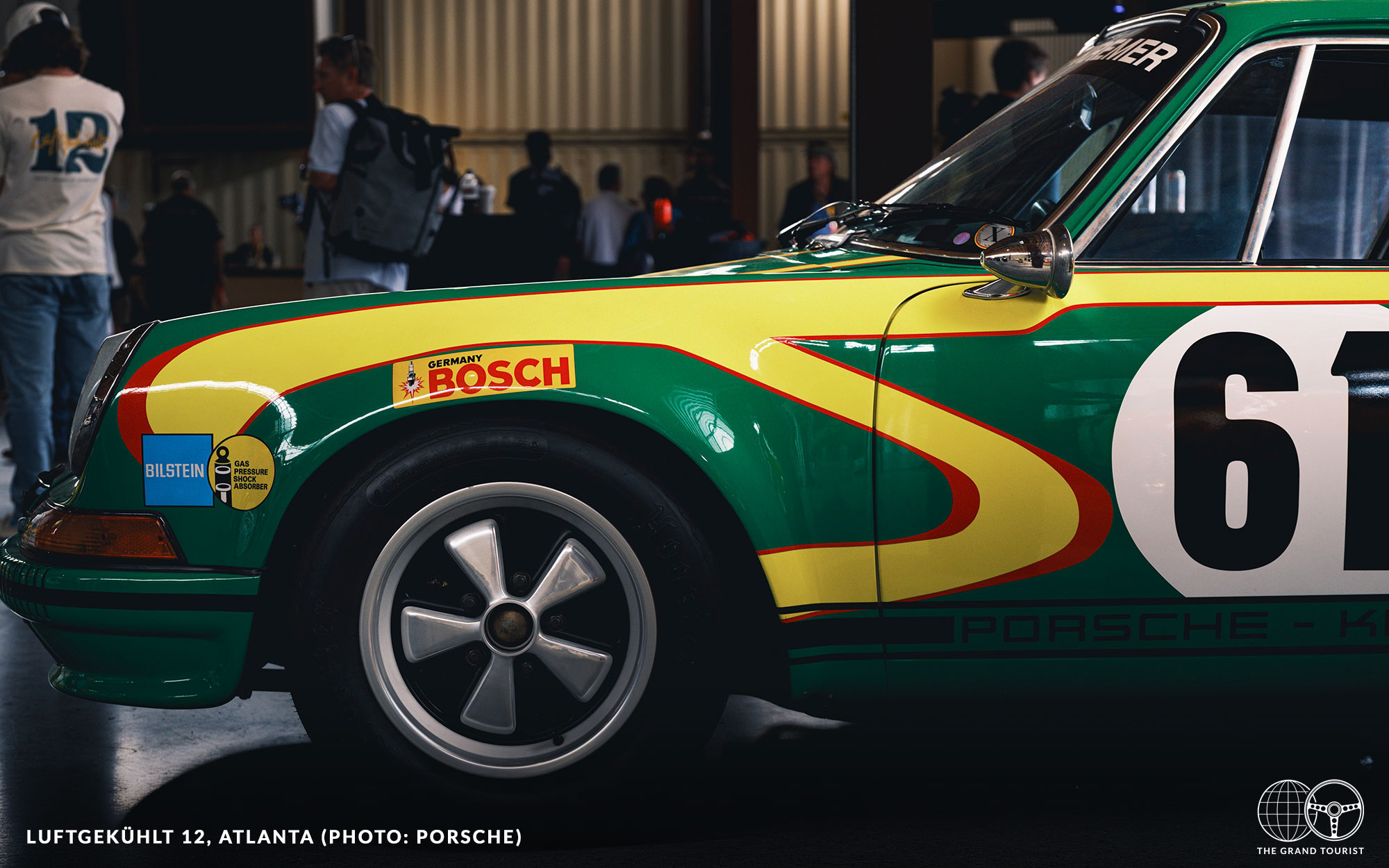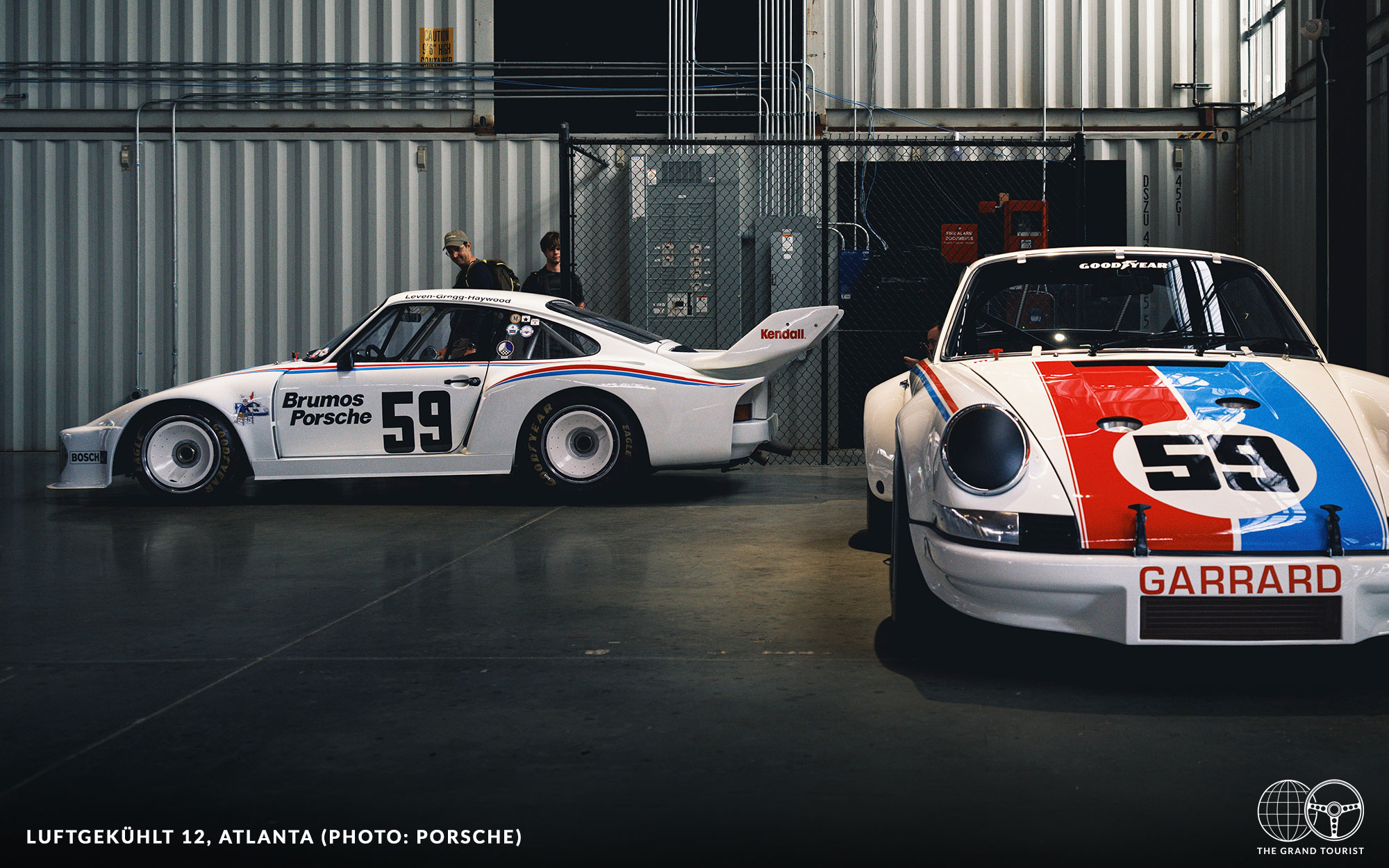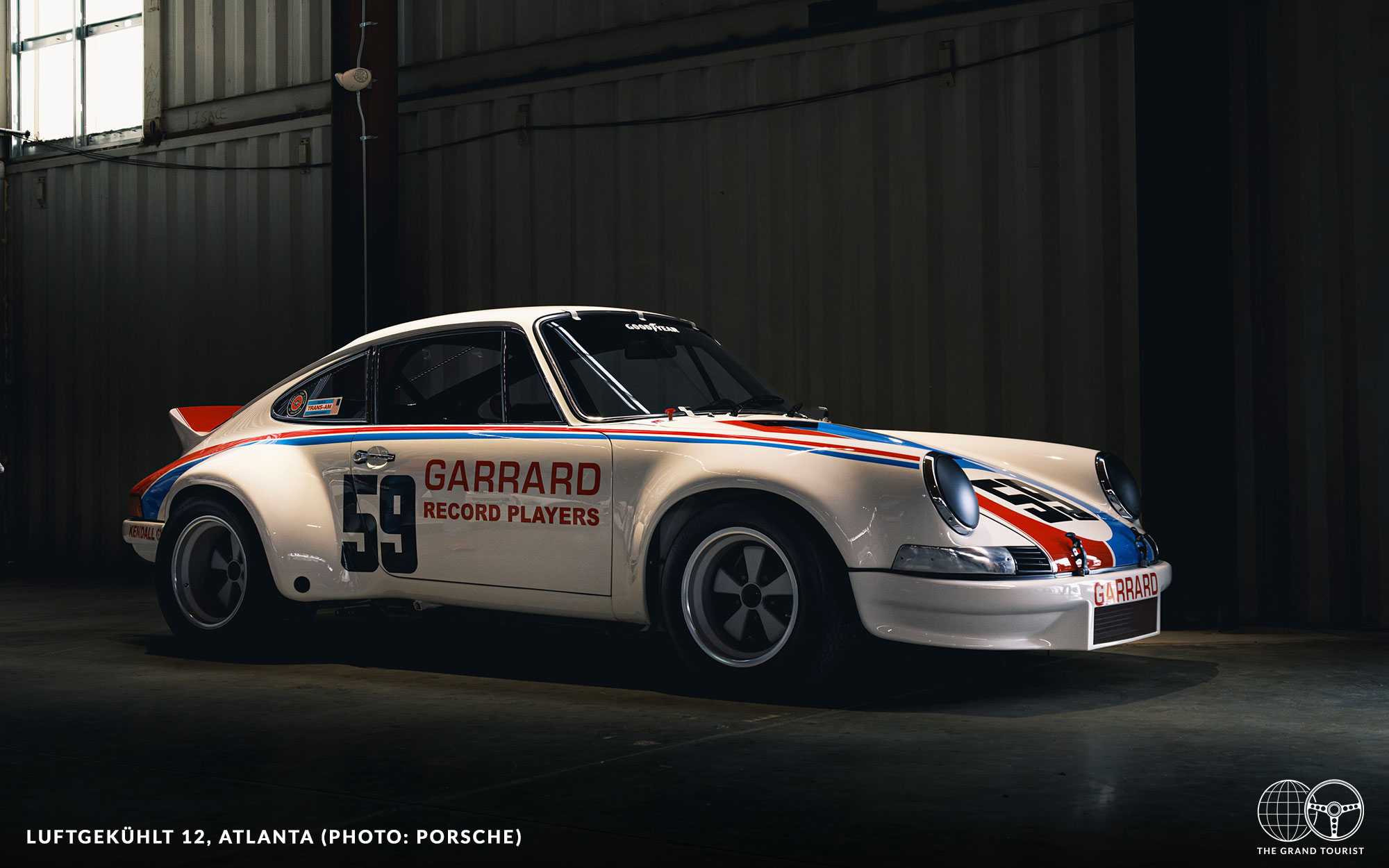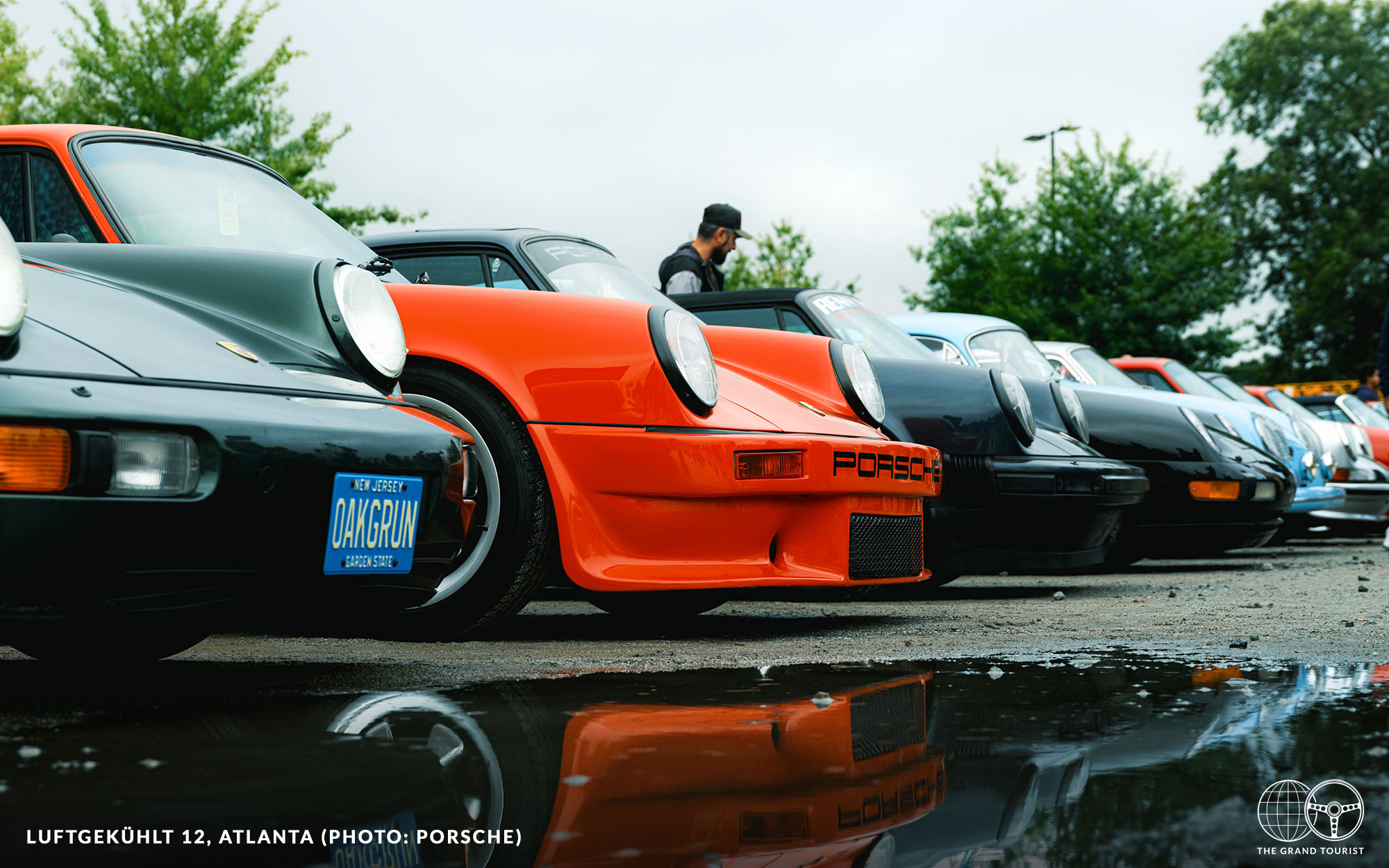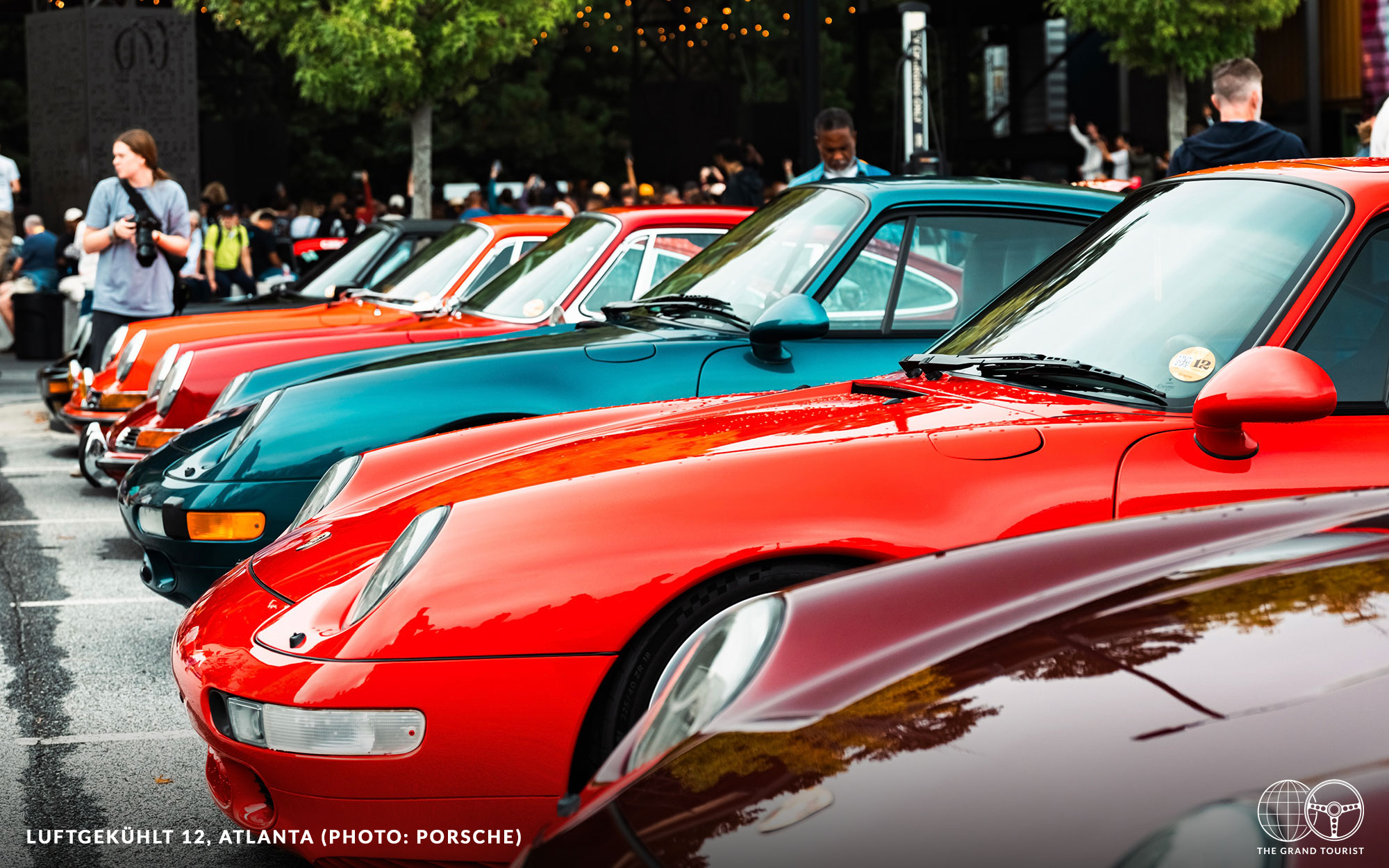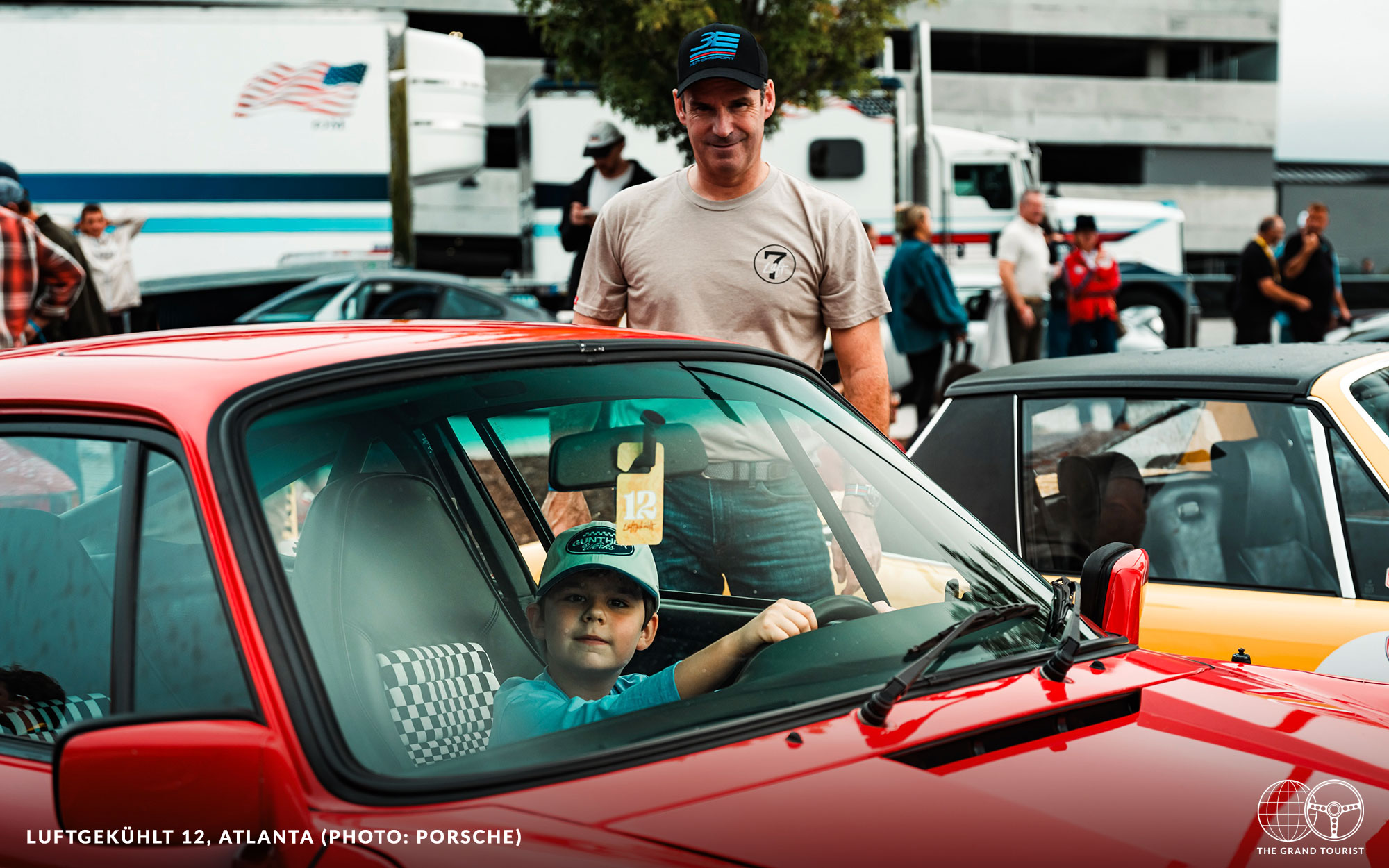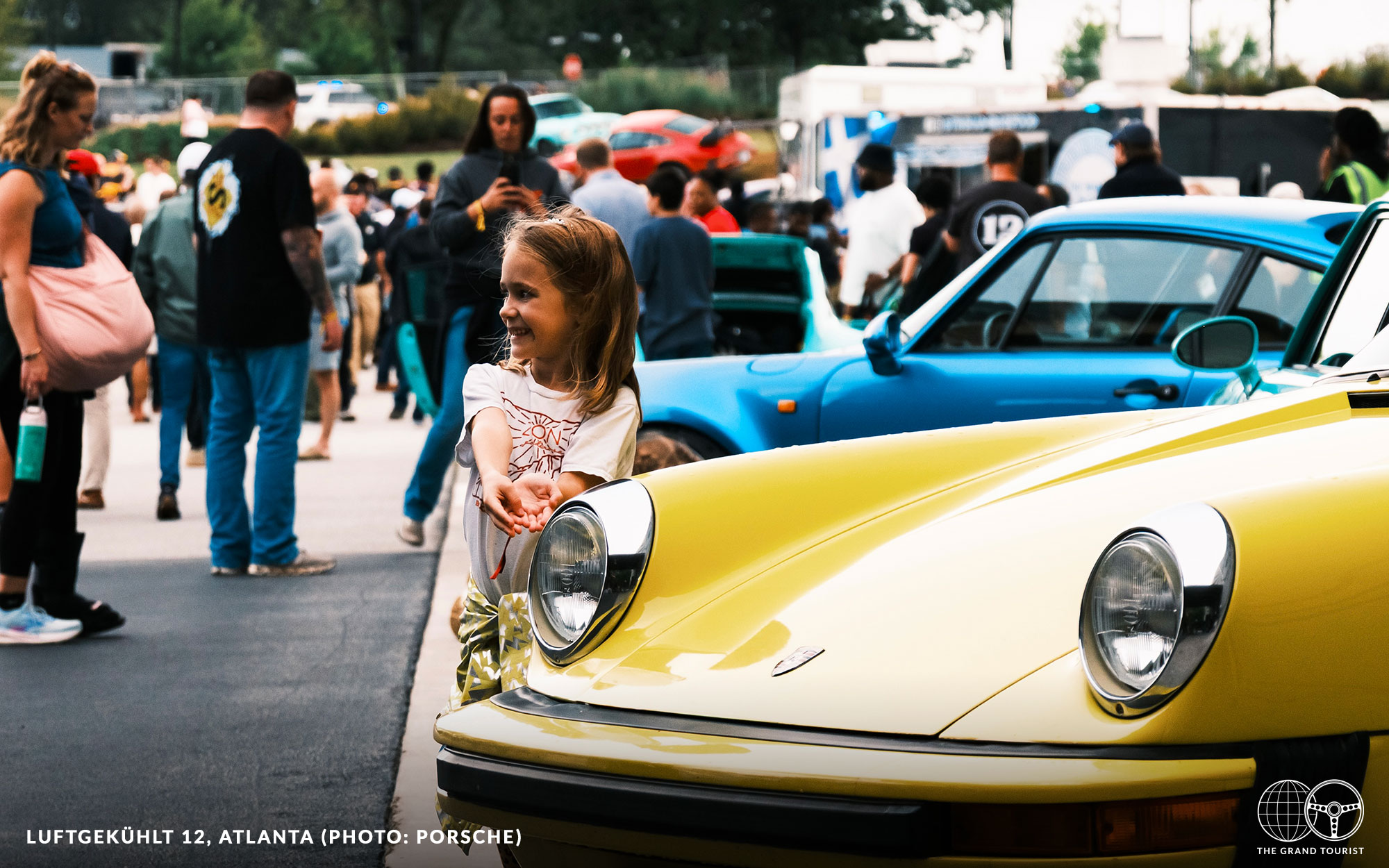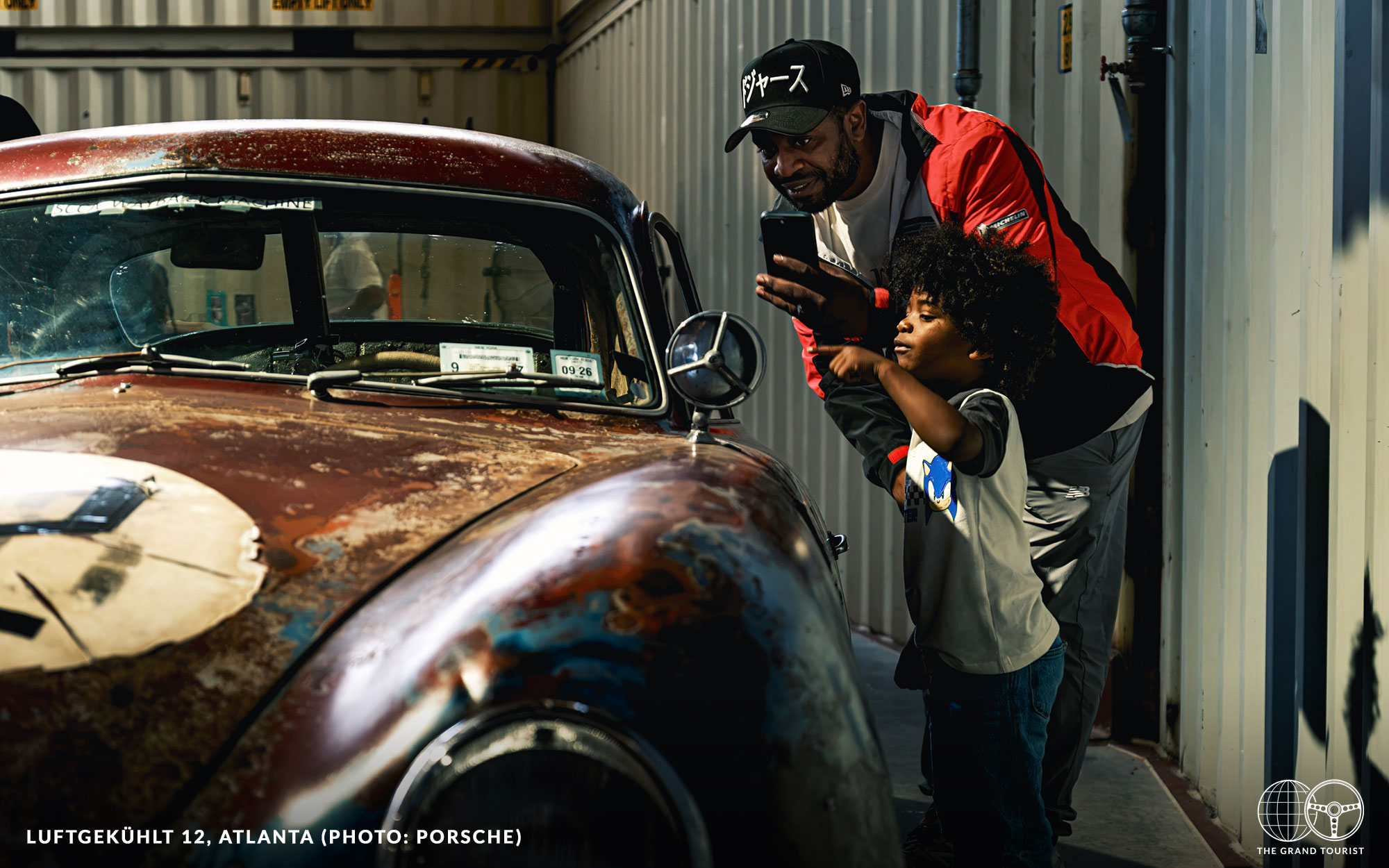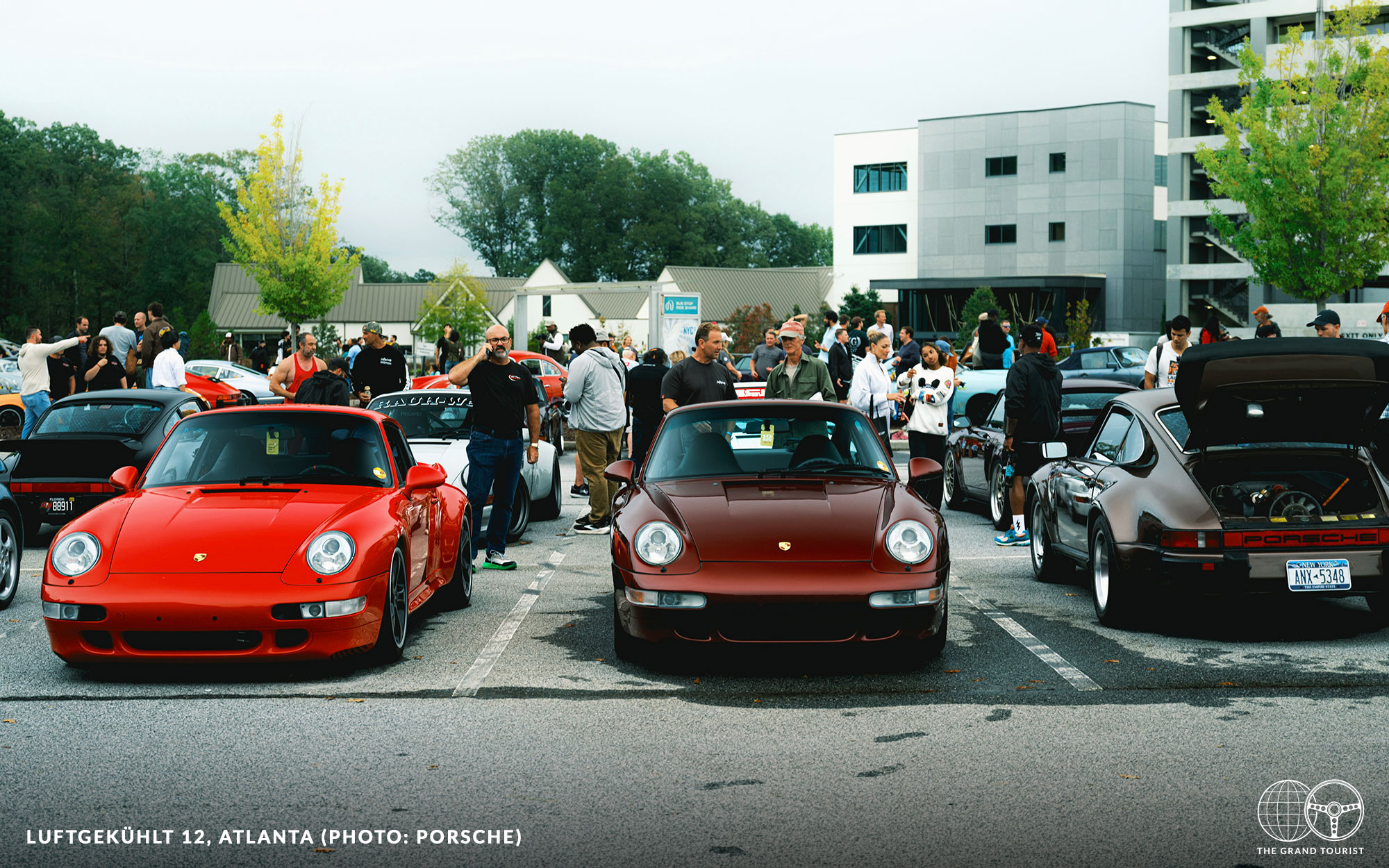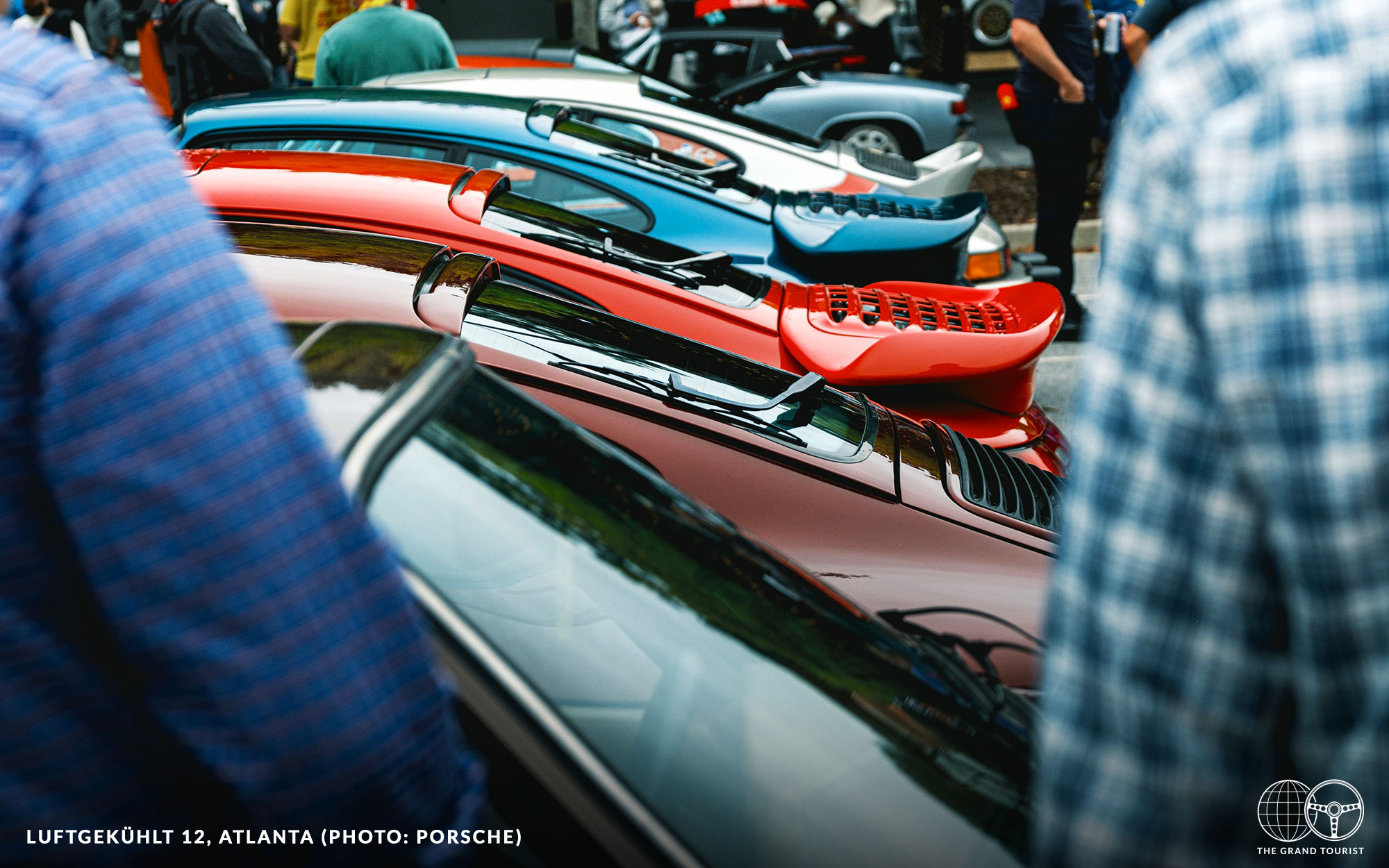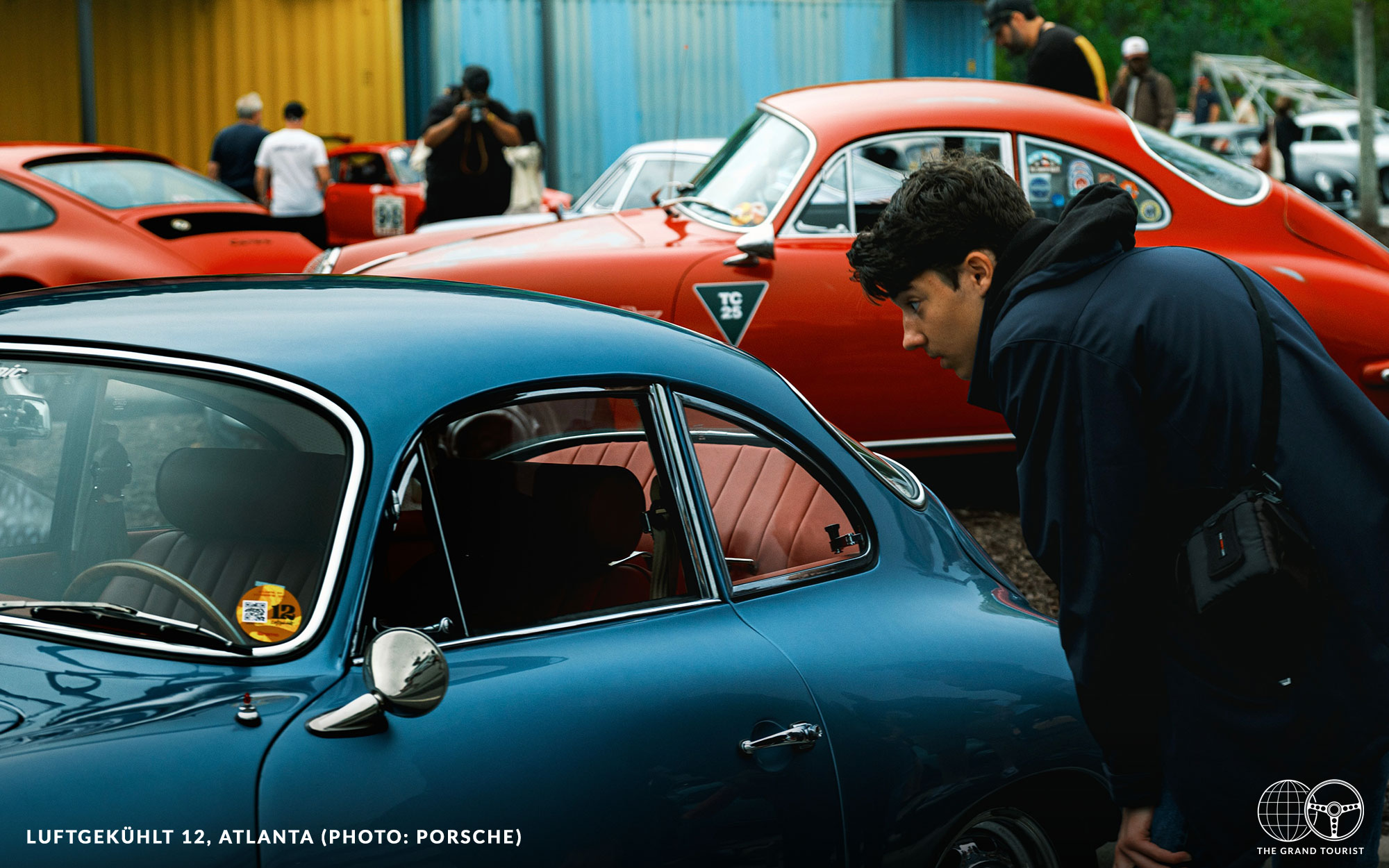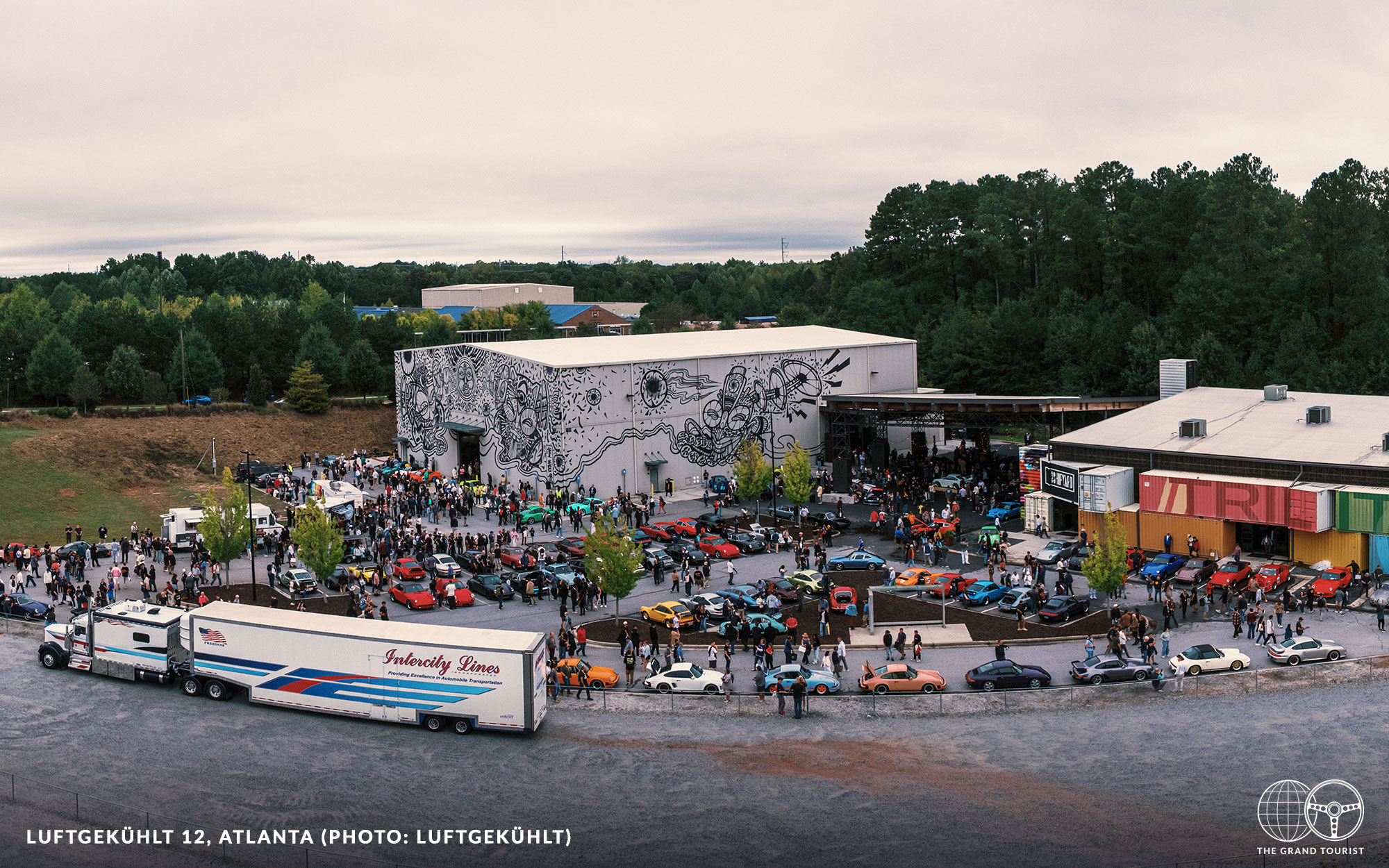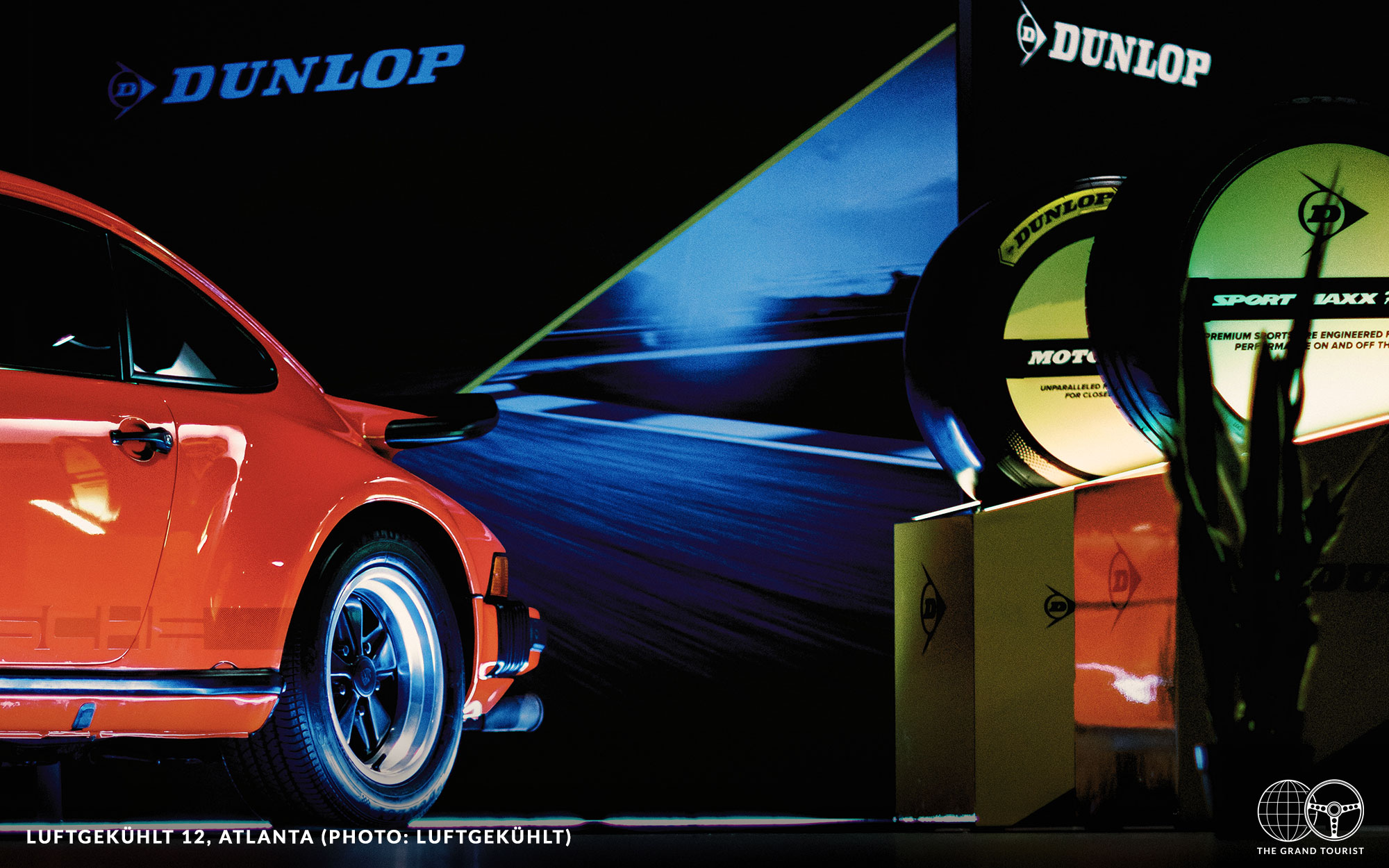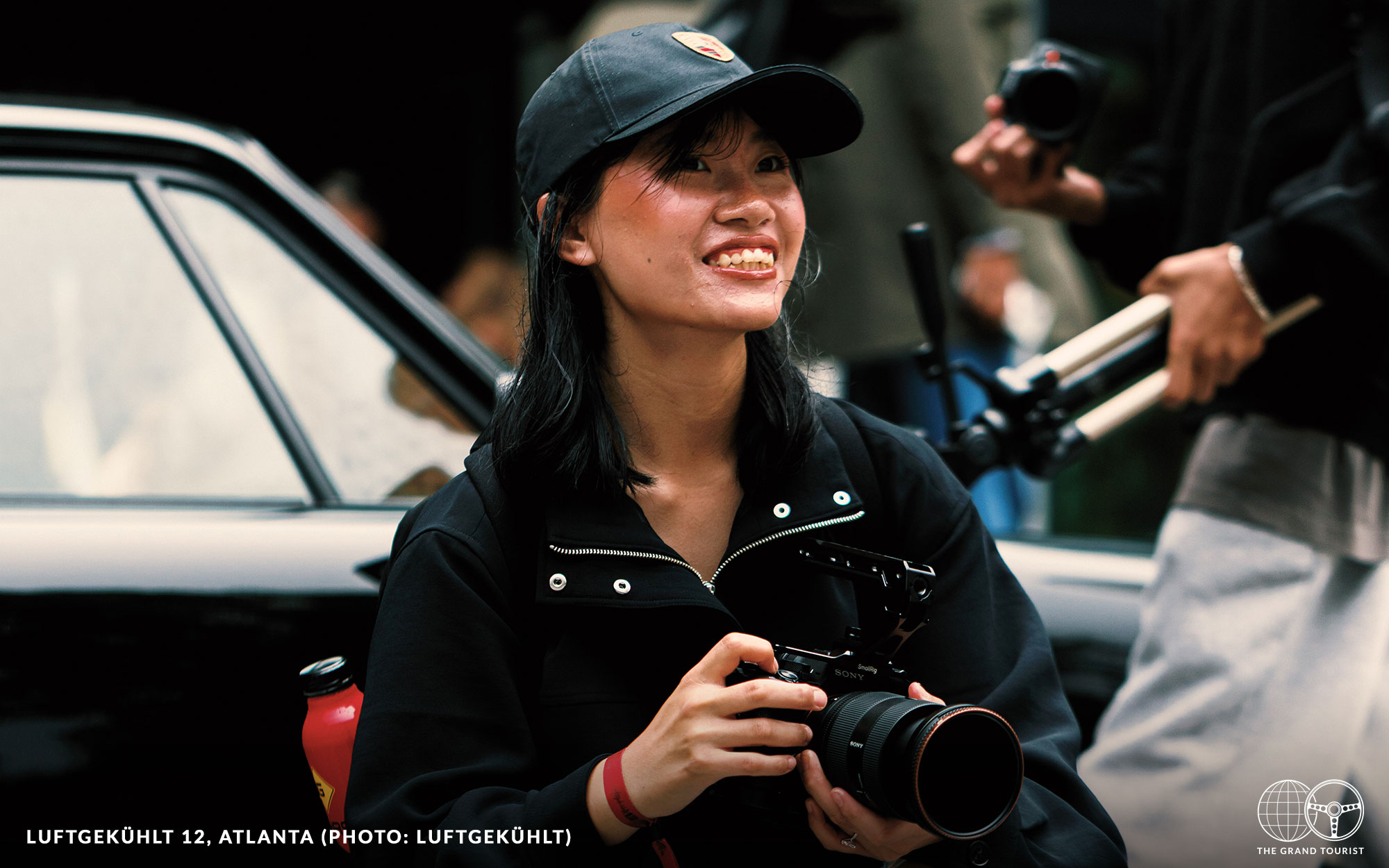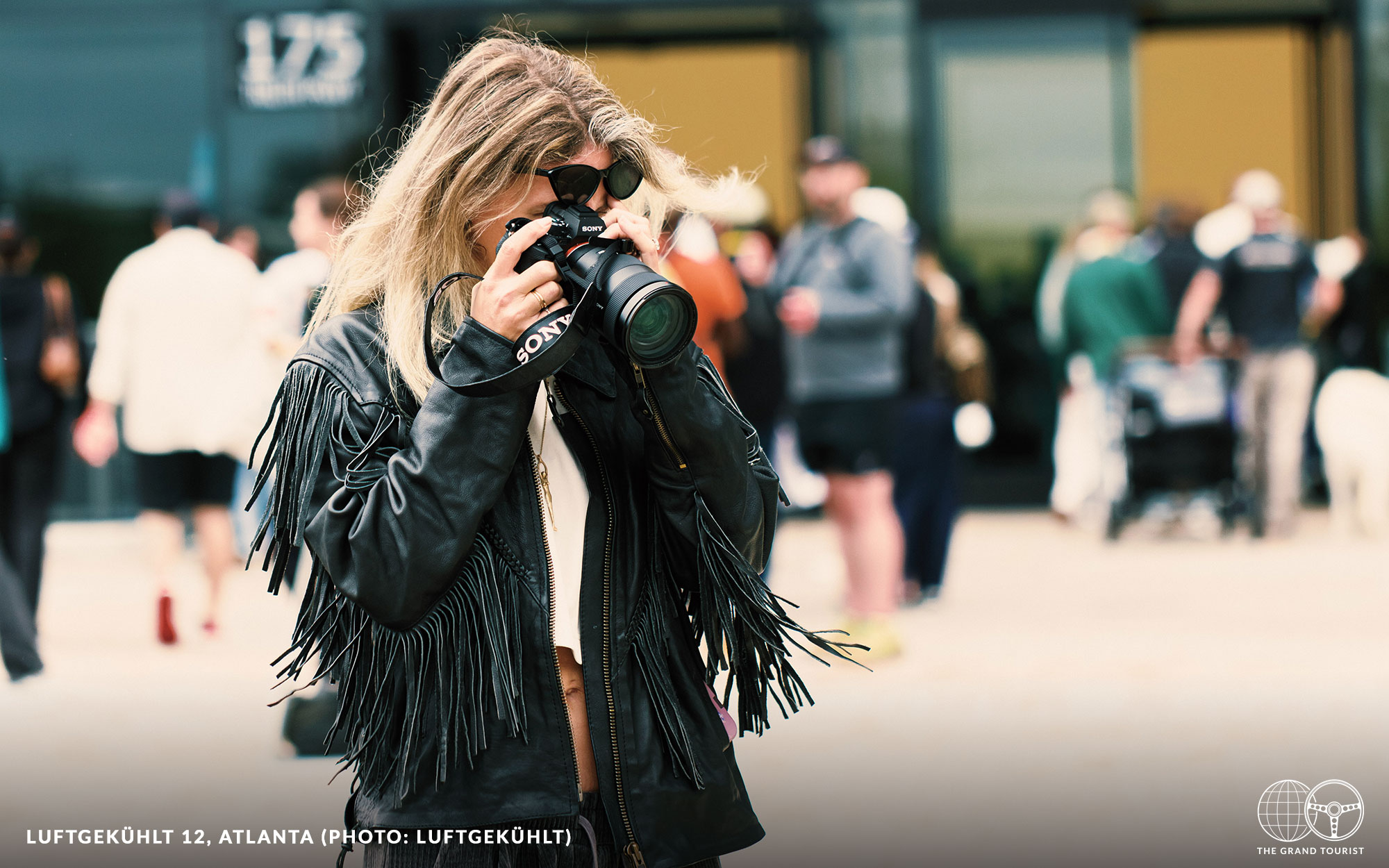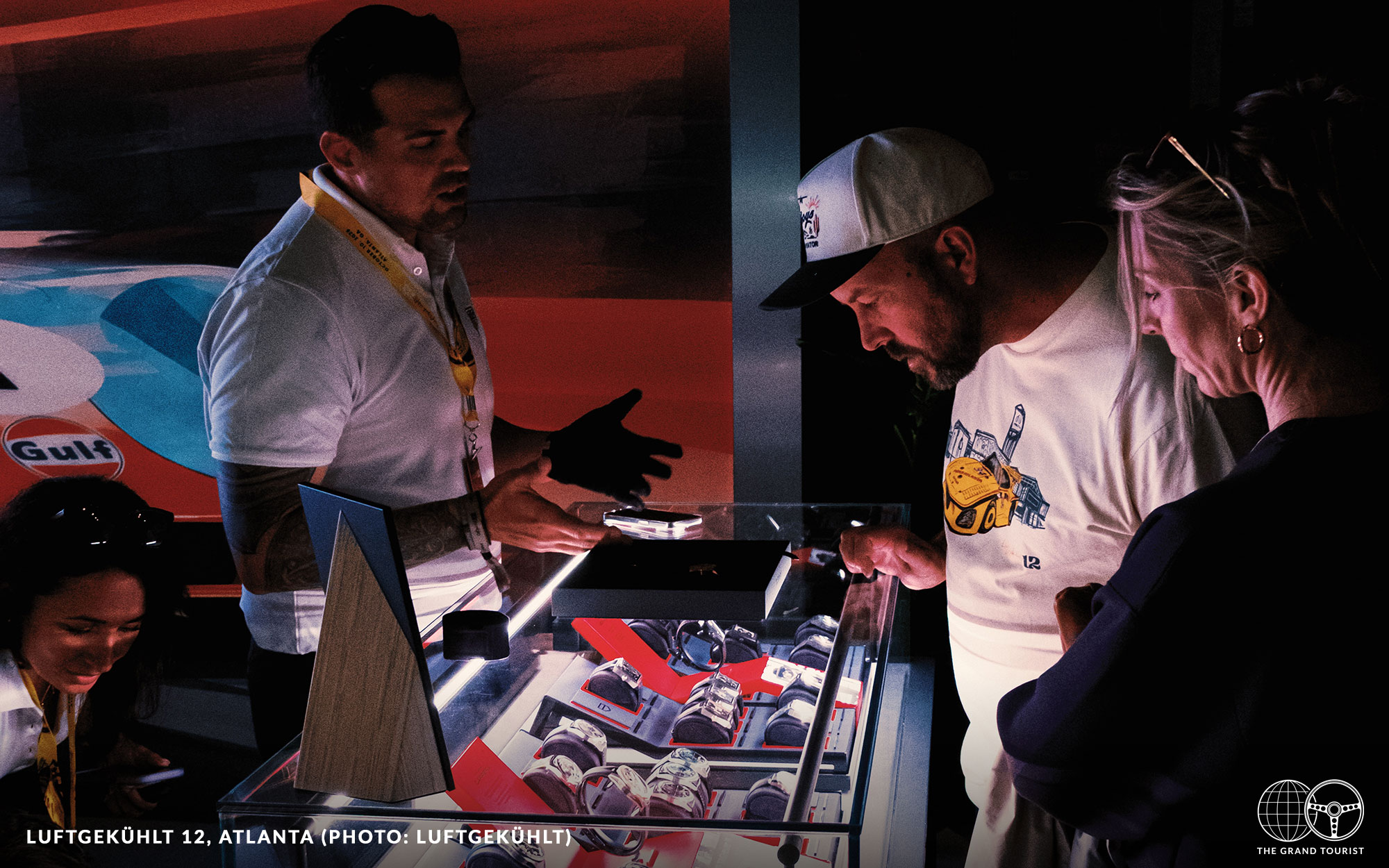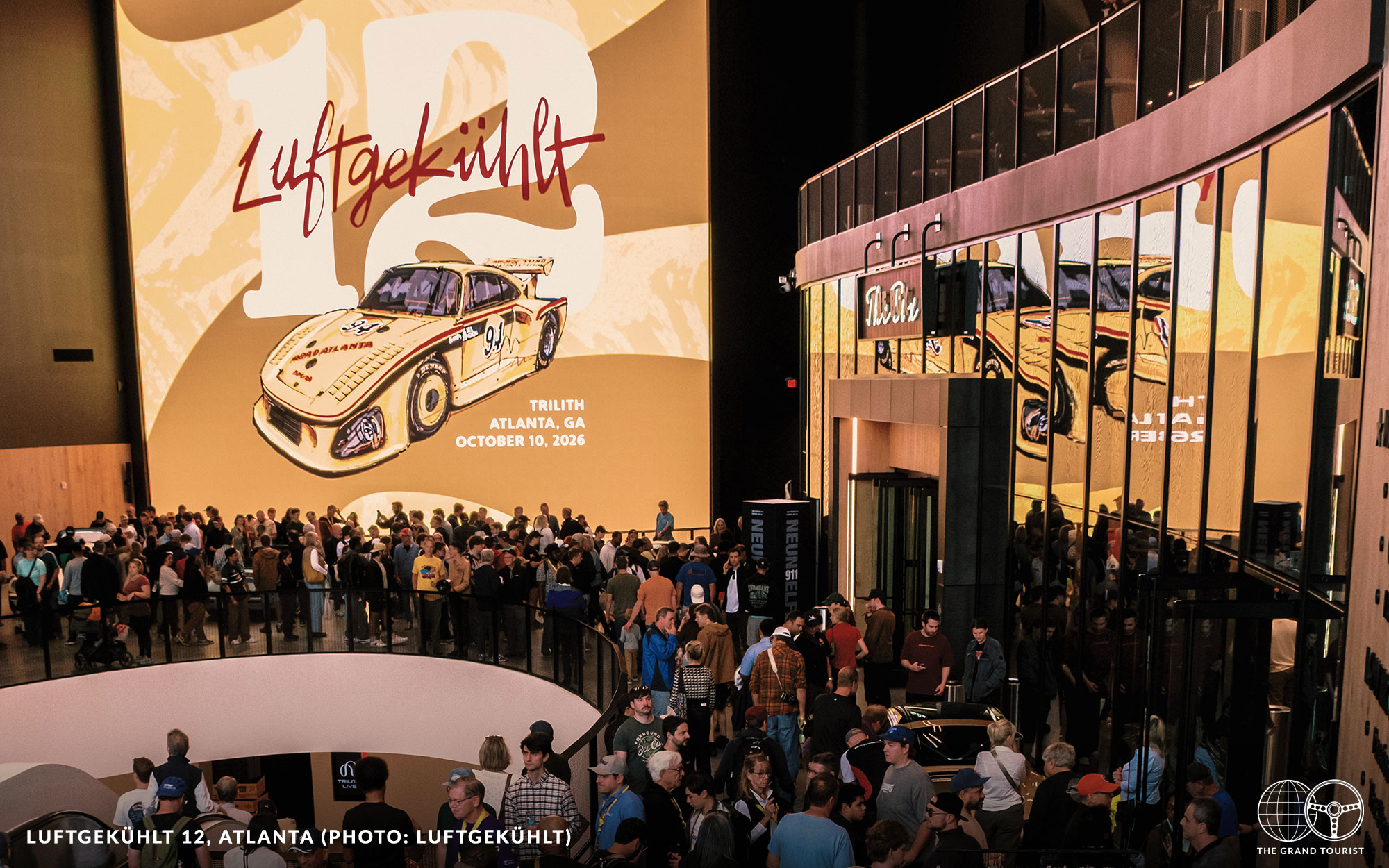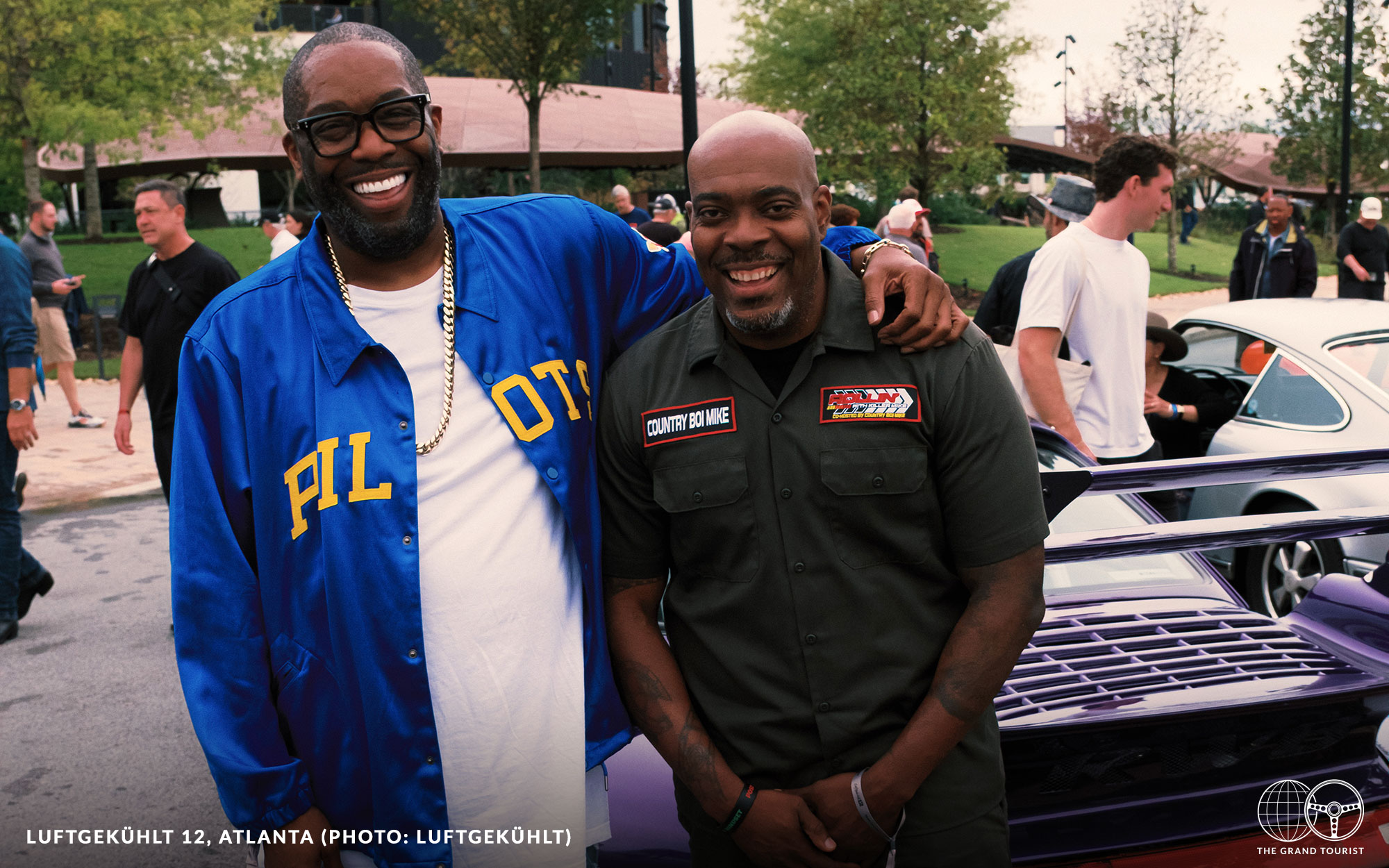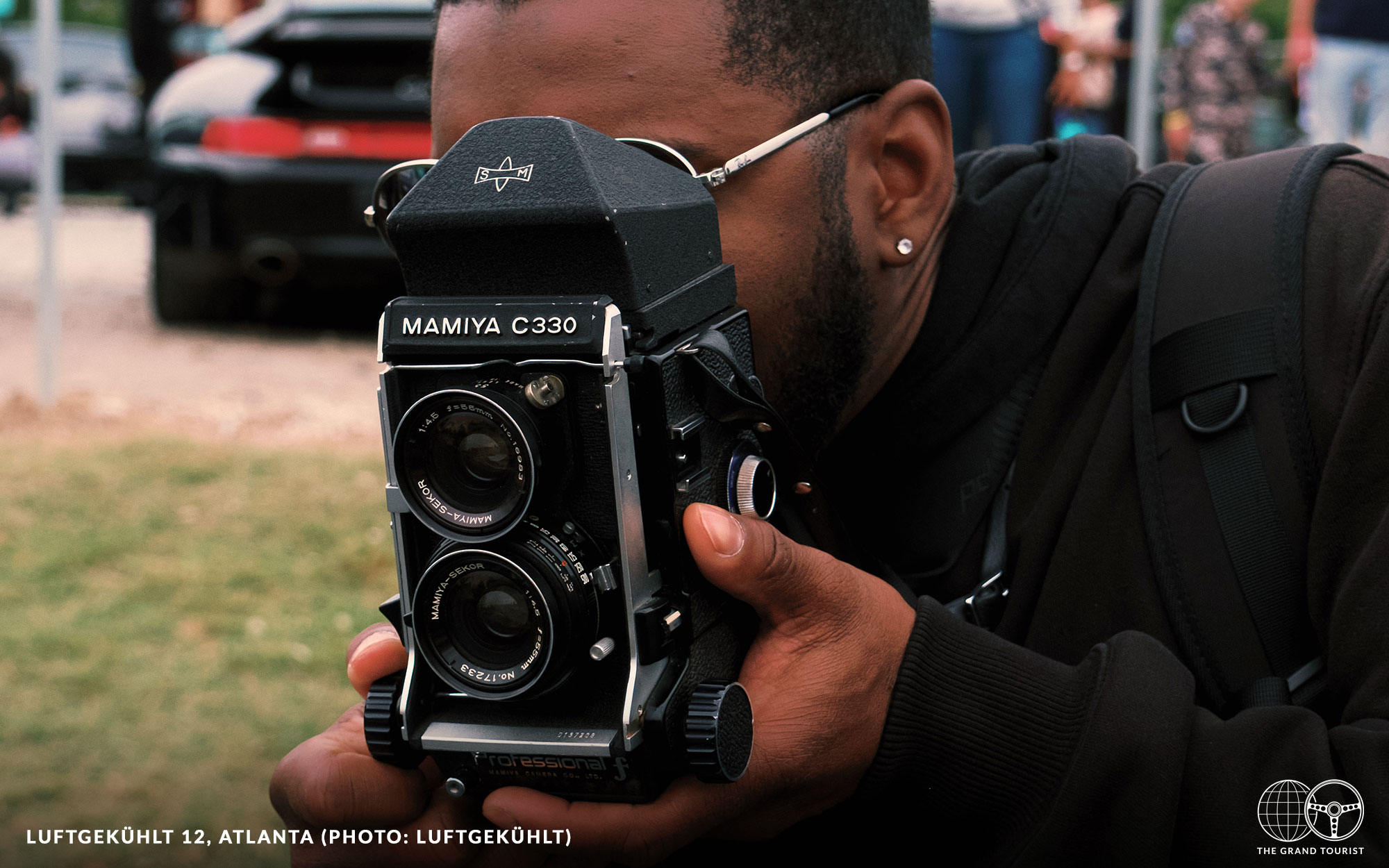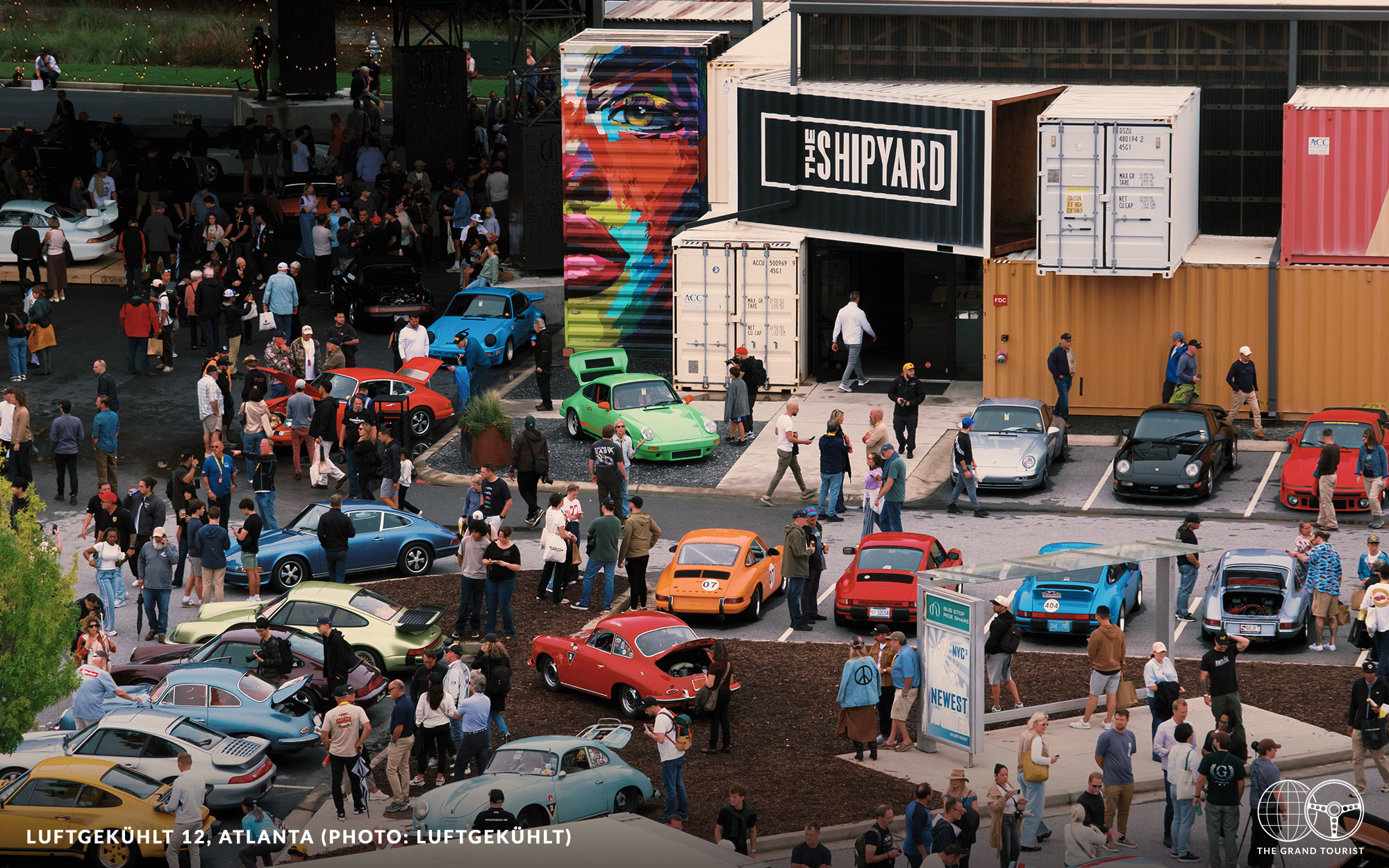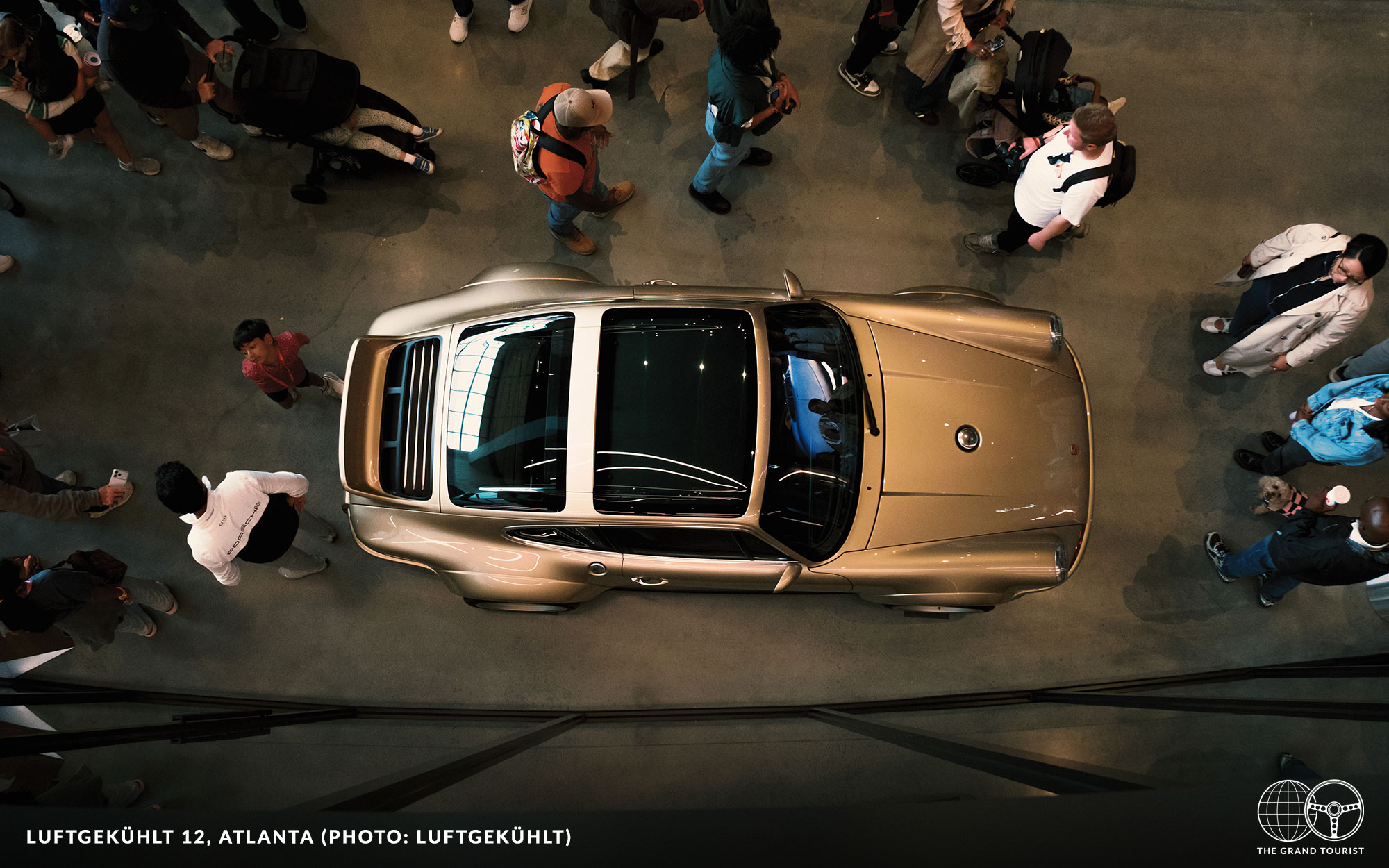


What happens when you bring one of the enthusiast scene’s most revered Porsche enthusiast event to Porsche North America’s hometown? Do we really have to ask? It’s not whale tale of a spoiler to say that this was going to be a party. Held October 10 at the Town at Trilith south of Atlanta, the gathering used Porsche’s air-cooled heritage as the basis of its highly perfected formula for an exploration of racing, design, filmmaking and the people who keep these cars in circulation.
According to organizers, 8,000 visitors attended from 23 countries and 45 U.S. states, with more than 300 cars on display. Severe-weather warnings prompted a delayed start, but the revised schedule allowed the event to proceed in dry conditions, with some sunshine. It was Luft’s Atlanta-area debut, connecting an international following with a region that has its own substantial Porsche history.
If you’ve attended Luft before or just followed along from afar, the premise is familiar: interesting Porsches, carefully placed in an interesting setting. Understanding why it has become a destination for well more than Porsche fans requires a little more context.
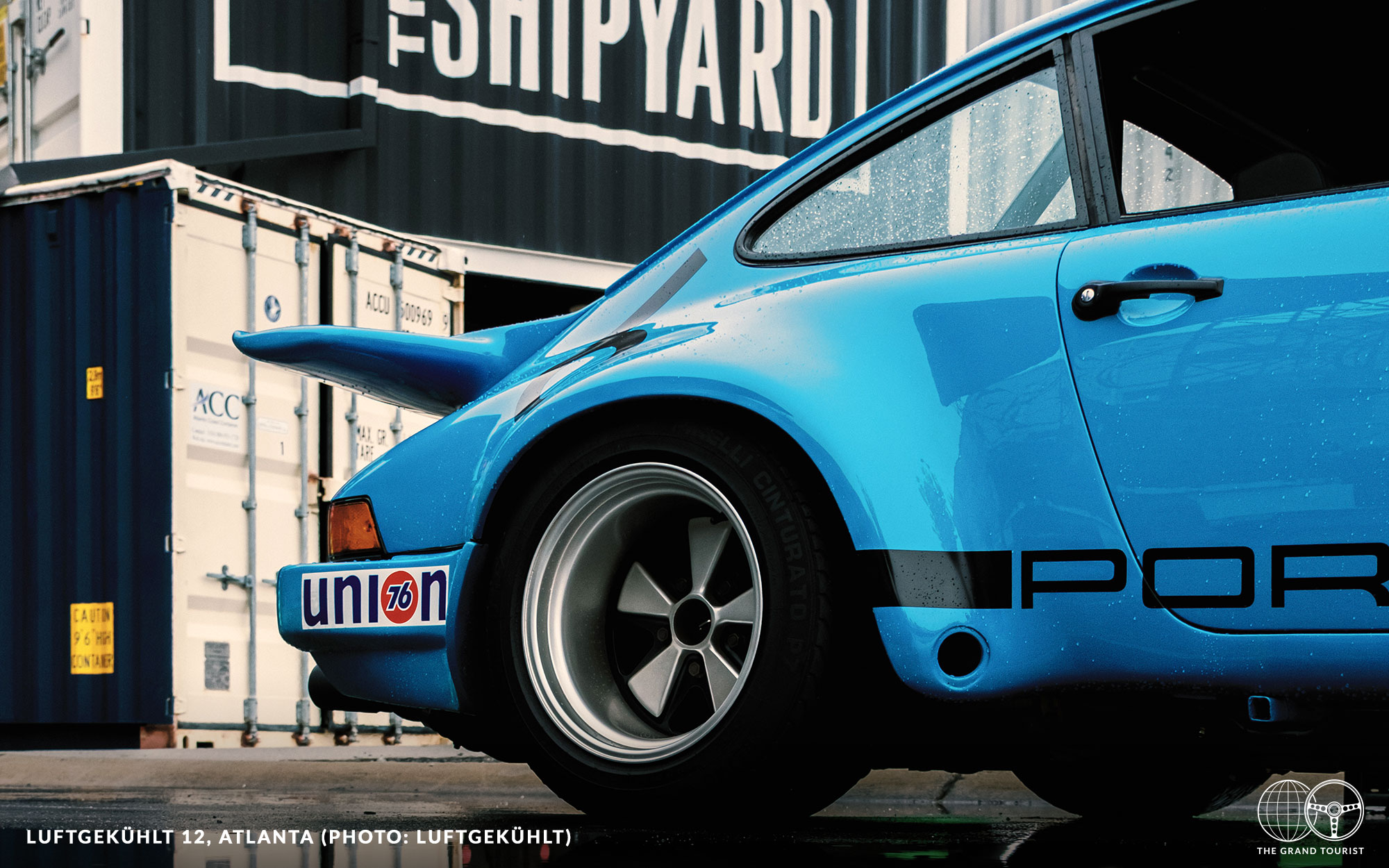
UNDERSTANDING LUFT
Luftgekühlt is German for “air-cooled,” a reference to the engine cooling quality that defined Porsche’s earliest sports cars and successive generations of the 911. Airflow and oil play central roles in managing engine heat, giving these cars a mechanical identity that remains an important part of their appeal. For the 911, that era ended with the 993 generation, produced through 1998, before the transition to water cooling.
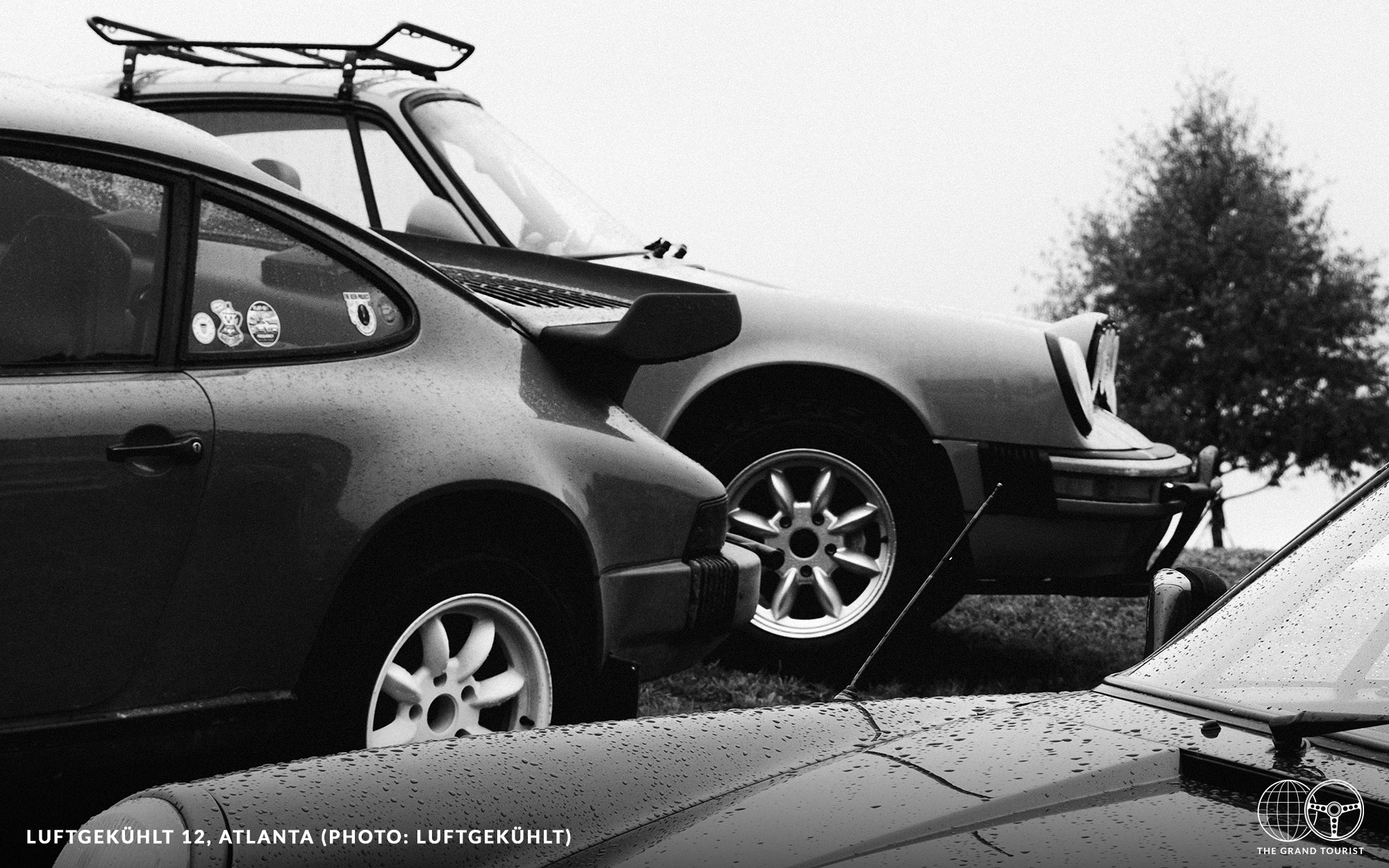
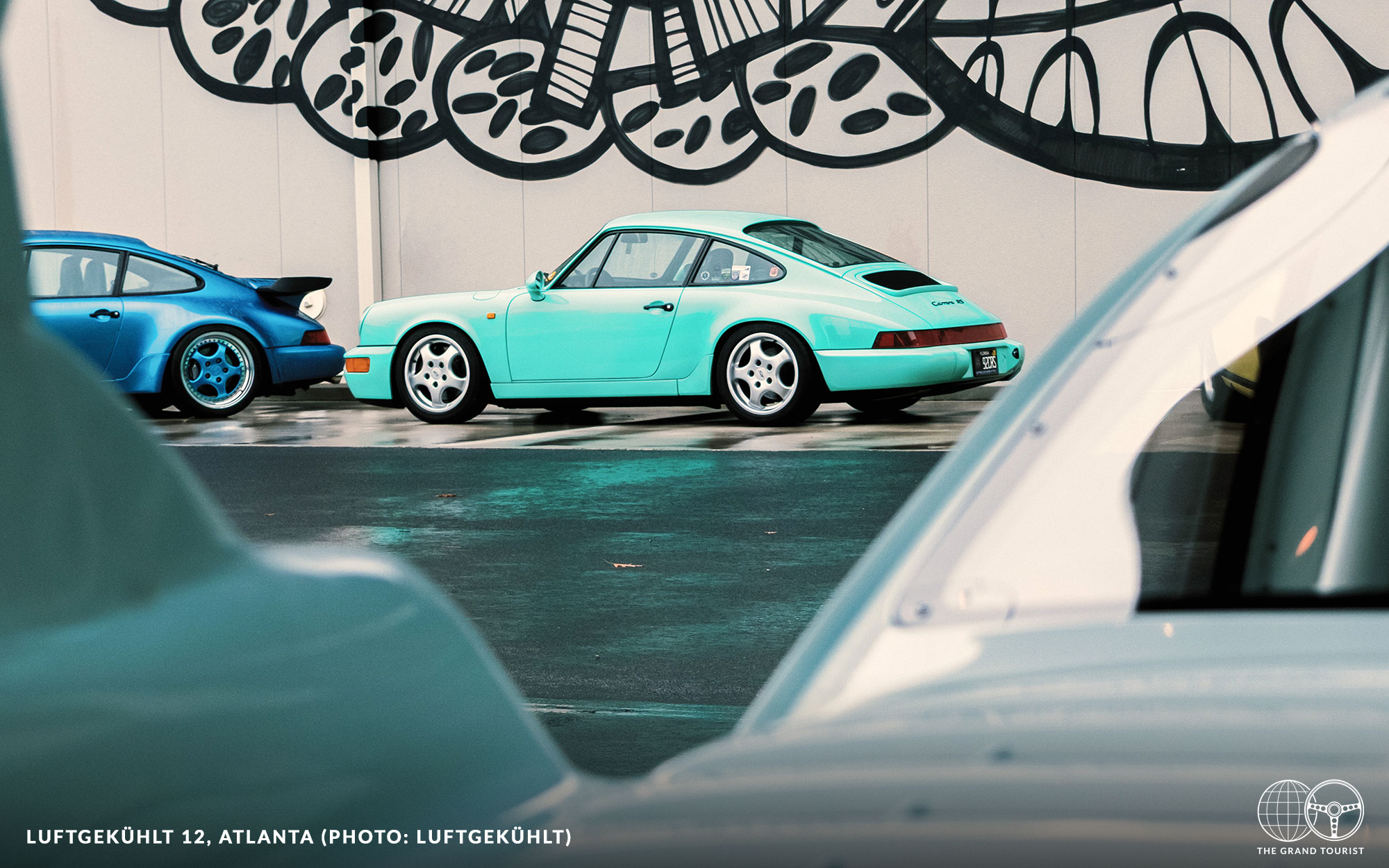
That distinction gives Luft its organizing principle. Within it lies considerable variety: small, rounded 356s, familiar road-going 911s, extensively modified personal projects and racing cars whose shapes became increasingly specialized as their performance developed. Visitors can follow decades of engineering and design without needing to decode Porsche’s internal model numbers.
The event began in a Los Angeles parking lot in 2014, founded by racing driver Patrick Long and creative director Howie Idelson. Long brought the perspective of a two-time Le Mans class winner, while the gathering developed around presenting cars in settings that made their shapes and individual histories part of the experience.
Each edition introduces another location and another selection of stories. Owners apply to display their cars, submitting photographs, descriptions and histories for review. The selection encompasses preserved originals, daily drivers, competition cars and custom builds. That range gives visitors several ways into the subject, whether their interest is industrial design, motorsport or the work involved in saving an old car.
“Every event is an evolution on an evolution,” says creative director Jeff Zwart. “We want to find new stories to tell.”
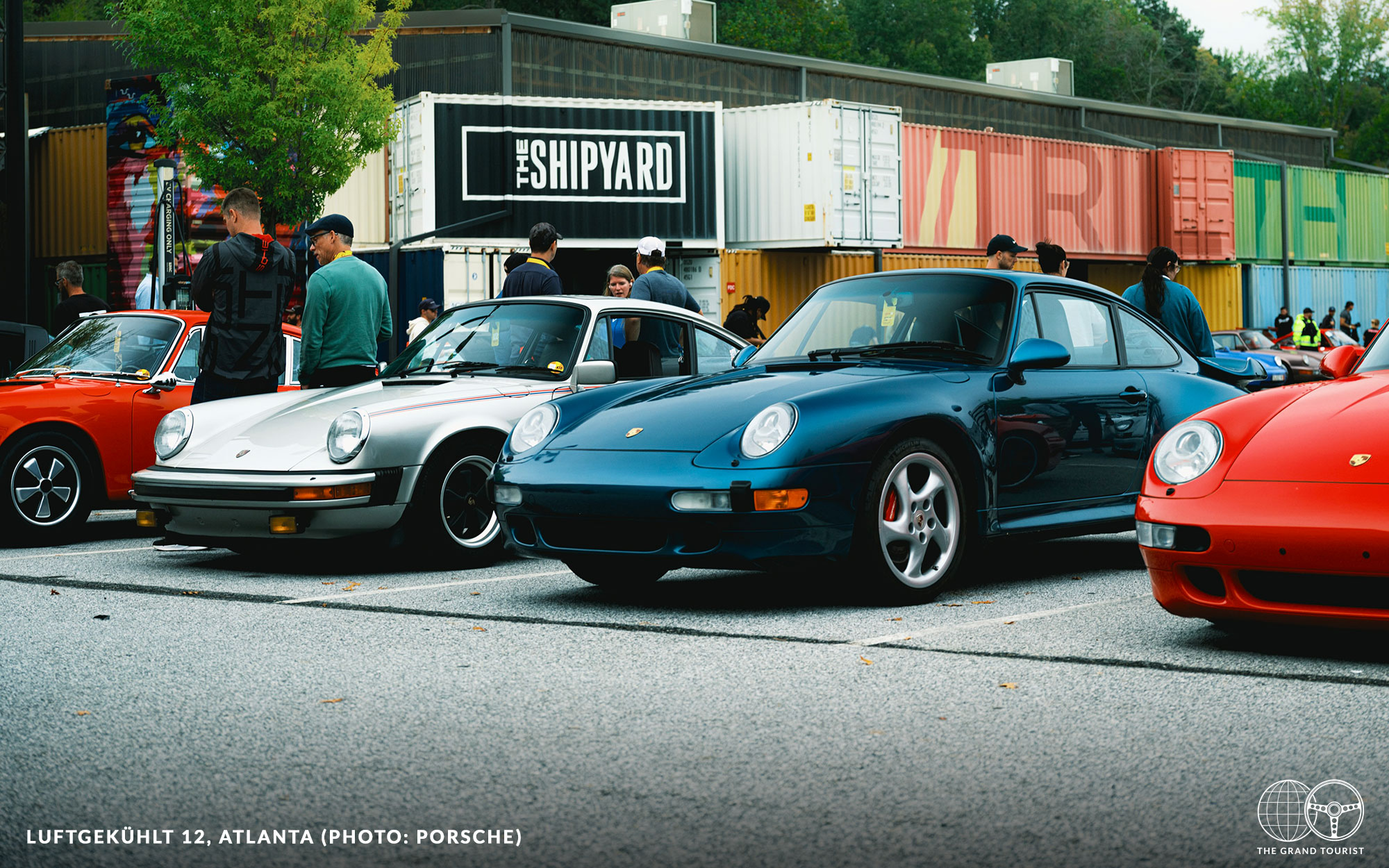
ATLANTA CONNECTION
Atlanta offered both a new setting and a connection to Porsche’s American presence. Porsche Cars North America has been headquartered in the city since 1998, while Road Atlanta provides a separate link to the marque’s competition history.
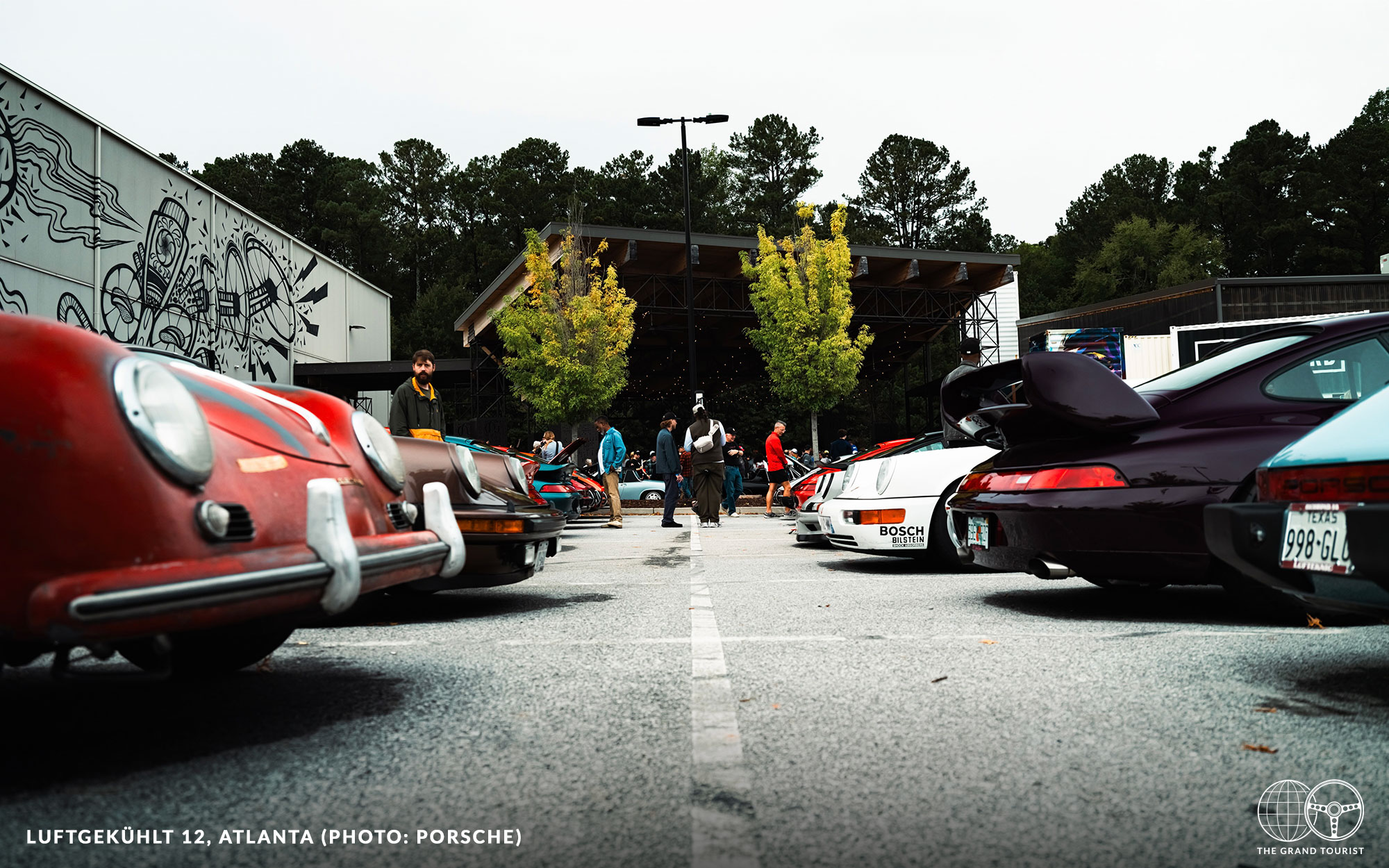
Trilith added another cultural basis. Known for its association with film and television production, the location gave the organizers streets, avenues and indoor spaces through which to arrange the cars. Visitors could move between displays and discover individual examples along the way, with the surroundings helping shape each encounter.
That freedom to explore is central to Luft. Zwart describes an event without barricades preventing visitors from getting close to the cars, where walking through buildings and down streets leads to conversations and discoveries. For someone arriving without an encyclopedic knowledge of Porsche, the invitation is straightforward: follow what catches your eye, then discover the relevance.
The format also makes the venue part of the reason to travel. A changing location gives returning visitors a different experience and introduces the event to regional communities. For Atlanta, that meant bringing Porsche’s broader following into contact with local racing history and a setting associated with contemporary filmmaking.
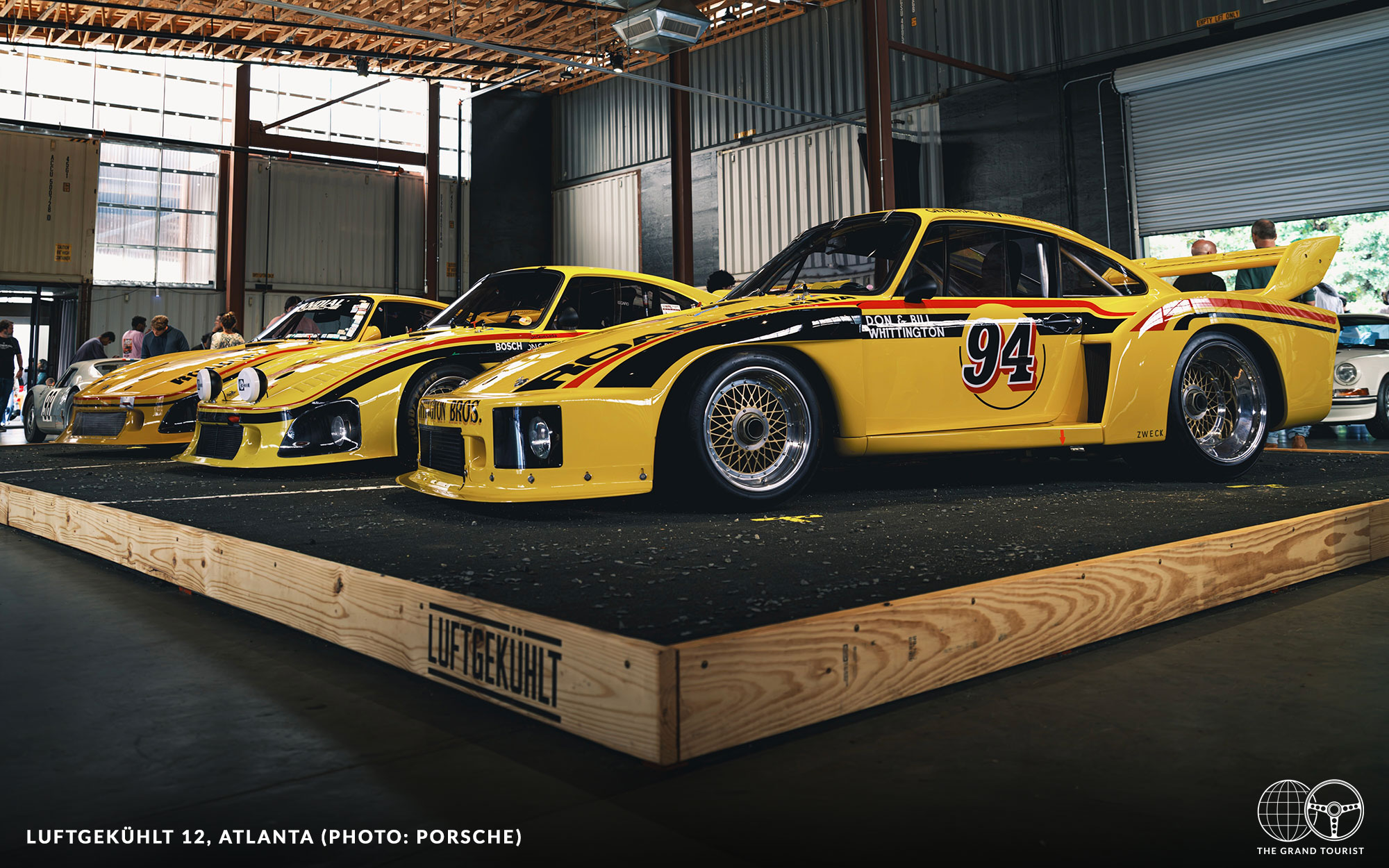
RACE CAR WITH LOCAL STORY
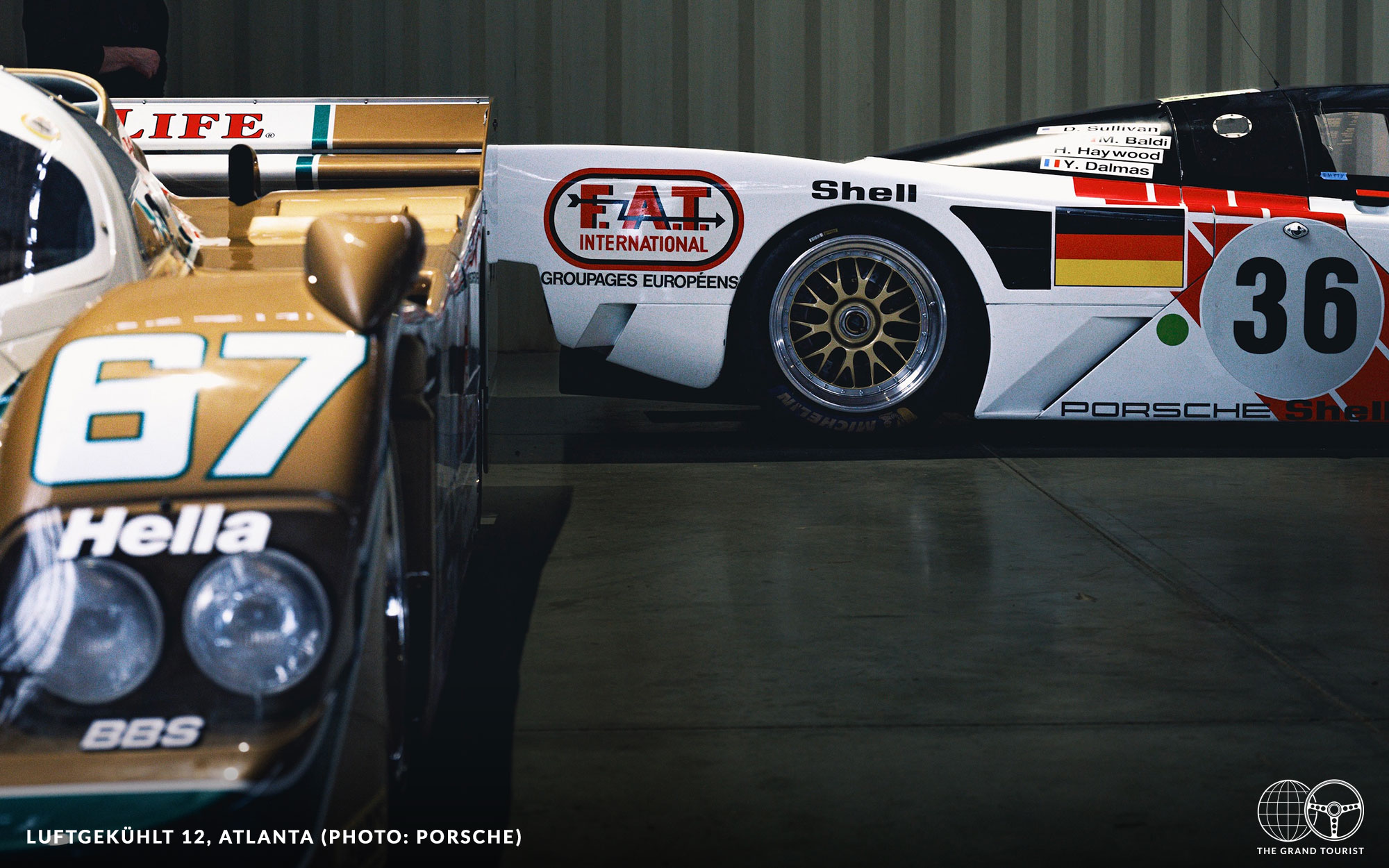
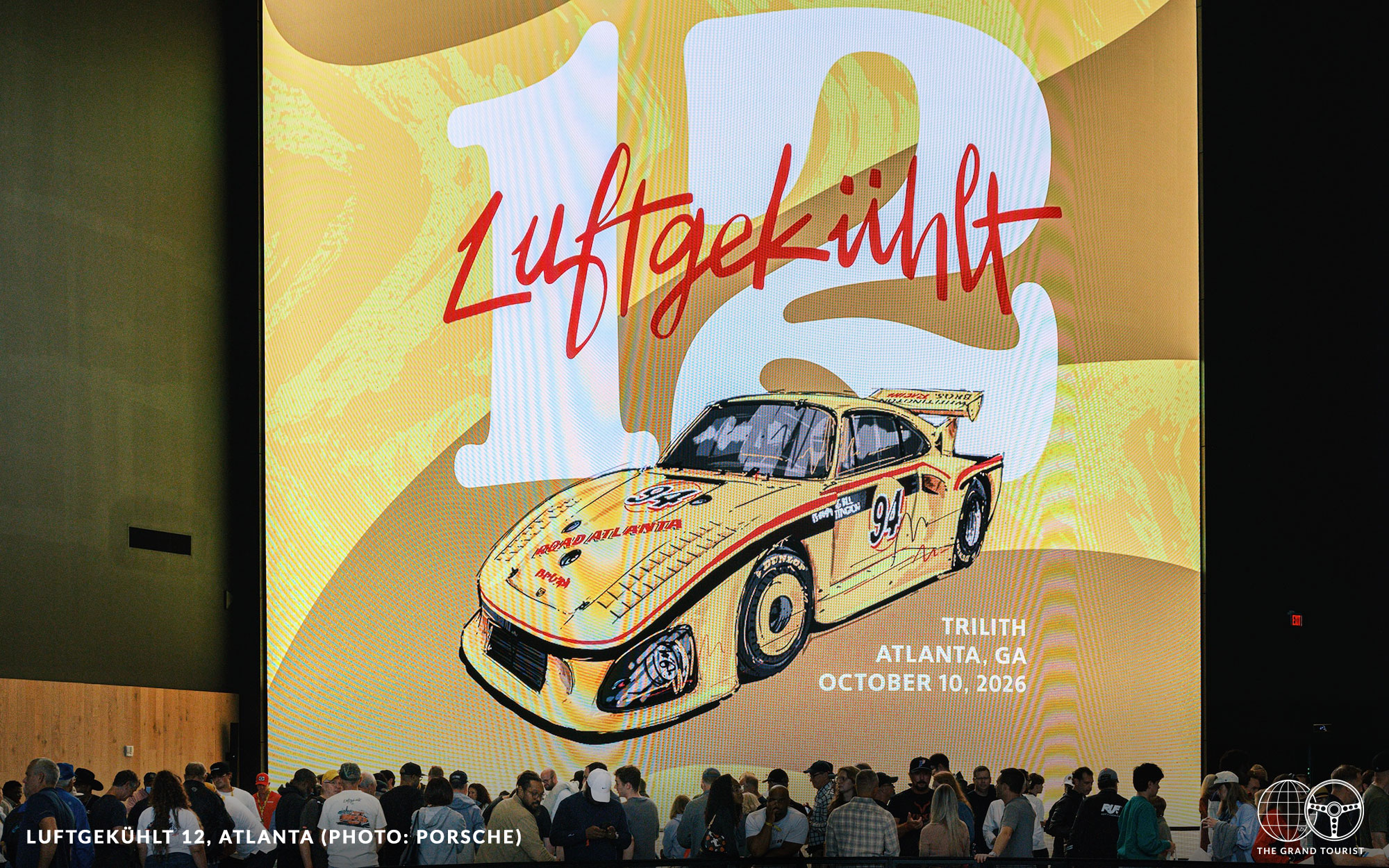
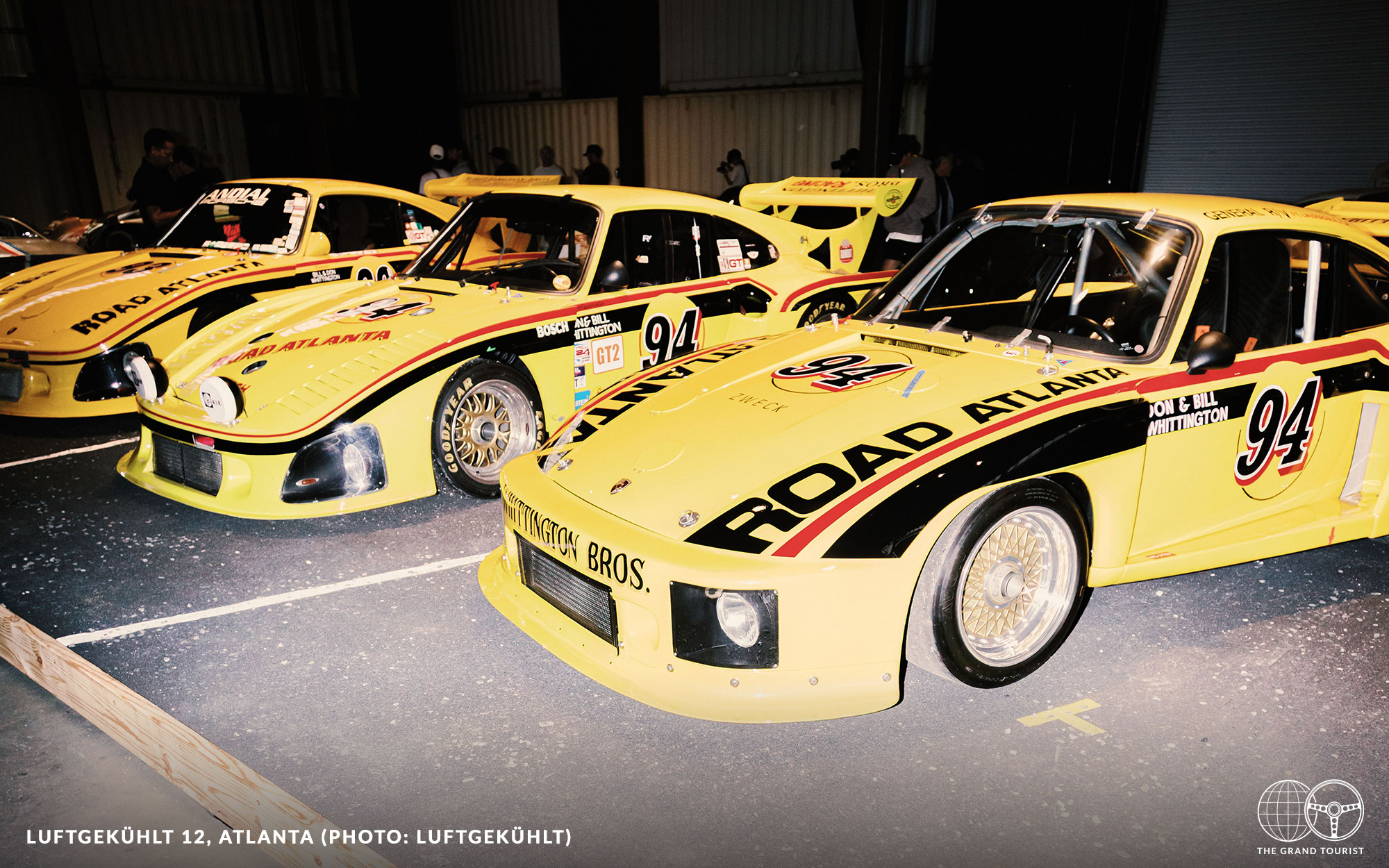
The Porsche 935’s 50th anniversary provided Luft 12 with one of its main subjects. Introduced in 1976, the 935 took the recognizable outline of the 911 into an increasingly specialized form of endurance racing. Its wide bodywork, substantial wings and competition stance make the relationship between a road car and its racing development visible even to someone unfamiliar with the period.
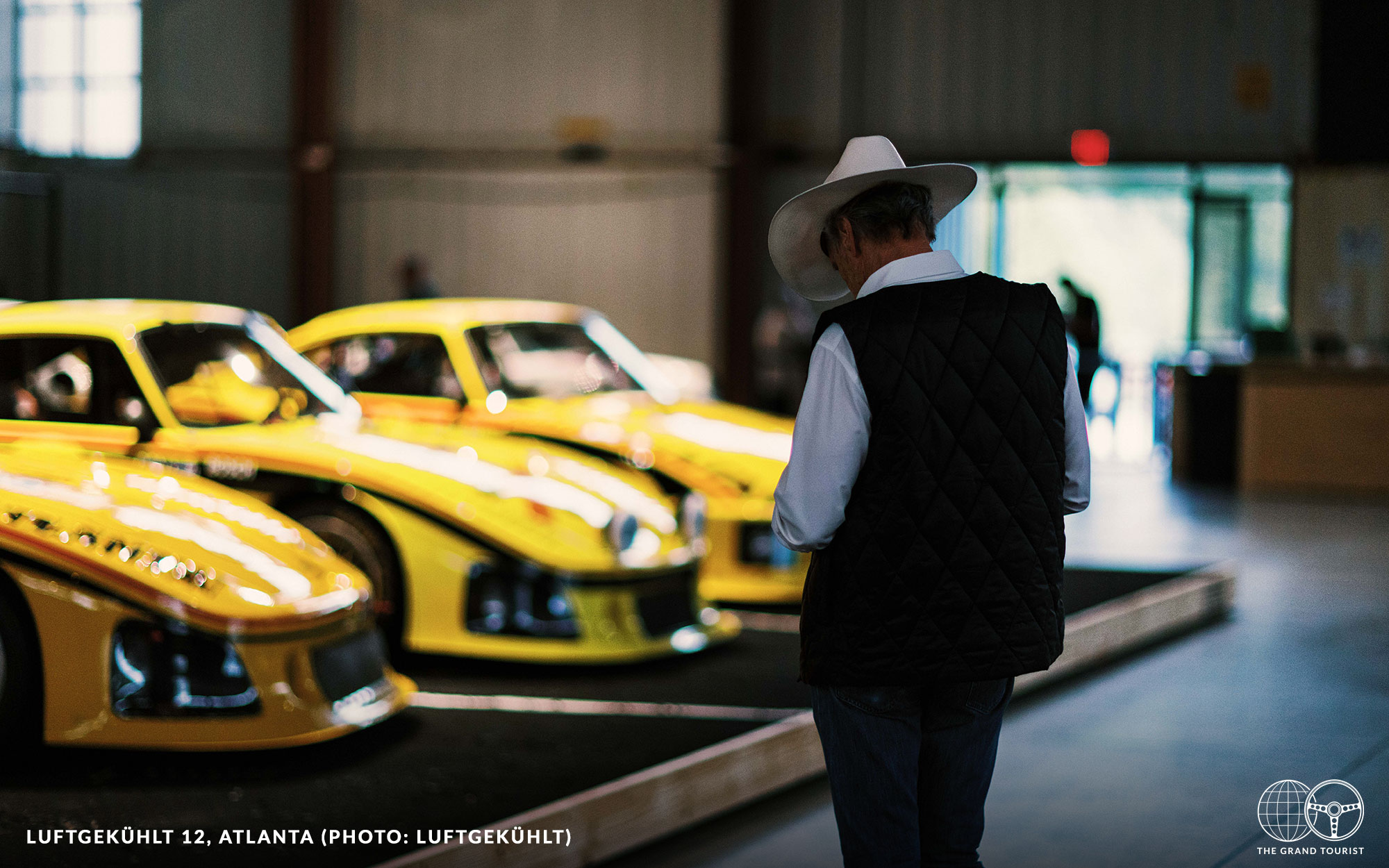
Three yellow examples associated with Don and Bill Whittington were reunited for the event. Among them was the 1979 Le Mans-winning 935 K3, driven to victory by the brothers and Klaus Ludwig. Developed by German racing specialist Kremer, the K3 demonstrated how far the basic 911 concept could be taken in competition, claiming overall victory in one of the world’s most demanding races.
The Atlanta connection gave the display another dimension. Around the time of their Le Mans victory, the Whittingtons bought Road Atlanta. Bringing these cars to Georgia connected an international racing achievement with a circuit familiar to generations of American enthusiasts.
The display linked the machinery with the drivers, teams and places responsible for its history, making the significance easier to understand than a model designation on a placard alone.
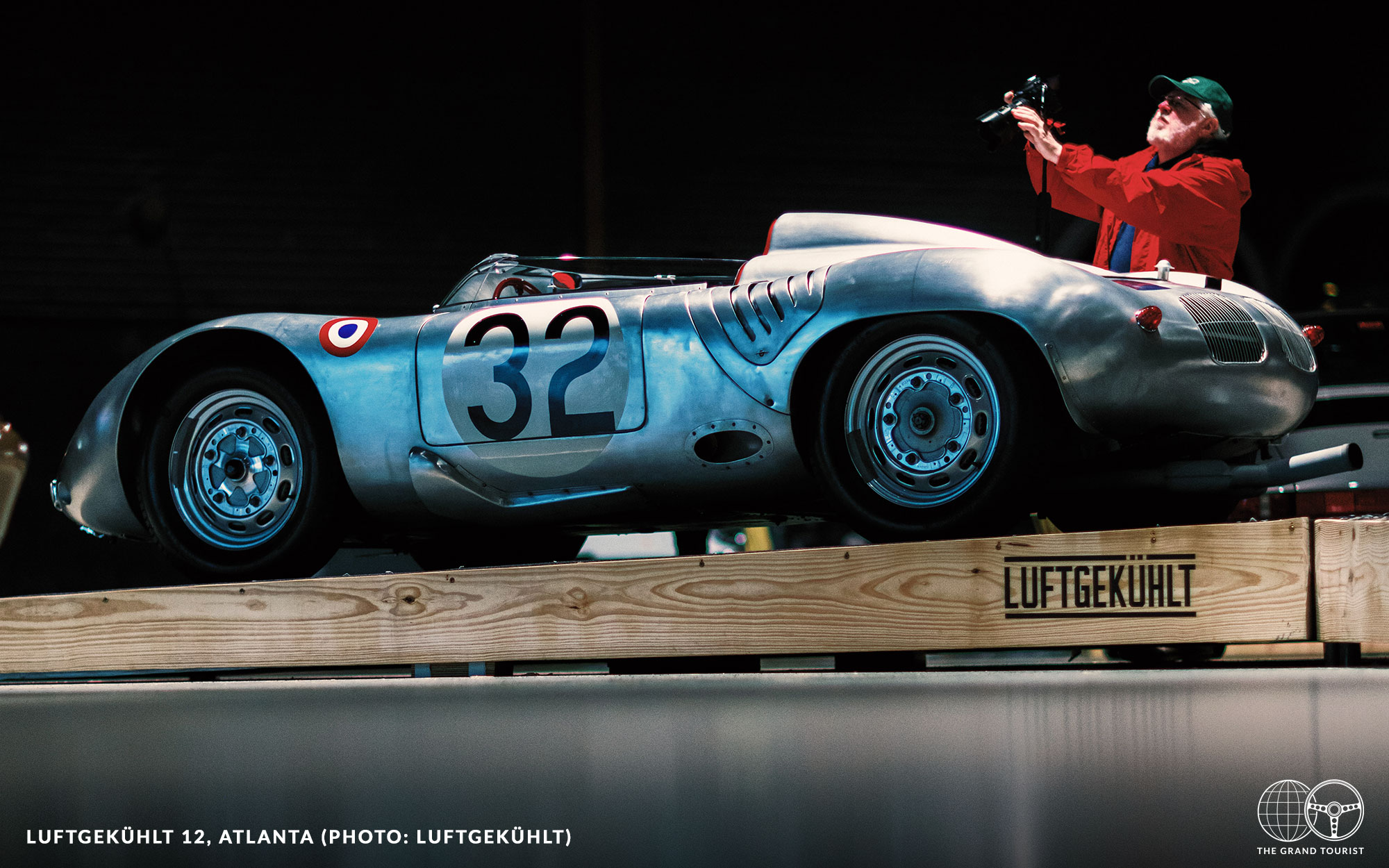
THE RACE BEHIND THE TARGA NAME
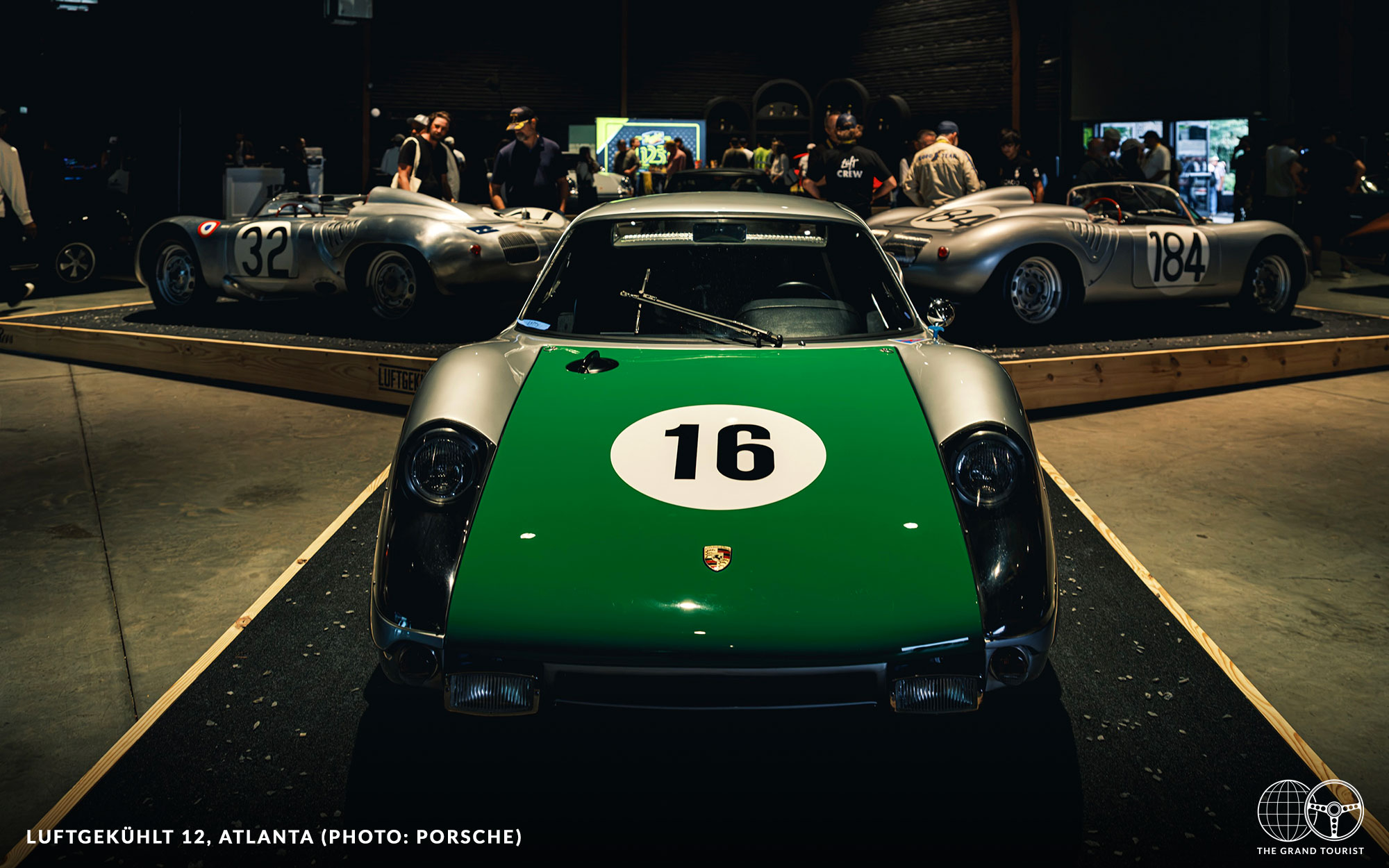
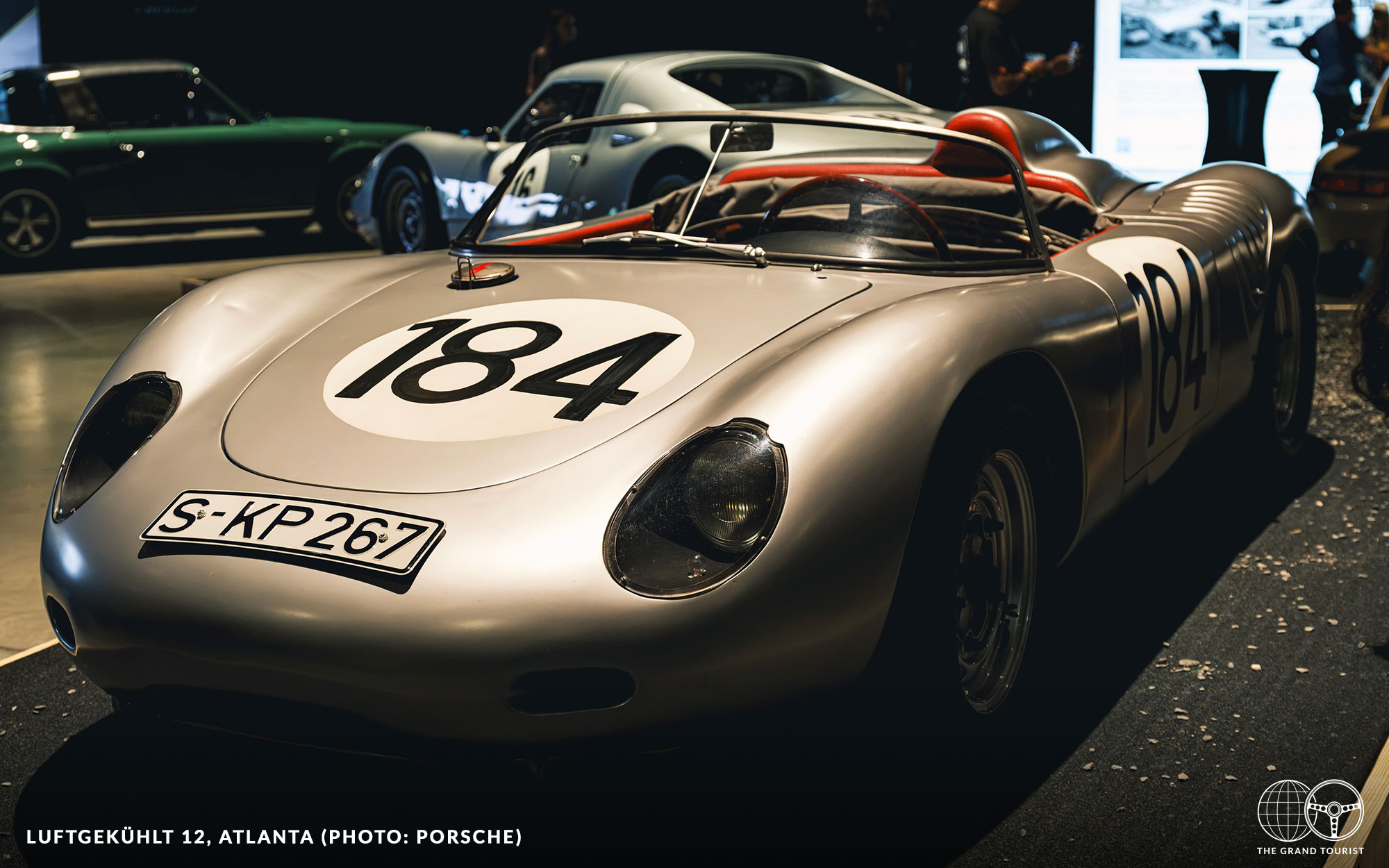
Another exhibition traced Porsche’s relationship with the Targa Florio. First held in Sicily in 1906, the event tested sports cars on demanding public roads, with terrain and corners far removed from the controlled environment of a modern purpose-built circuit.
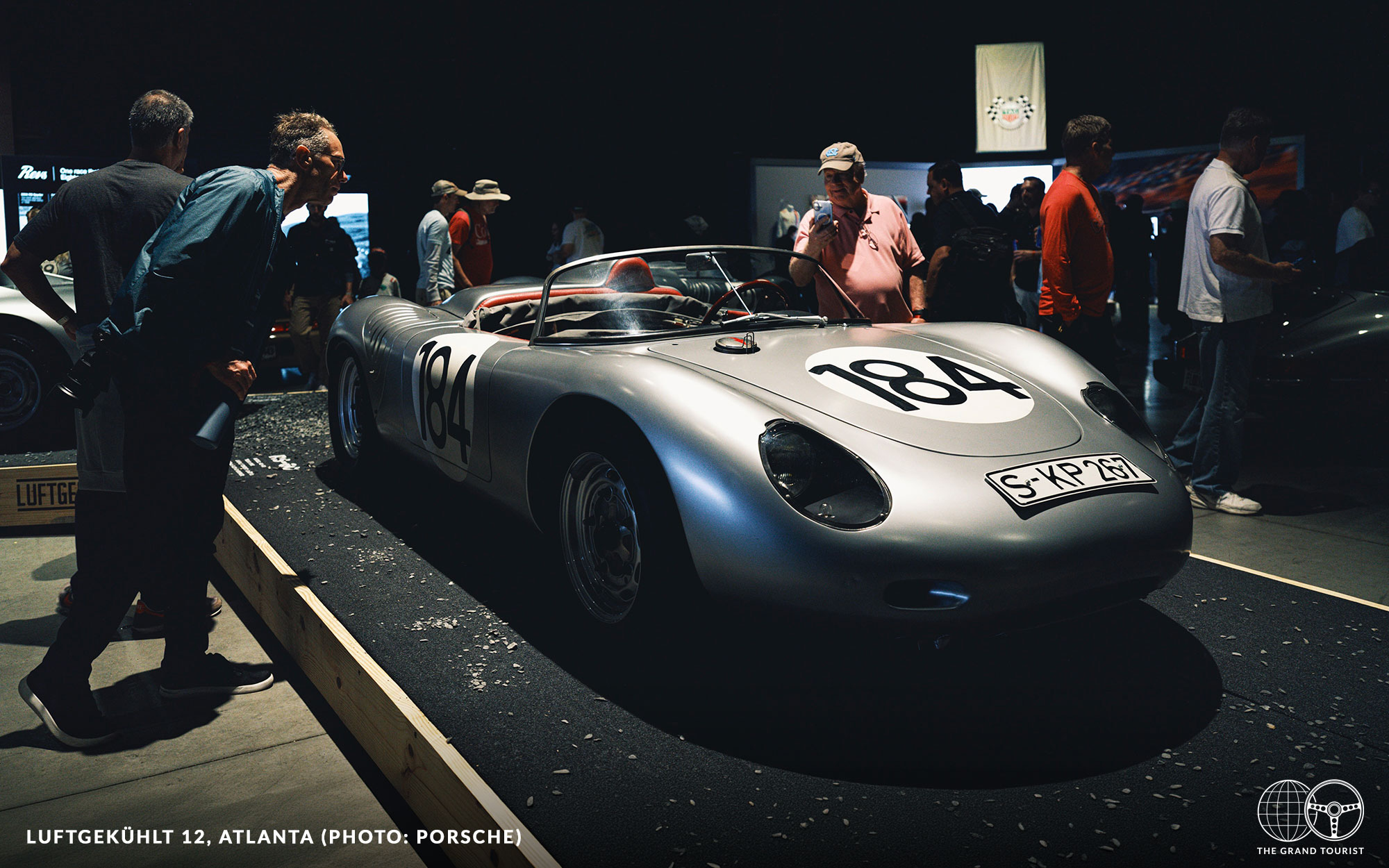
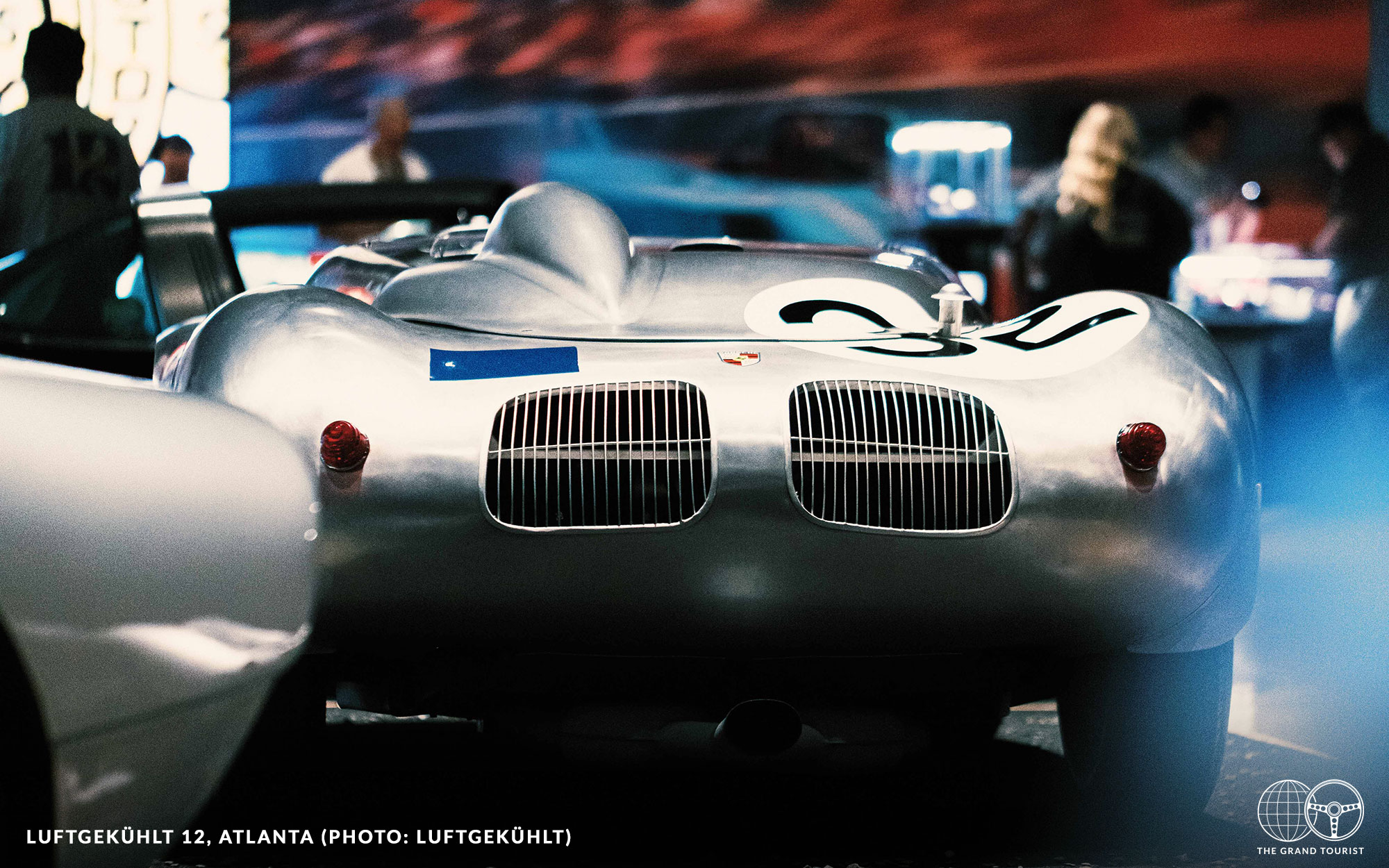
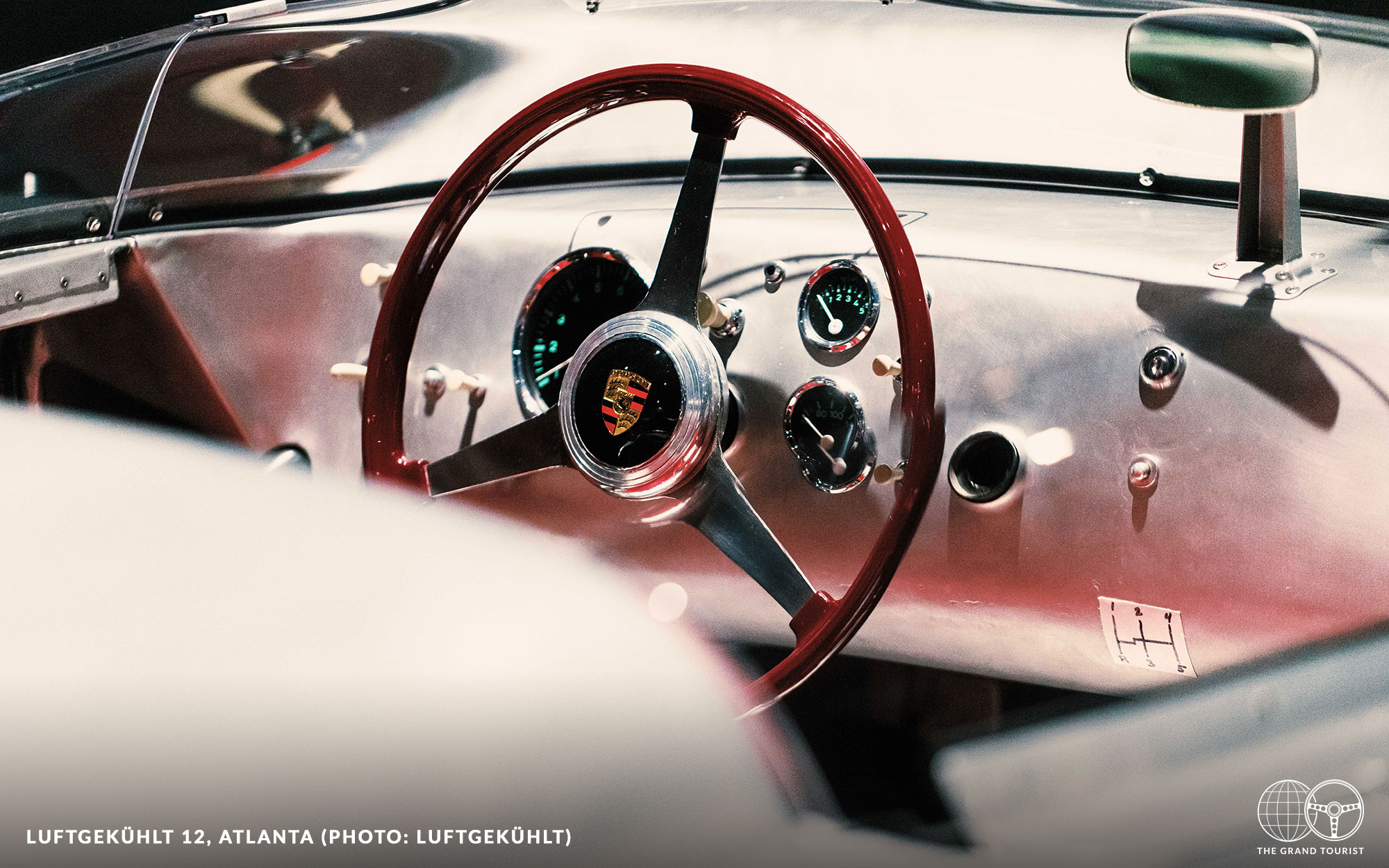
The 2026 gathering marked 120 years since the race’s beginning and 70 years since Porsche’s first overall victory. In 1956, Umberto Maglioli drove a Porsche 550 A Spyder to that win, beginning a record that would eventually include 11 overall victories for the manufacturer.
Four cars at Luft illustrated the engineering and uncertainty behind that history. A 1959 718 RSK represented a near miss: it led much of that year’s race and set the fastest lap before a suspension failure on the final lap. An RS 60 and a 904 Carrera GTS represented Porsche’s victories in 1960 and 1964. A 1971 908/3 completed the group, demonstrating the compact sports-racing design developed specifically for the Targa Florio and Nürburgring.
Porsche borrowed the race’s name for the 911 Targa, introduced in 1965 with an open roof and fixed roll bar. The design responded to concerns about convertible safety in the American market. A name now associated with a particular roof configuration began with a Sicilian road race.
Porsche on Film
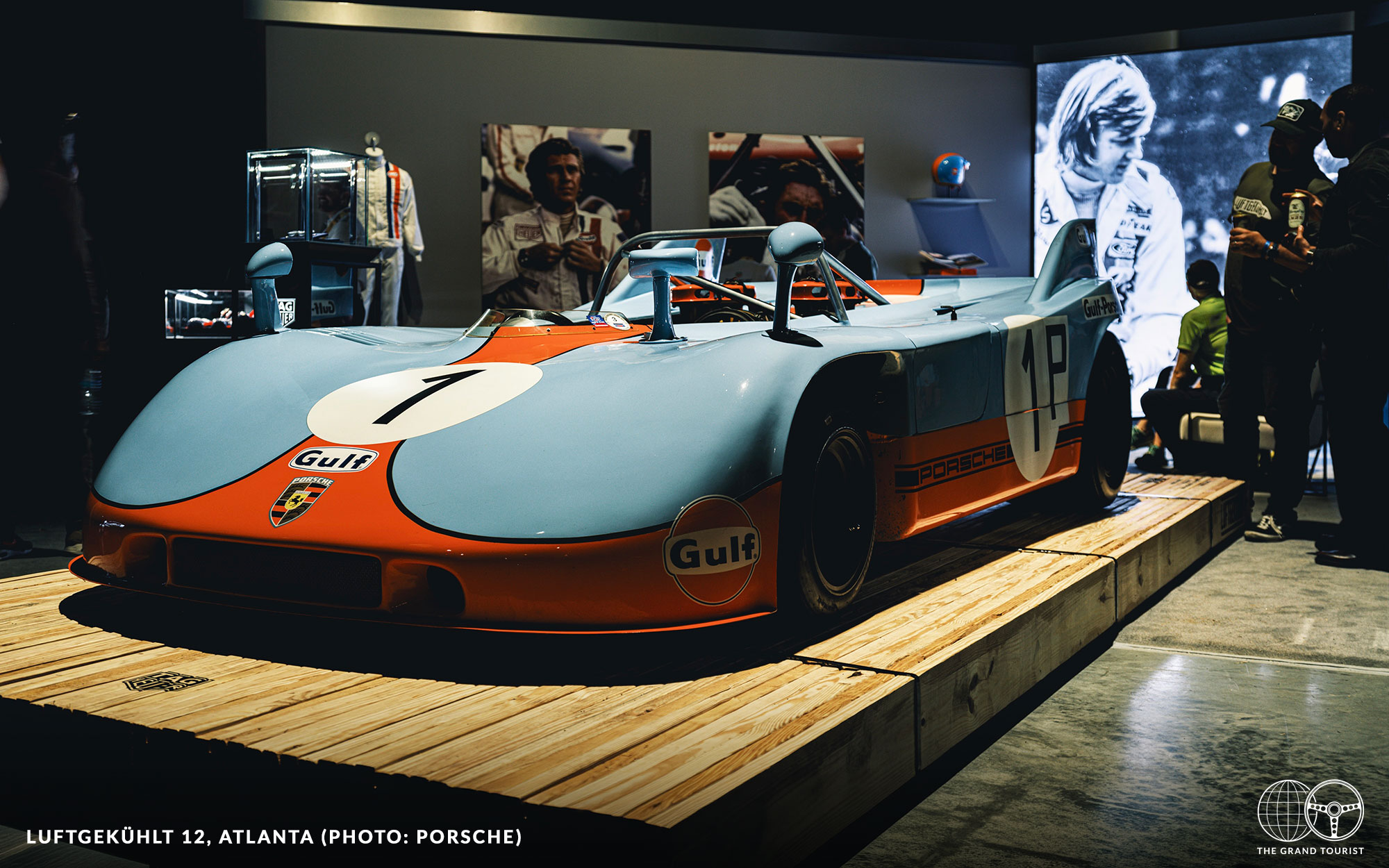
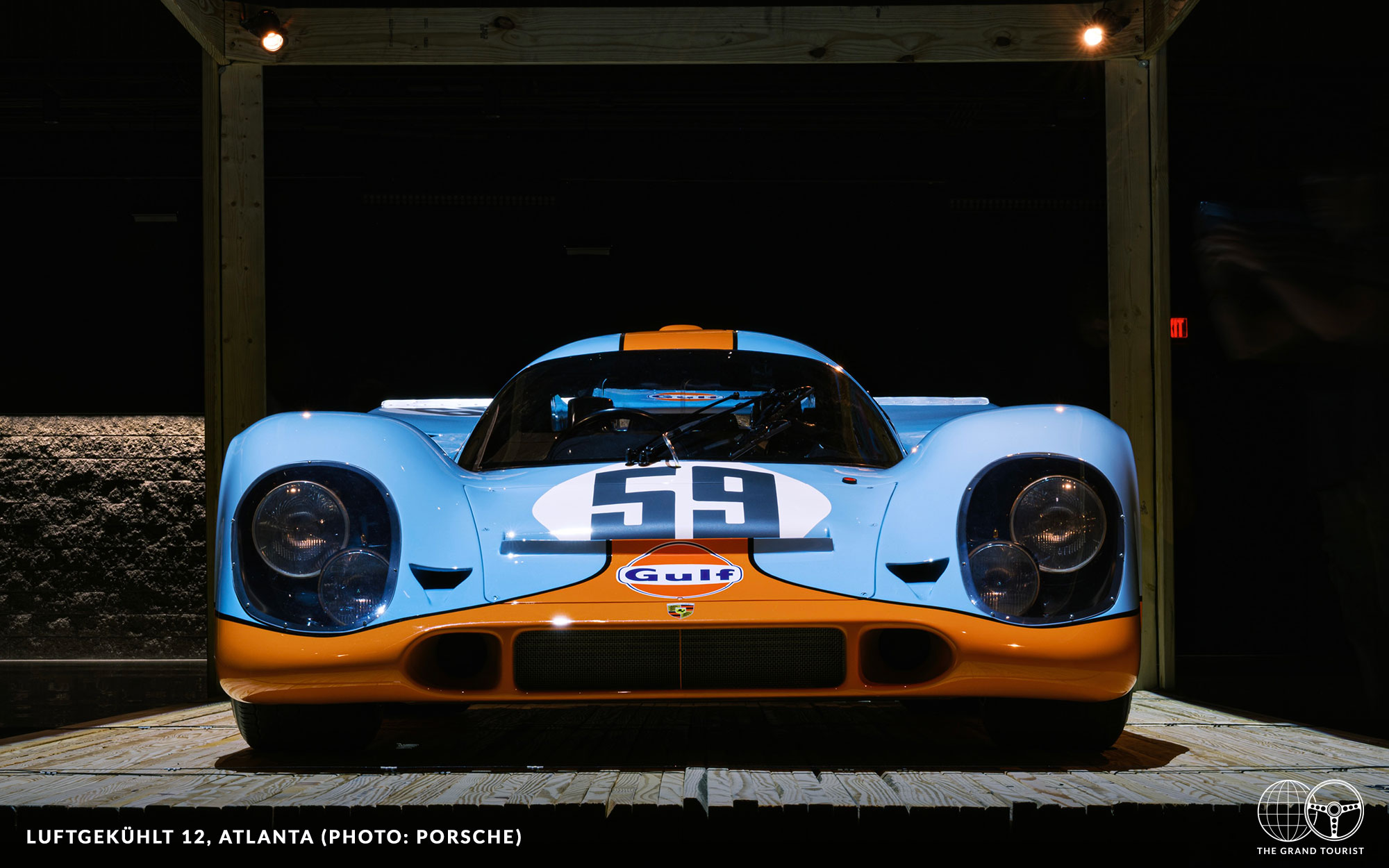
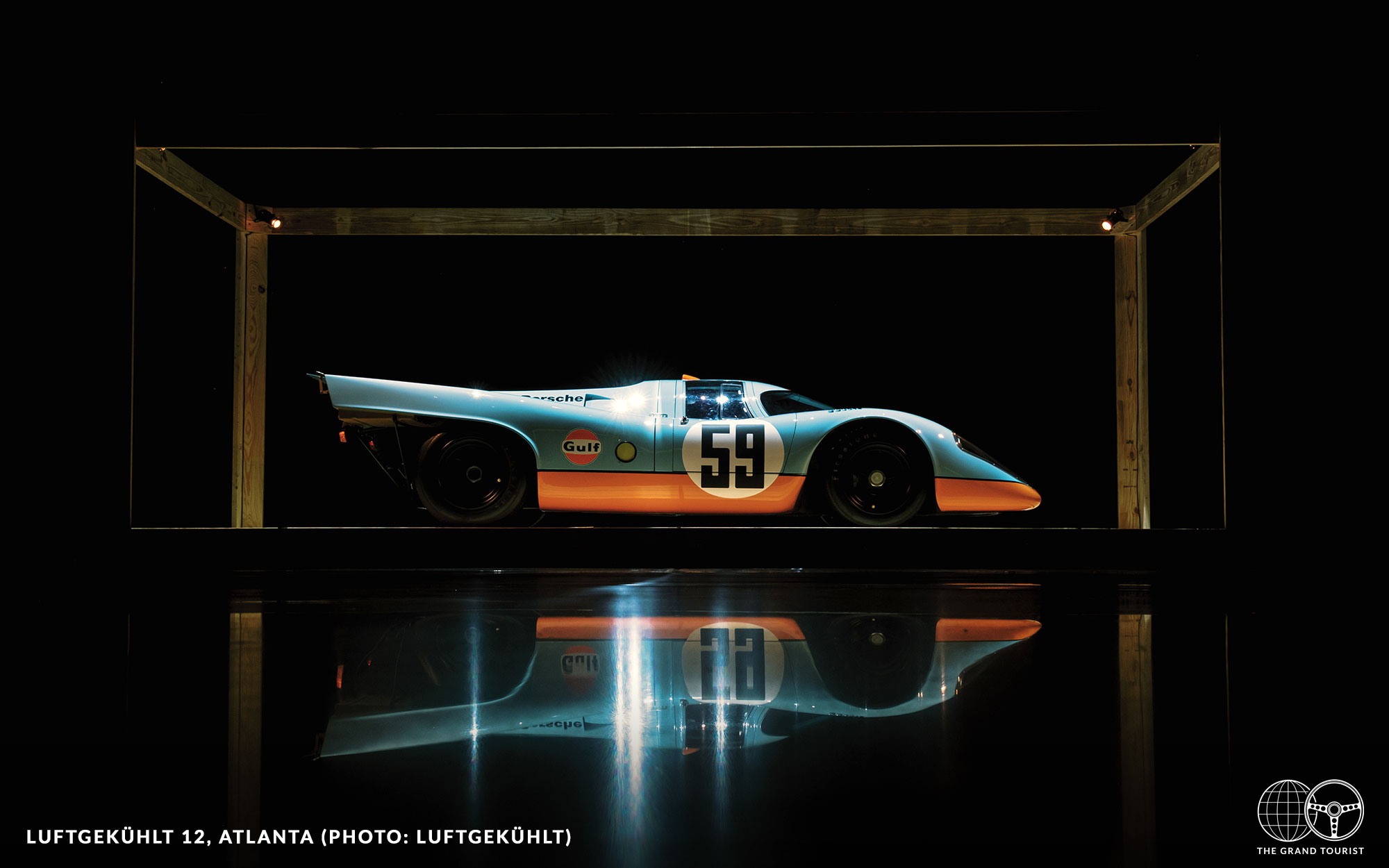
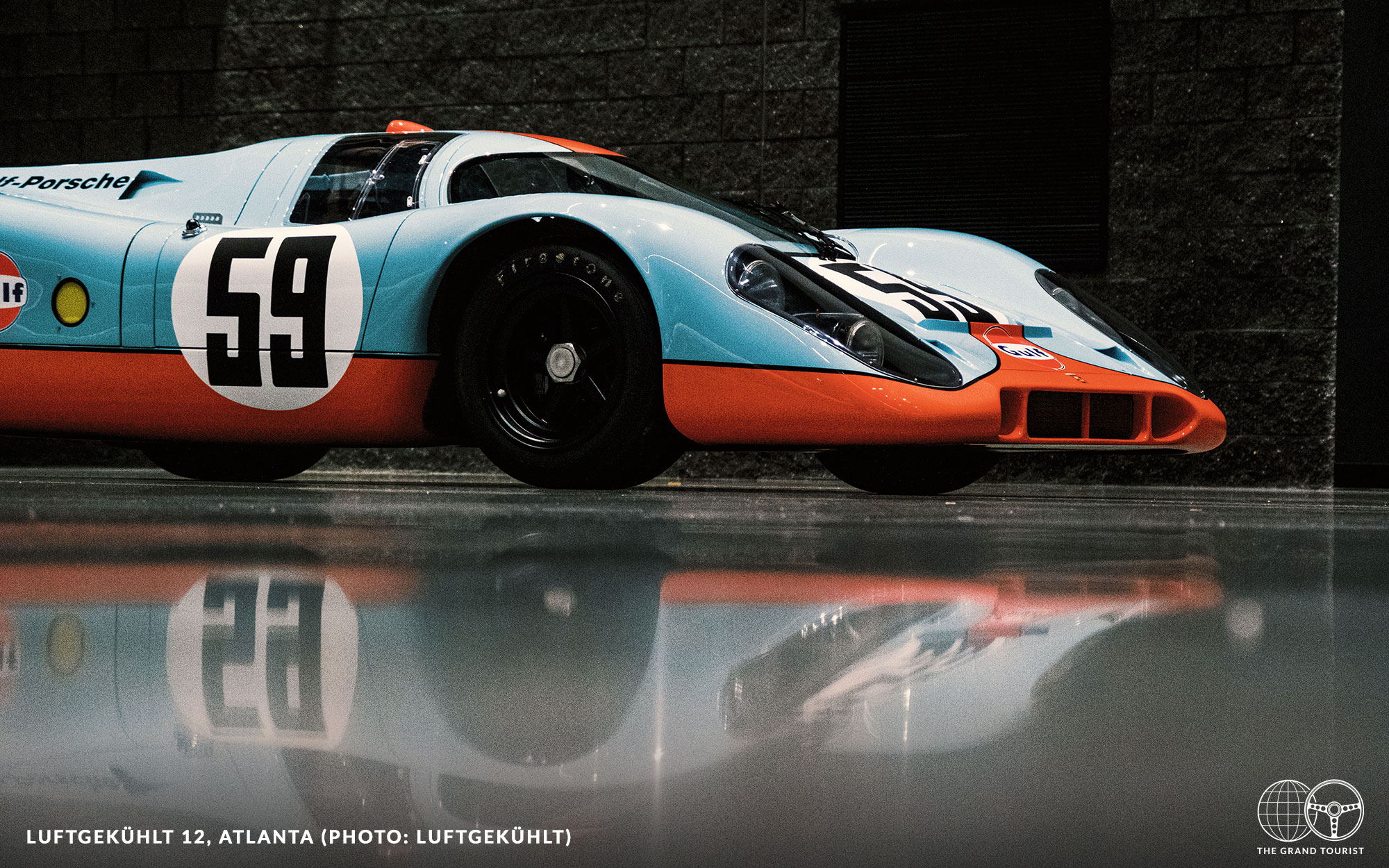
Inside Trilith Live, the connection between the venue and the cars became clear. The Brumos Collection presented a Gulf-liveried 1970 Porsche 917K associated with Steve McQueen’s film Le Mans.
Before its film appearance, Brian Redman had set the fastest time in the car at the 1970 Le Mans test. Driver Jo Siffert subsequently owned it and leased it for the production. Its presence at Luft linked a competition history with the movie that brought endurance racing to a much wider audience.
The pale blue and orange Gulf colors offered an immediately recognizable point of entry. Visitors did not need to know the car’s chassis history to appreciate its appearance, while the story behind it rewarded a closer look. In a setting associated with film production, the 917K also provided a direct connection between the machinery on display and the work of putting cars on screen.
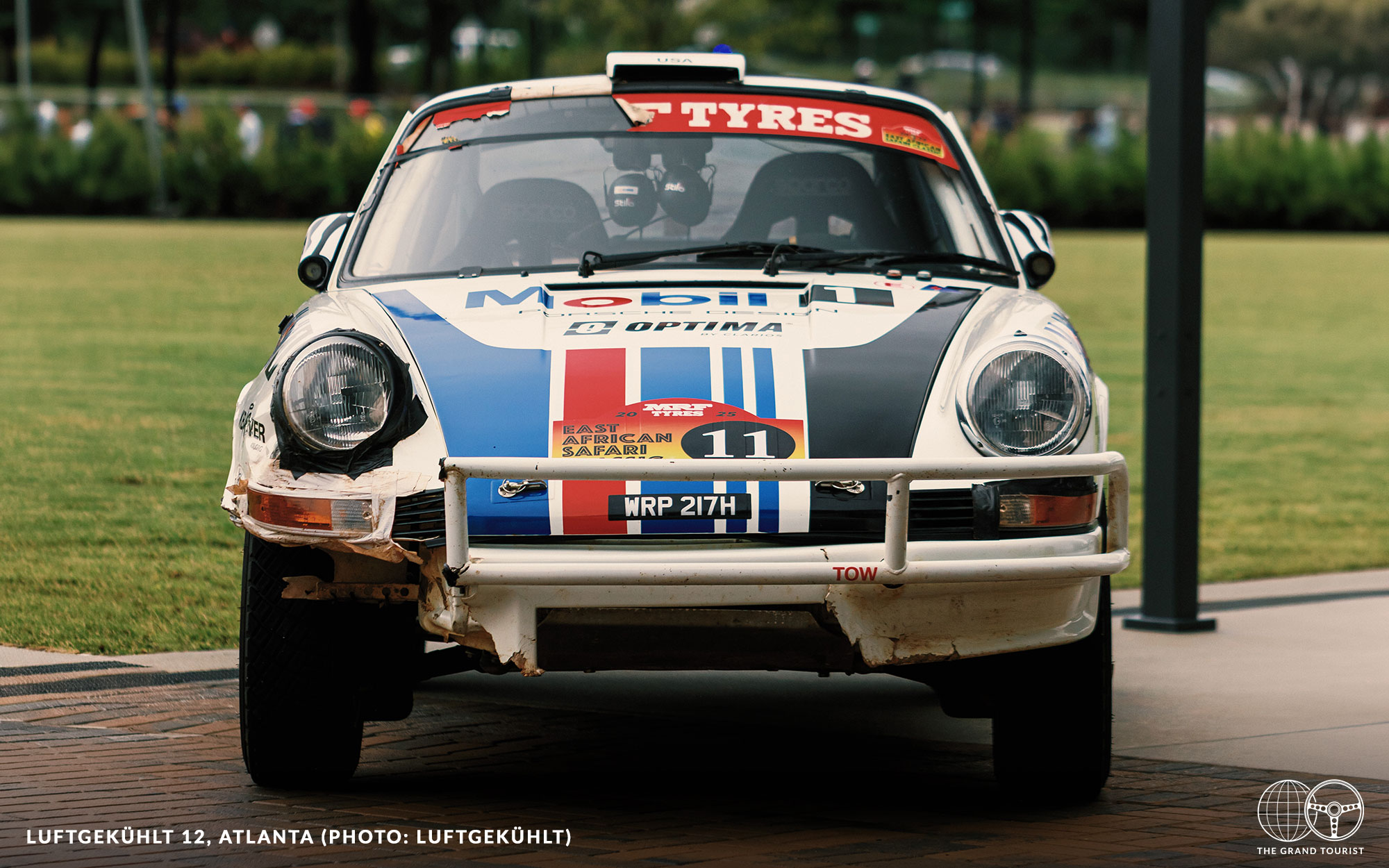
Luft Cinema expanded that approach with its first public programming. Screenings included the public premiere of a Mobil 1 feature-length film following Zwart’s experience competing in the East African Safari Rally in an air-cooled 911, alongside films from Type 7 and Hagerty.
STORIES OWNERS BRING
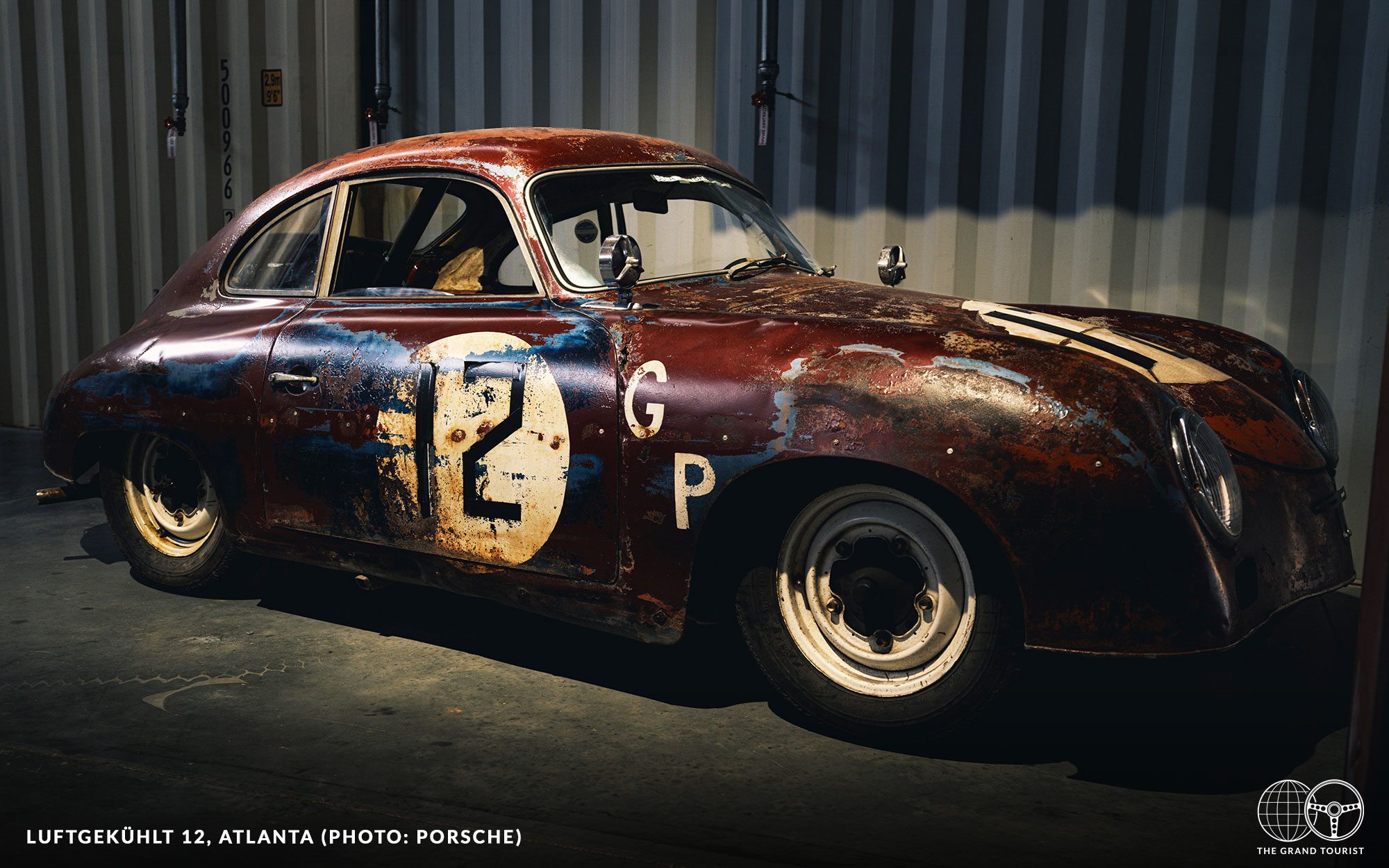
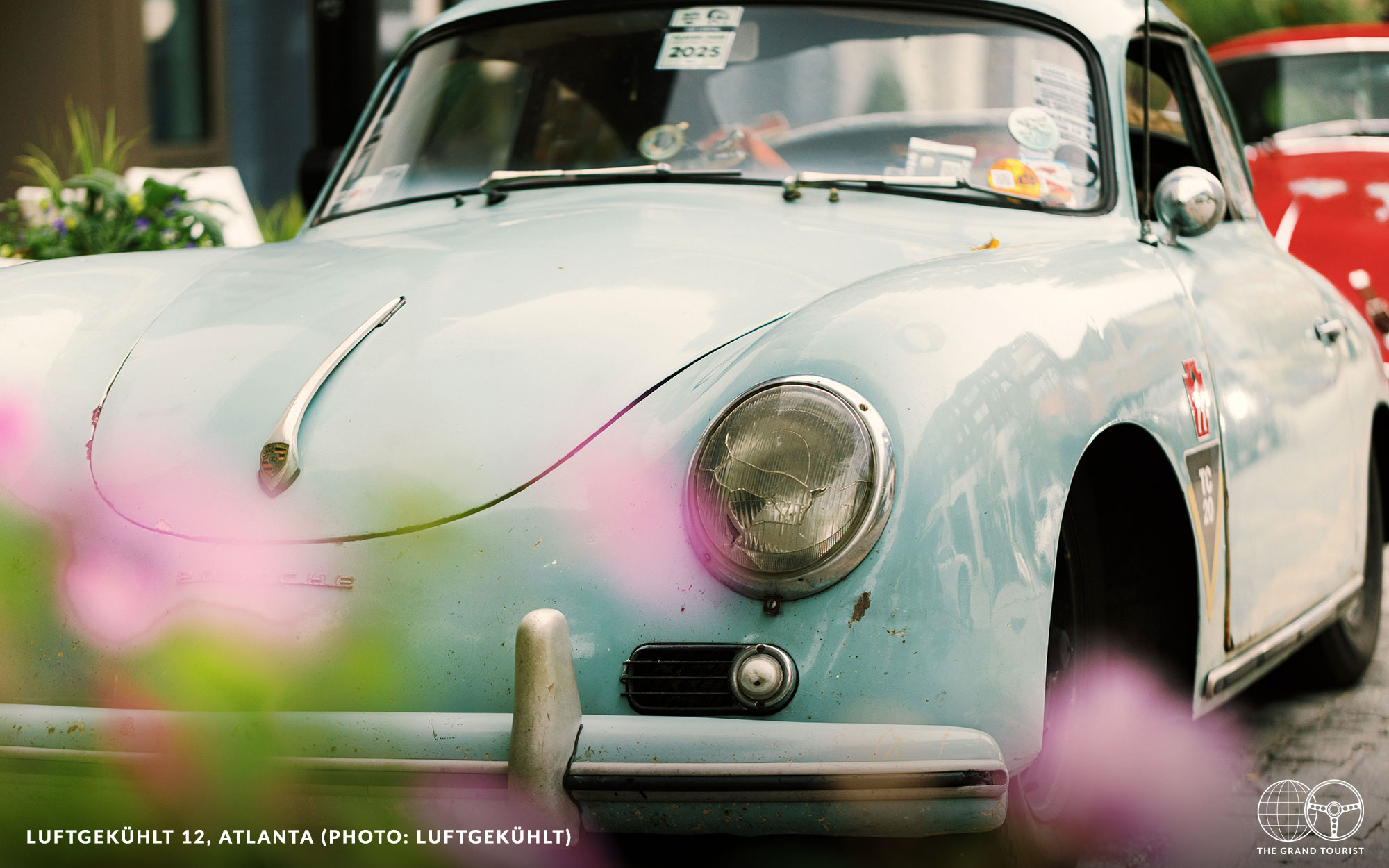
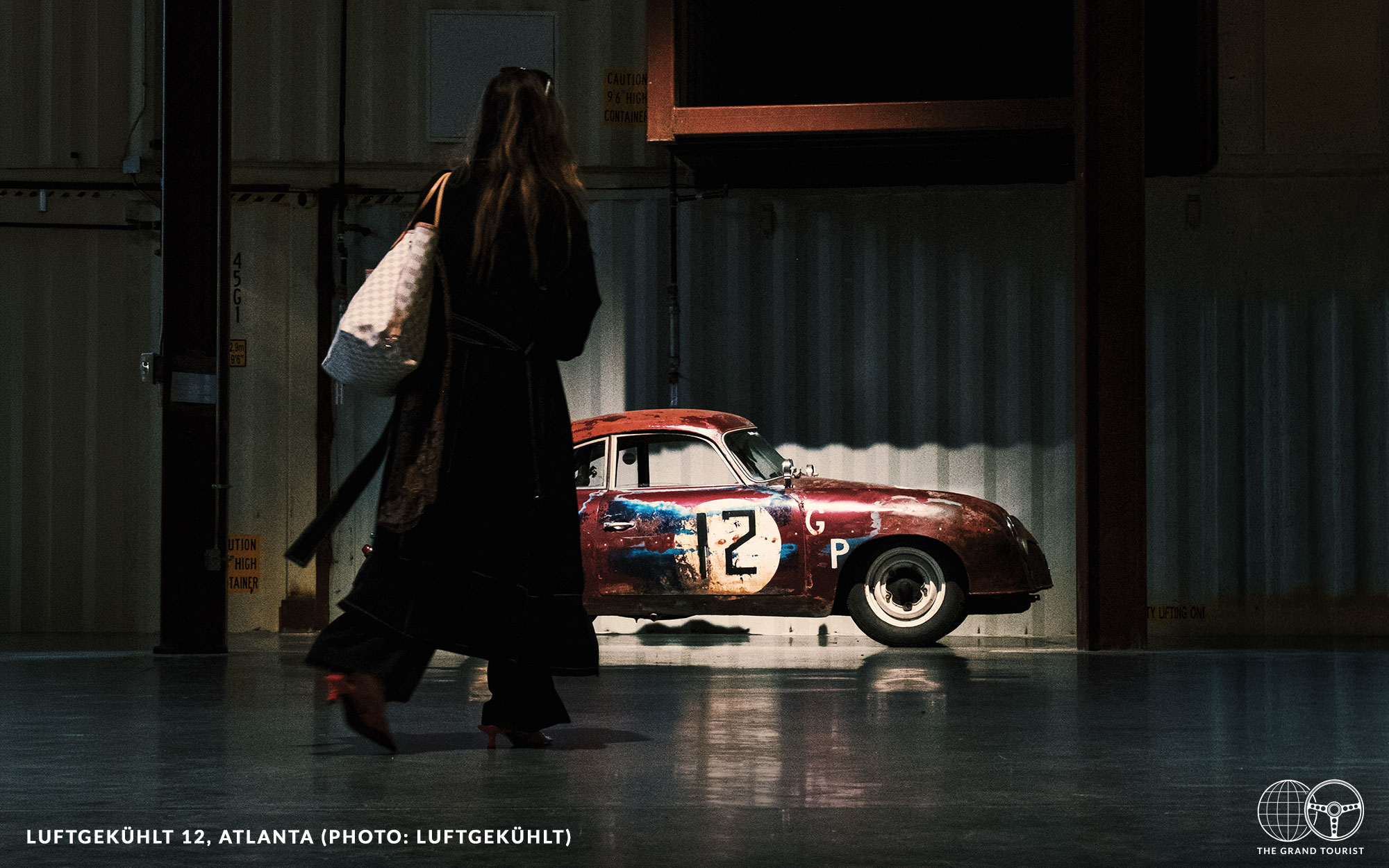
One of Luft 12’s most accessible stories concerned a 1957 Porsche 356 A Outlaw. In Porsche circles, “Outlaw” generally describes a car modified to reflect its owner’s preferences rather than restored strictly to factory specification.
This example began as a severely rusted car found beneath rubble in a North Carolina general store’s basement. Its owner salvaged the roof and joined it to a better shell, but ill health eventually led him to sell the unfinished project in 2004.
Twenty years later, it resurfaced for sale less than four kilometres from his home, with his handwriting still visible on boxes of parts. At Luft 12, it appeared restored while retaining its aged character.
That history is understandable across marques. Many enthusiasts are familiar with the idea of a stalled project build, the car that got away or a project whose meaning exceeds its market value. Including such a car alongside legendary race cars brings the breadth of Luft’s selection and the importance on history clearly into focus.
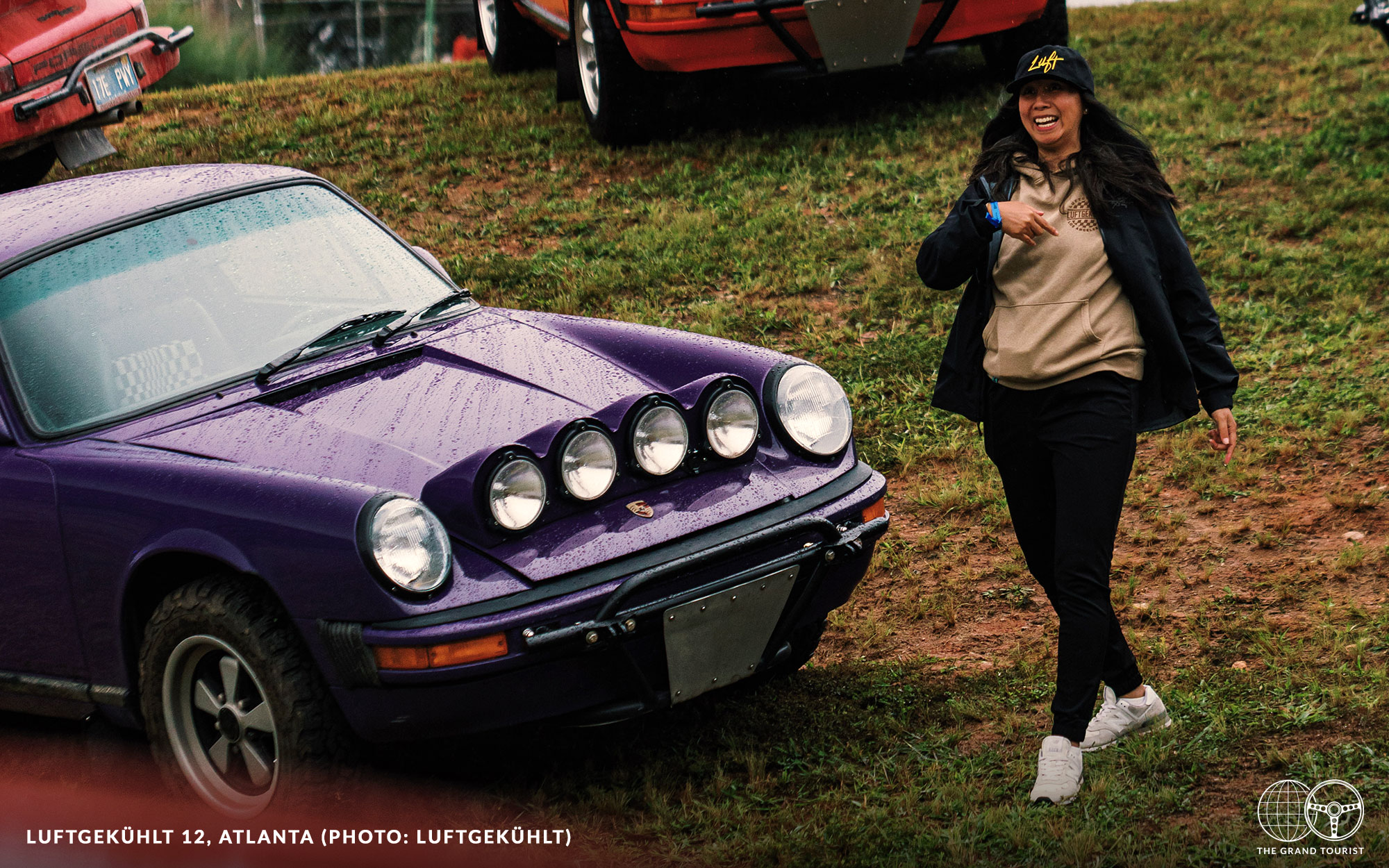
The gathering also included rally-inspired 911s from the Keen Project, founded by American racing driver Leh Keen. His cars draw on Porsche’s rally history, his racing experience and his upbringing driving in Georgia. Their raised stance and purposeful modifications show another direction owners have taken with the familiar 911 shape.
Preservation, restoration and modification all had a place in the event.
REASON TO TRAVEL
Luft 12’s attendance suggests that many visitors already consider the gathering worth building a trip around. Its changing locations give returning attendees a new destination to explore, while the selection of cars provides reasons to return beyond seeing familiar models again.
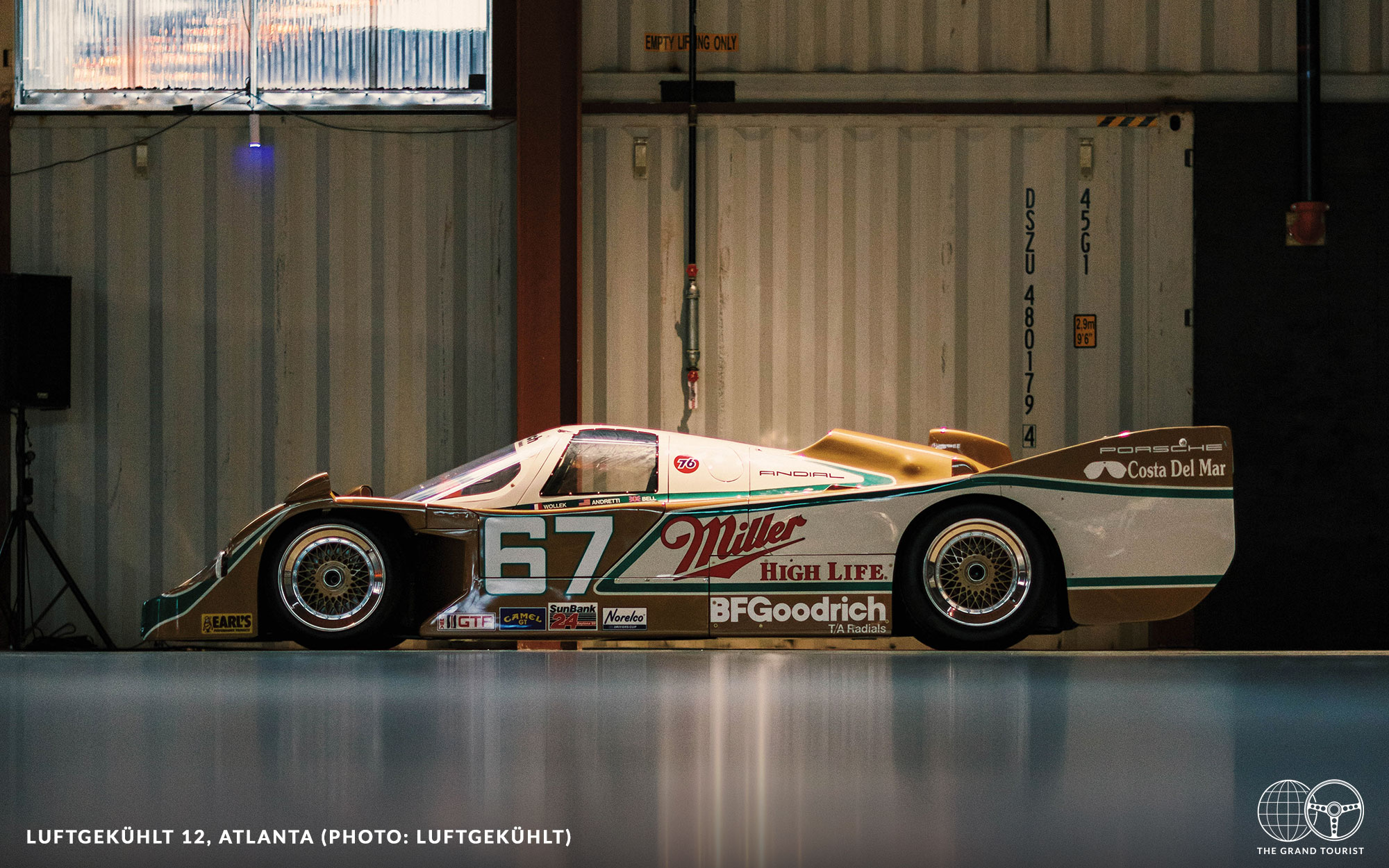
For enthusiasts who aren’t fully immersed Porschephiles, the attraction is the opportunity to see significant machinery with enough context to understand the P car passion. Racing anniversaries supplied history, the film program connected cars with popular culture and owner stories brought the subject back to experiences shared across the hobby.
The next Luftgekühlt is scheduled for October 2, 2027. Its sister event, Air|Water, is scheduled to return to Costa Mesa, California, on April 24, 2027, bringing air-cooled and water-cooled Porsches together with expanded event offerings and an exhibitor hall trade show.
EVENT INFORMATION
Dates: Luft 12 took place October 10, 2026. Luft 13 is scheduled for October 2, 2027.
Hours: Luft 12’s opening was delayed because of severe-weather warnings. Hours for Luft 13 were not included in the supplied announcement.
Location: Luft 12 took place at the Town at Trilith and Trilith Live in the Atlanta area, Georgia, United States. The supplied announcement does not specify a location for Luft 13.
Tickets: Ticket prices and sales dates for Luft 13 were not included in the supplied announcement. Follow the organizer for release information.
Access: Visitors can attend without displaying a car. Display vehicles are selected through an application process requiring a description, history and photographs. Check future event information for parking, accessibility and arrival arrangements.
Related Event: Air|Water, April 24, 2027, Costa Mesa, California, United States.
Additional Information: Luftgekühlt | Air|Water
PHOTO GALLERY