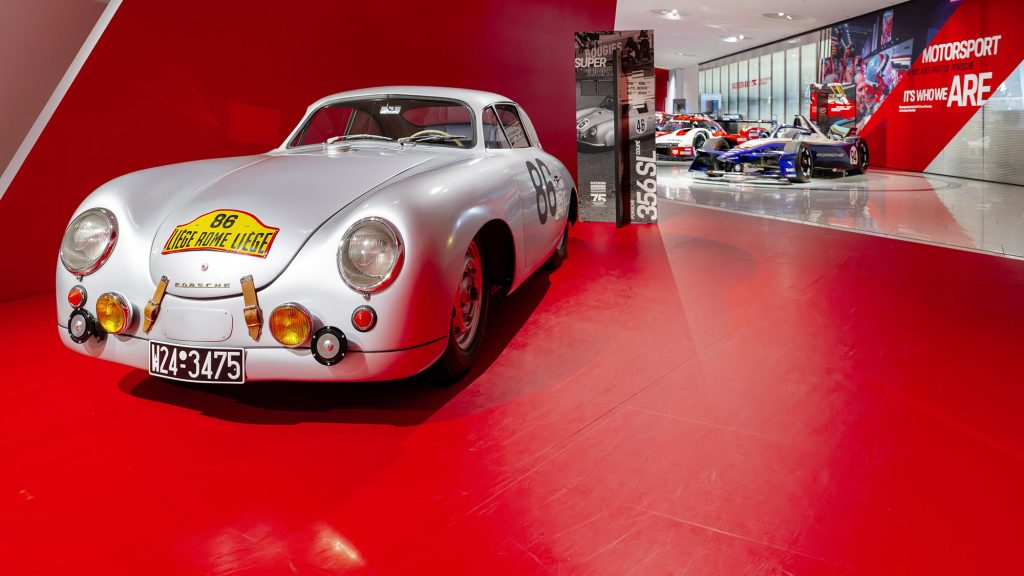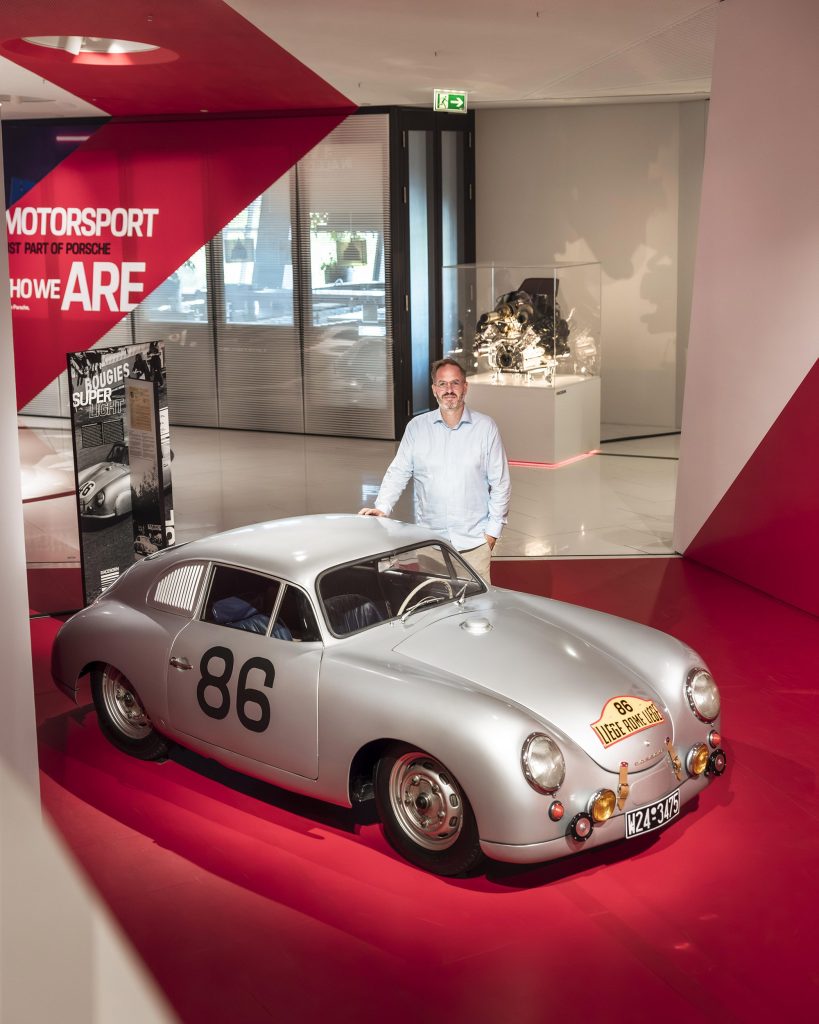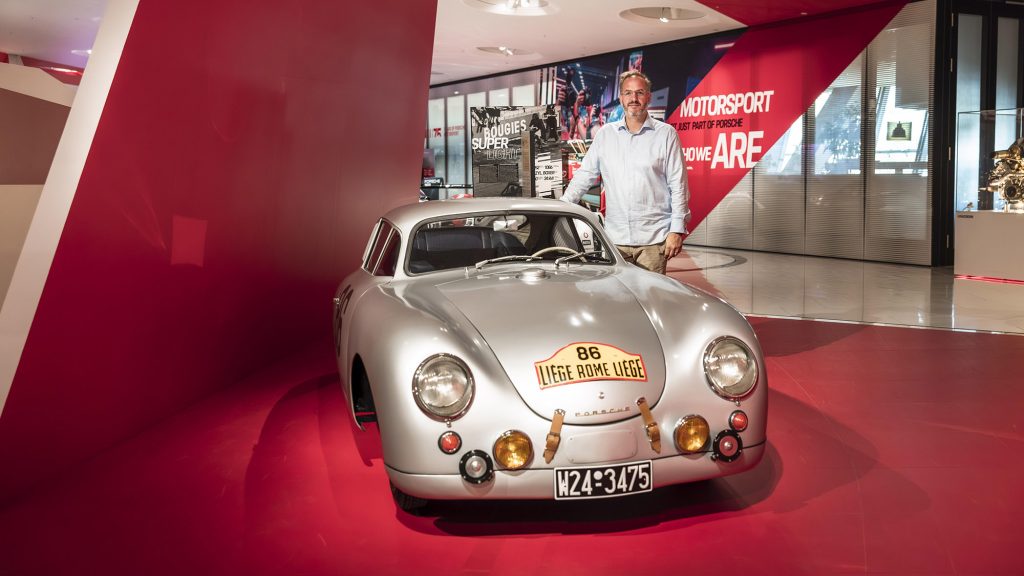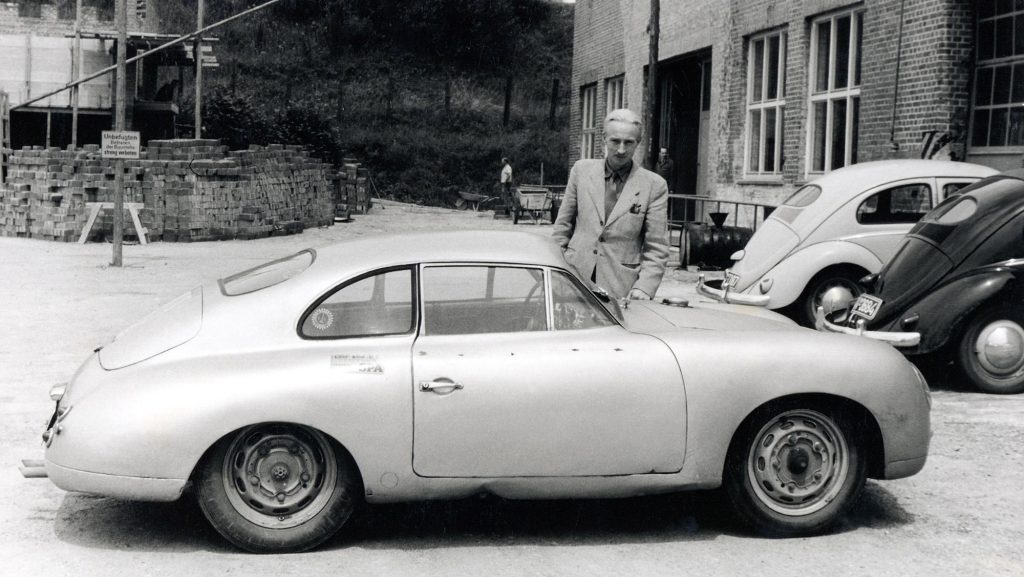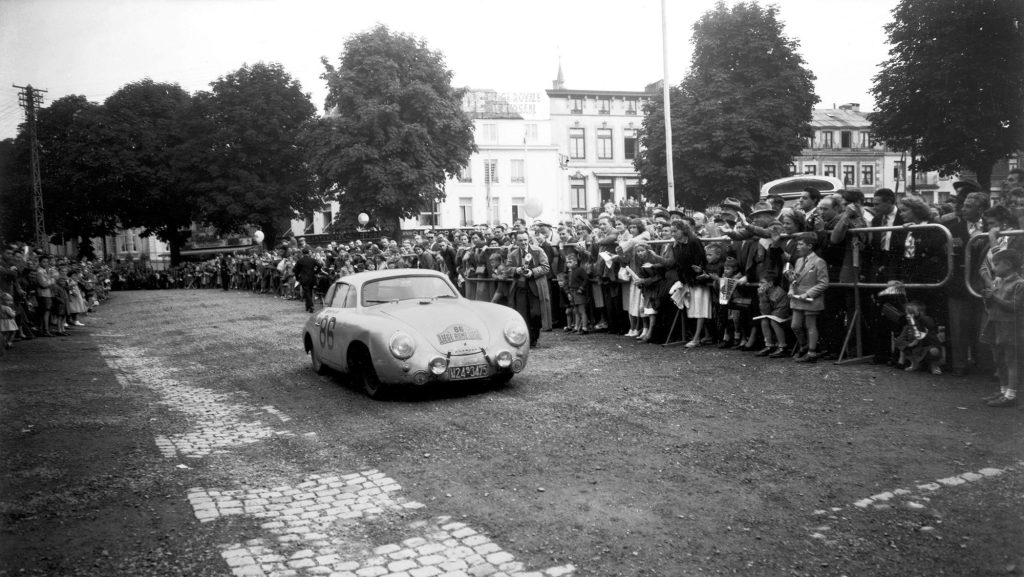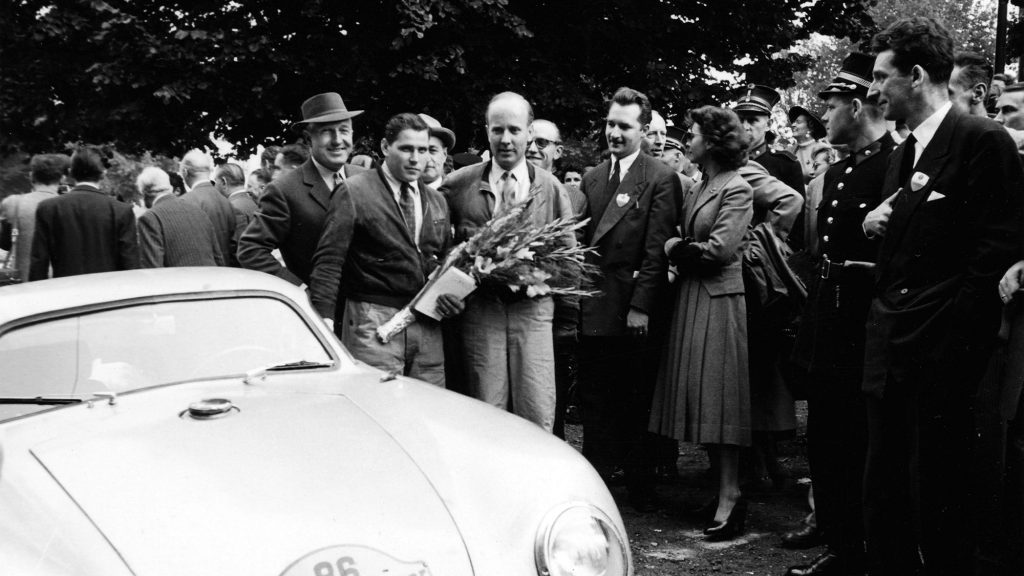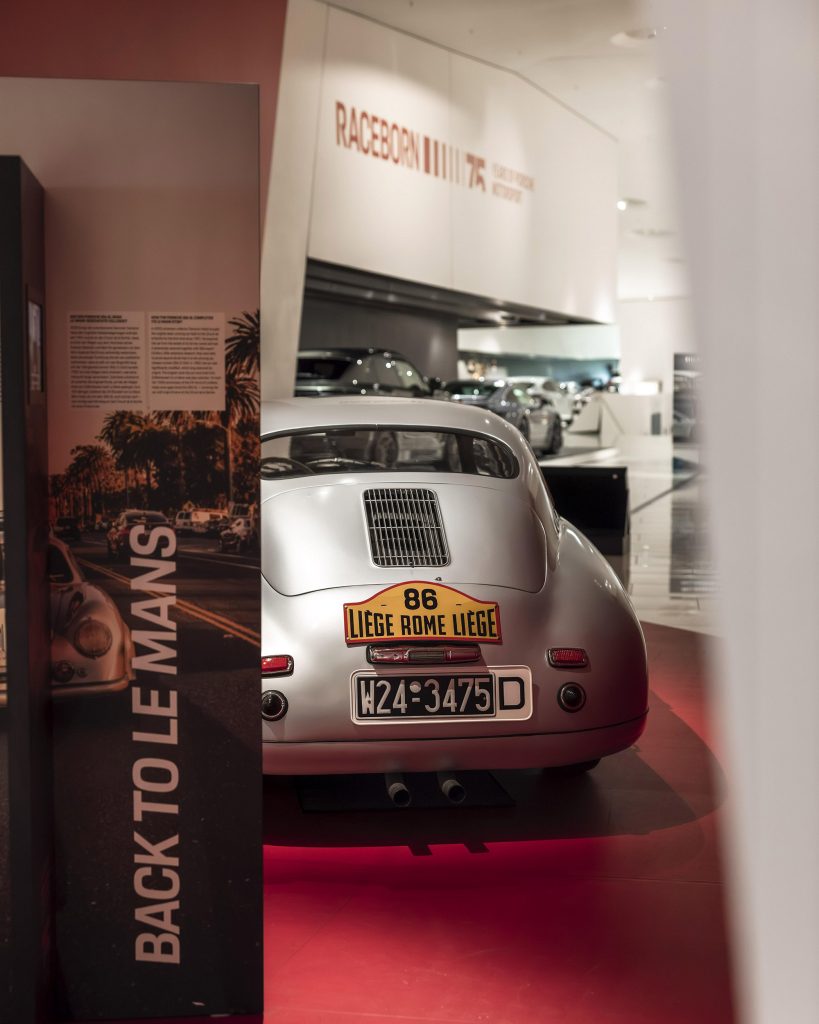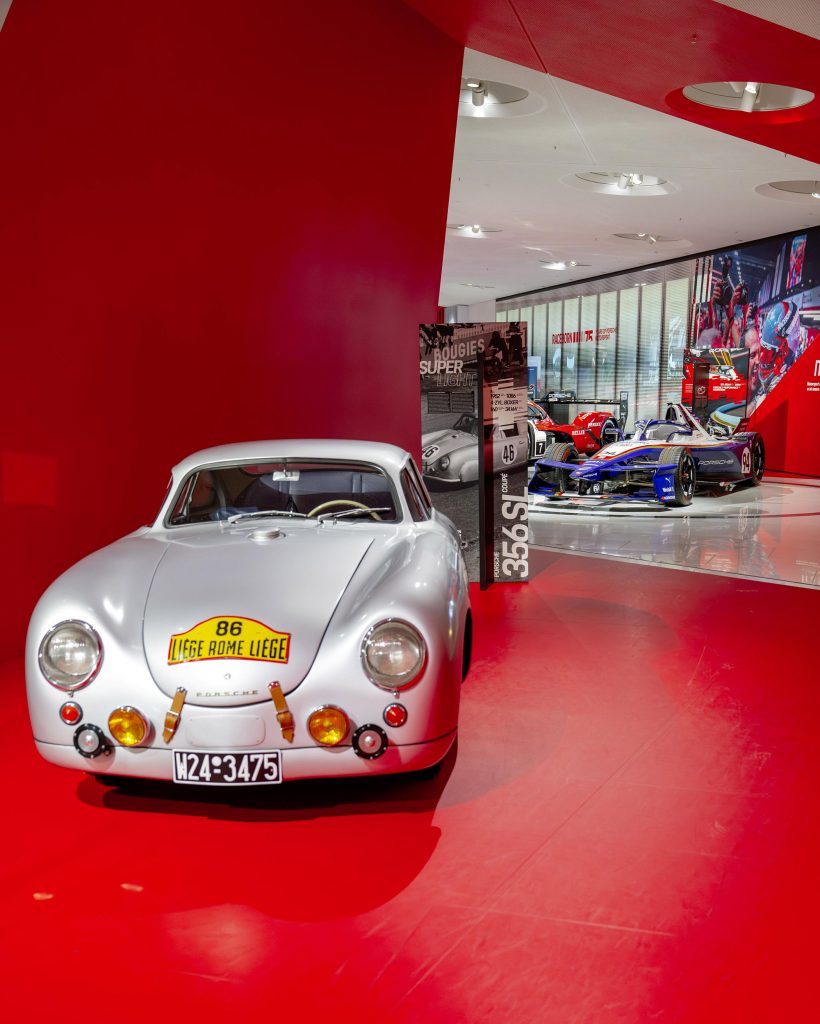

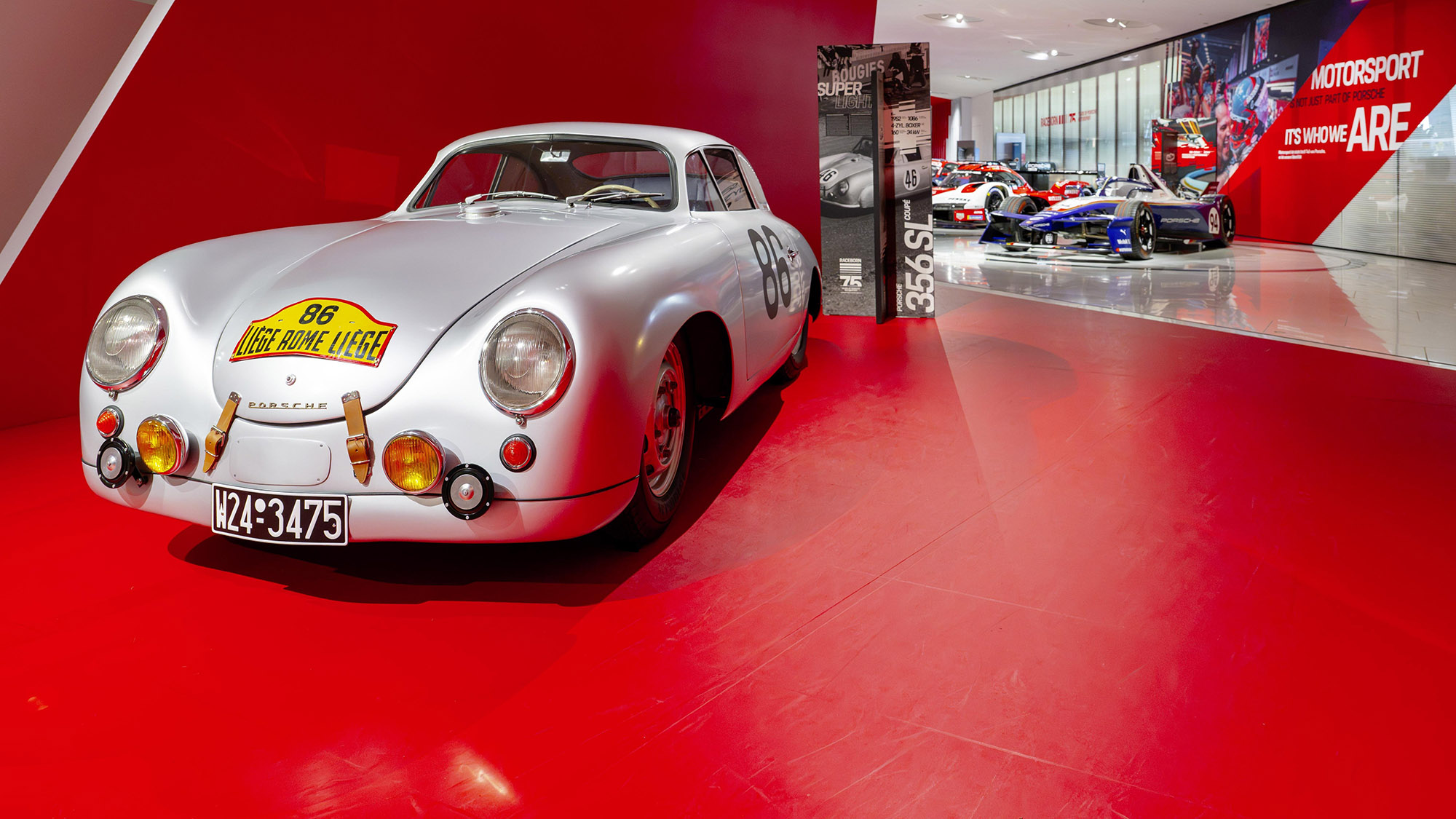

Porsche Heritage and Museum has released a new episode of Raceborn Moments examining the history of a 1952 Porsche 356 SL in its company collection. Available on Porsche’s YouTube channel, the film follows the archival research used to establish the identity and competition history of a car that has remained with the manufacturer since it was built.
The 356 SL holds an important place in Porsche history. In 1951, the model earned the marque’s first class victory at Le Mans, beginning its record in factory-supported motorsport. The car investigated in the film is a later, 1952 example, one of nine 356 SLs built across those two years.
For readers interested in the work behind museum collections, the episode offers a look at how historians connect surviving cars with photographs, engineering notes and race records. Even continuous ownership does not necessarily leave a complete account of a vehicle’s early life.
Tracing the Aluminum Bodies
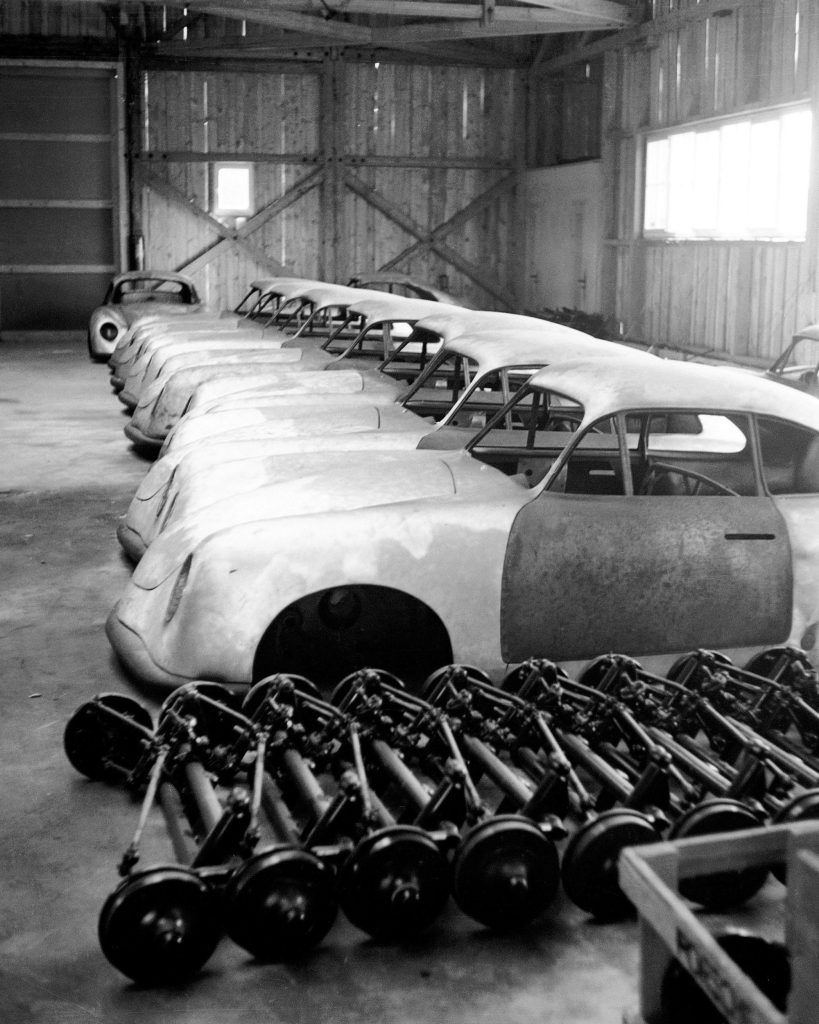
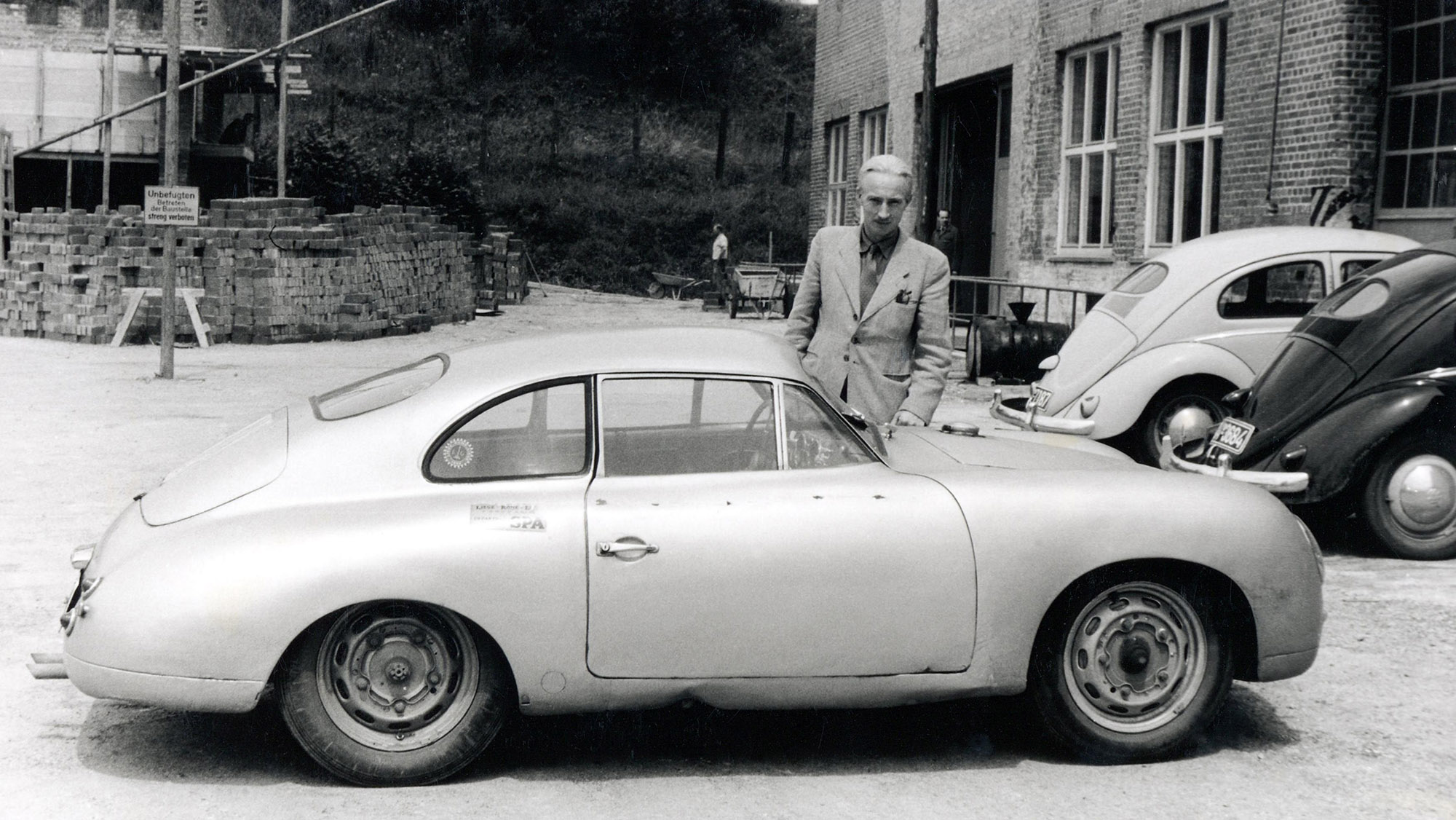
The story begins in 1950, when Racing Director Paul von Guilleaume proposed an international racing entry to Ferry Porsche. With production only recently established in Stuttgart and the first cars already allocated to dealers, Porsche turned to aluminum bodies left from its earlier manufacturing period in Gmünd, Austria.
Some of those bodies had been manufactured by Tatra in Vienna. They were subsequently converted and modified in Stuttgart for competition use, and their original body numbers now provide important clues for researchers.
Internal records refer to the undertaking as Project “514.” Although that designation originally identified an engine type, it also appears in documents relating to the wider program.
Porsche built five 356 SLs in 1951 and another four in 1952. One of the latter cars stayed with the company, serving in racing and testing for several years before becoming part of its historical collection.
How the Archive Reconstructs a Car’s History
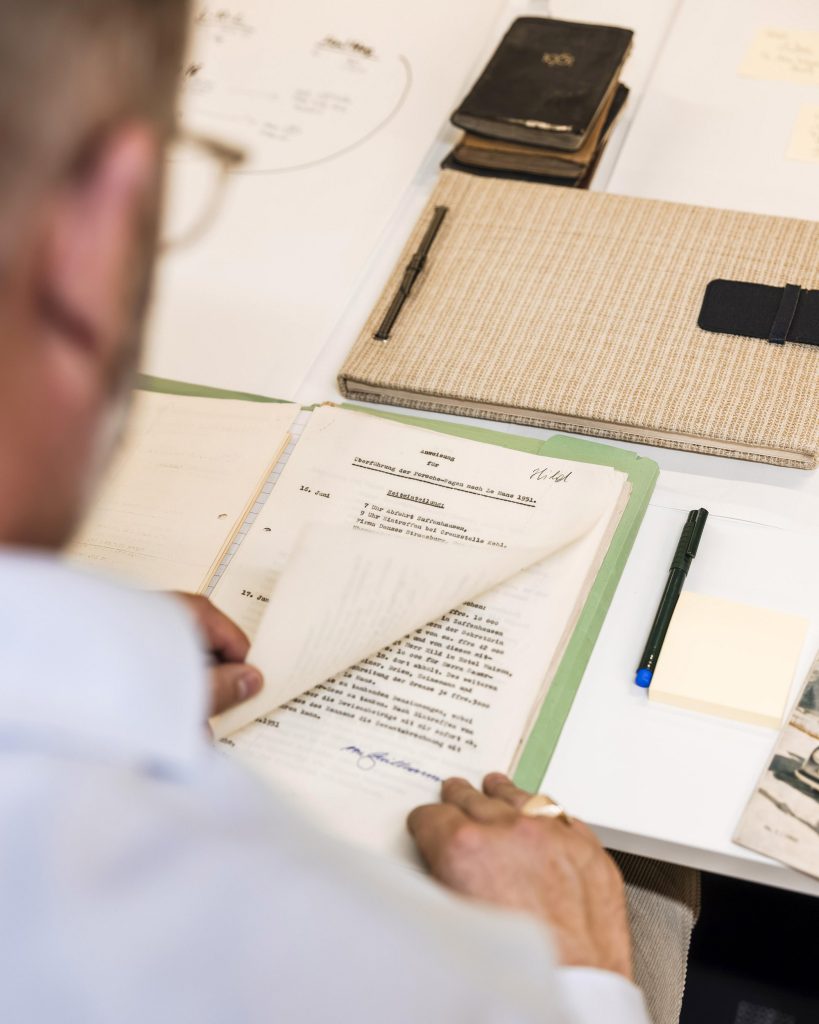
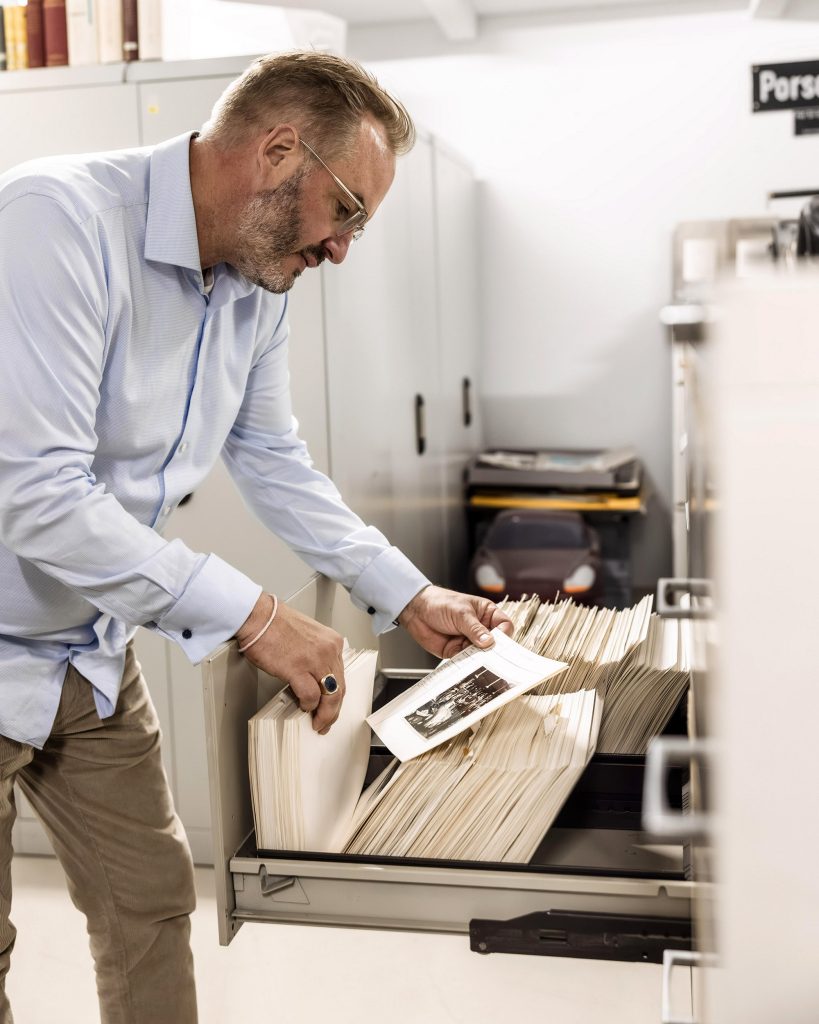
Establishing the identity of that surviving car required researchers to examine the other 356 SLs as well. The documents use several numbering systems, including chassis numbers and the body numbers assigned during production in Vienna. Following those references across different records helps distinguish individual cars.
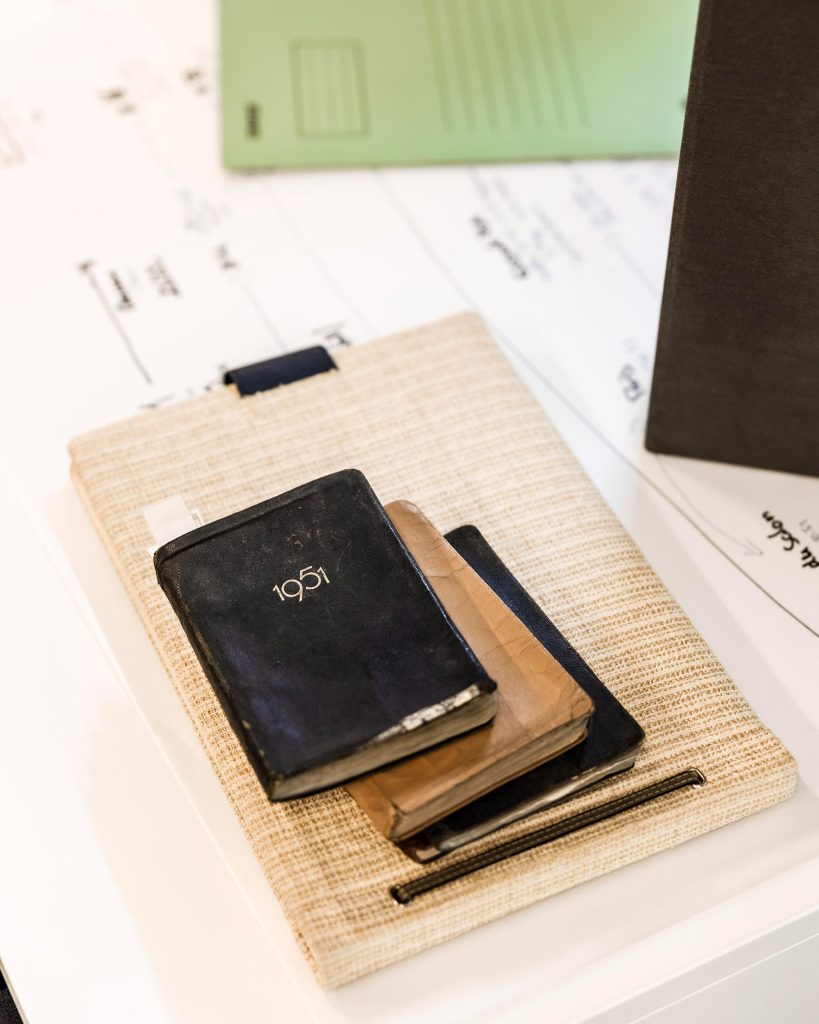
The investigation draws on notebooks kept by racing engineer Wilhelm Hild, financial records documenting the remaining aluminum bodies, motorsport registration papers and notes from early Porsche engineer Karl Rabe. Historic photographs, existing literature, external specialists and privately held material provide further evidence.
“If we want to understand the story of this particular 356 SL, we need not only to examine its documented technical characteristics and specific racing appearances, but also to understand the history of the other cars,” explains Frank Jung, Head of Corporate Archive and Collections.
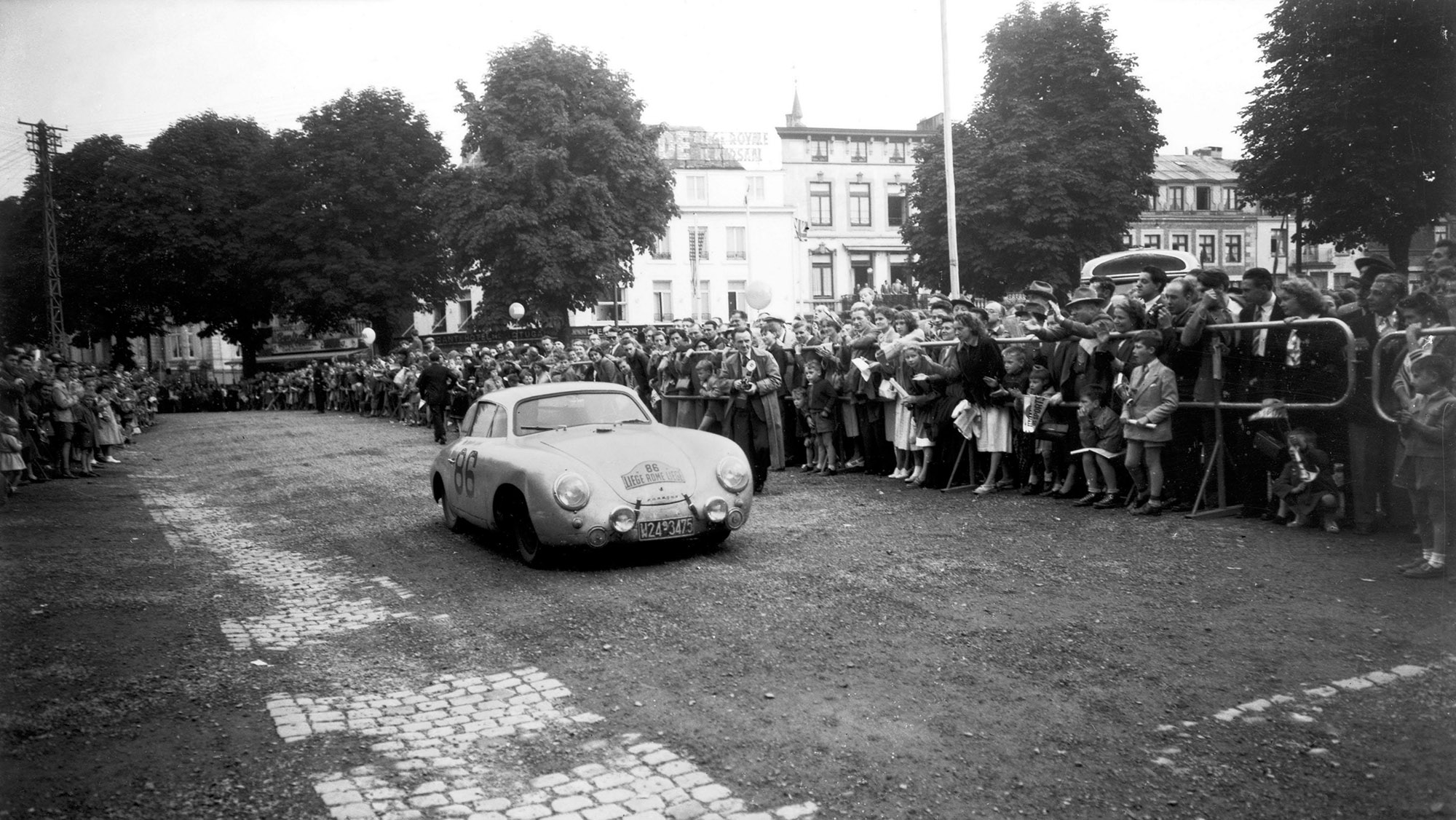
The film presents that process alongside the vehicle itself, showing how a photograph can clarify a written record—or how a document can resolve a question raised by an image.
Six Surviving Examples
Porsche reports that six 356 SLs are known to survive: three in the United States, one in Mexico, one in Belgium and the 1952 car in its own collection. The latter is the only example to have remained continuously in company ownership.
For travelers considering a visit to the Porsche Museum in Stuttgart-Zuffenhausen, the episode provides background on the research supporting the collection. It is also an opportunity to explore an early chapter of Porsche motorsport from home, through the records and surviving details that allow its history to be reconstructed.
ADDITIONAL INFORMATION
Film: Raceborn Moments — investigation into the 1952 Porsche 356 SL
Released: September 30, 2026
Produced By: Porsche Heritage and Museum
Where to Watch: Porsche’s official YouTube channel
Featured Vehicle: A 1952 Porsche 356 SL from the company collection
Historical Significance: The 356 SL model secured Porsche’s first Le Mans class victory in 1951
Production: Nine examples—five built in 1951 and four in 1952
Known Survivors: Six, located in the United States, Mexico, Belgium and Porsche’s company collection
Research Sources: Engineering notebooks, financial records, race registrations, historic photographs and privately held material
Museum Connection: Porsche Museum, Stuttgart-Zuffenhausen, Germany
Display Status: The release confirms collection ownership but does not specify whether this car is currently on public display
Official Website: Porsche Museum
PHOTO GALLERY