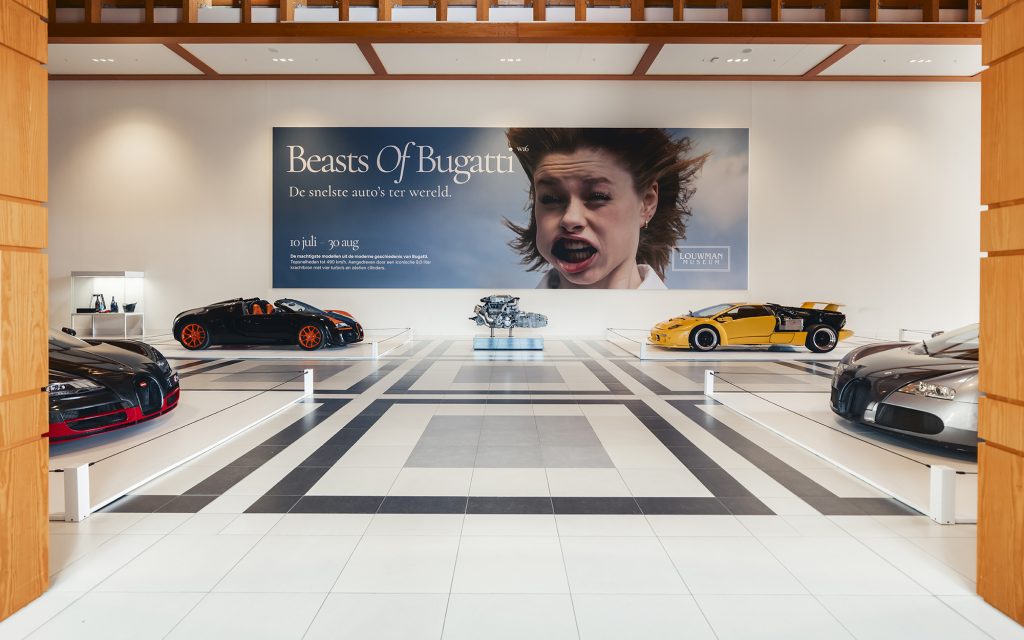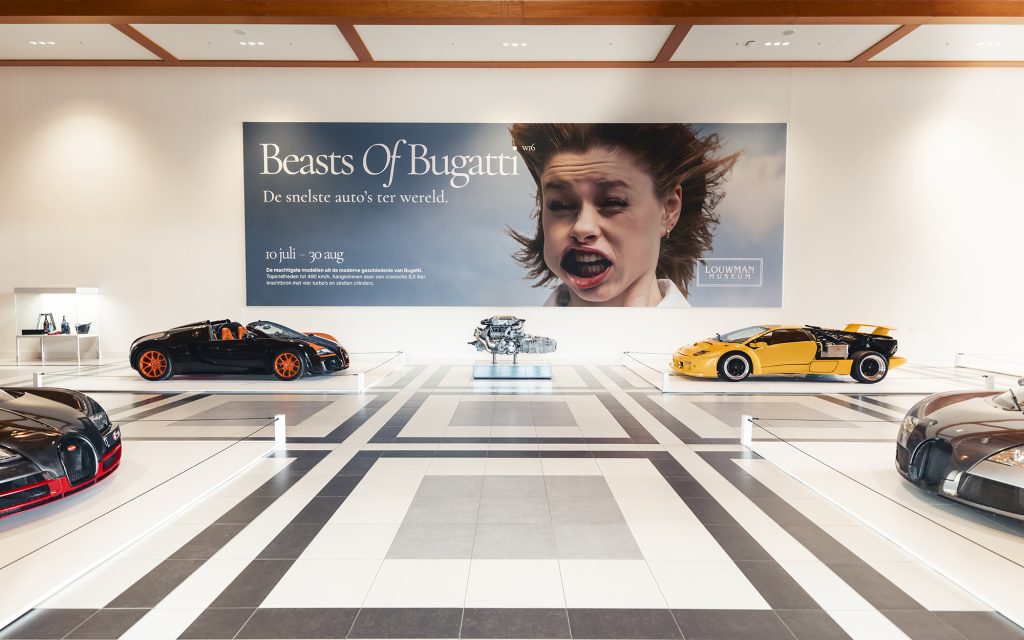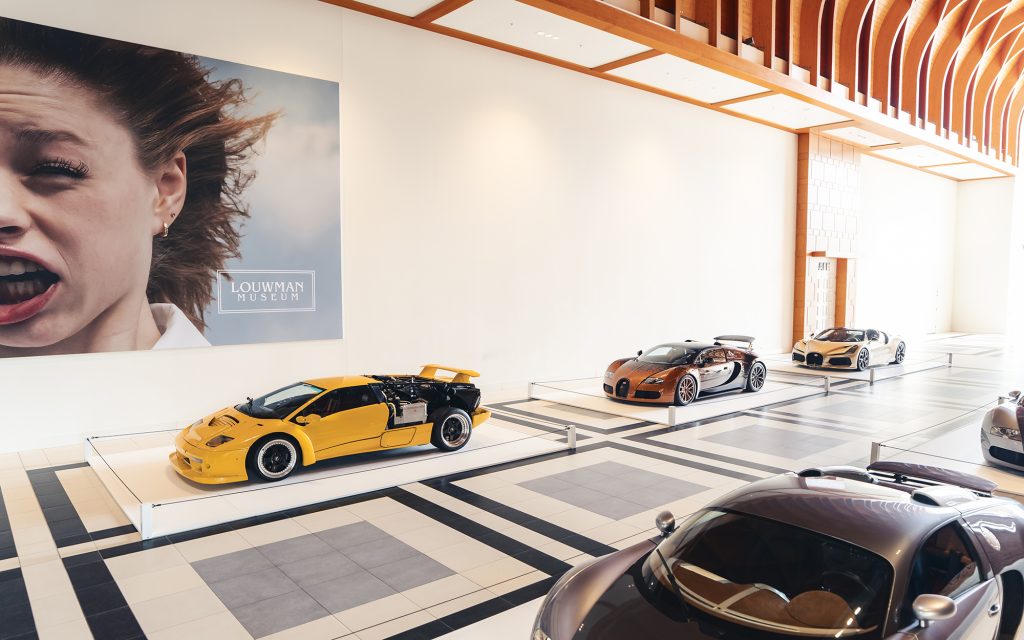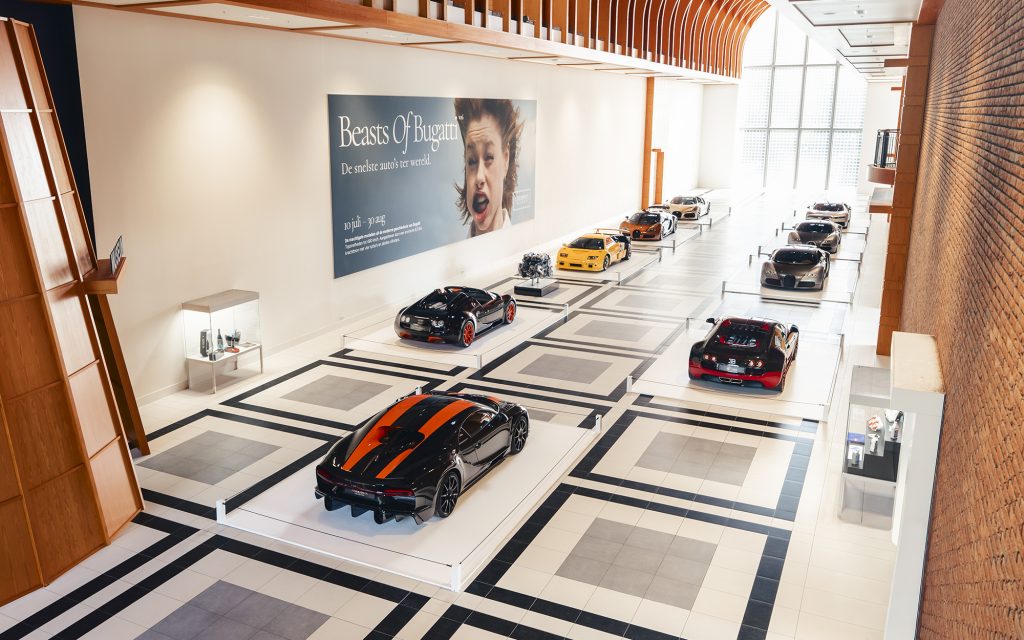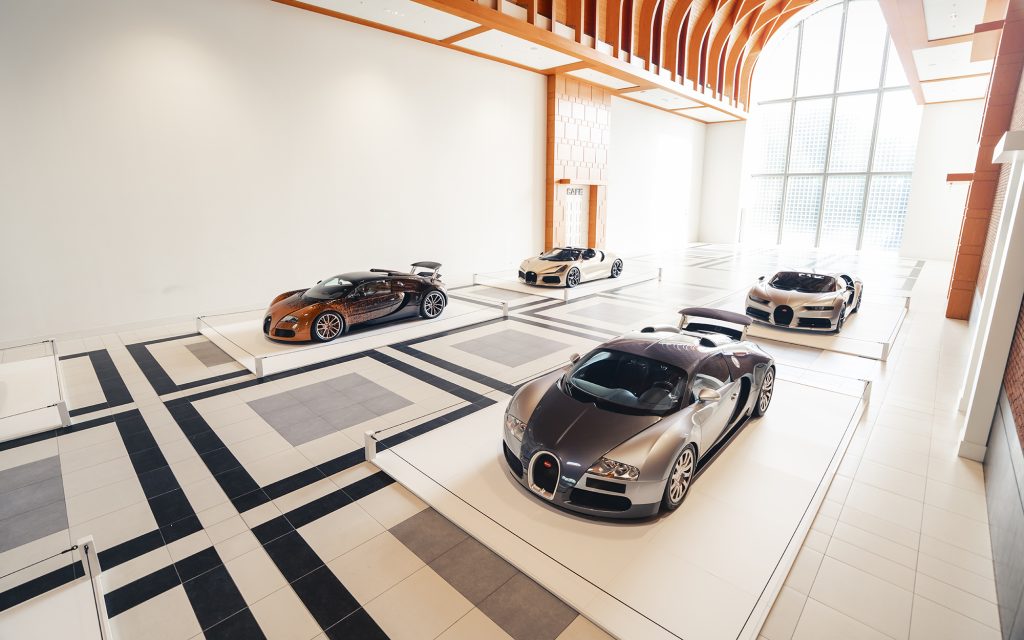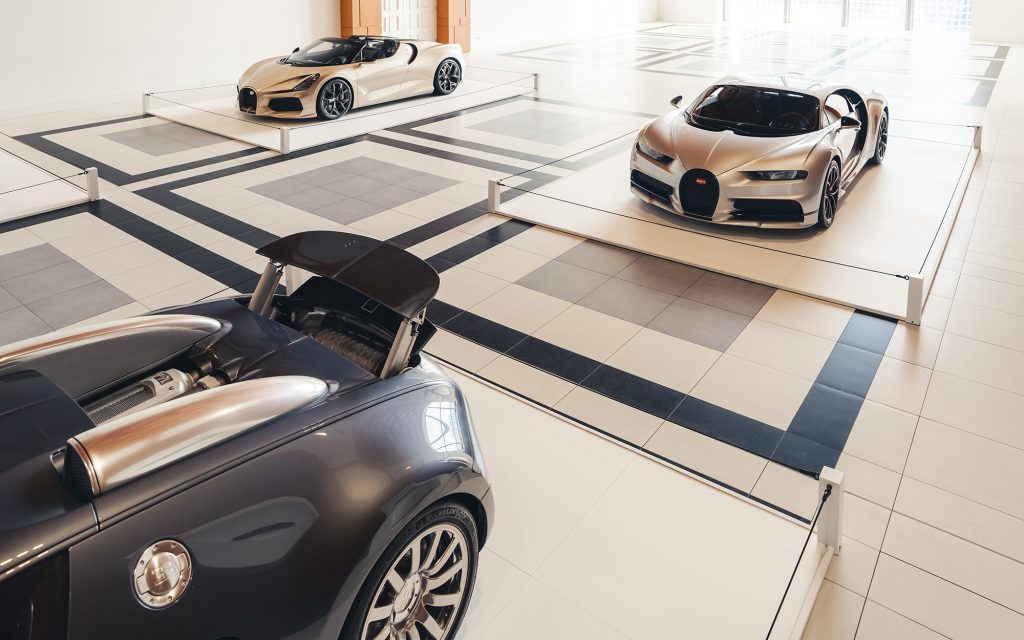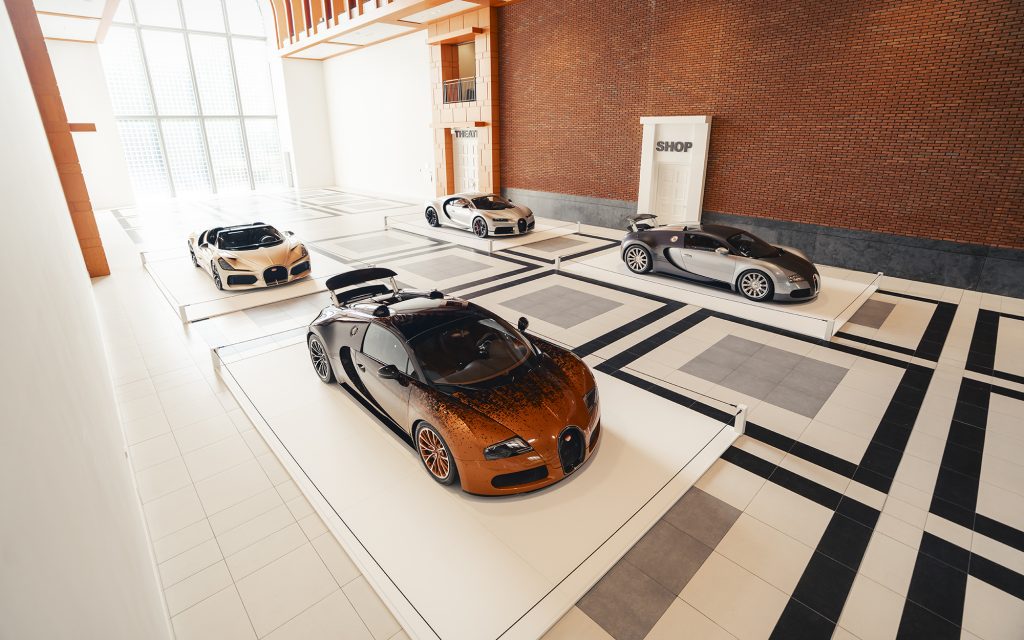


Should you be interested in seeing this display in person, please note that it’s almost over and there’s just a short time to catch this temporary installation before it closes. We’re catching this exhibition later than we’d have liked, but there are still a few days left to see it.
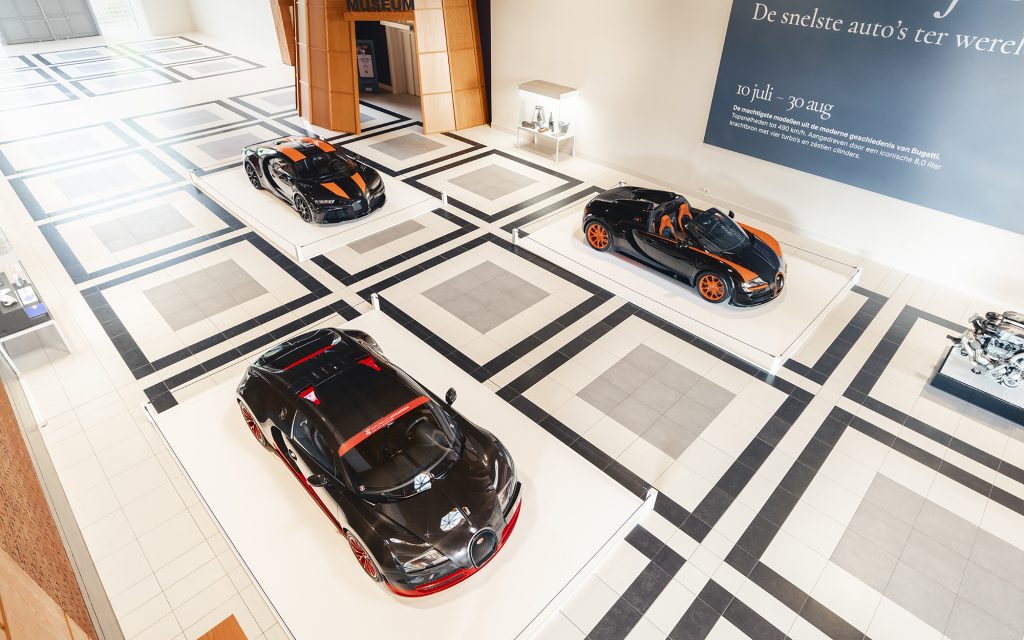
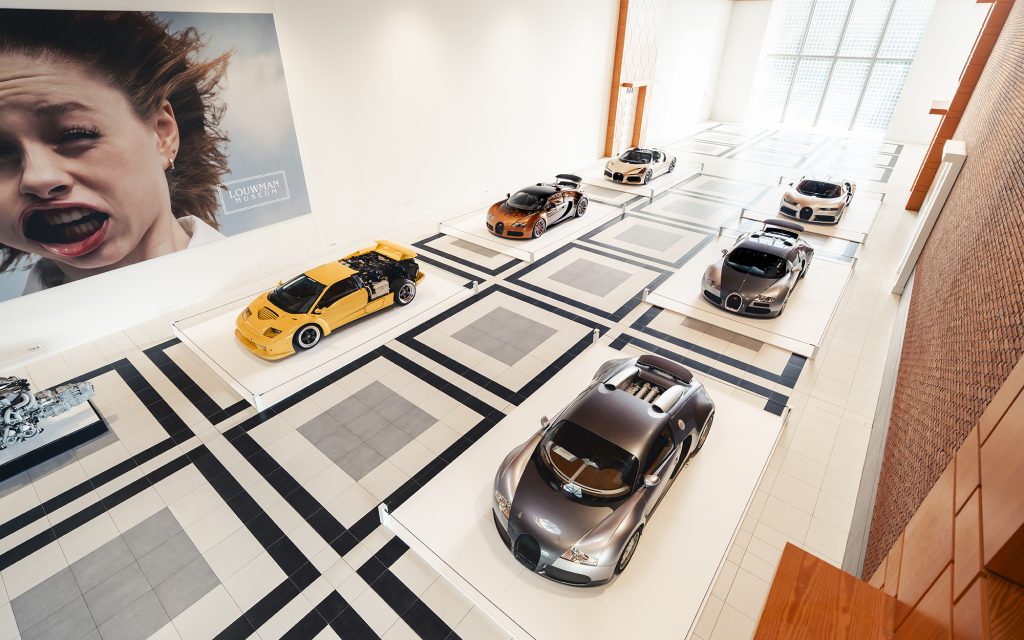
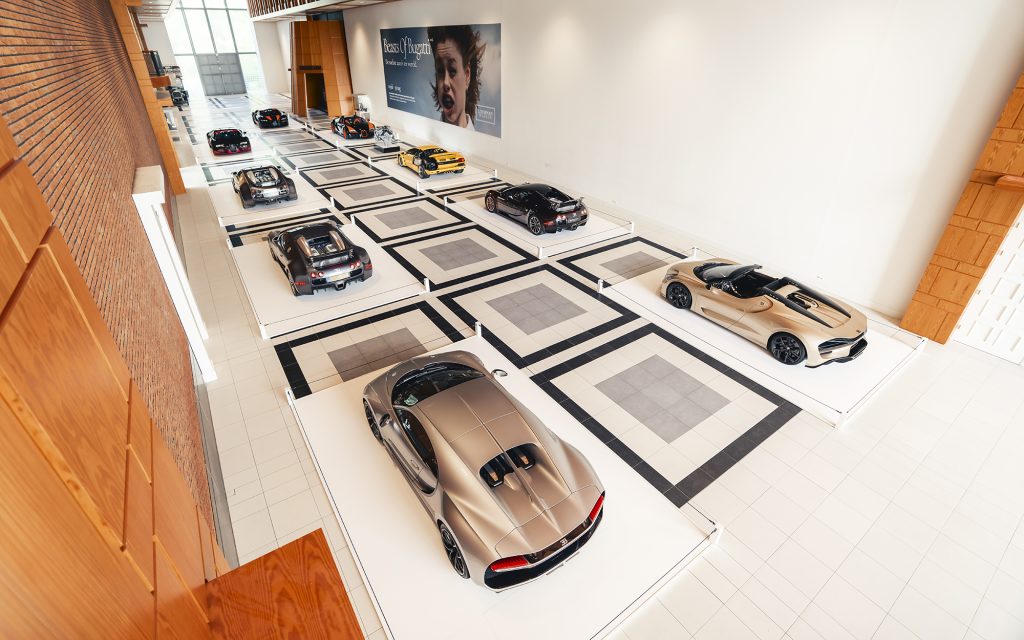
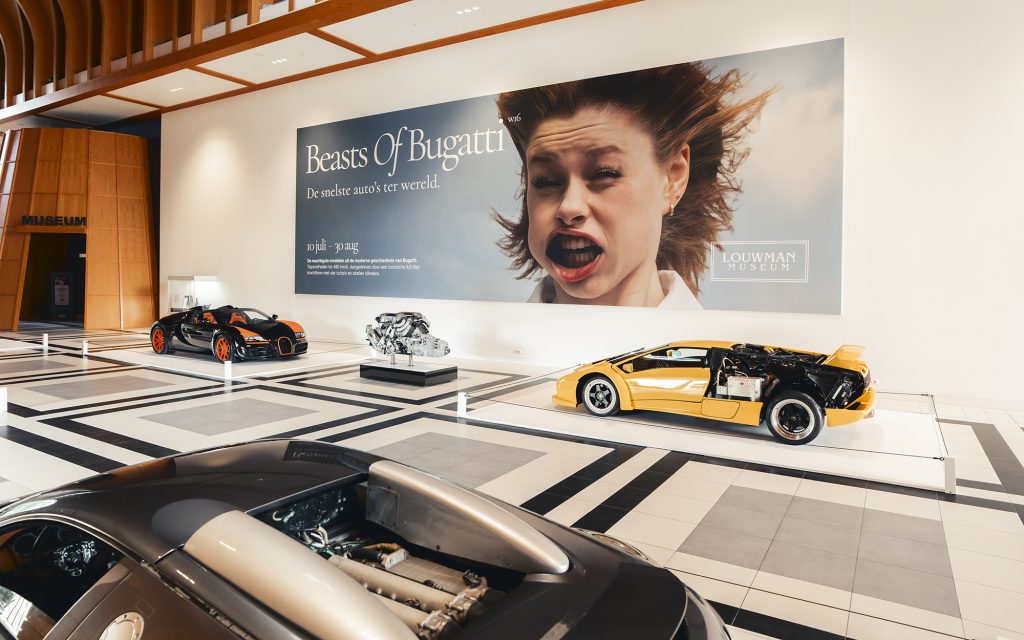
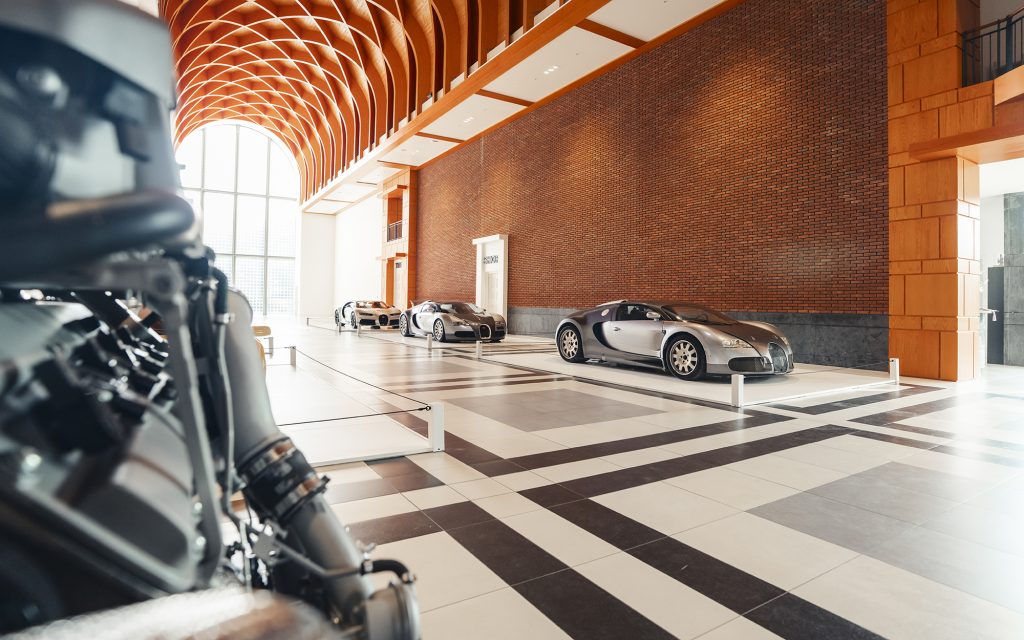
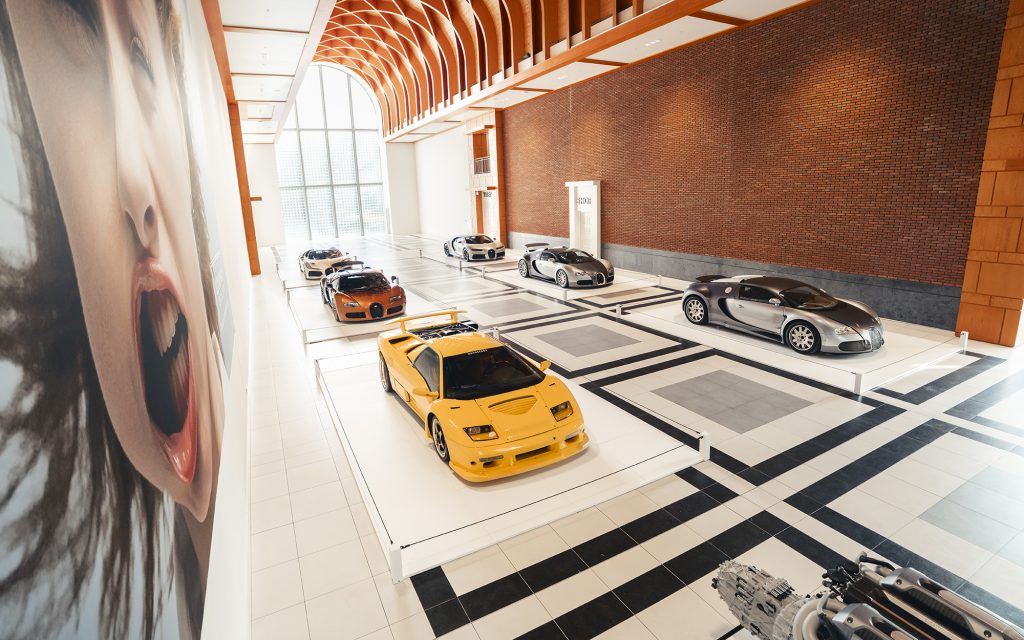
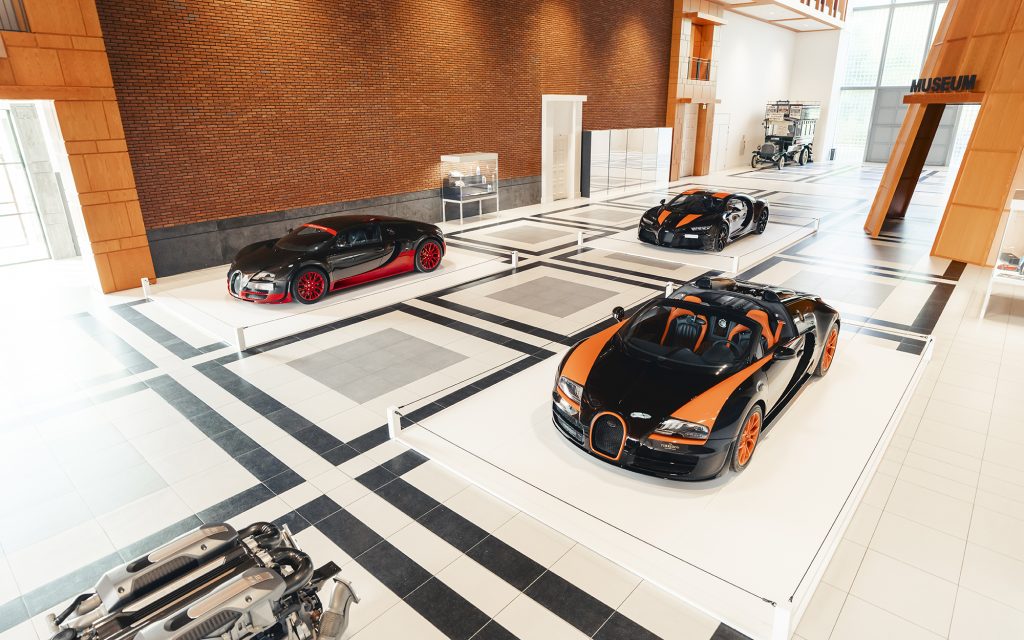
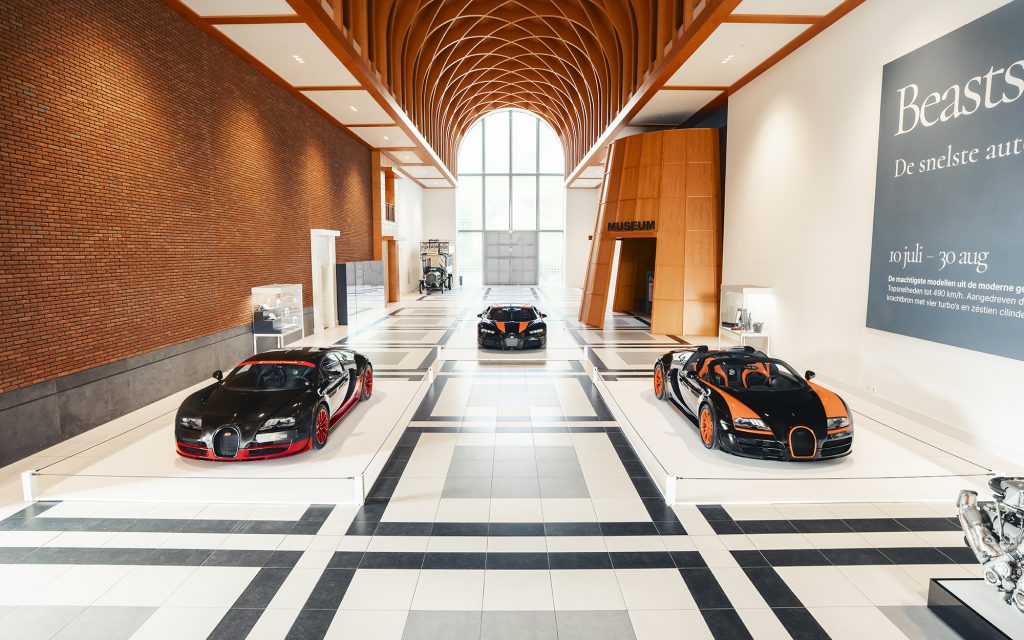
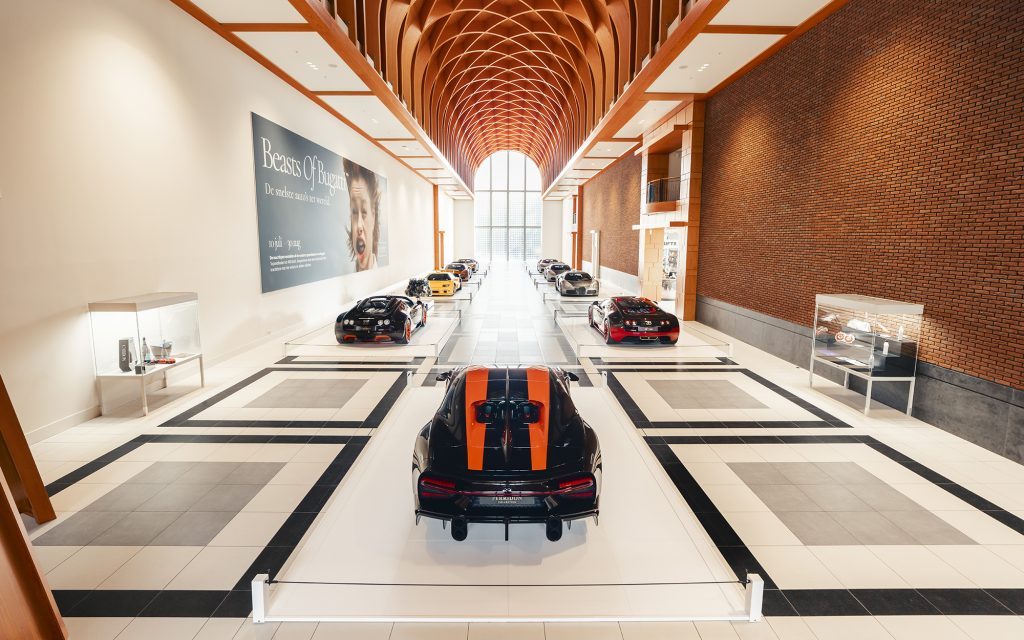
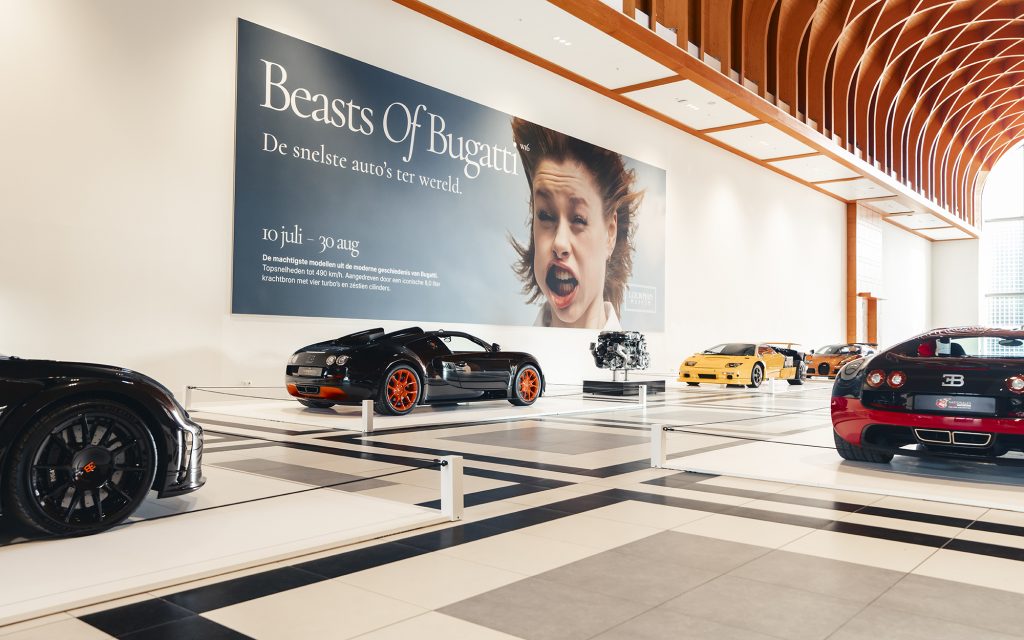
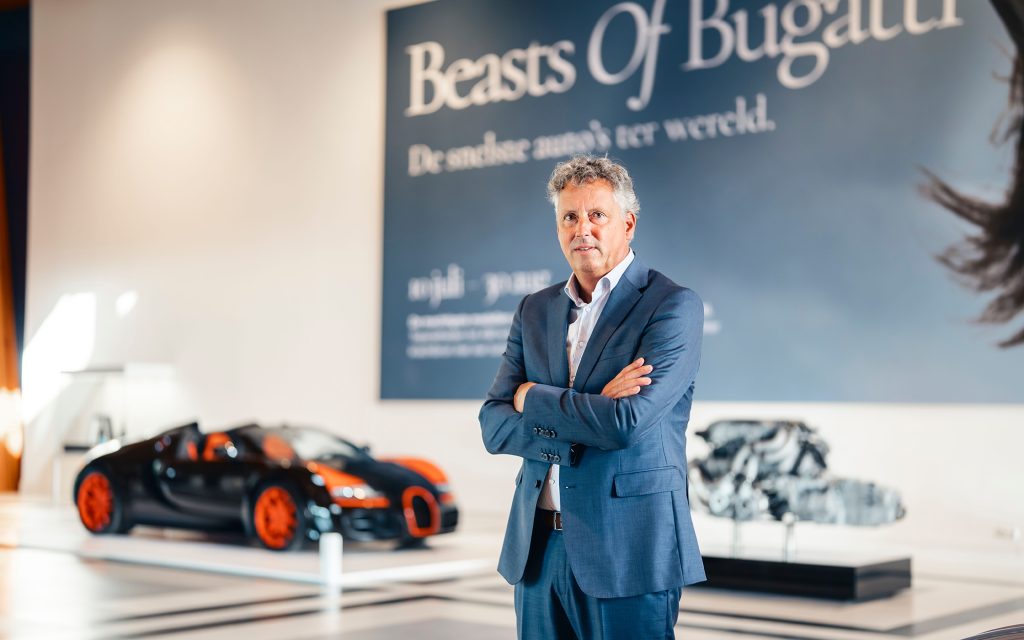
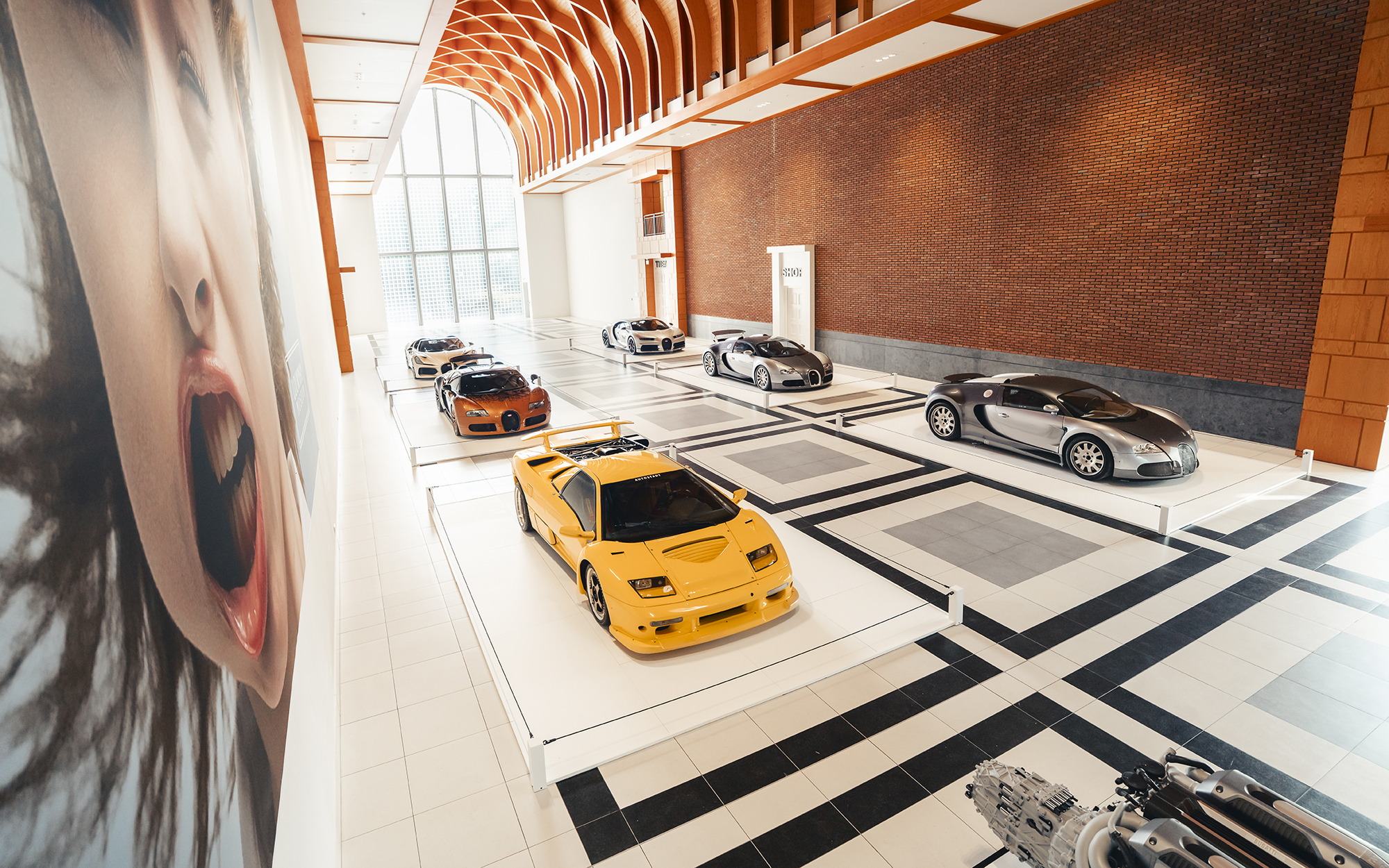
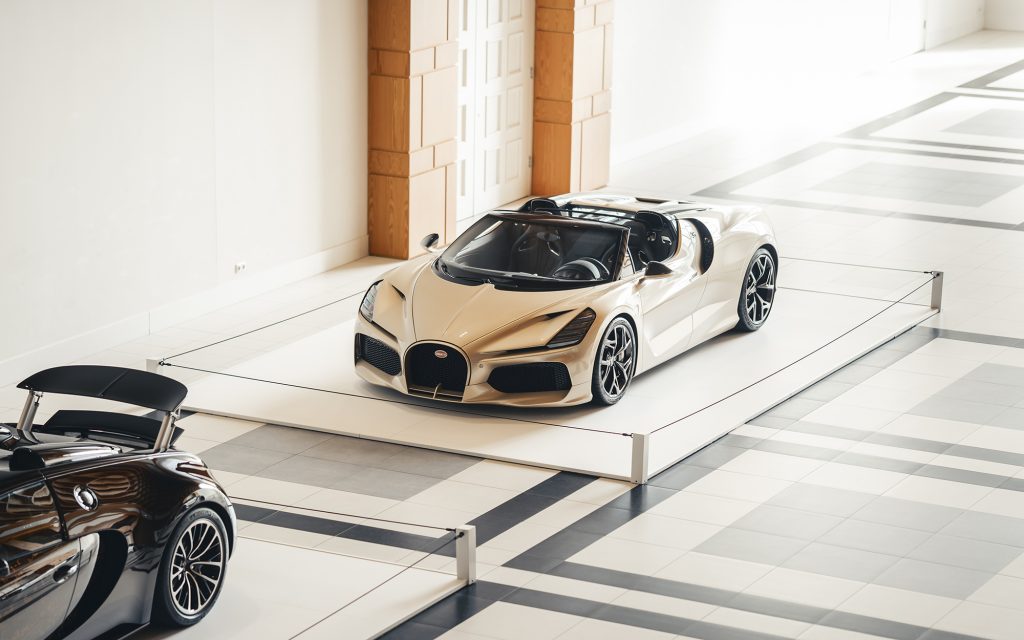
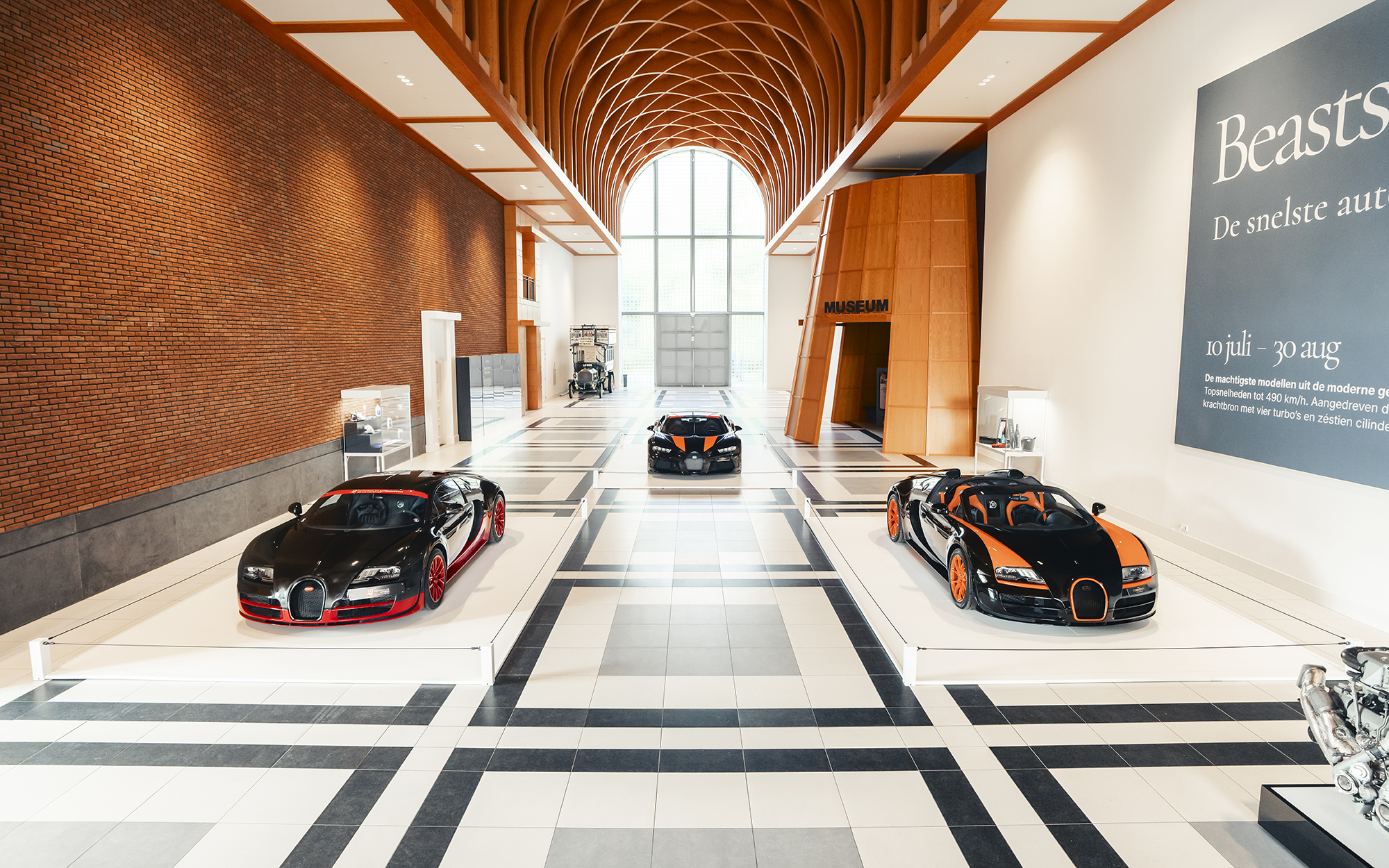
Through August 30, the Louwman Museum in The Hague is hosting Beasts of Bugatti, an exhibition bringing together nine significant cars from the modern W16 era of Bugatti. The selection stretches from an unlikely Lamborghini-based development mule and the first Veyron prototype through the Veyron and Chiron generations to the W16 Mistral.
The museum says the nine cars have never previously been exhibited together. That alone makes the exhibition notable, but the selection is more interesting than a simple progression of production Bugattis. Prototype and development cars show how Volkswagen Group engineers turned Ferdinand Piëch’s ambitious W16 project into a functioning automobile, while the later cars document the continuing escalation in power and speed that followed.
The modern cars are also being displayed alongside the Louwman’s permanent collection of historic Bugattis, giving visitors an opportunity to see the W16 period within a much broader history of the marque.
Here are the nine cars that make up Beasts of Bugatti.
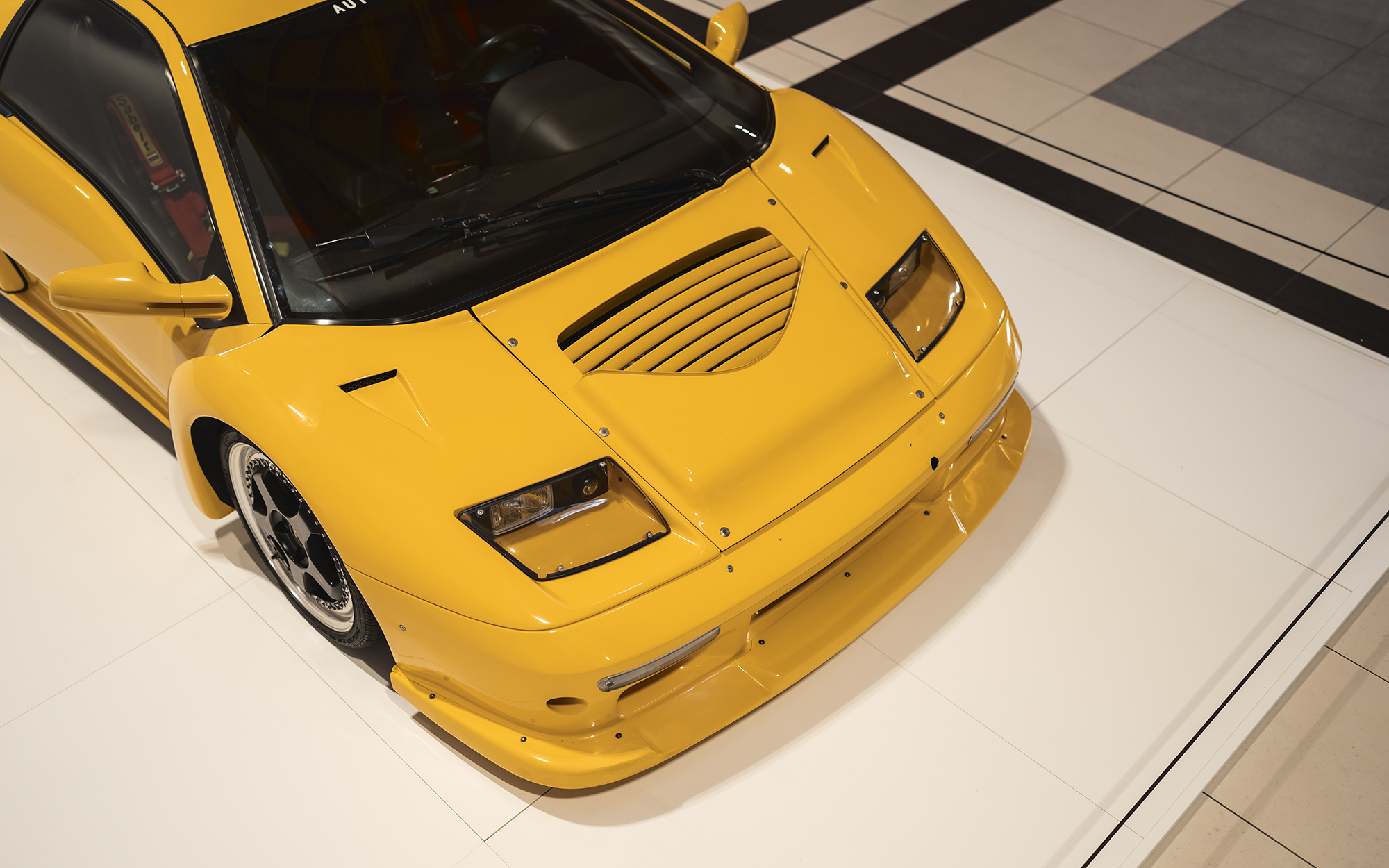
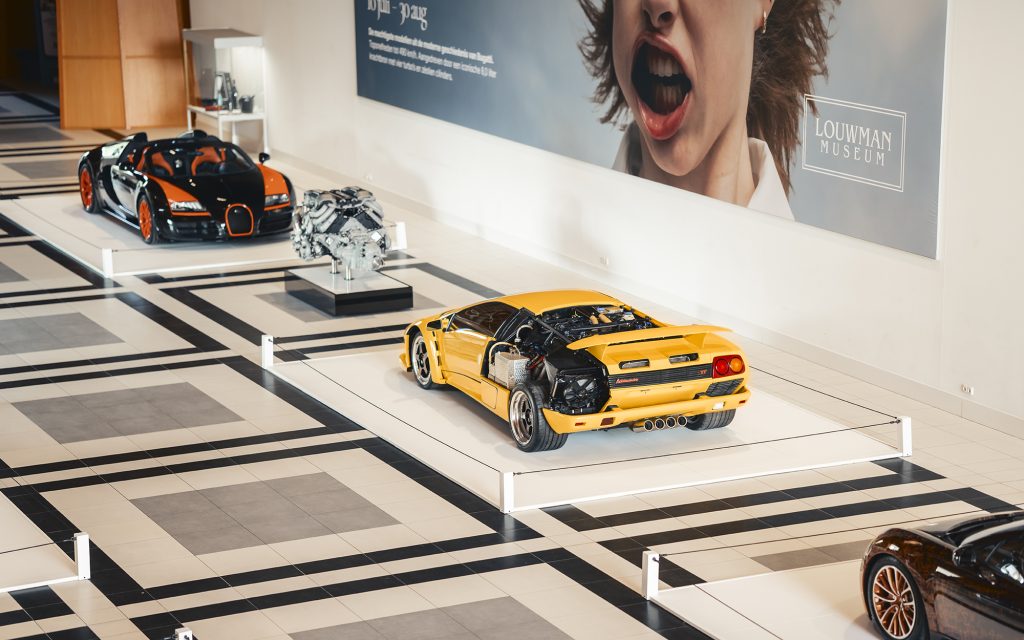
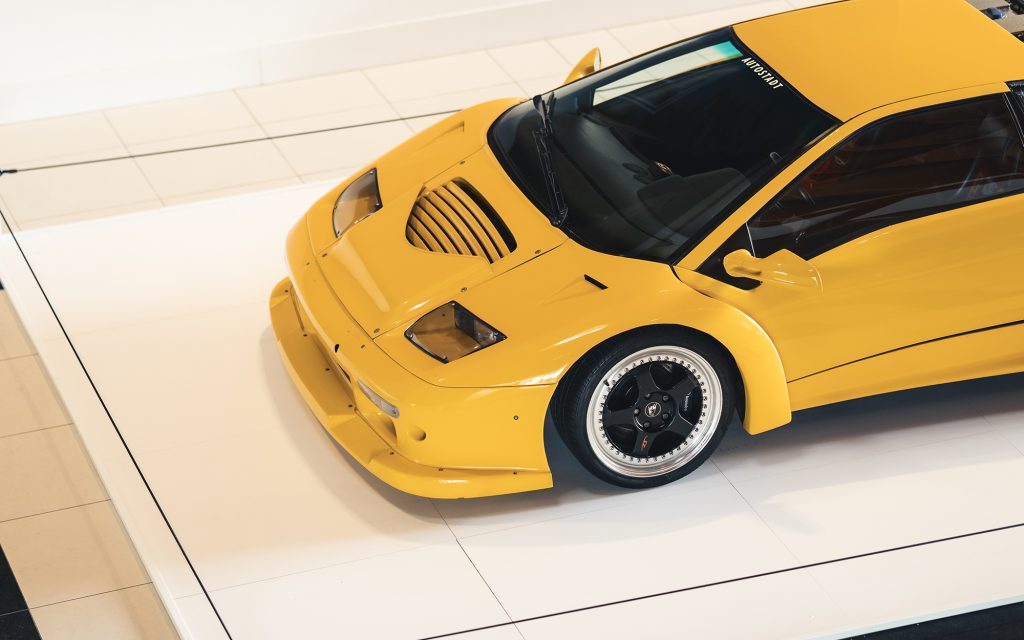
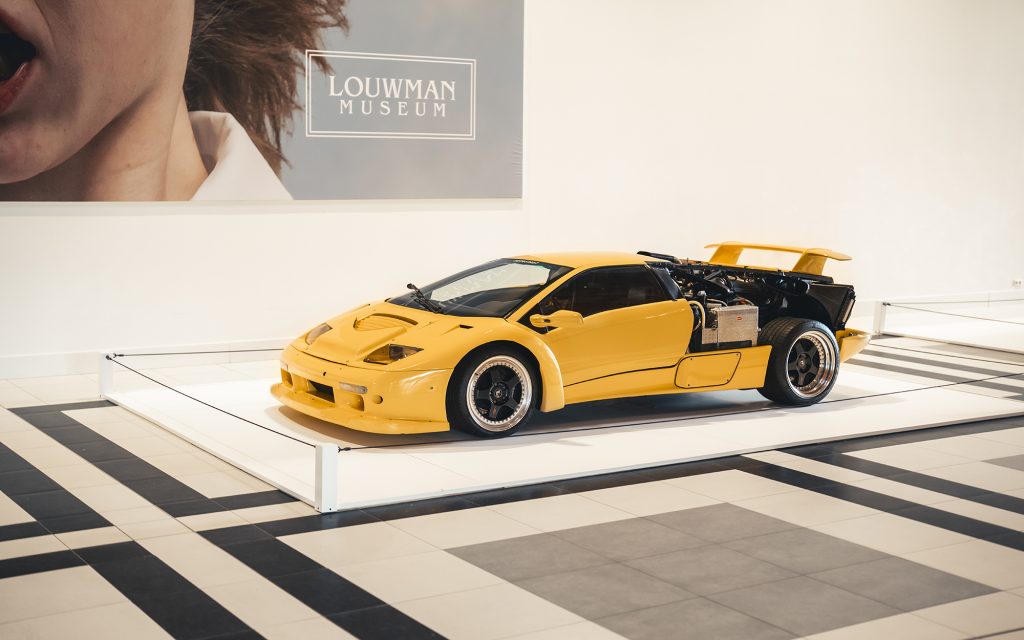
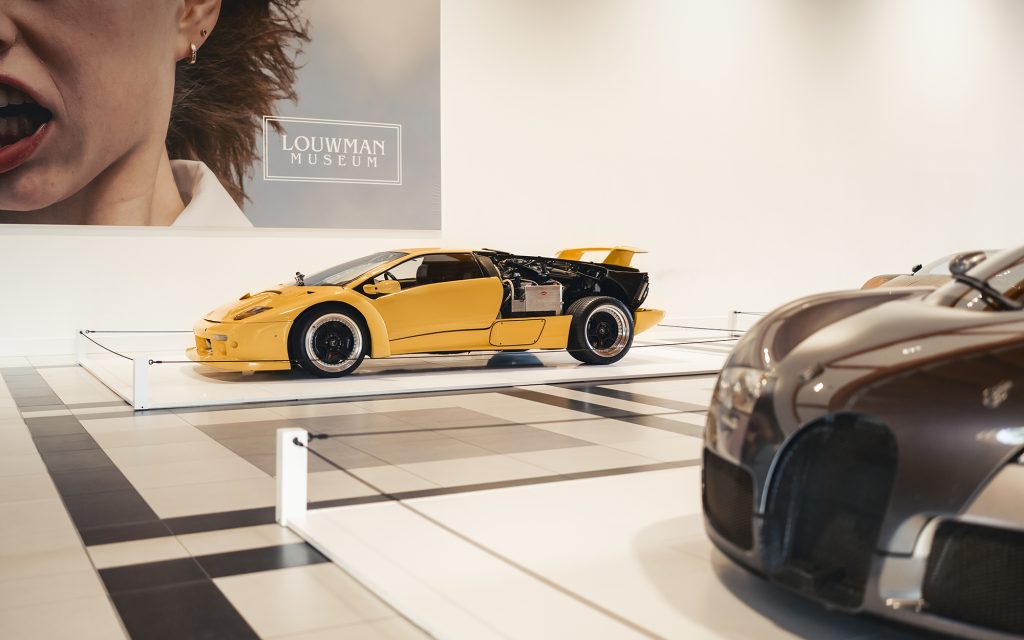
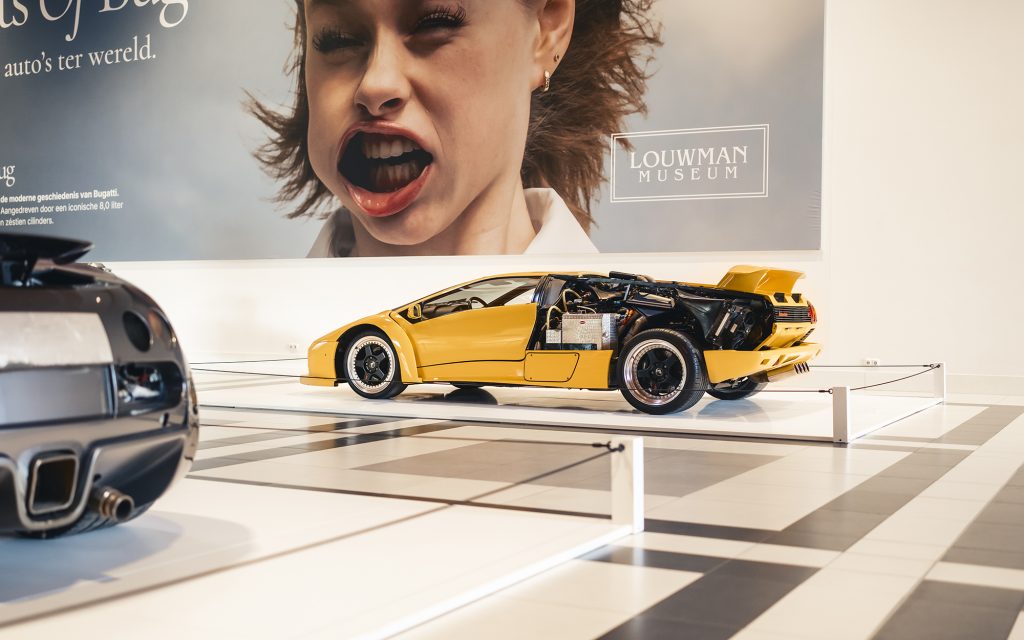
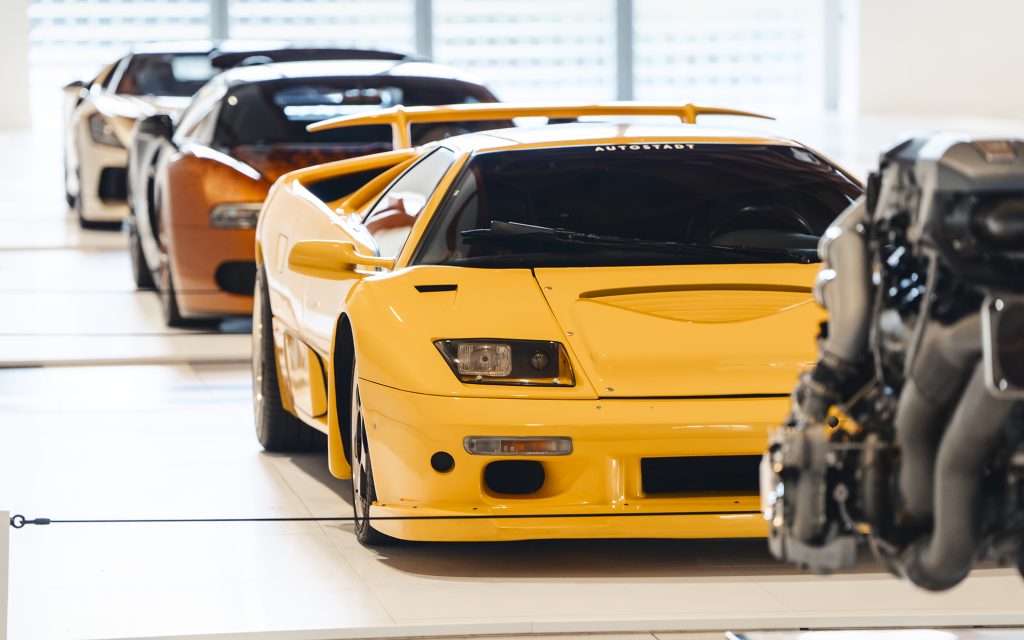
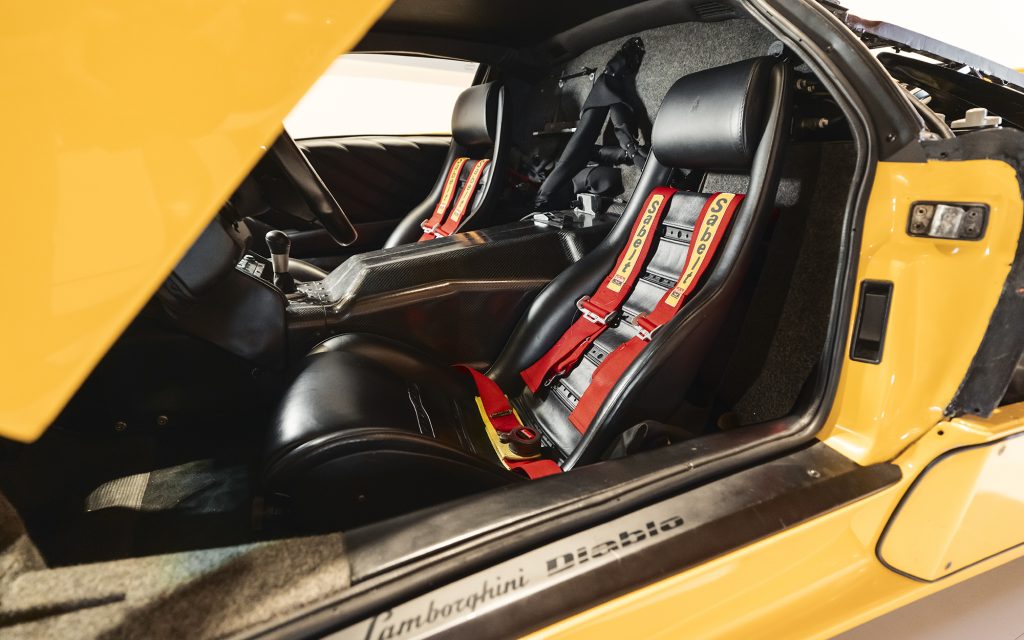
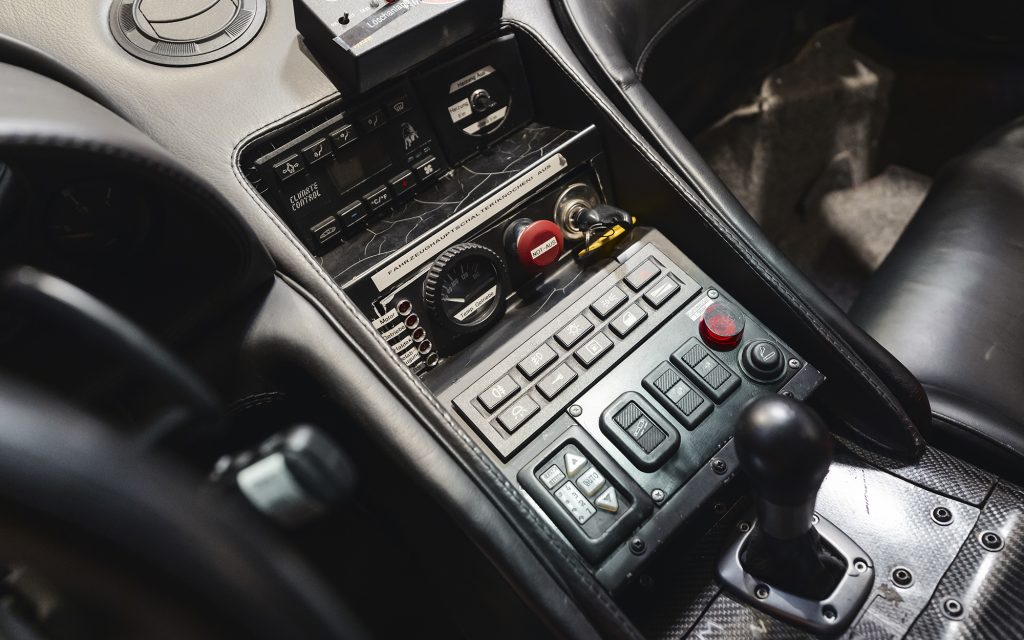
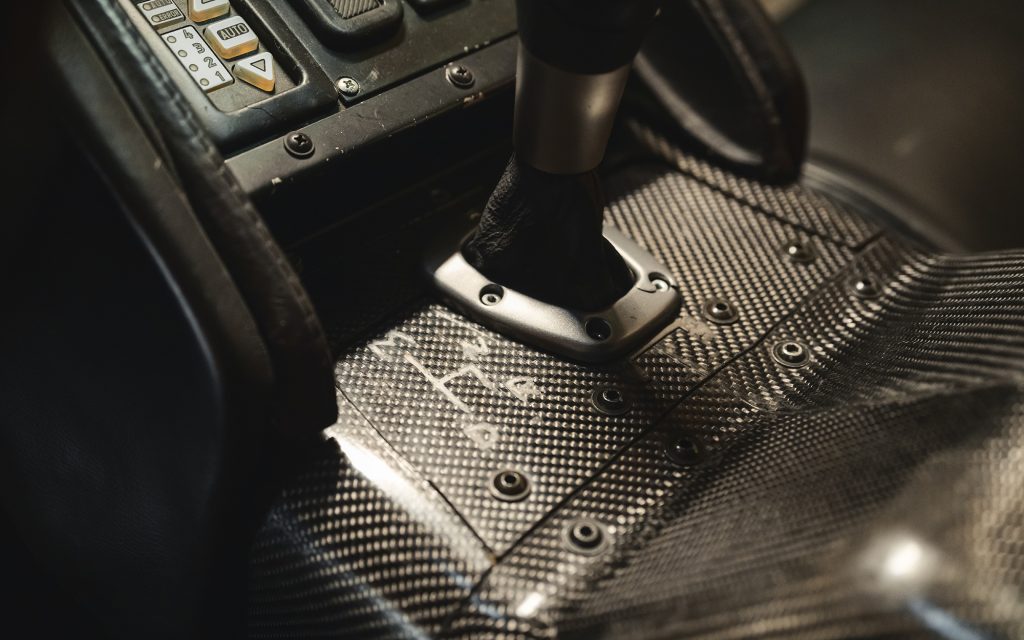
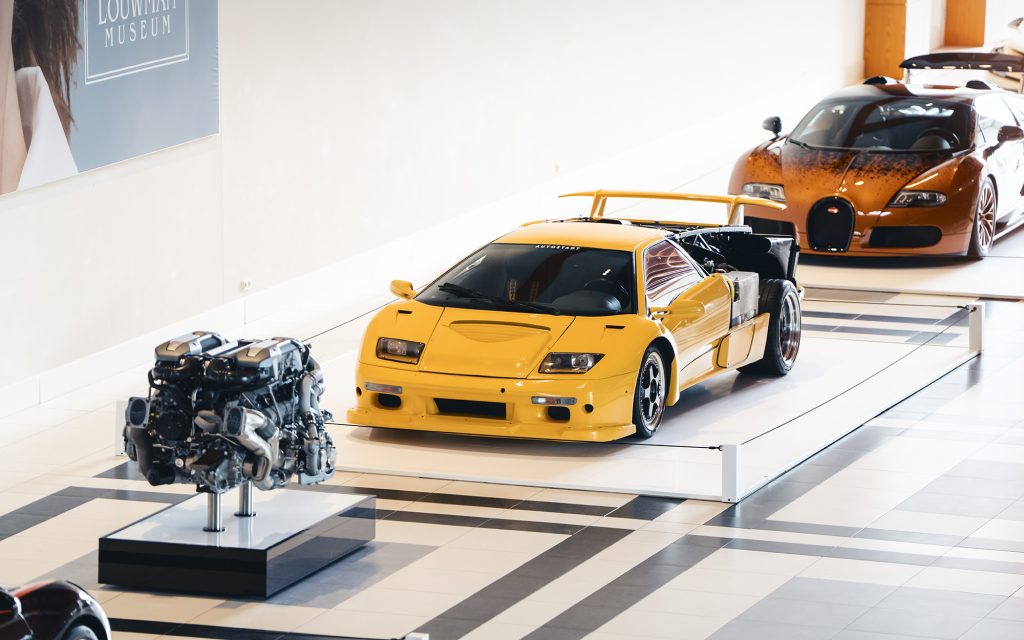
Lamborghini Diablo W16
Perhaps the most historically interesting car in the exhibition doesn’t wear a Bugatti badge at all.
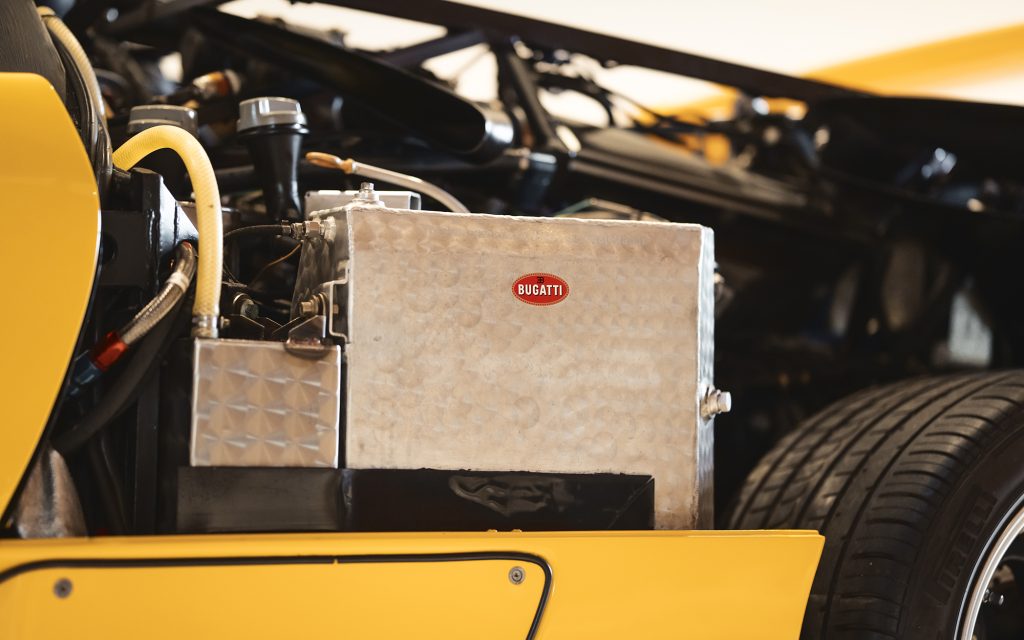
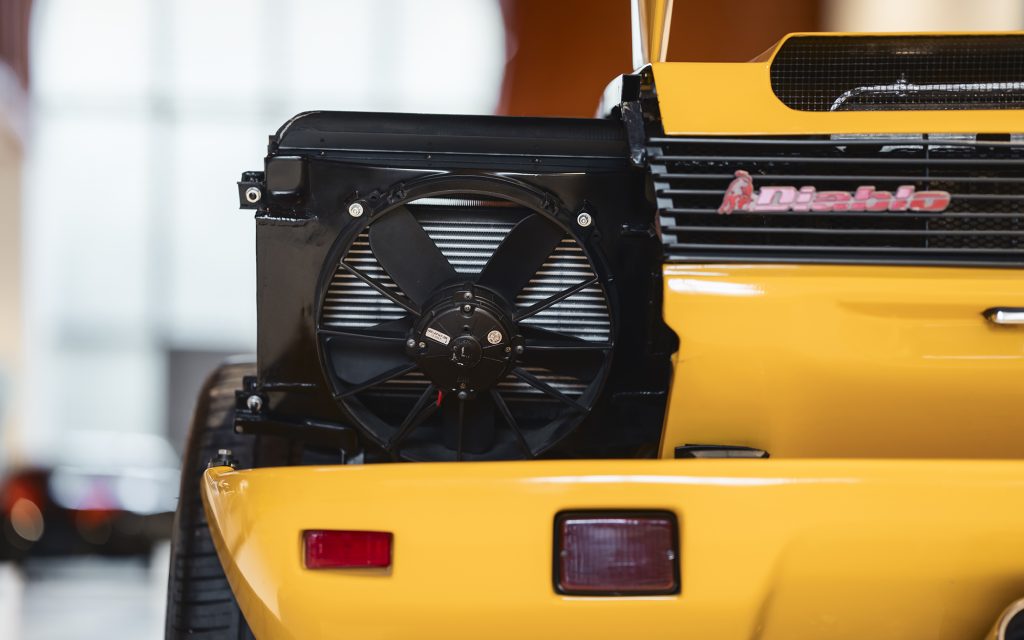
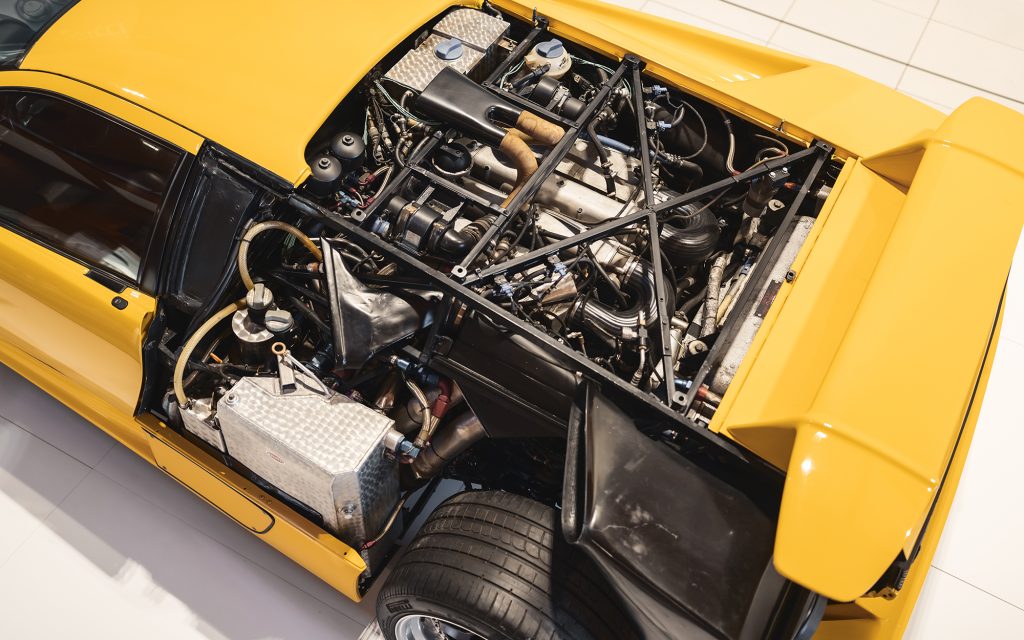
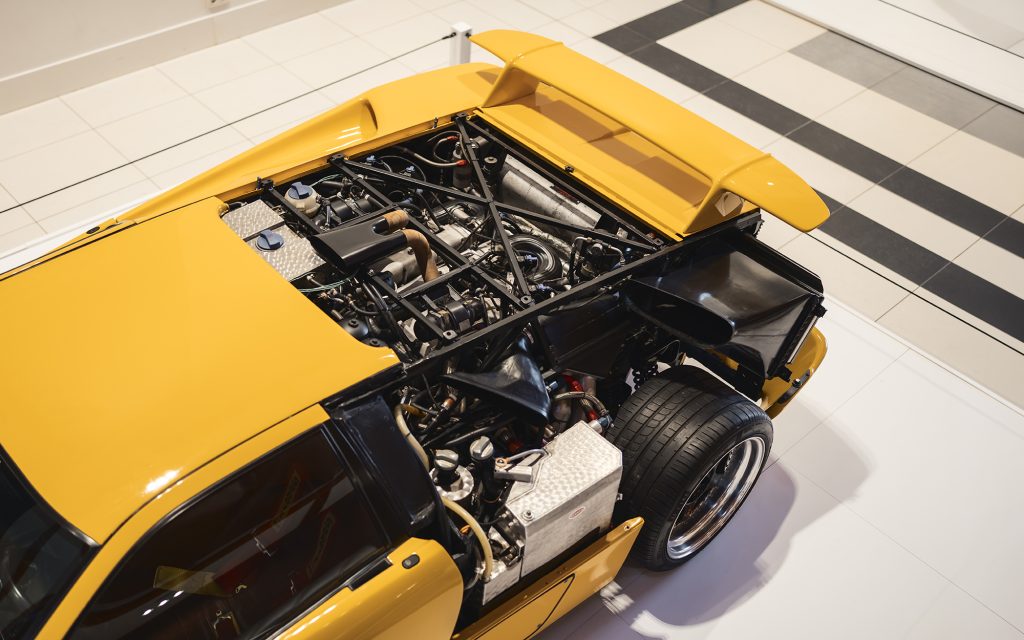
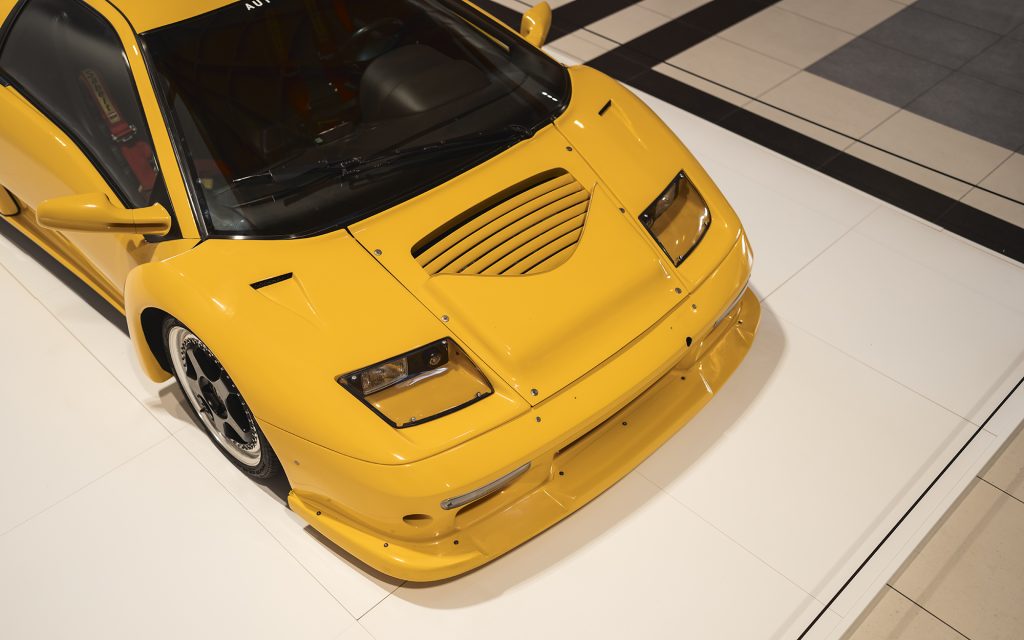
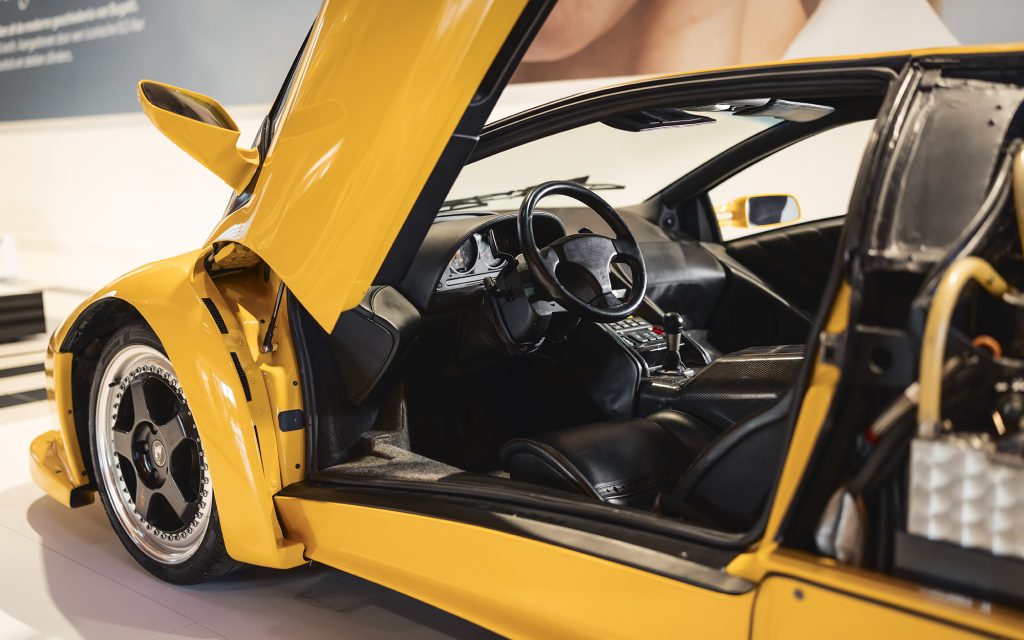
Before there was a Veyron capable of accepting Bugatti’s W16 engine, engineers needed something in which to test it. Lamborghini and Bugatti were both part of the Volkswagen Group, making Lamborghini’s contemporary Diablo a useful starting point.
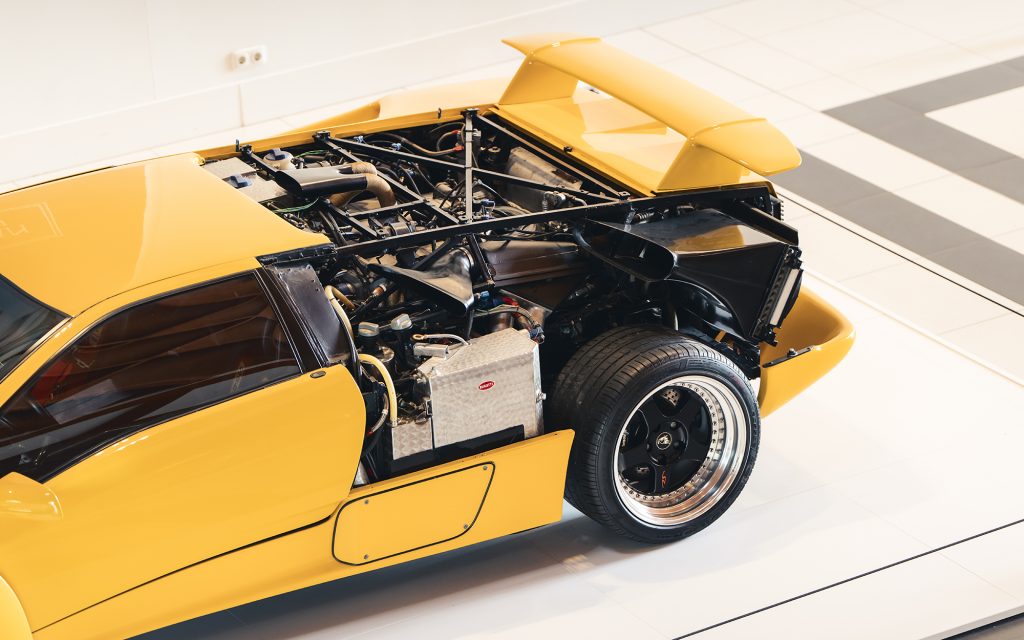
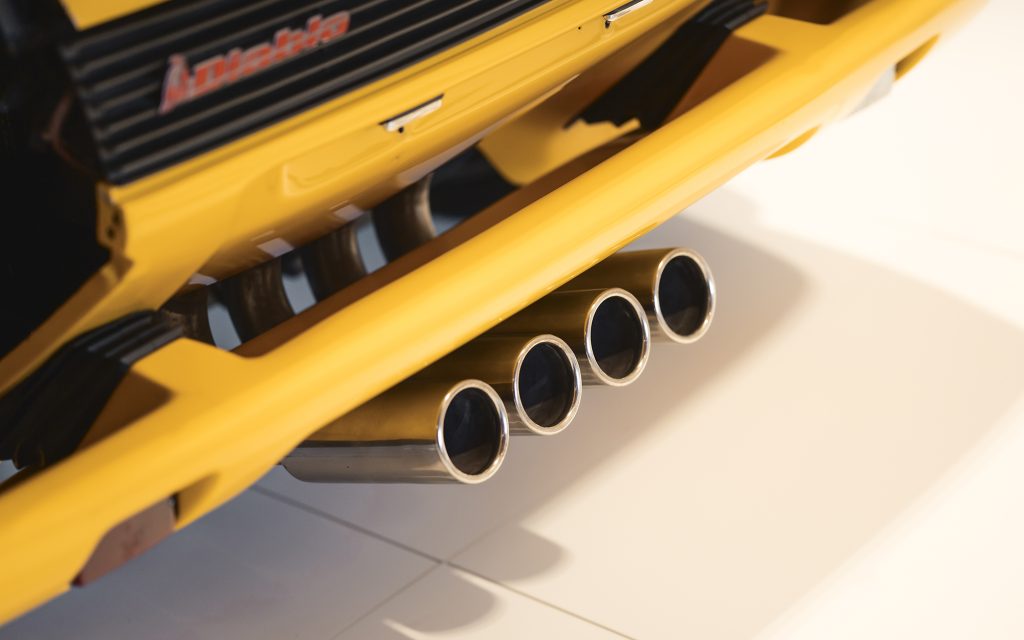
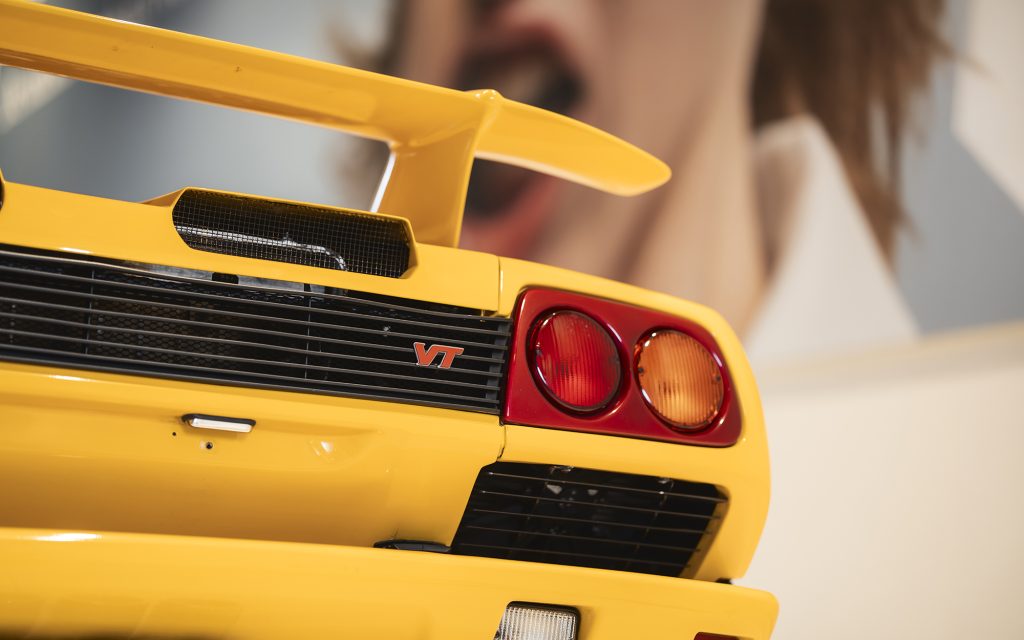
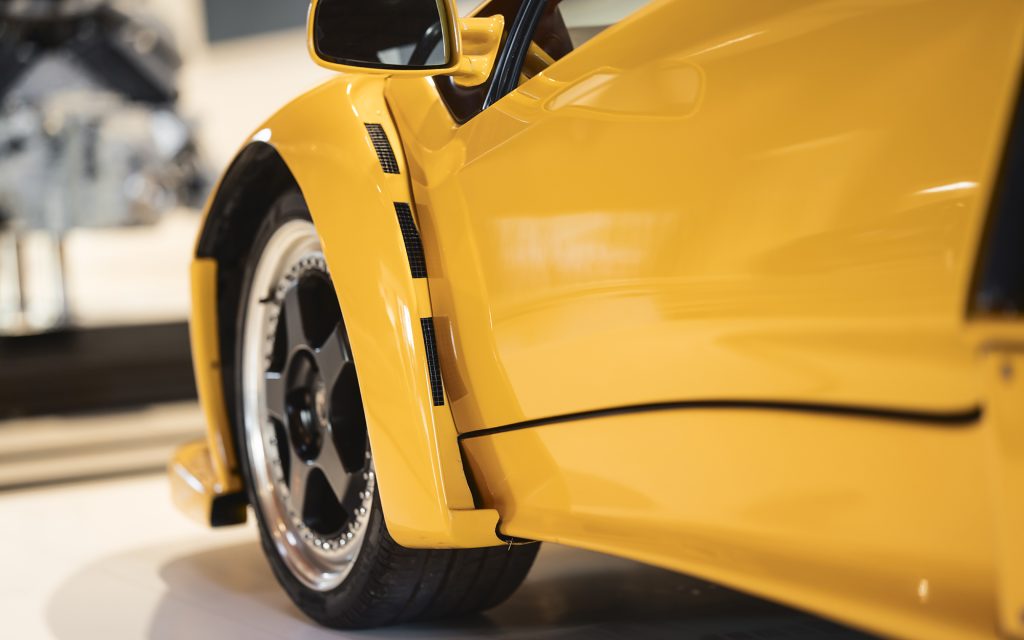
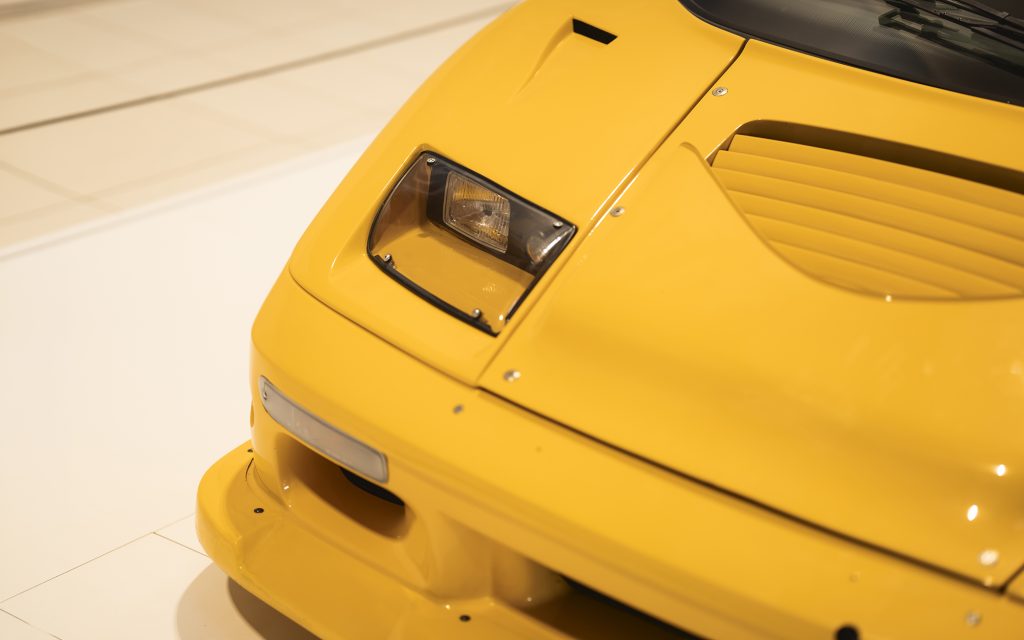
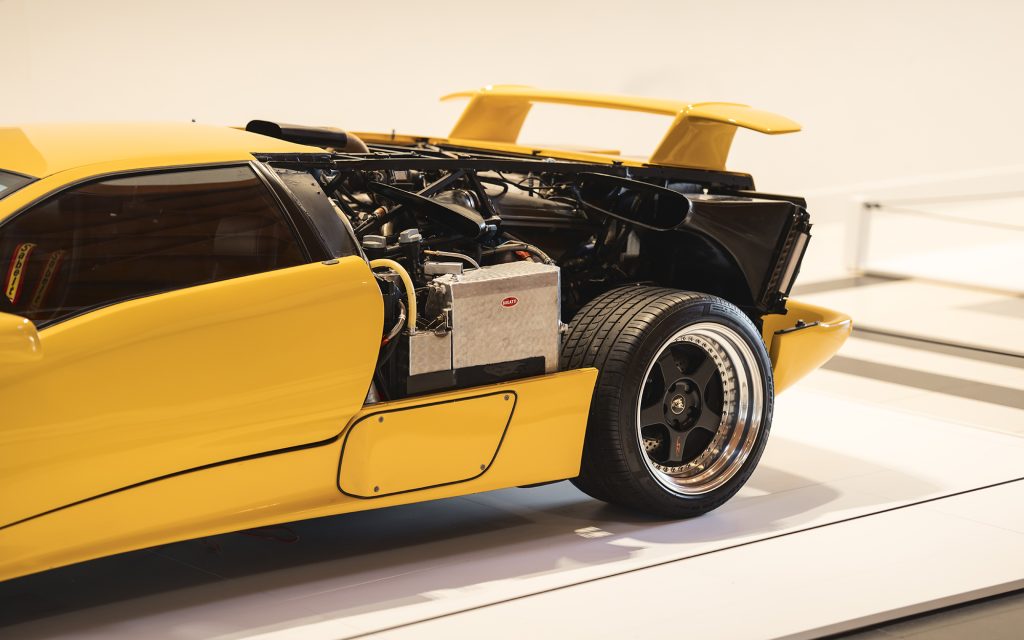
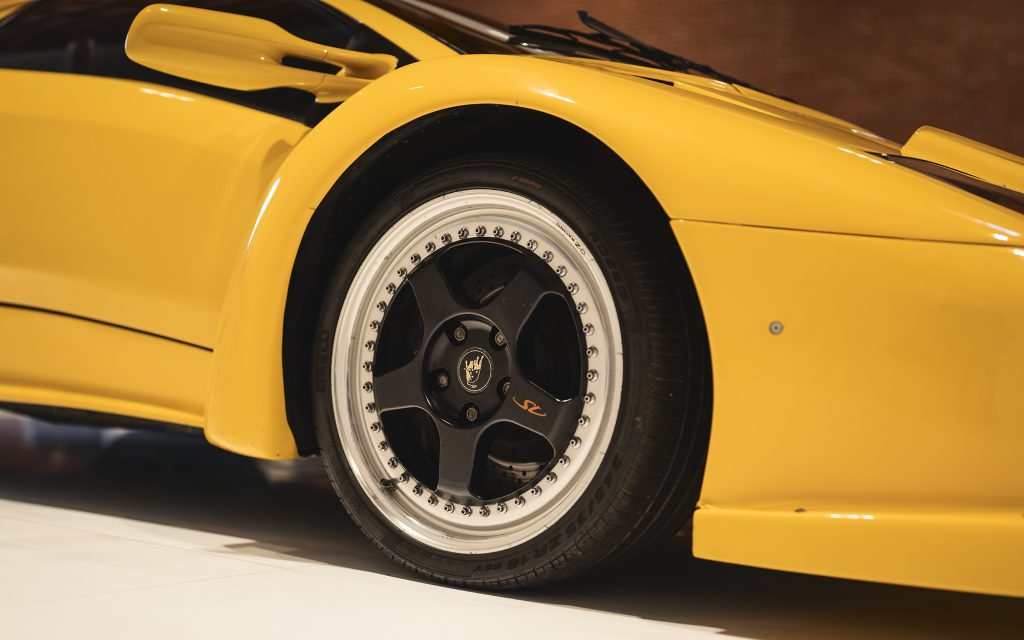
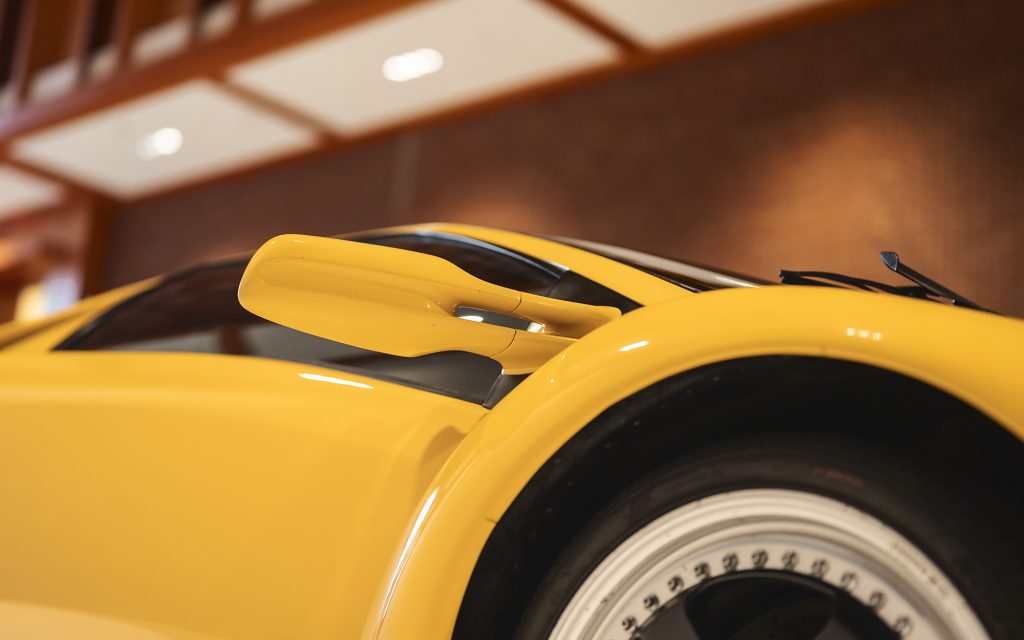
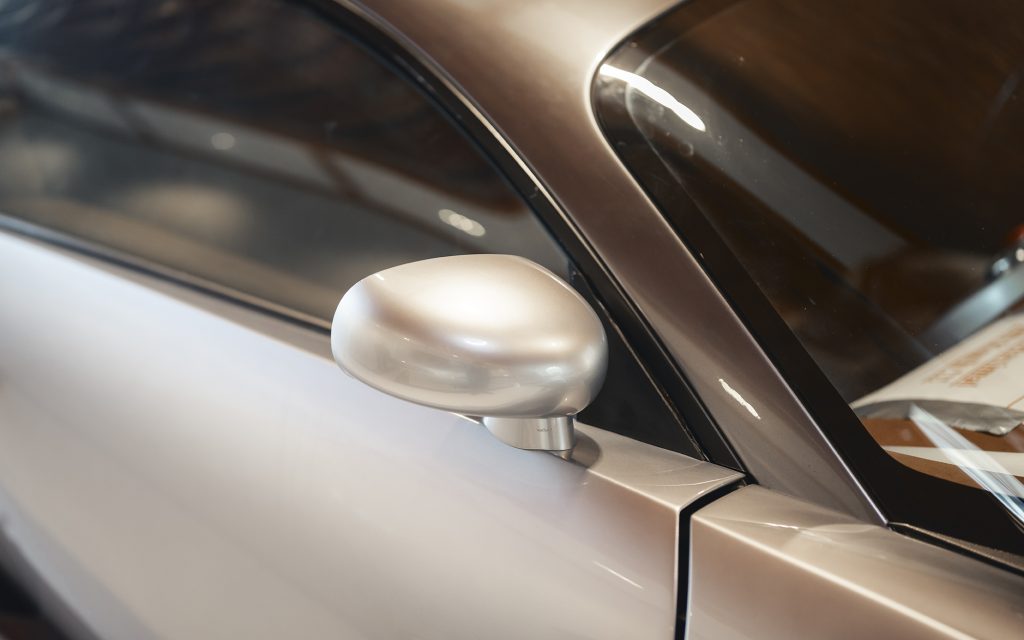
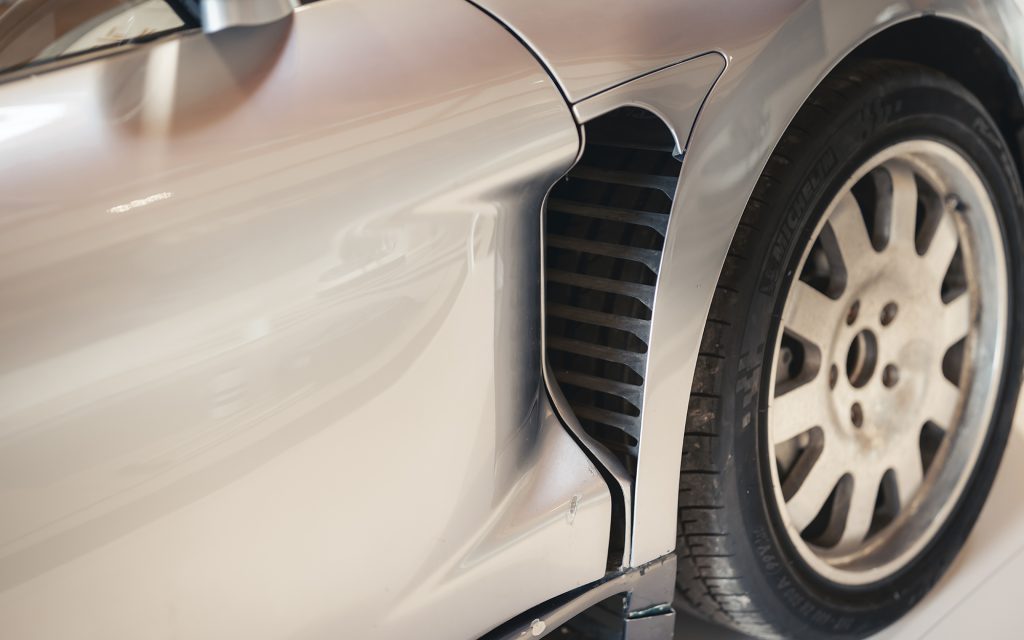
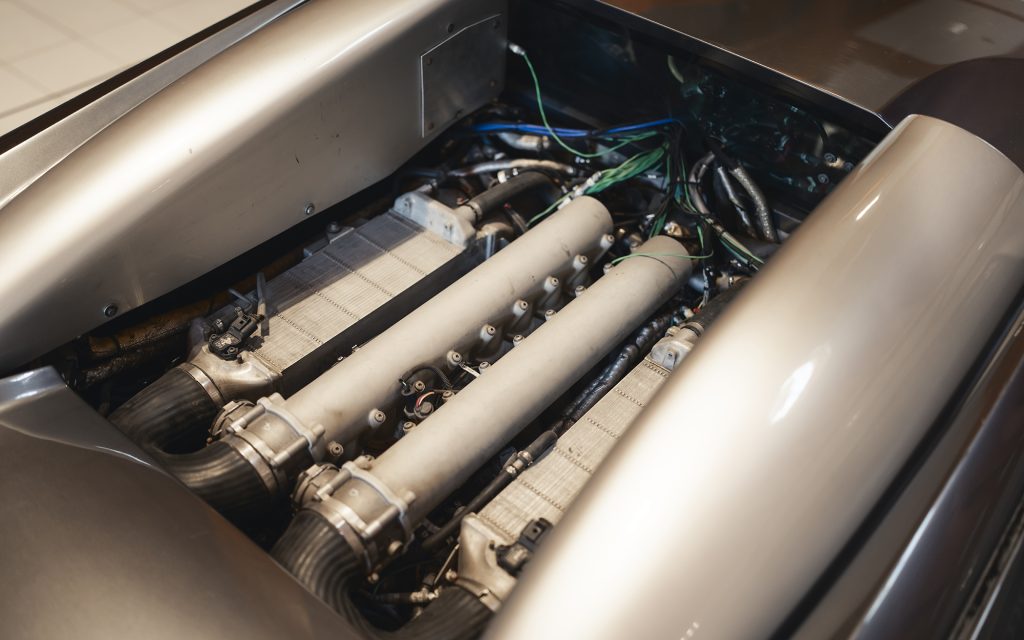
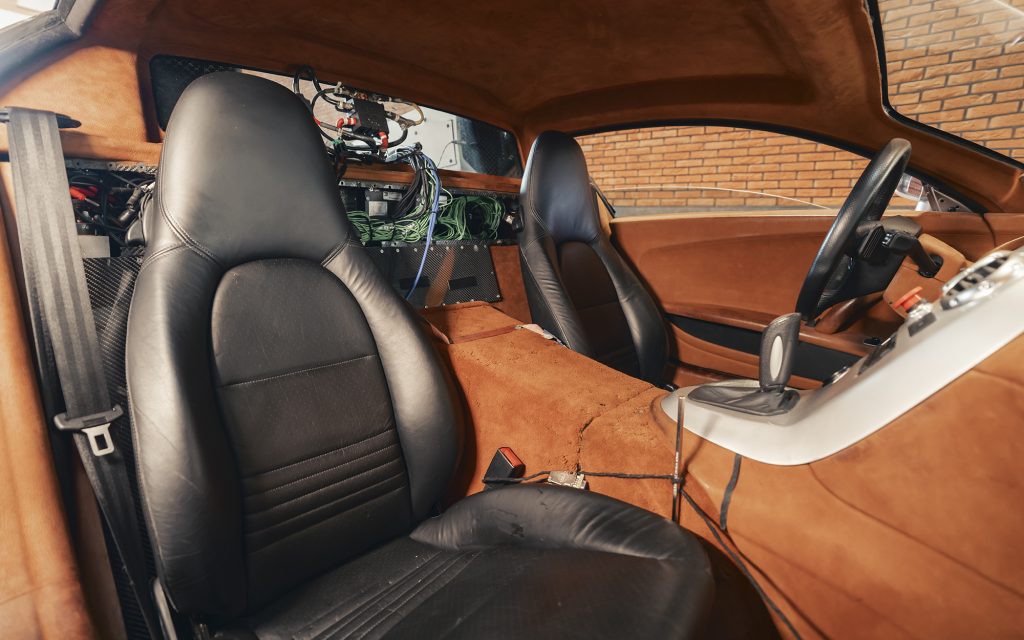
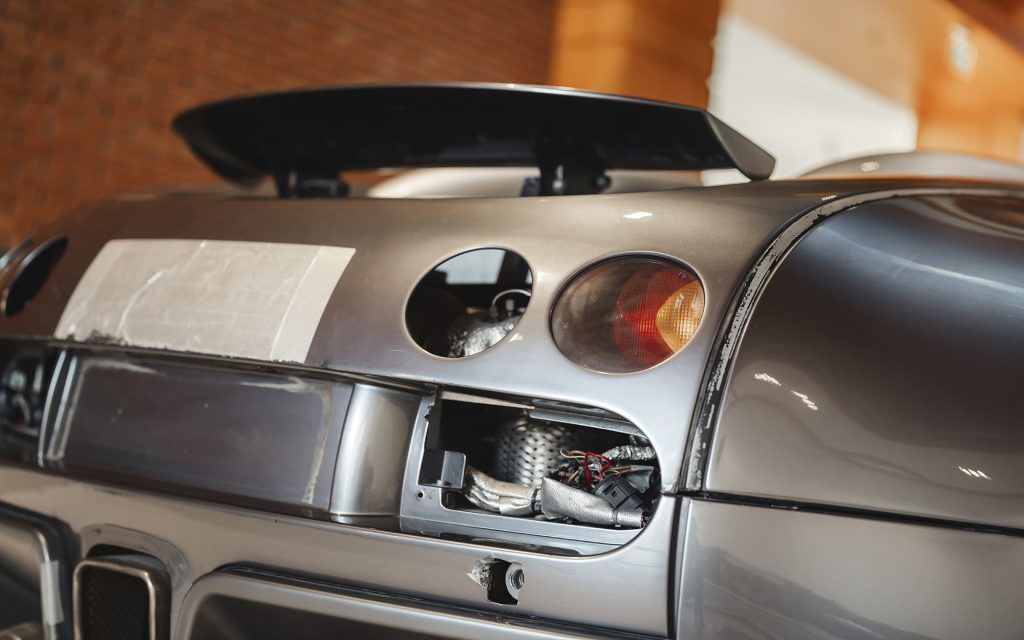
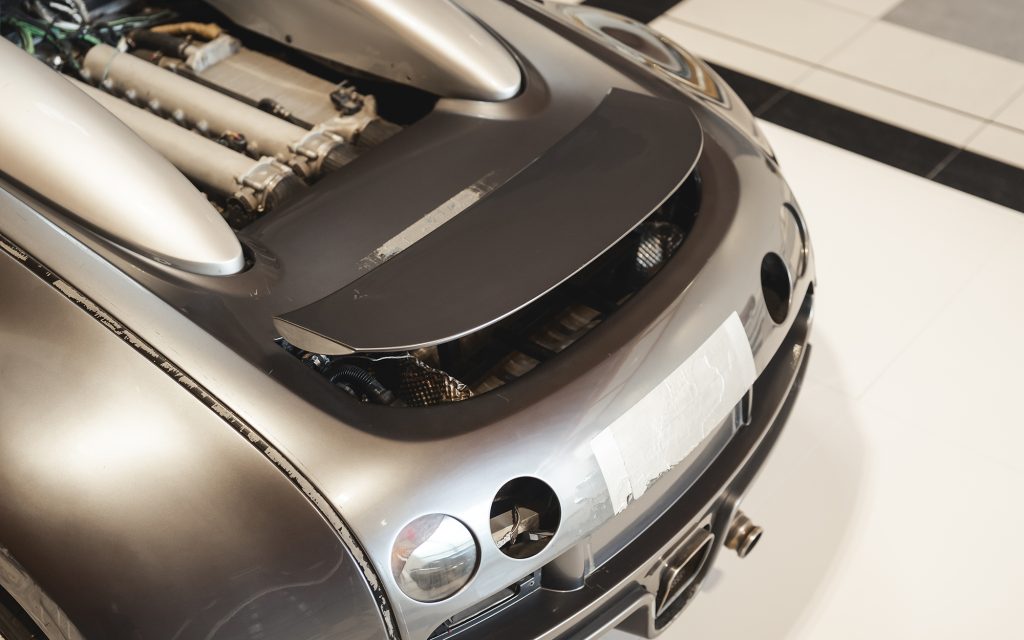
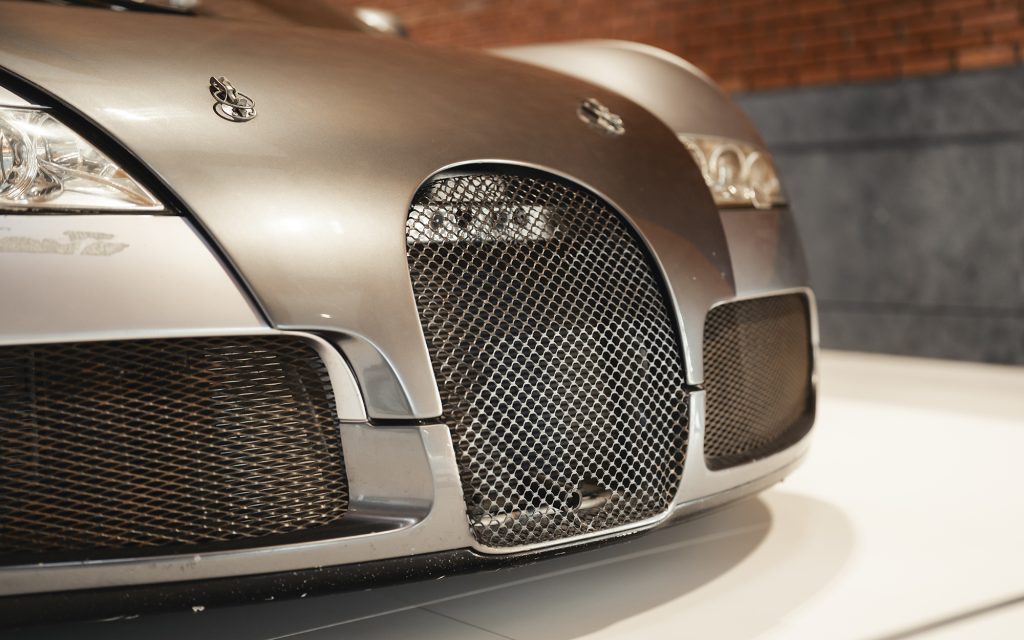
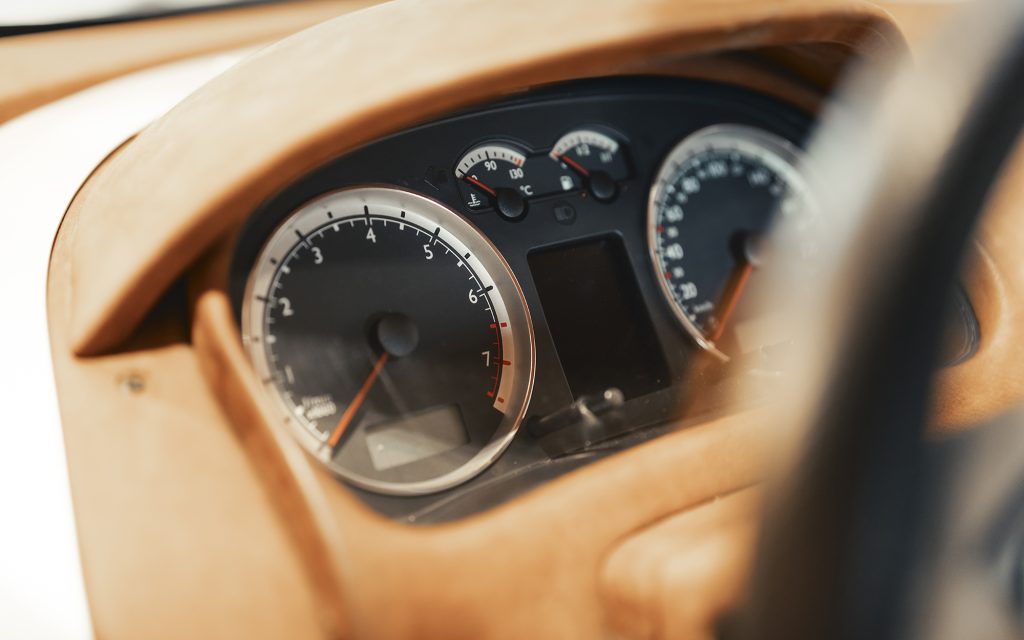
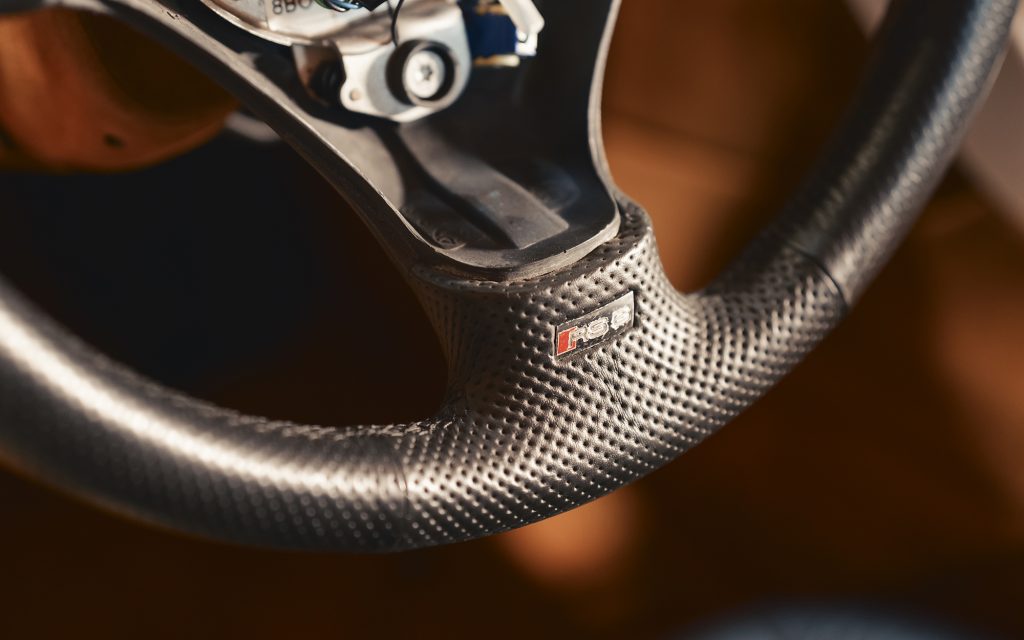
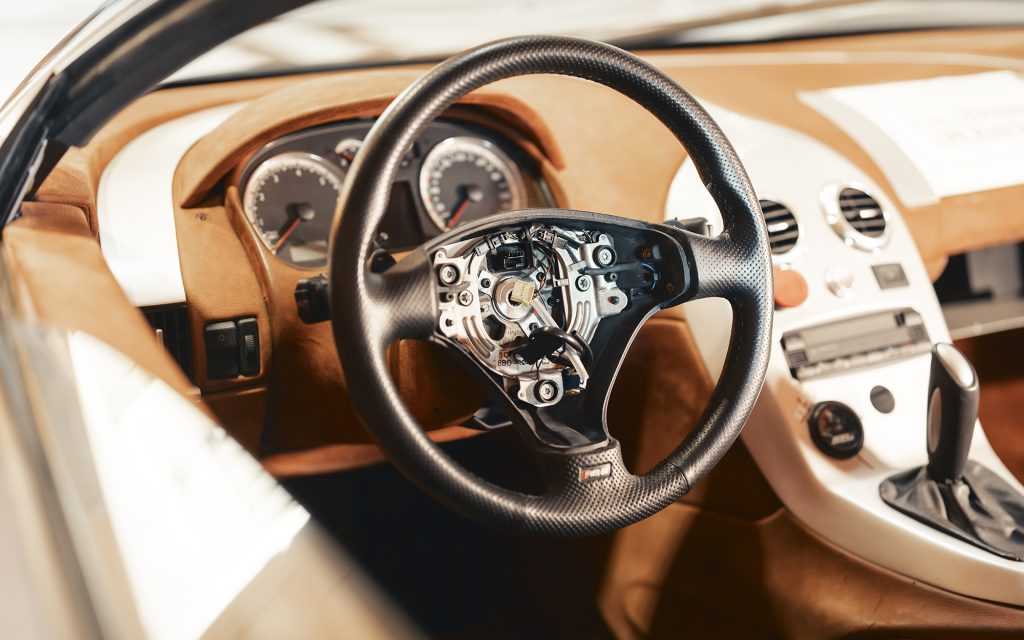
The resulting development mule still resembles a Diablo at first glance, but closer inspection reveals the compromises required to accommodate the new powertrain. The rear bodywork was raised and the left rear light was removed to provide space for additional cooling.
The W16 sits amidships, allowing Bugatti Engineering to develop the engine before the Veyron itself was ready. The relationship between the two projects extended beyond mechanical testing: early Veyron design studio models were also reportedly constructed using the Diablo as a basis.
For years the test car remained largely unknown outside Bugatti. Its public emergence makes its appearance at the Louwman particularly significant, especially alongside the first Veyron prototype that followed it.
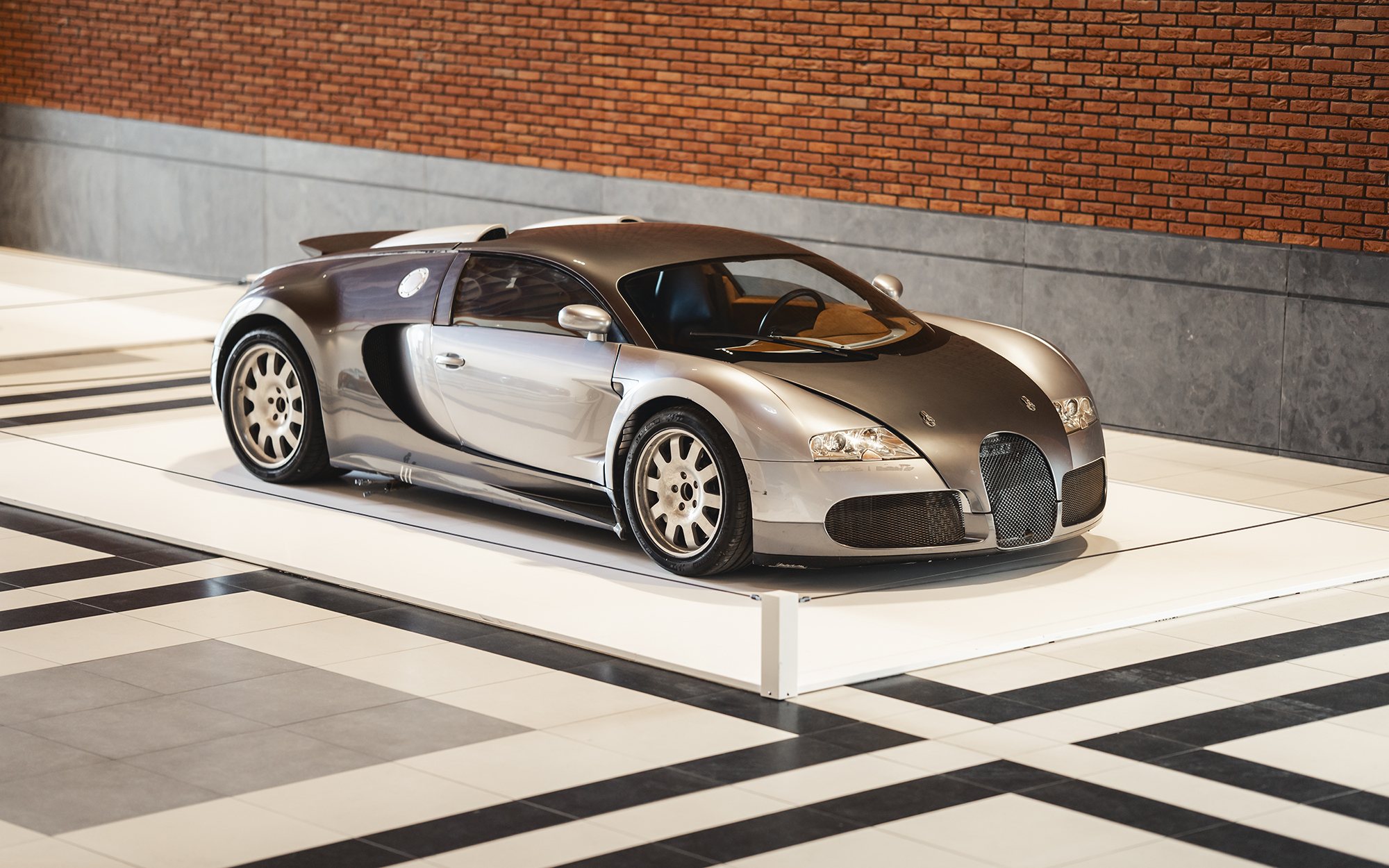
Bugatti Veyron Prototype I
If the Diablo represents the W16 before there was a suitable Bugatti to contain it, Veyron Prototype I represents the next stage.
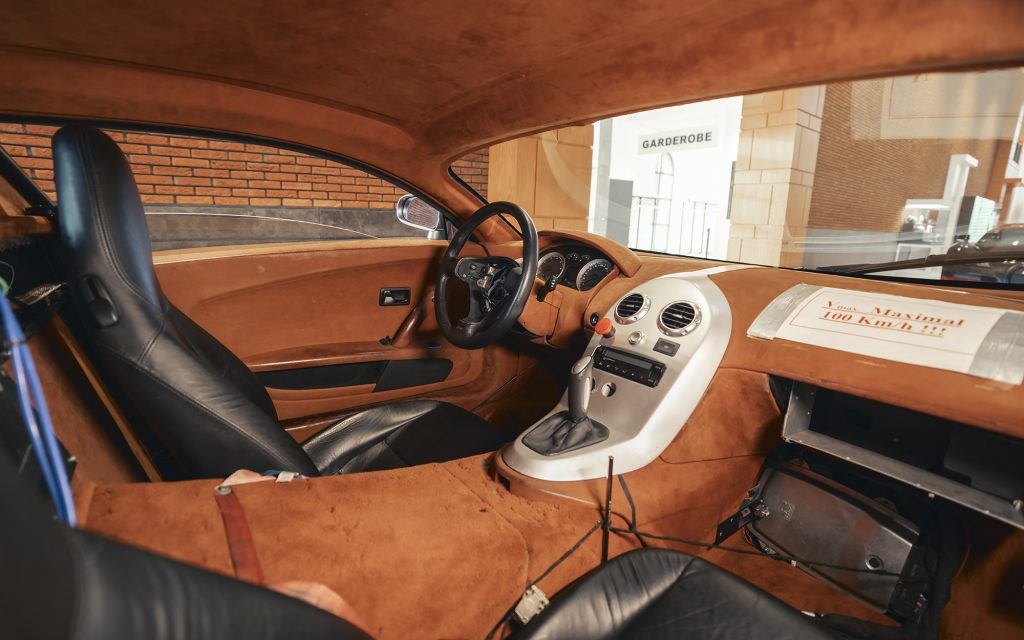
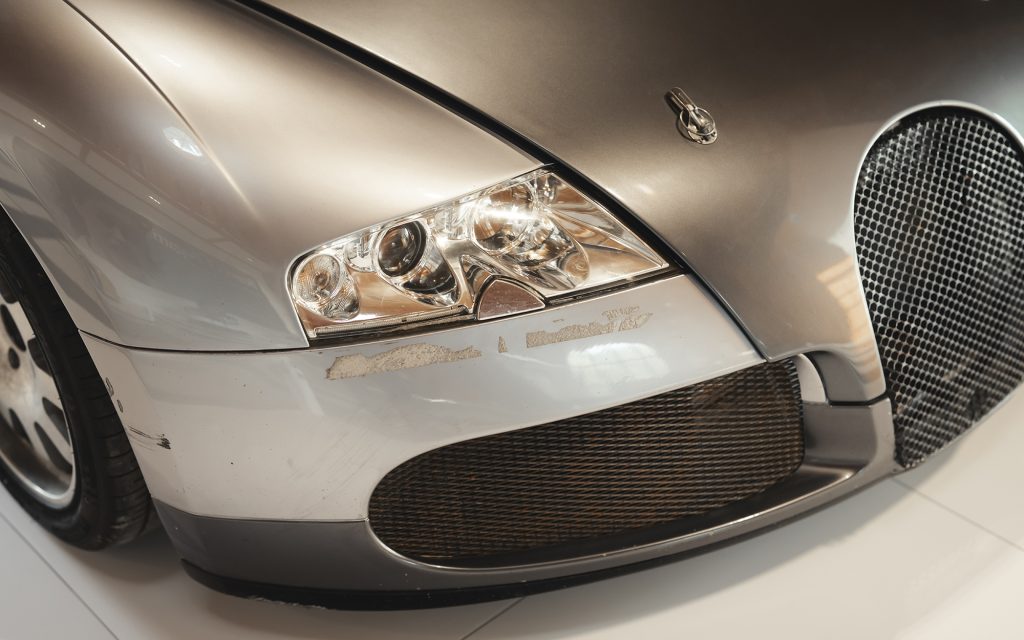
This is described as the first and oldest Bugatti Veyron 16.4 prototype and the first Veyron body used to package the W16 powertrain.
It also shows how much work remained. Details differ from the eventual production car, including the treatment of the bodywork behind the front wheels. Cooling problems and disappointing early test results forced engineers and designers to continue refining the car.
Modified prototypes entered further testing approximately two years later, but another two years would pass before series production of the Veyron began in 2005. Displaying Prototype I next to the Diablo mule provides a particularly useful look at the transition from experimental powertrain to production hypercar.
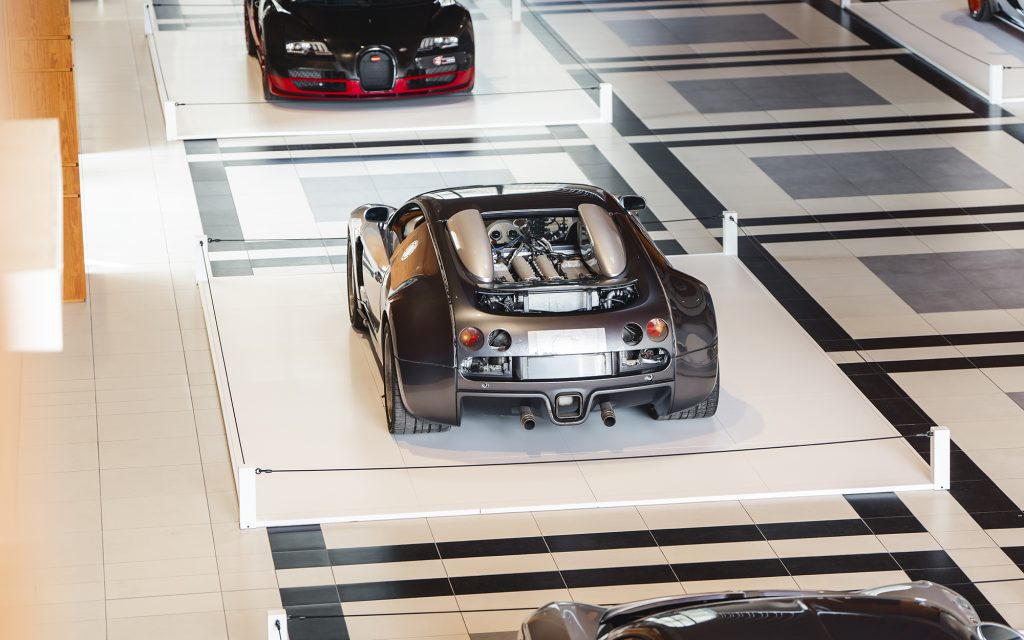
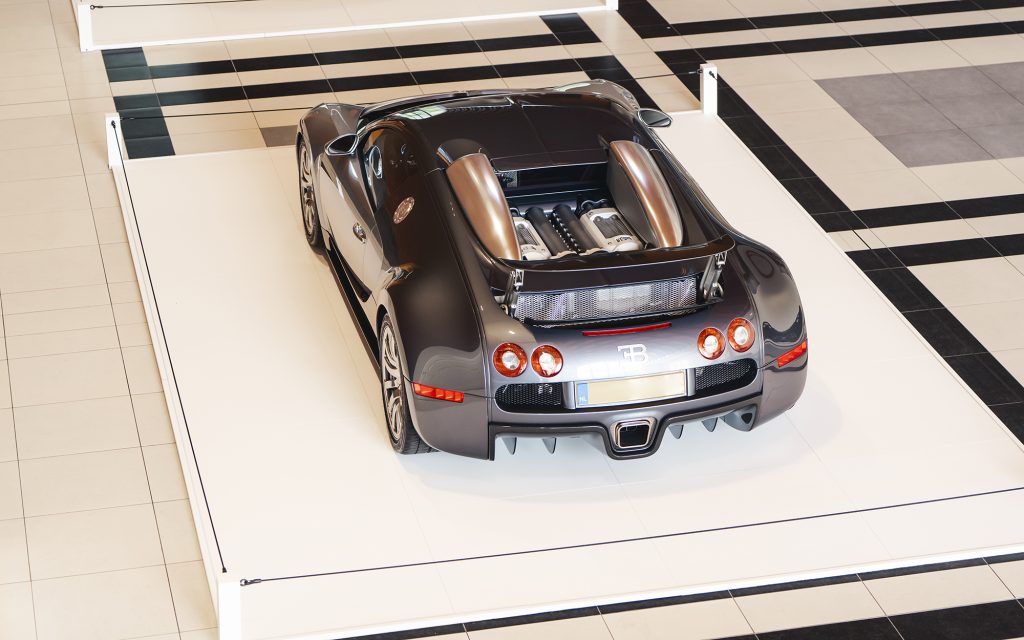
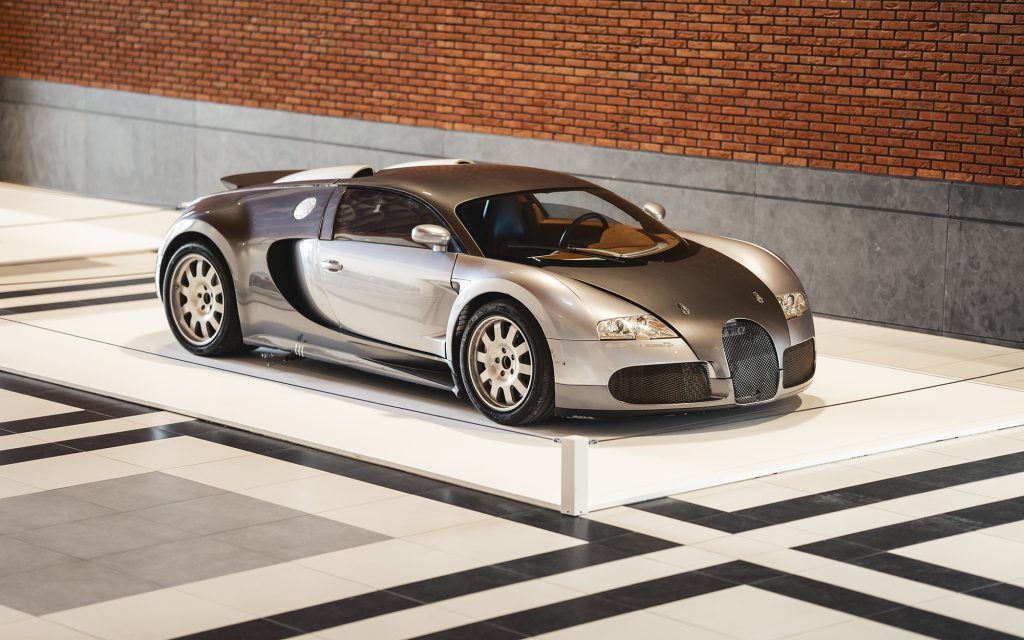
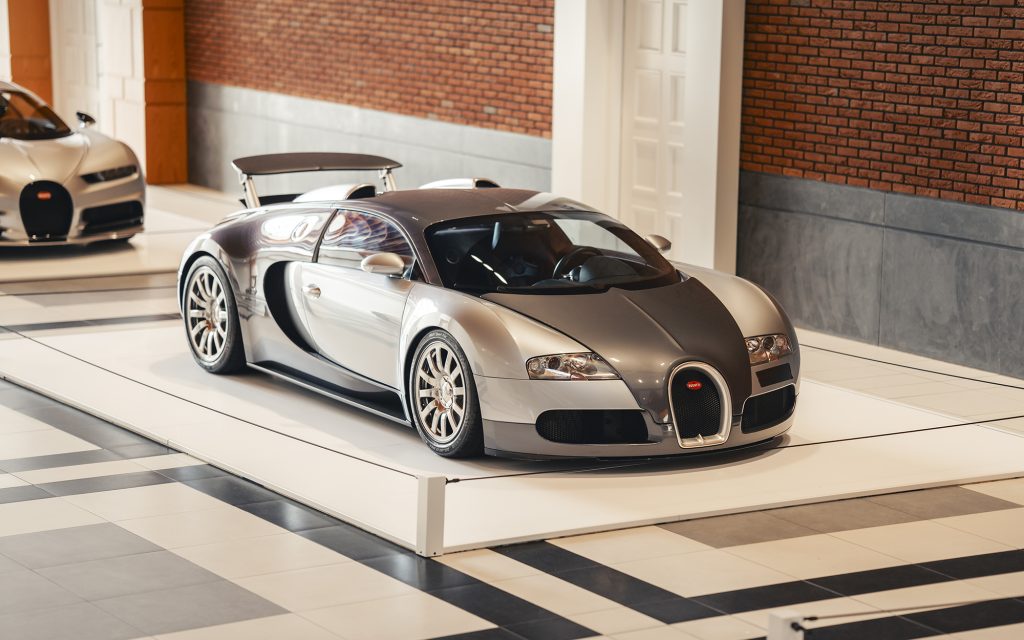
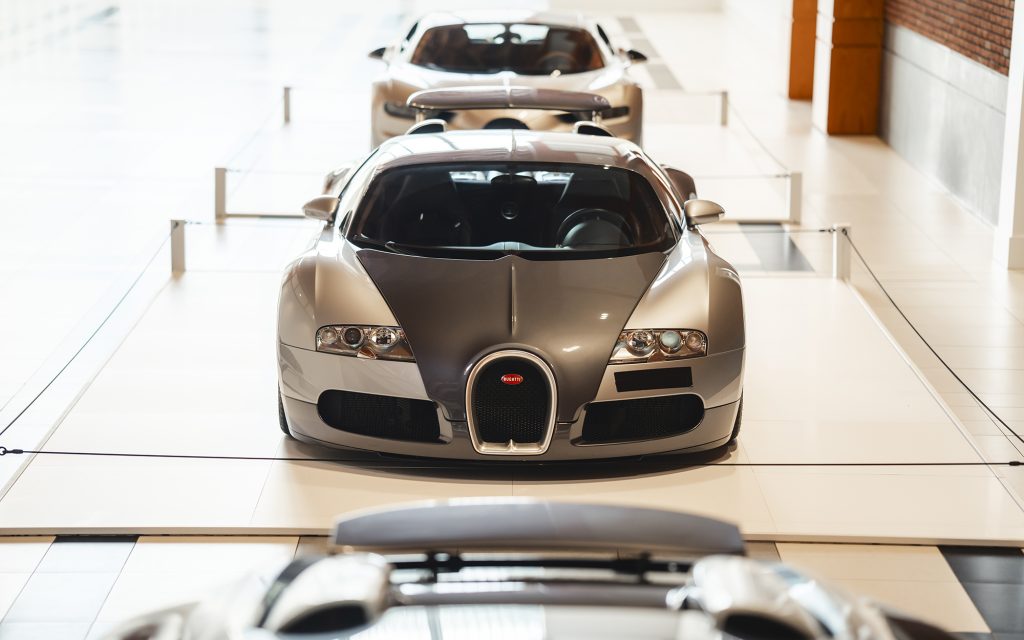
Bugatti Veyron 16.4
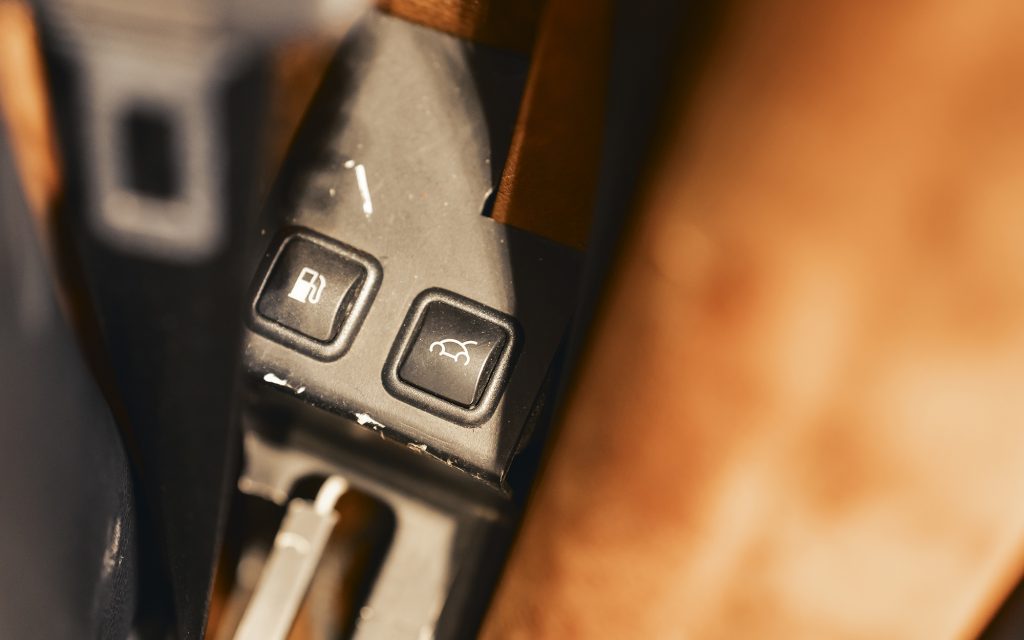
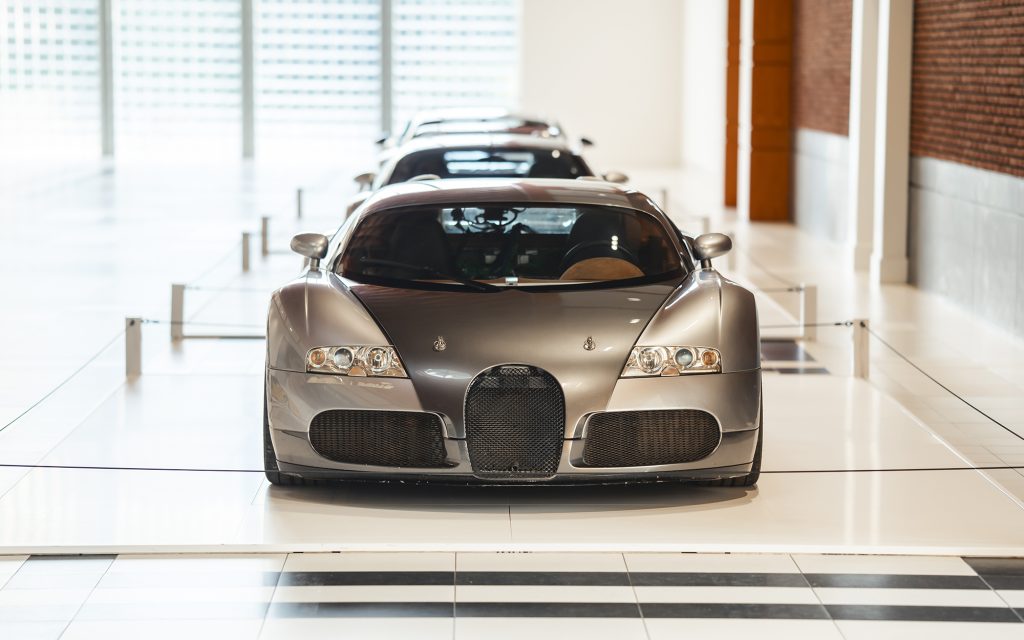
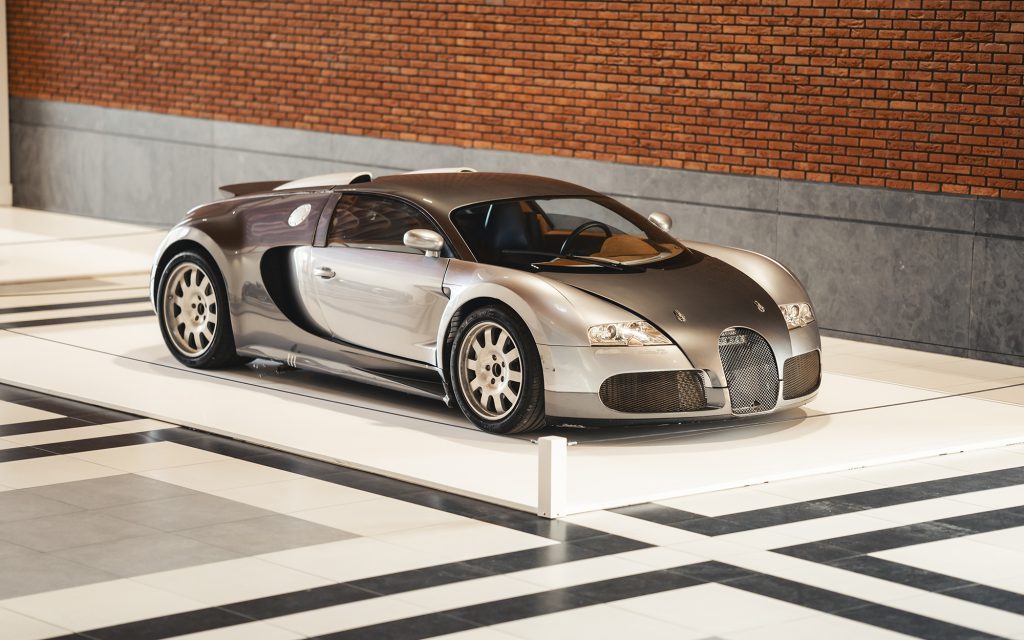
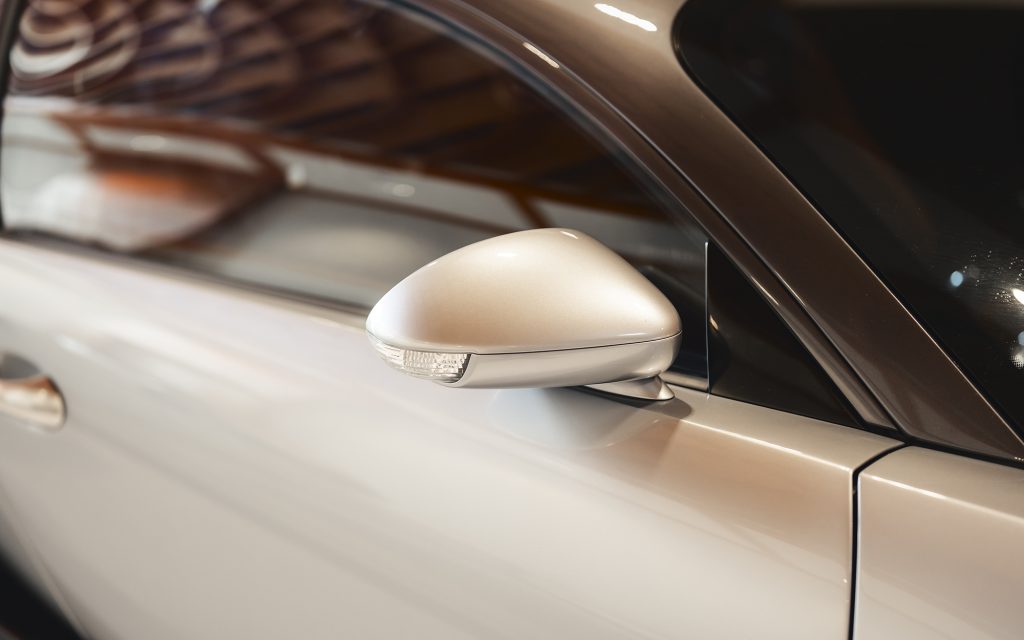
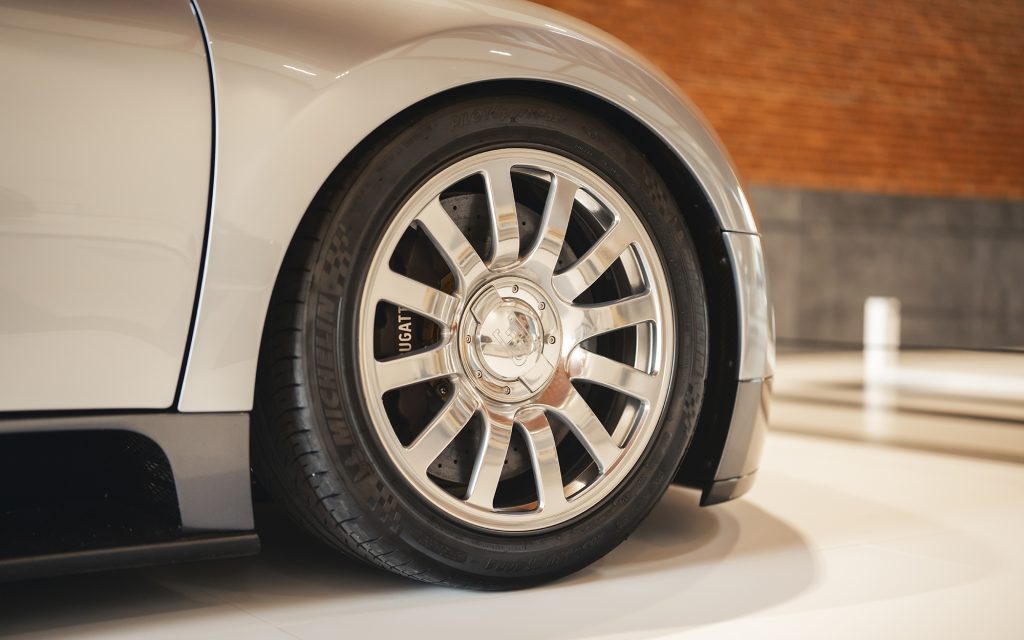
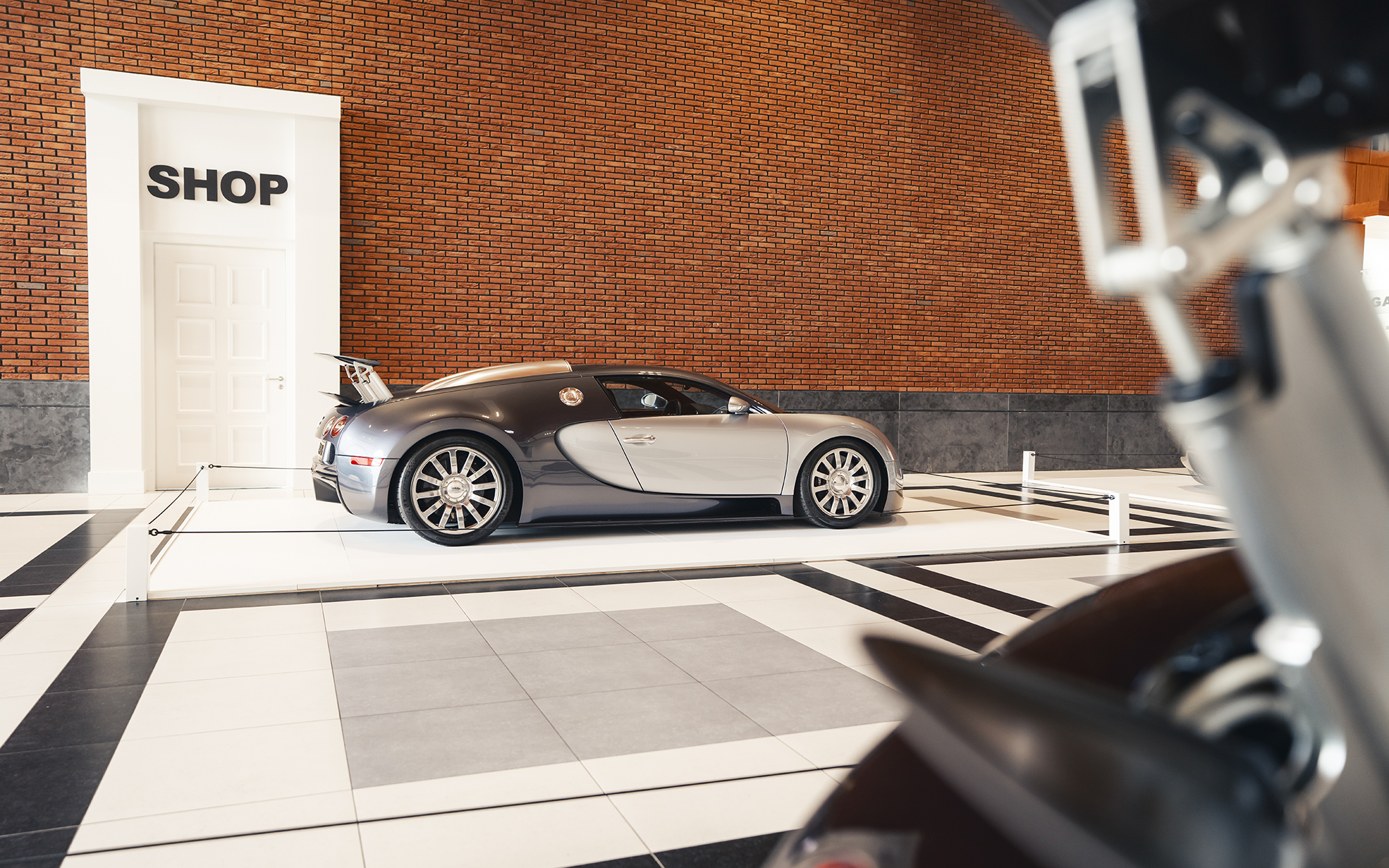
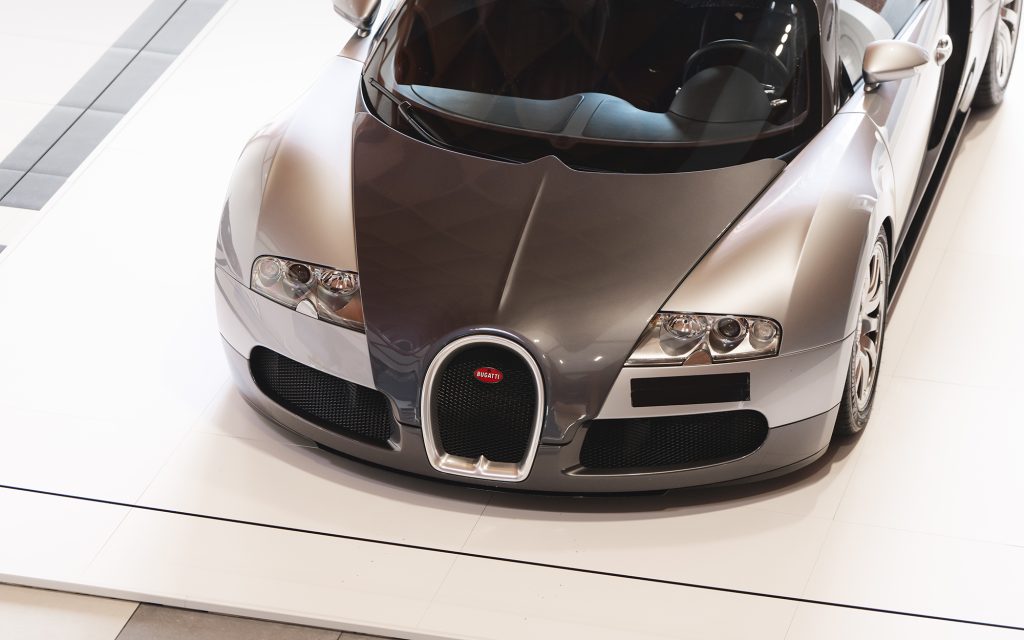
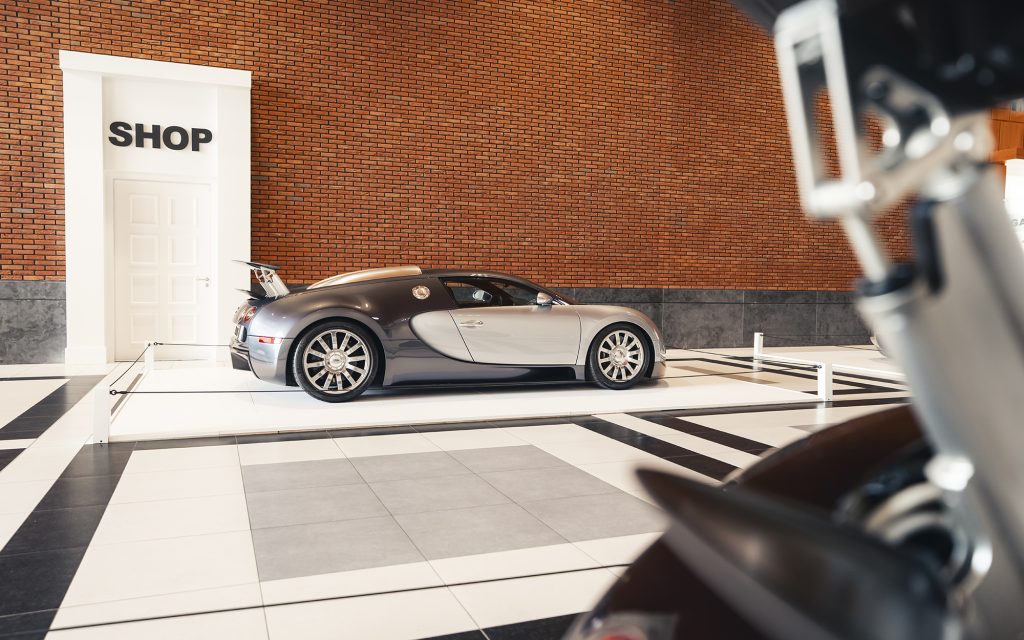
The production Veyron finally arrived in 2005, named for Bugatti test and racing driver Pierre Veyron.
Its numbers were unprecedented for a series-production road car: 1,001 hp, four driven wheels and a top speed exceeding 400 km/h, or approximately 249 mph. Its price also exceeded €1 million before taxes.
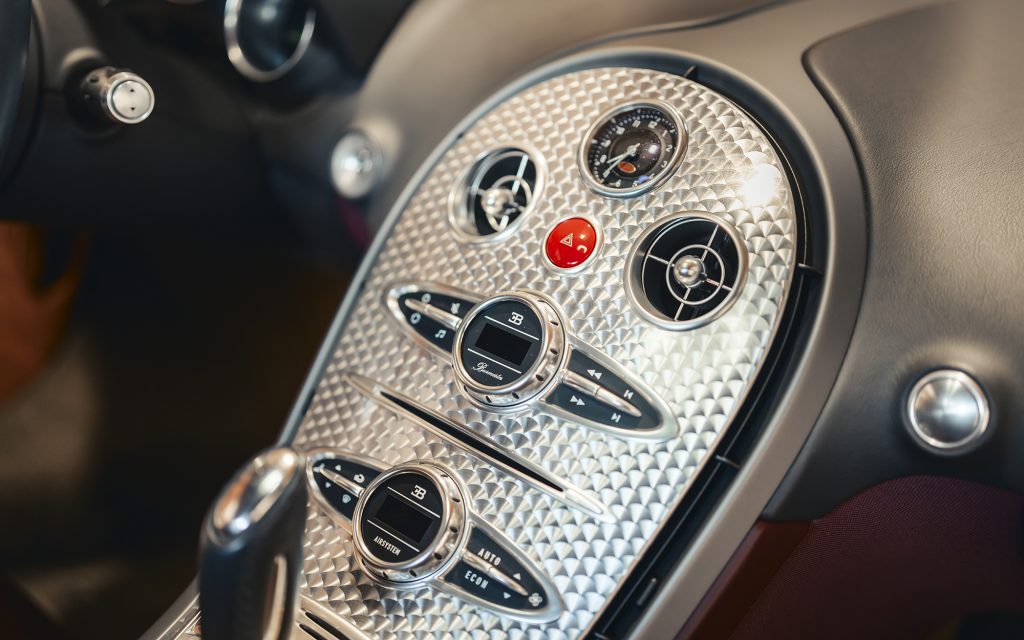
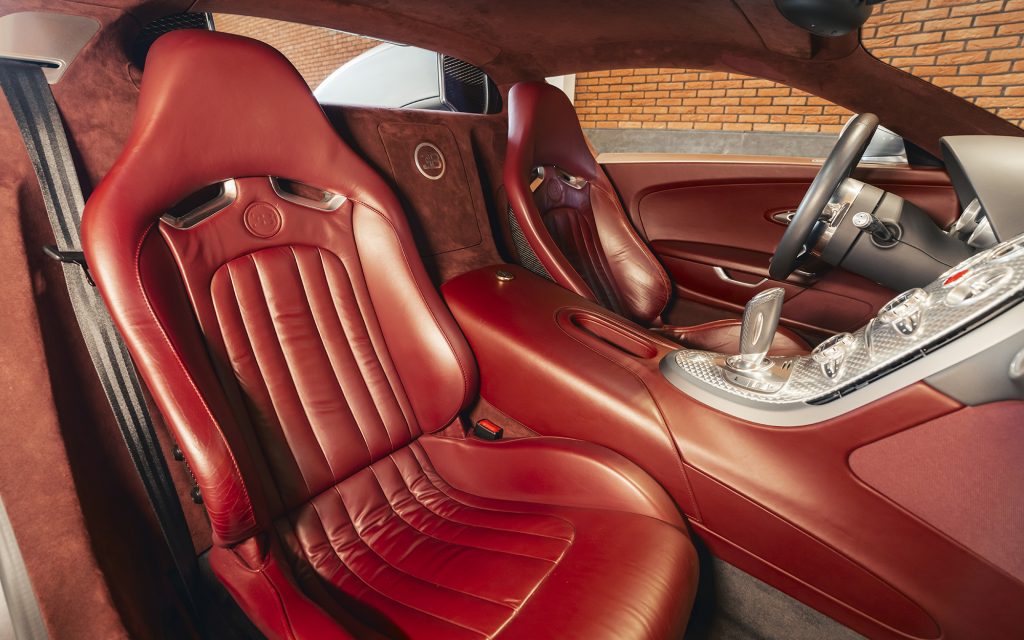
More significant was the combination. Other cars had pursued extreme speed or power, but the Veyron attempted to combine those figures with the usability and finish expected of a luxury automobile.
Getting there proved extraordinarily expensive. Development difficulties, particularly those associated with cooling and operating reliably at very high speeds, contributed to a lengthy and costly engineering program.
Bugatti ultimately limited production of the Veyron 16.4 coupe to 300 examples. The car established the basic mechanical architecture that Bugatti would continue developing for roughly two decades.
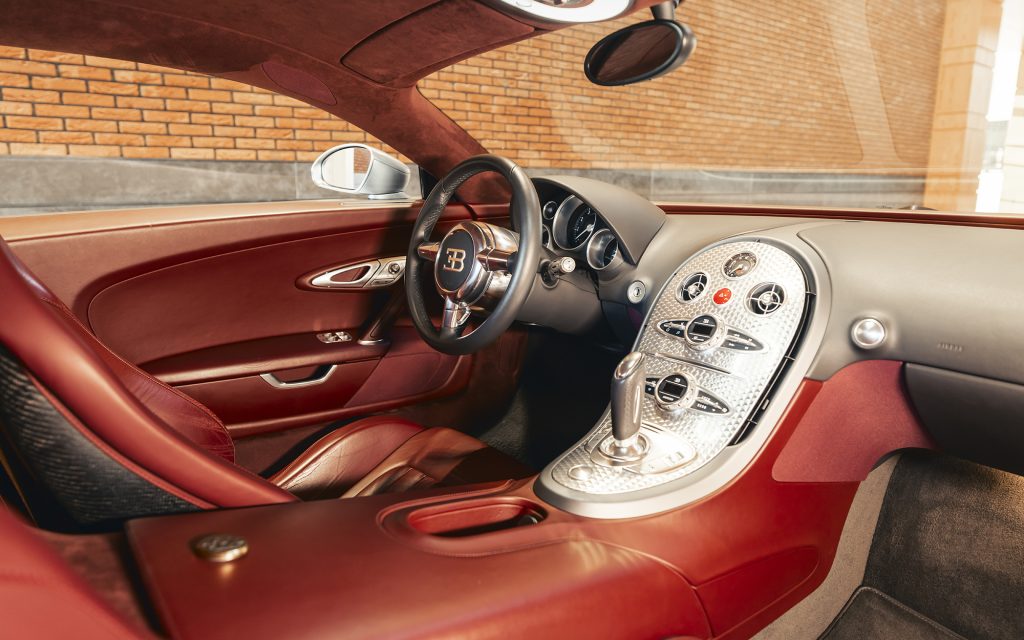
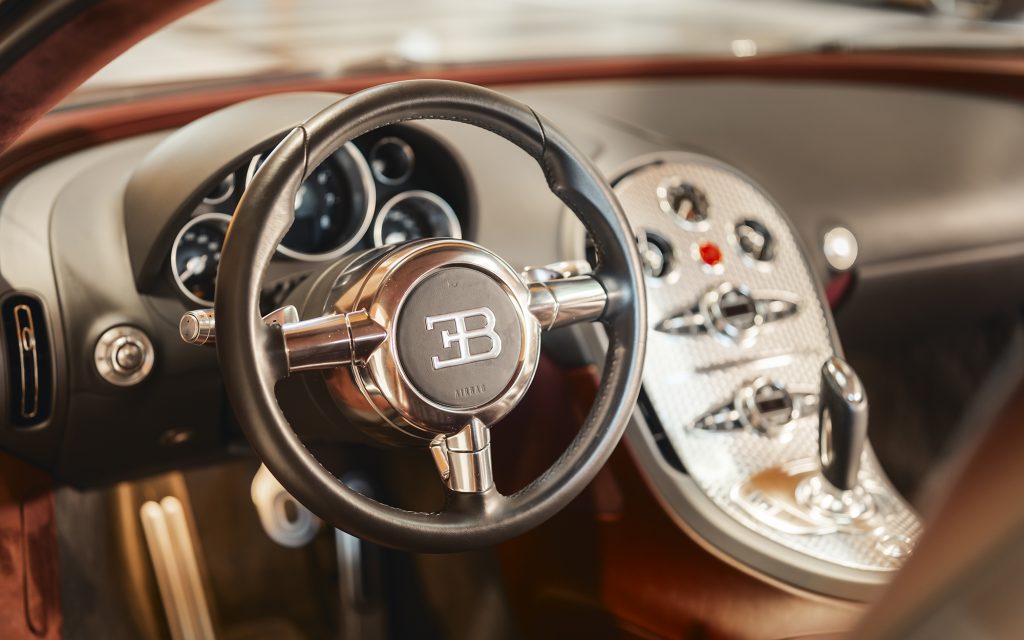
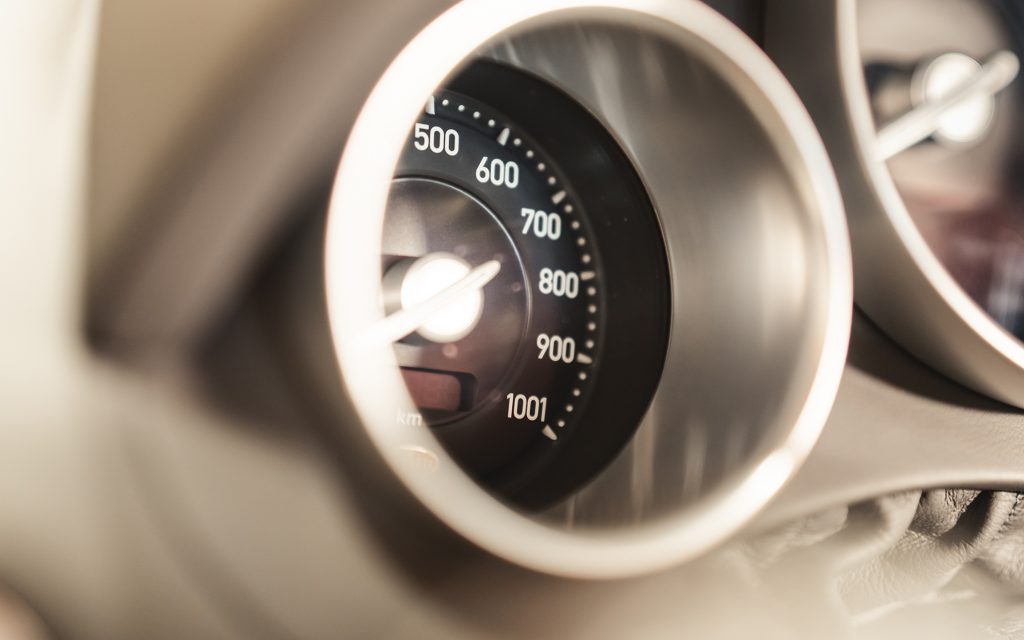
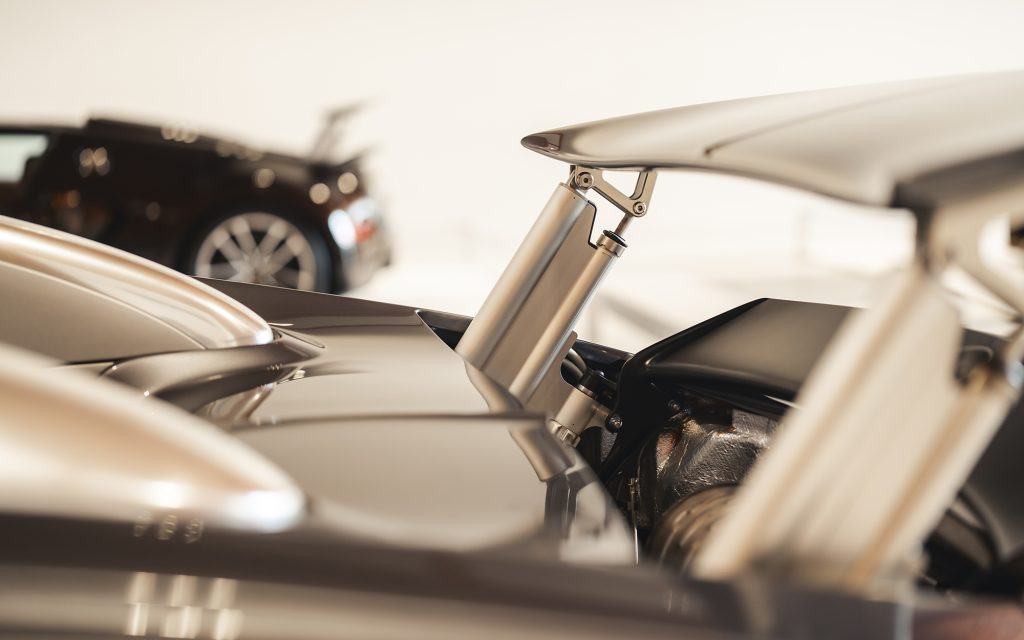
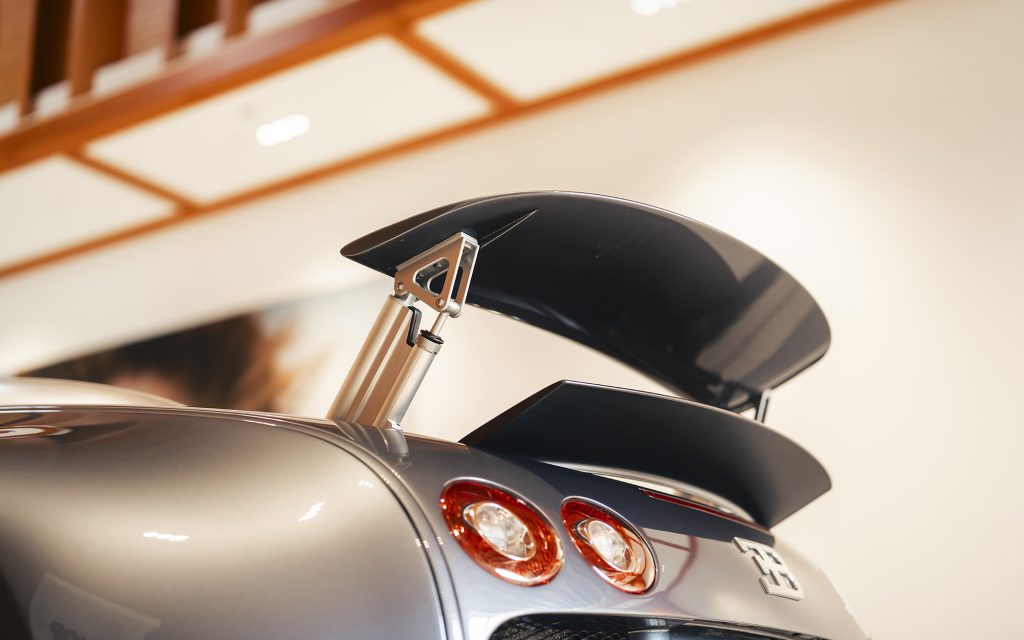
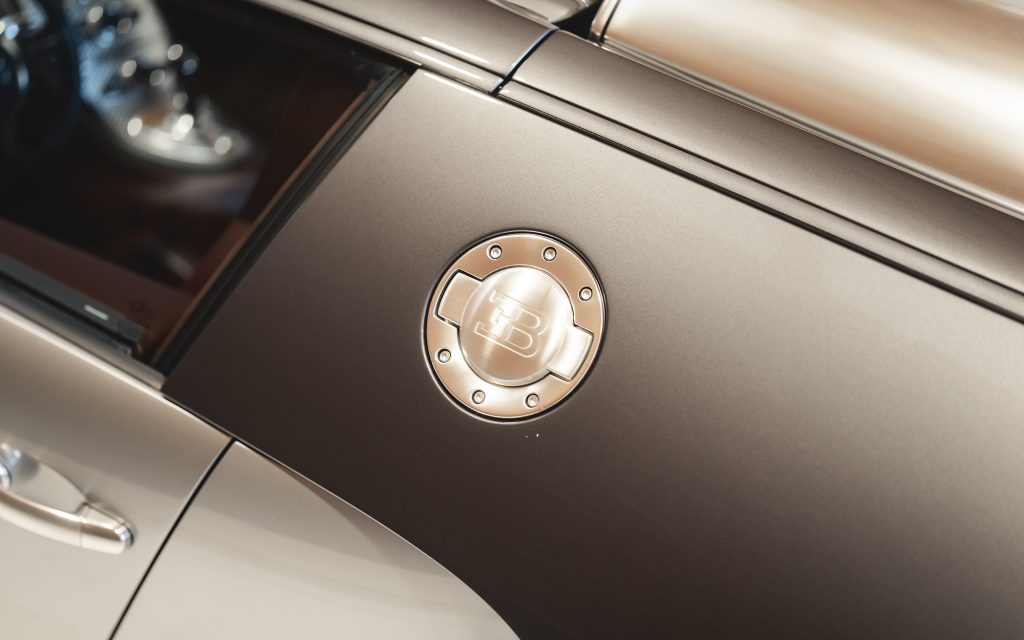
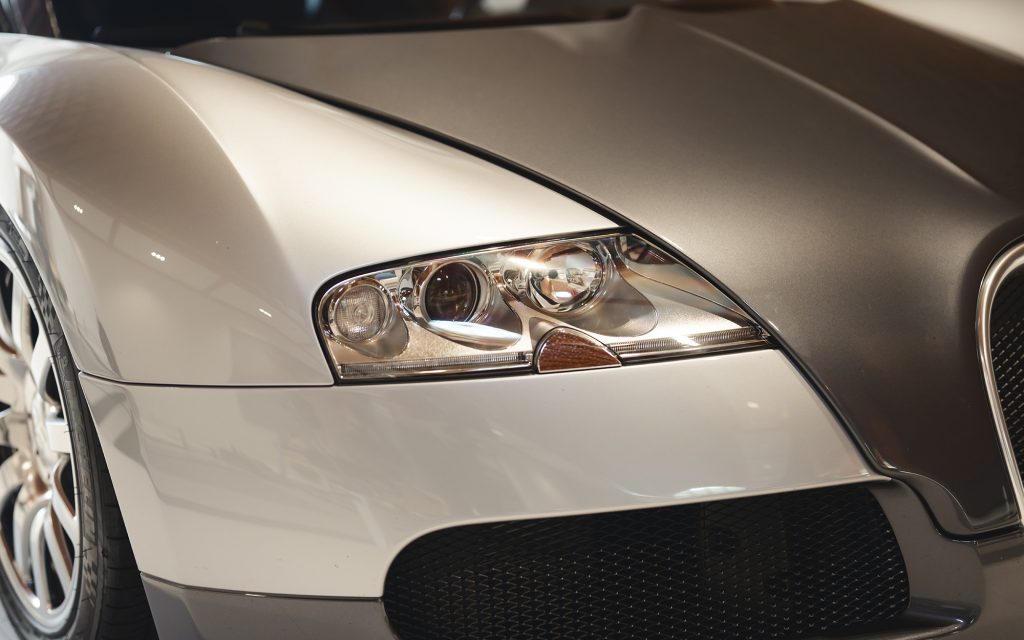
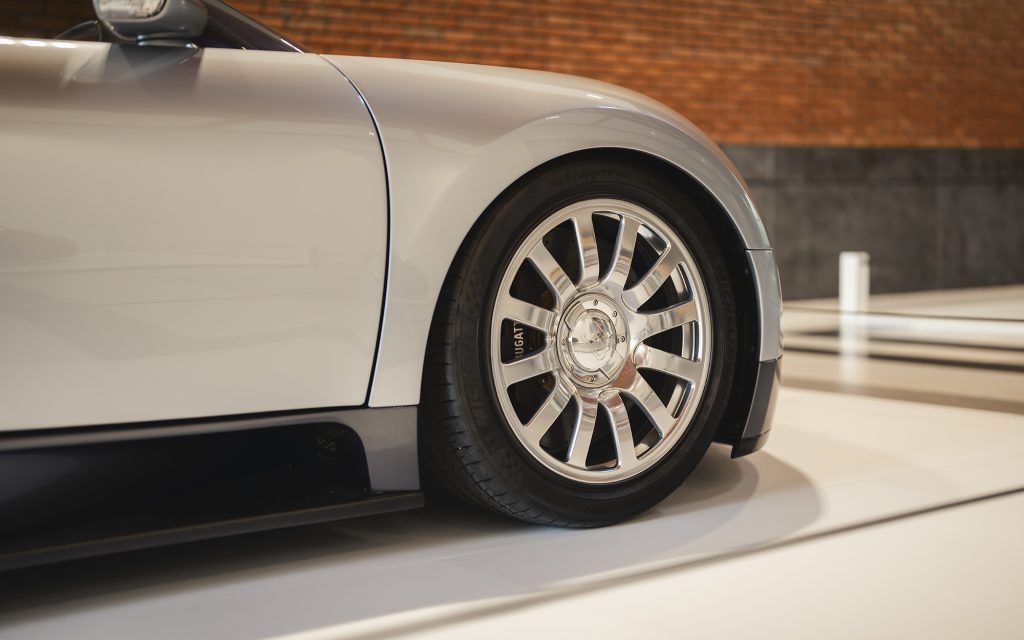
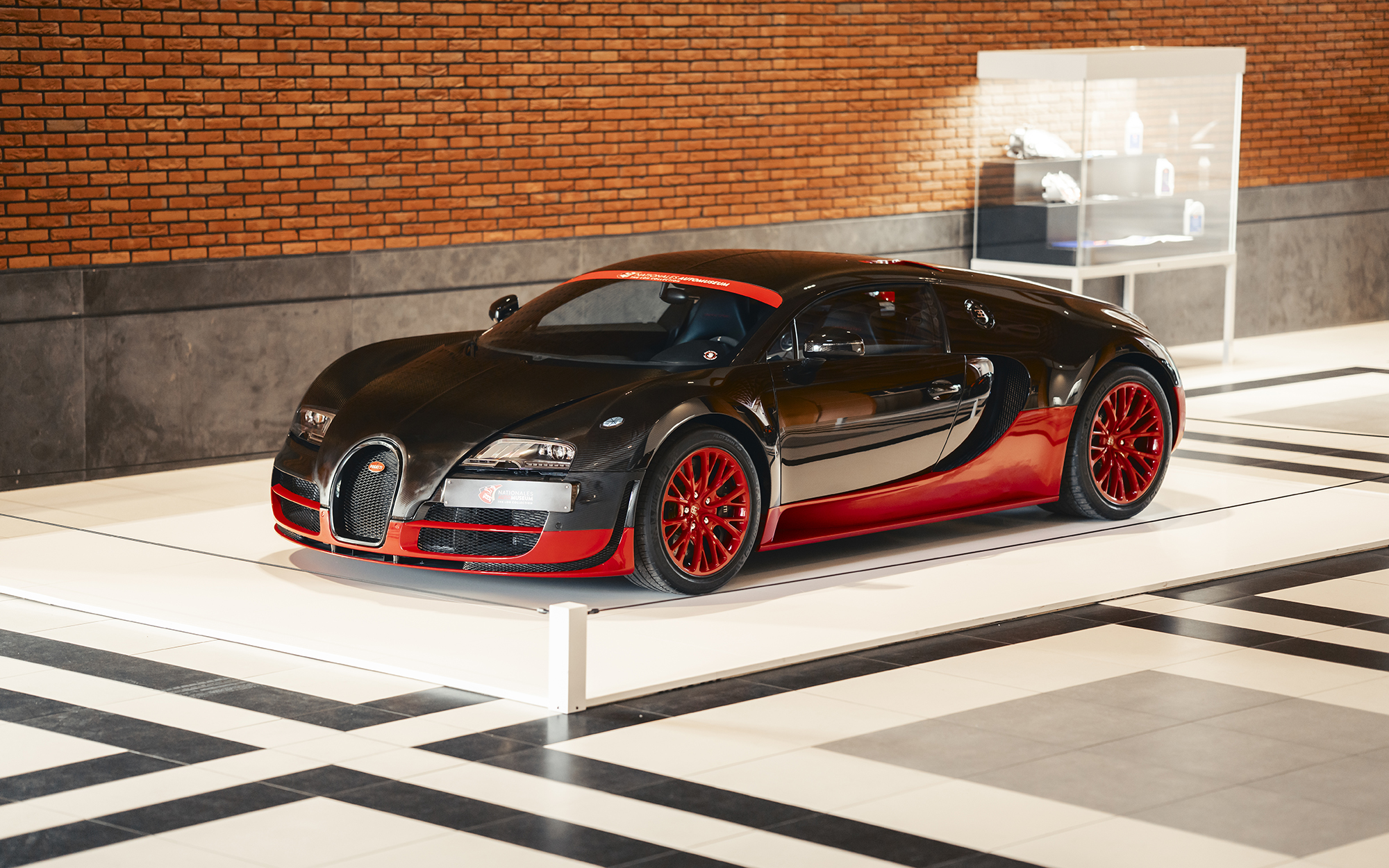
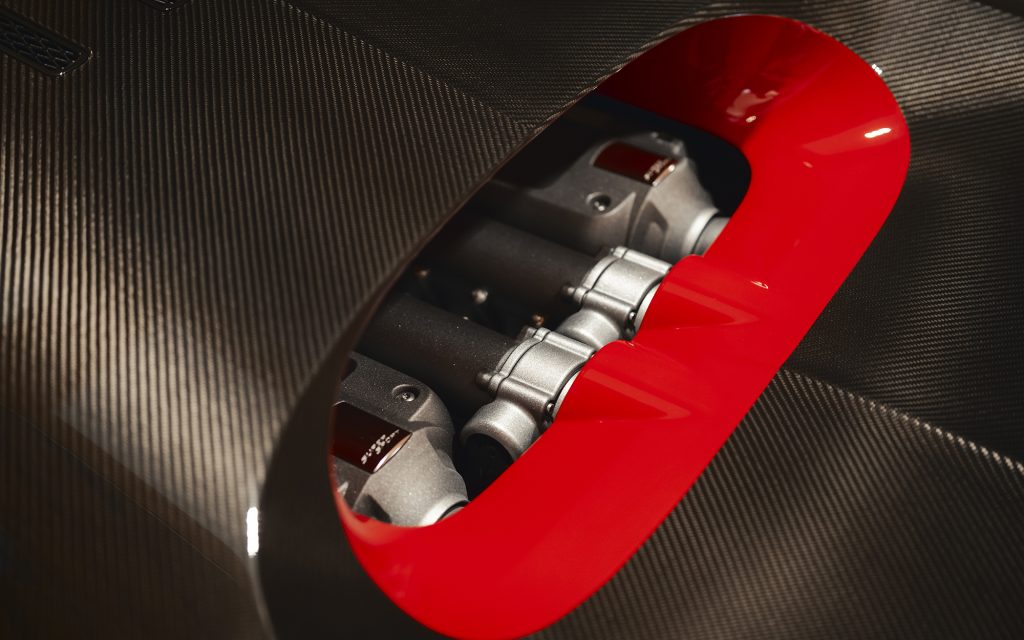
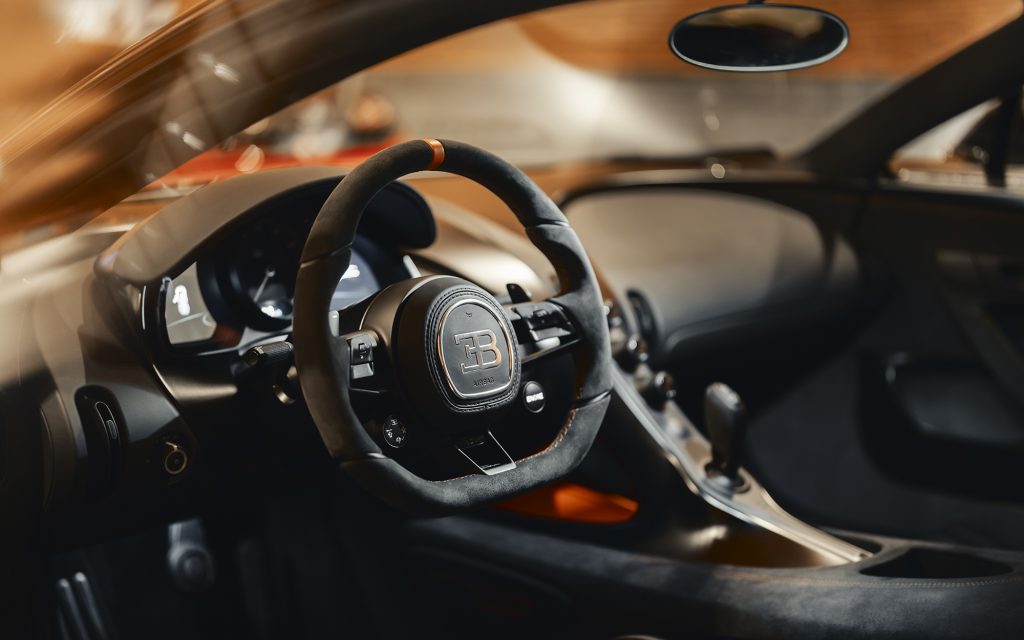
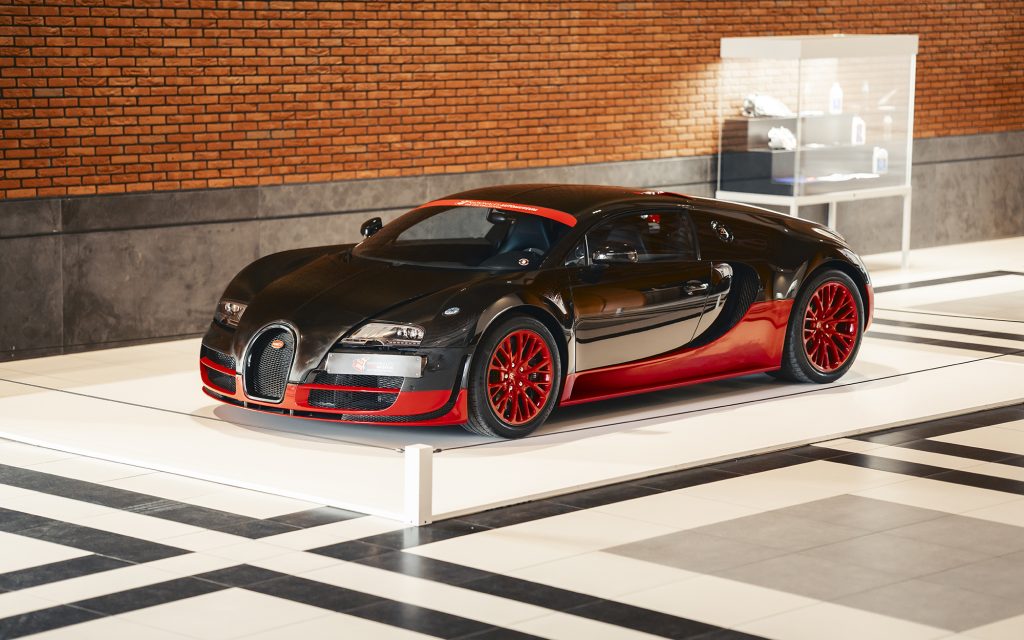
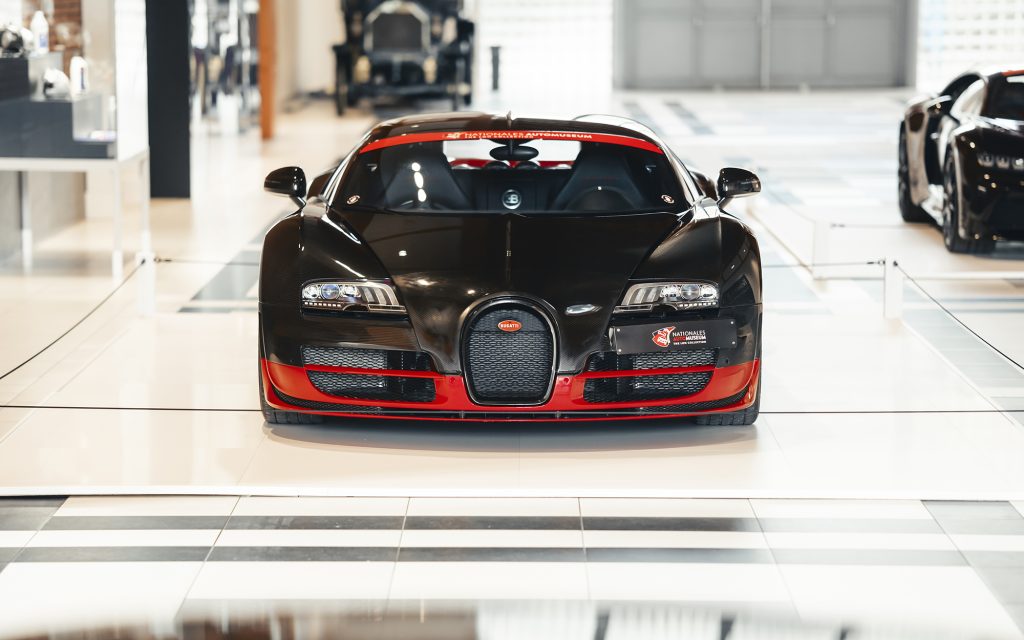
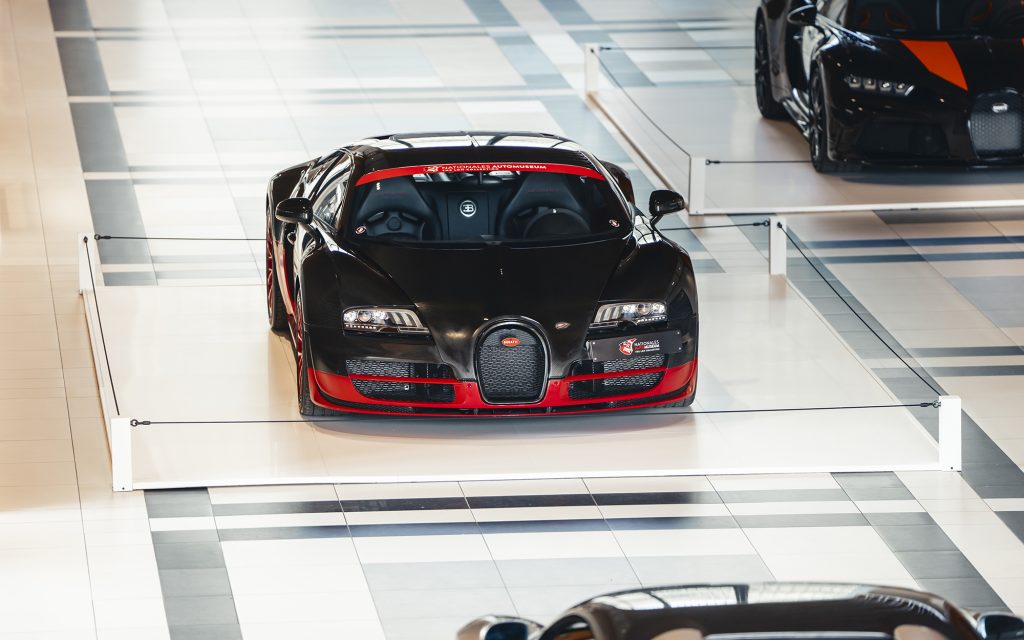
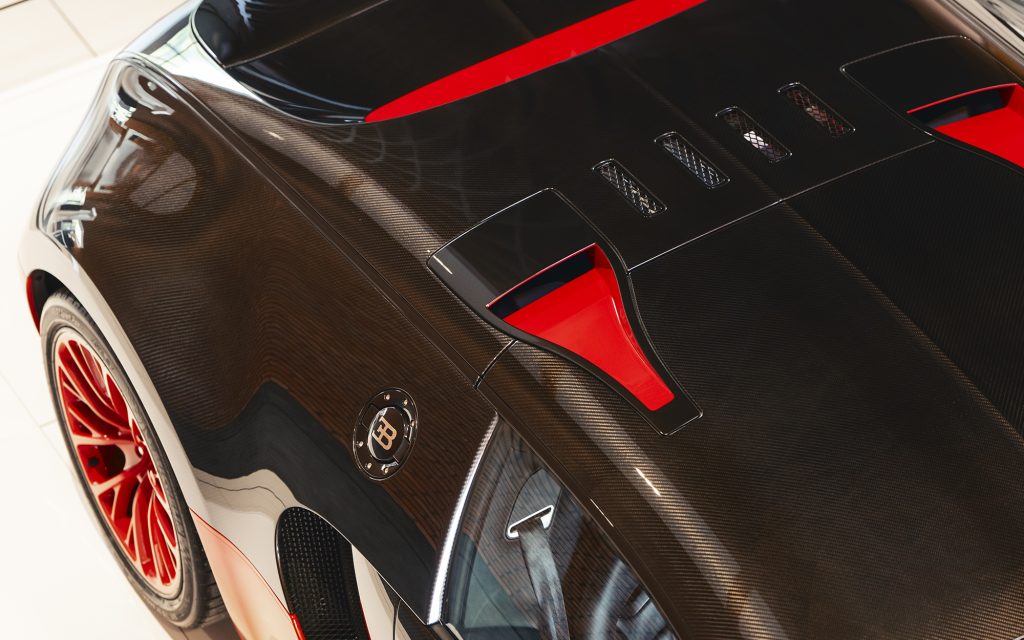
Bugatti Veyron Super Sport
The W16 had more to give.
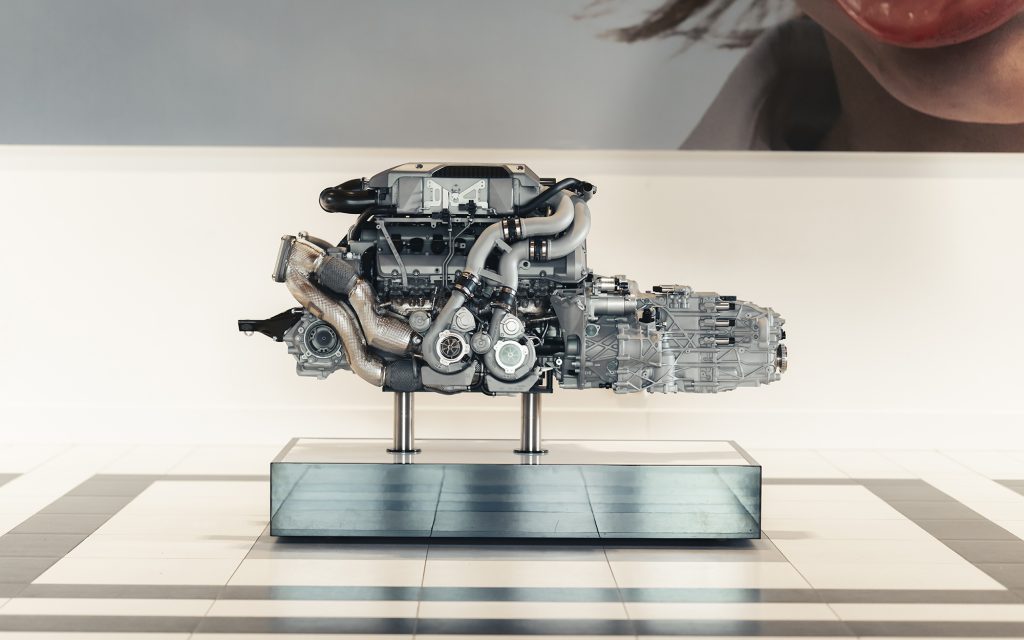
According to the Louwman Museum, Bugatti’s original objective had been approximately 1,000 hp, but early dynamometer testing showed the 8.0-liter engine capable of producing more than 1,200 hp. Output was initially held to 1,001 hp for the standard Veyron.
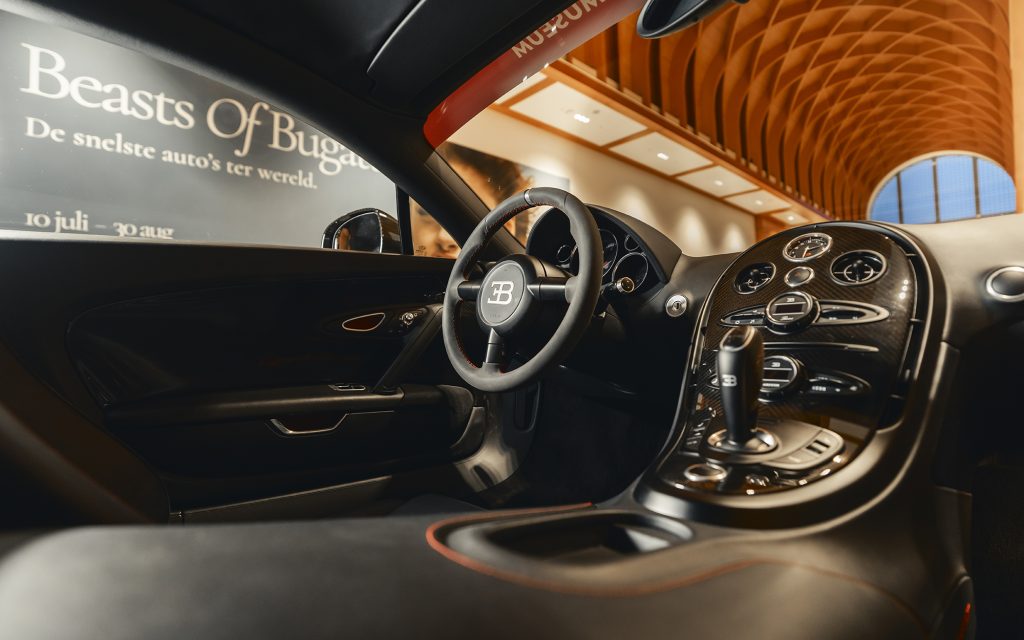
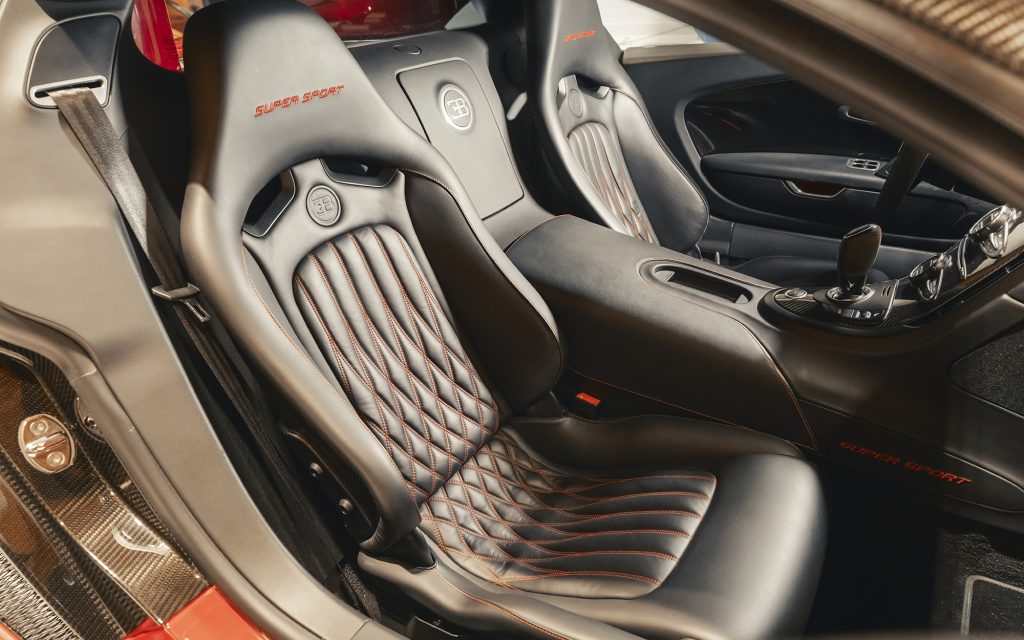
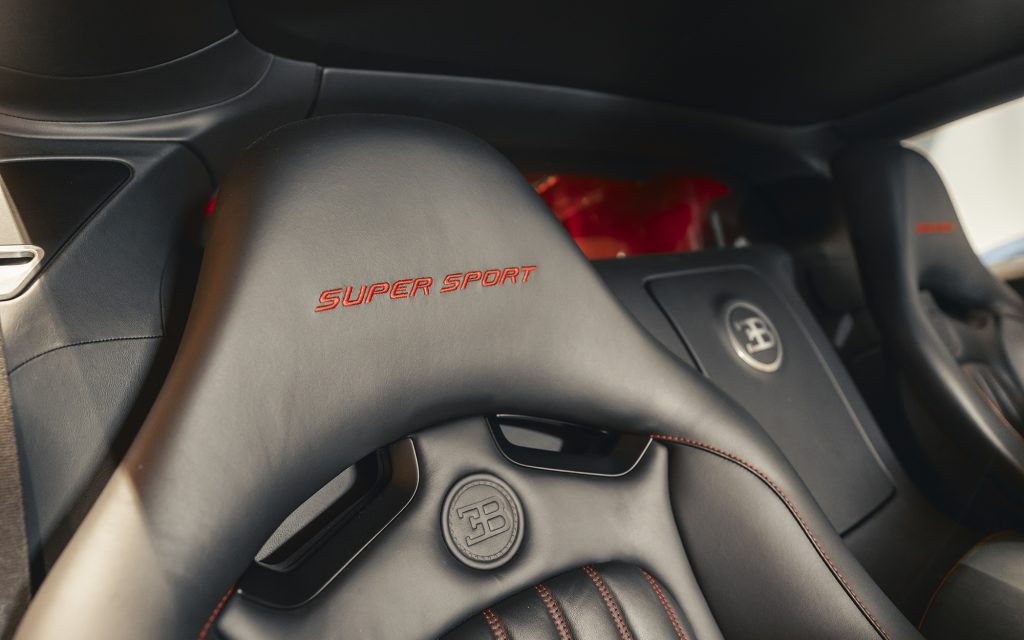
The Veyron Super Sport, introduced in 2010, finally used the higher figure. Larger turbochargers helped raise output to 1,200 hp, accompanied by aerodynamic and chassis changes intended to make use of the additional performance.
During record testing, the car recorded 427.933 km/h in one direction and 434.211 km/h in the other. The resulting 431.072-km/h average, approximately 267.9 mph, established a Guinness World Record.
Production Super Sports were electronically limited to 415 km/h, or about 258 mph.
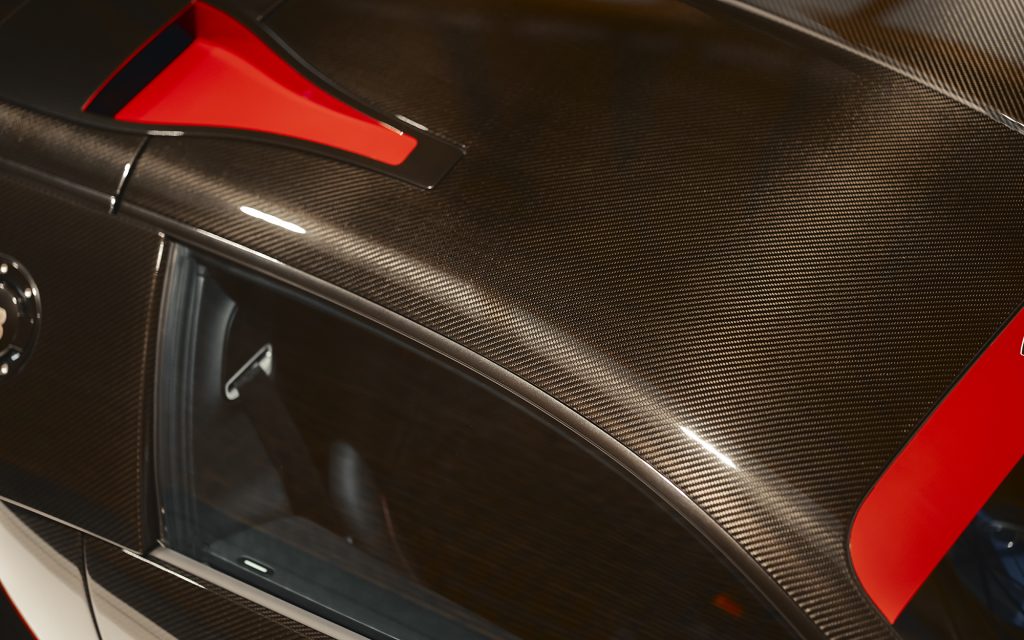
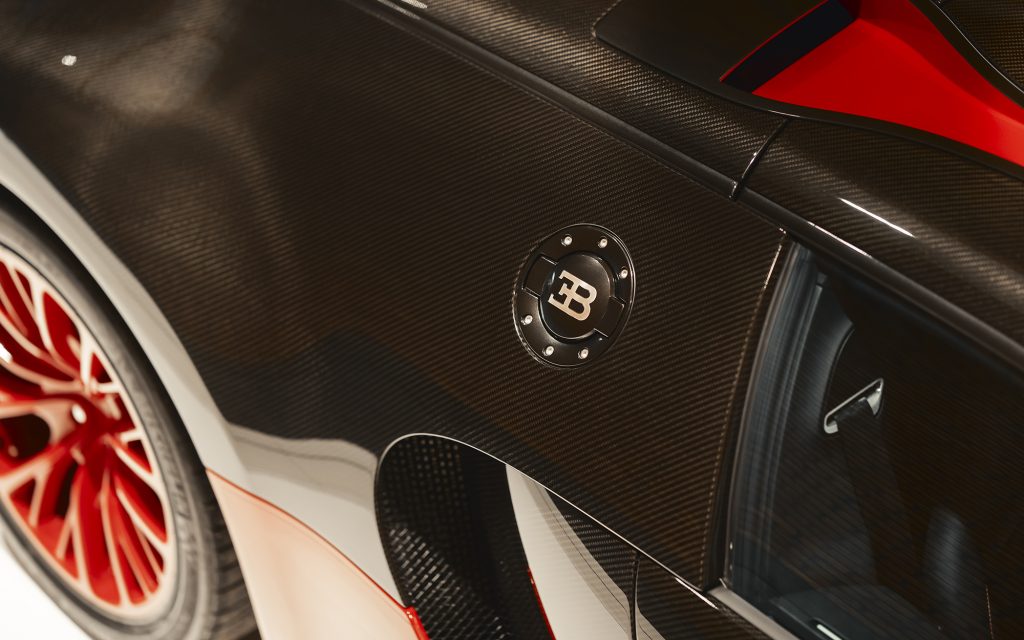
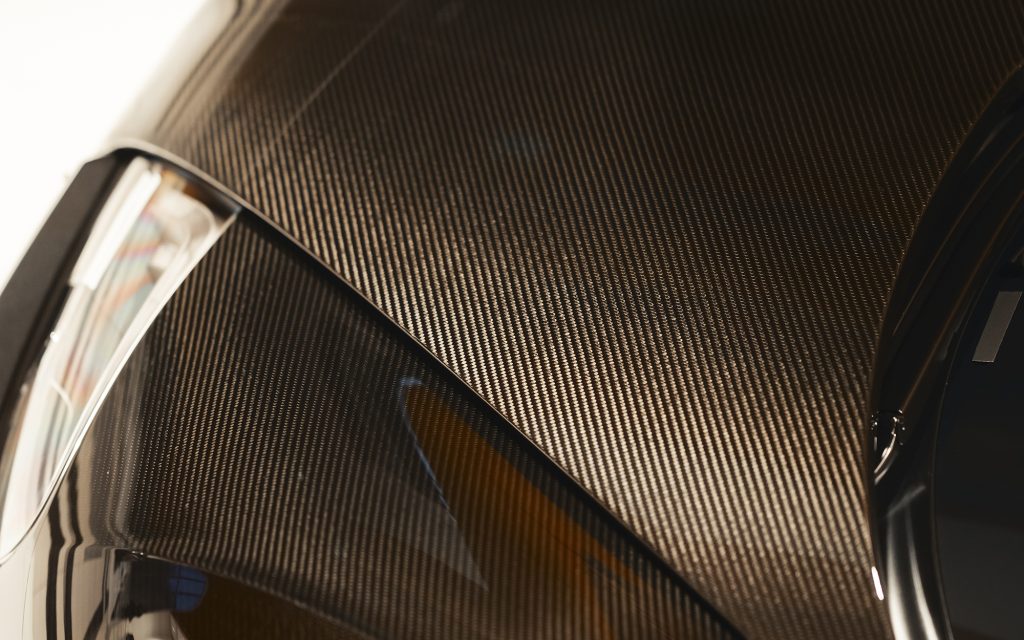
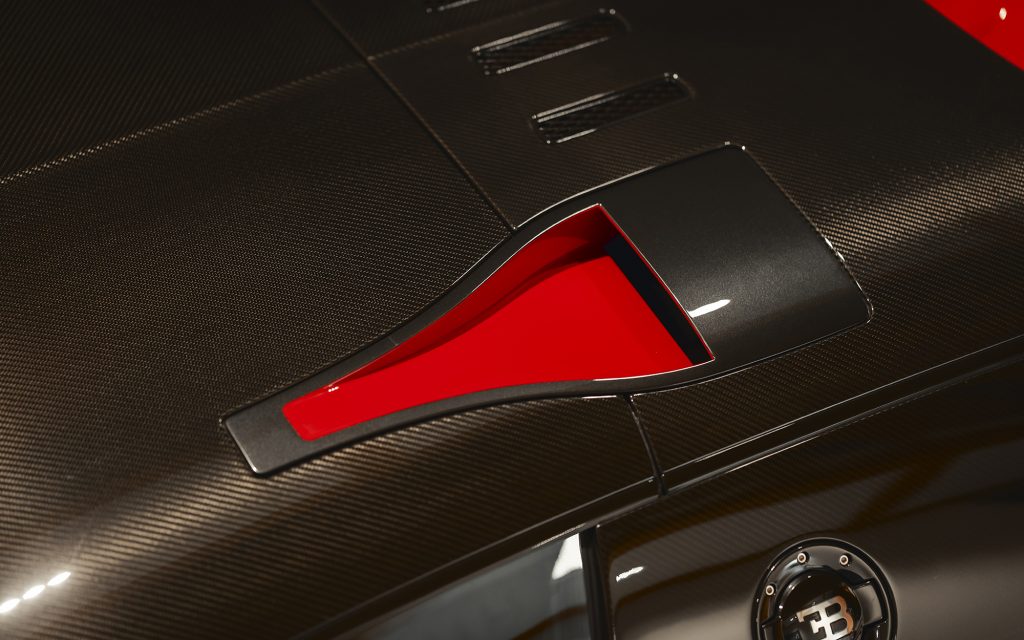
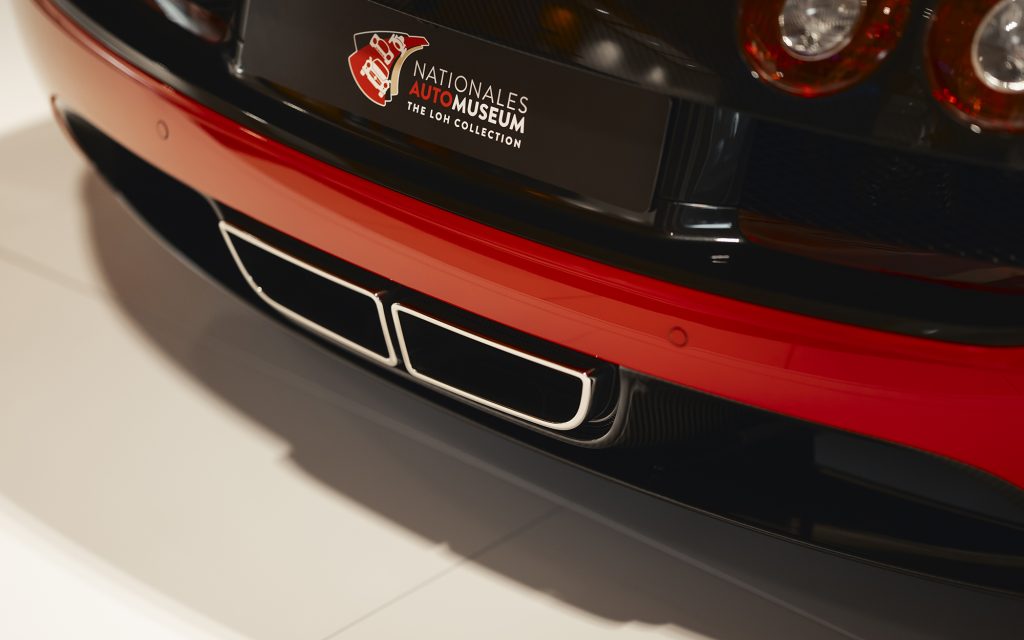
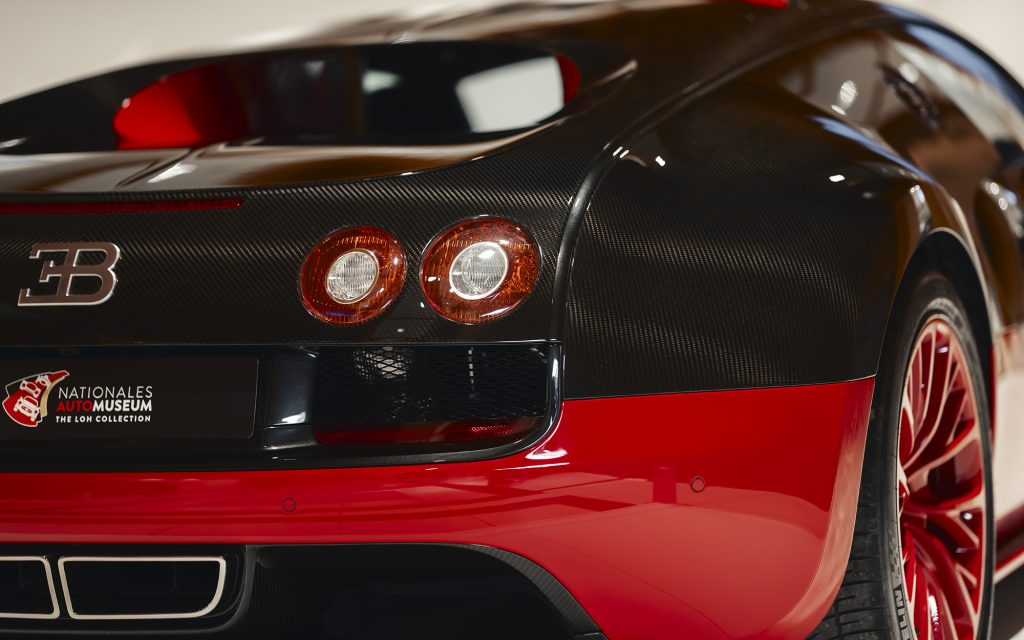
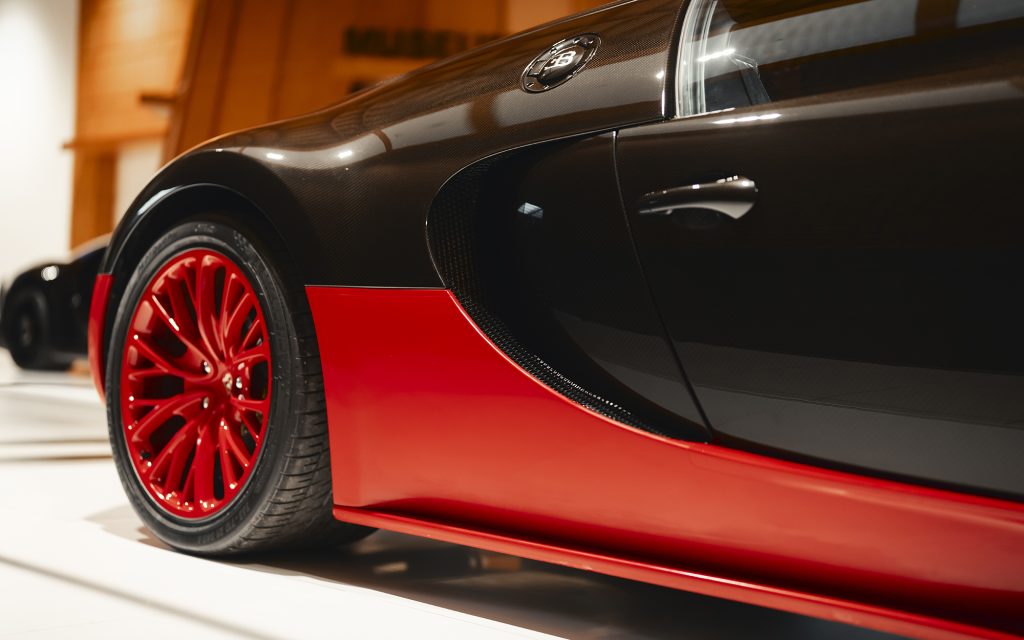
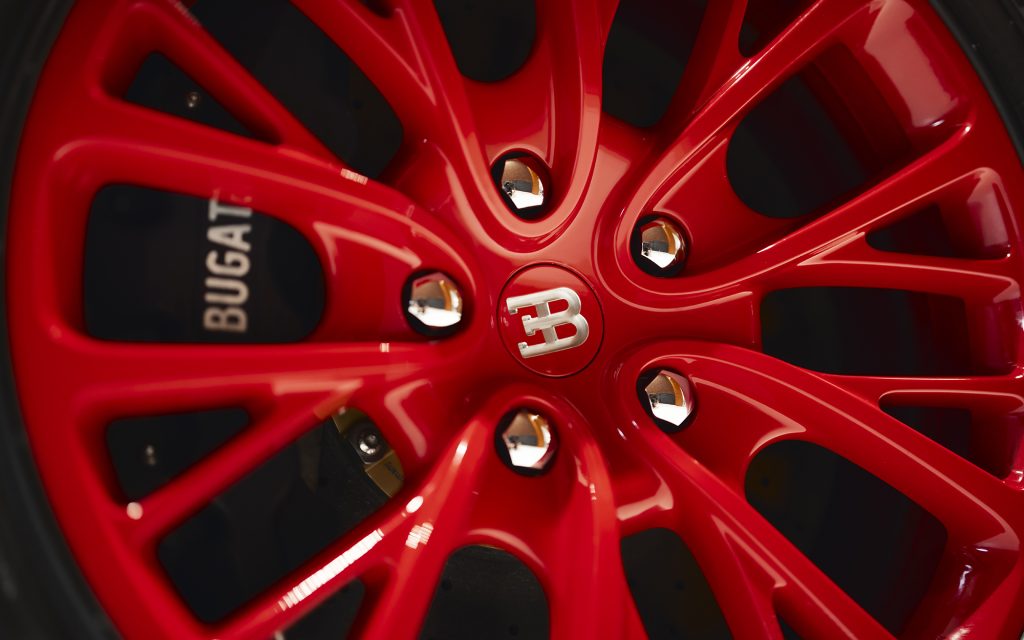
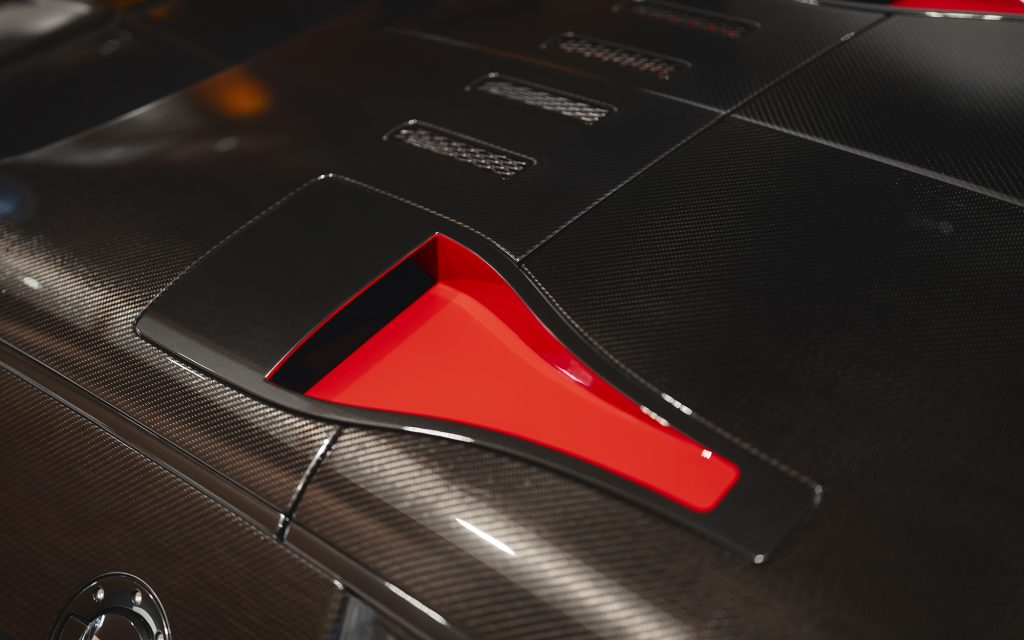
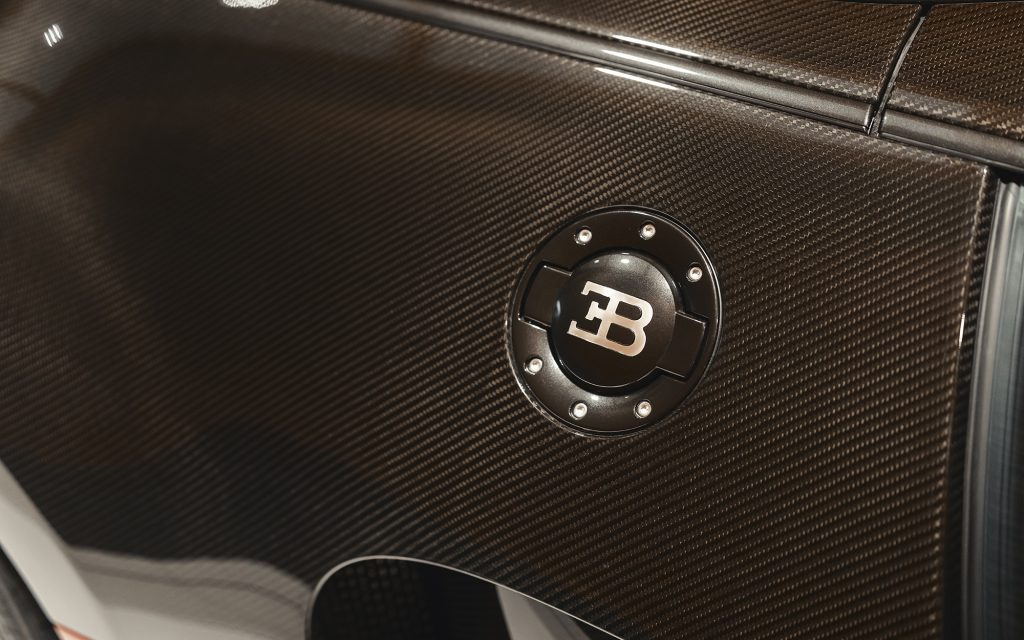
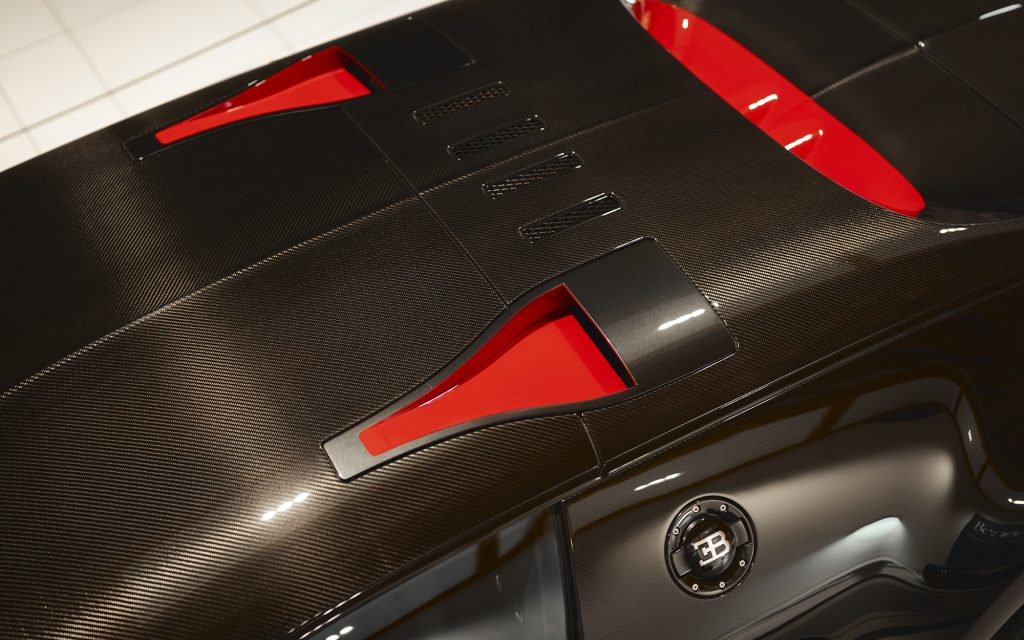
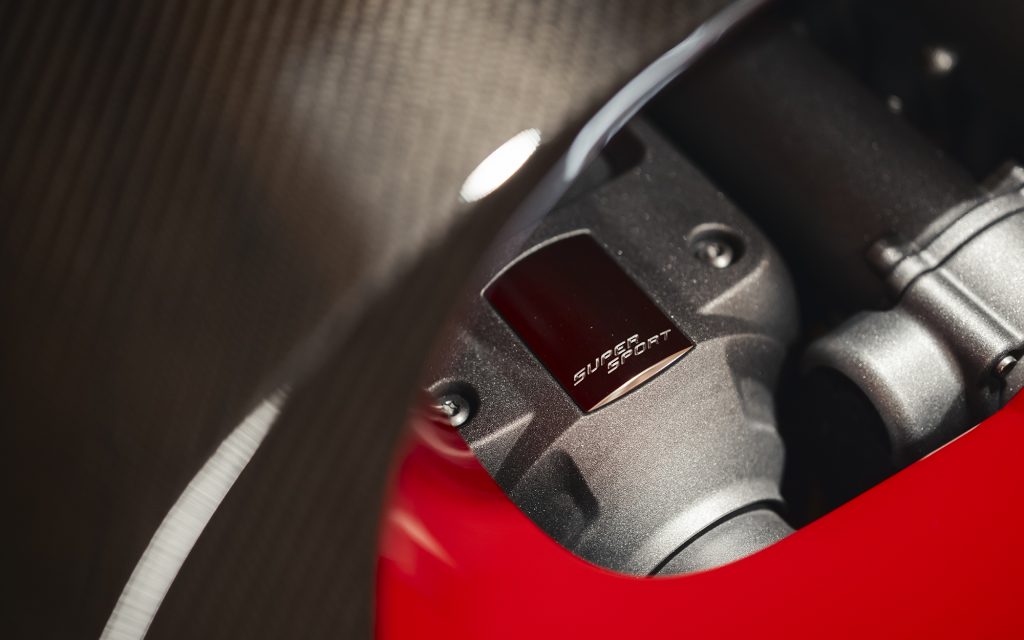
Bugatti Veyron Grand Sport Bernar Venet
Not every W16 Bugatti was defined solely by maximum speed.
The Veyron was originally conceived as a coupe, but Bugatti subsequently developed an open version using a removable roof panel. A more radical barchetta proposal with a small windscreen remained a design exercise.
The resulting Veyron Grand Sport entered production with its removable central roof section. Because the rigid panel cannot be carried aboard the car, Bugatti provided an emergency fabric covering that could be fitted between the windscreen frame and roll bars if the weather changed unexpectedly.
Bugatti ultimately produced 150 Grand Sports.
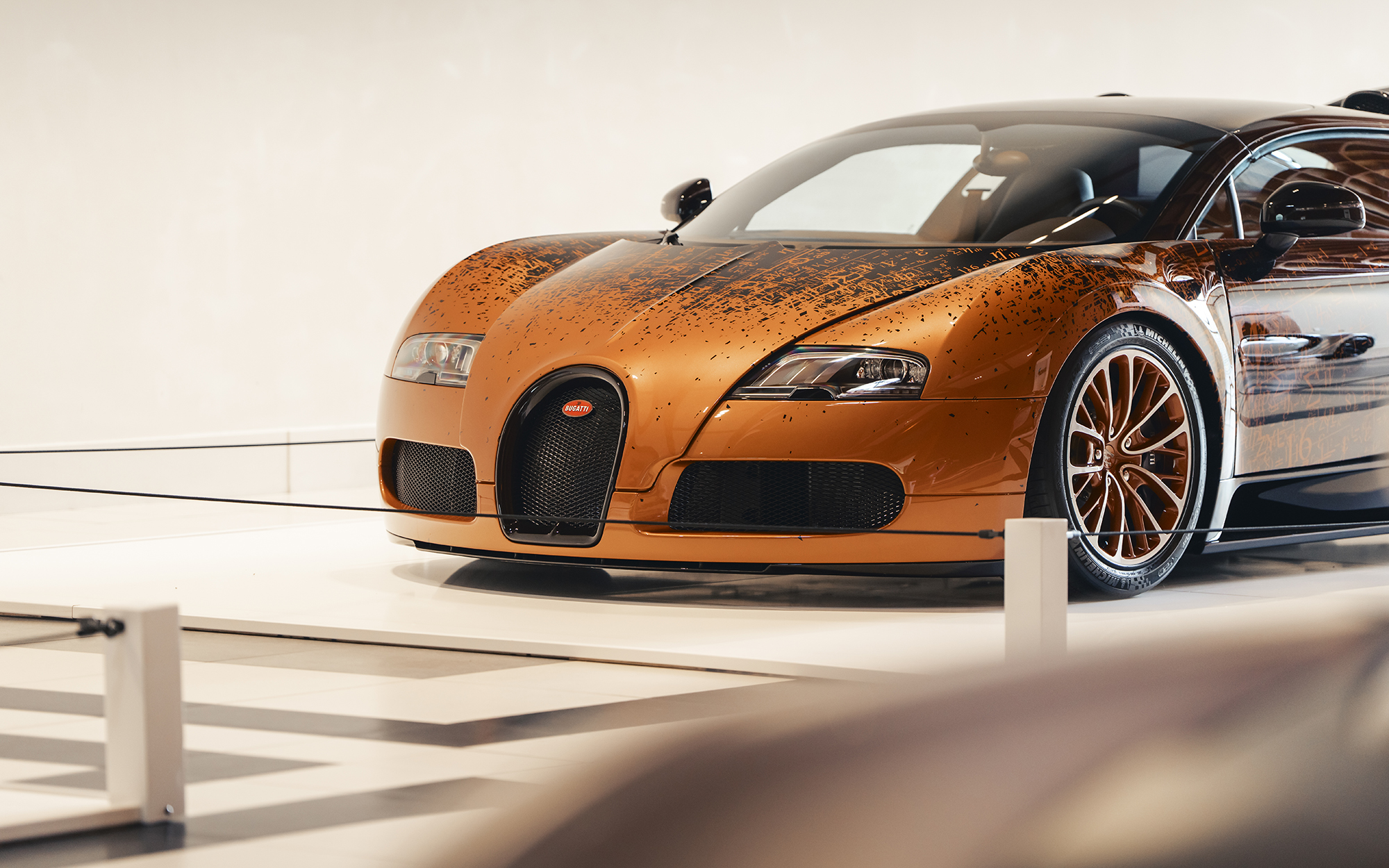
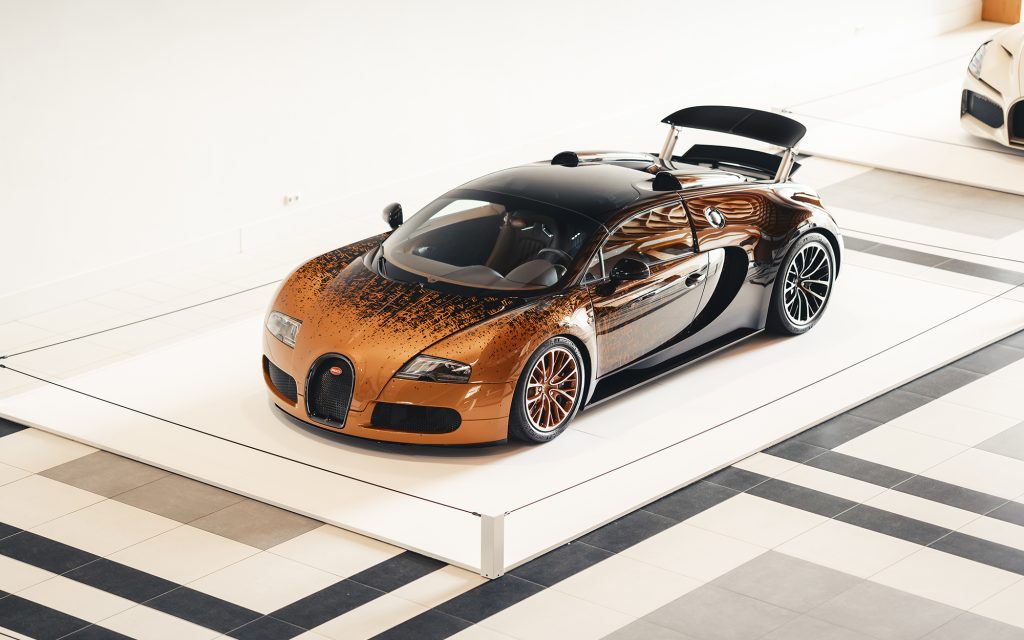
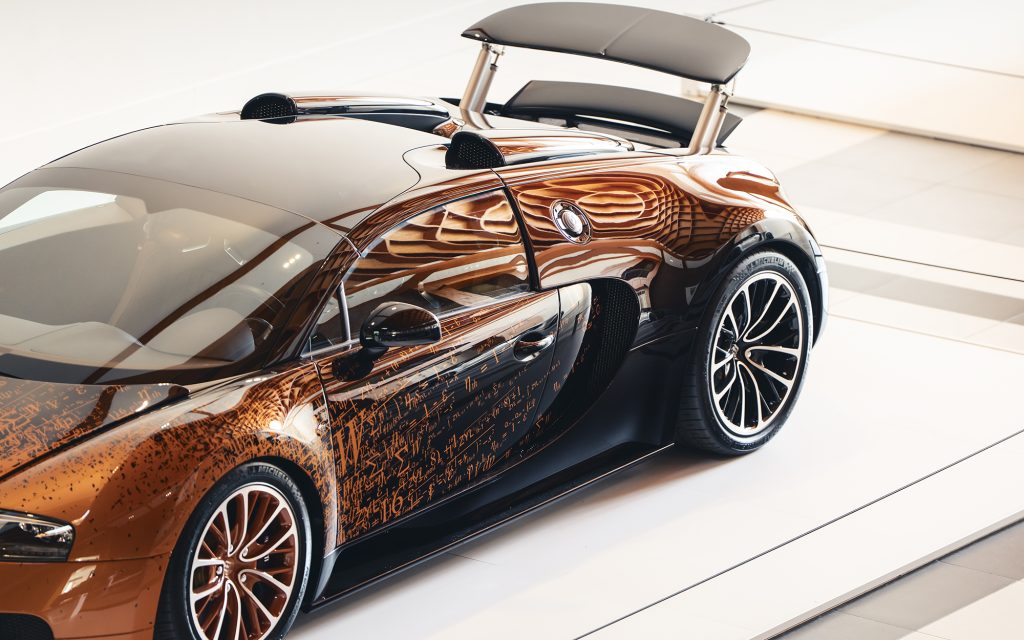
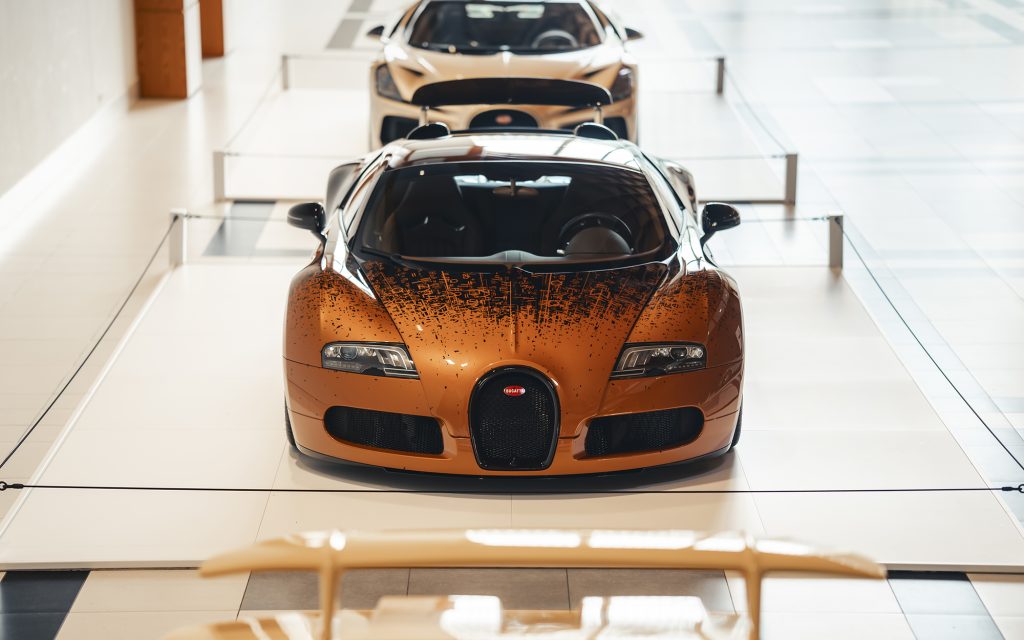
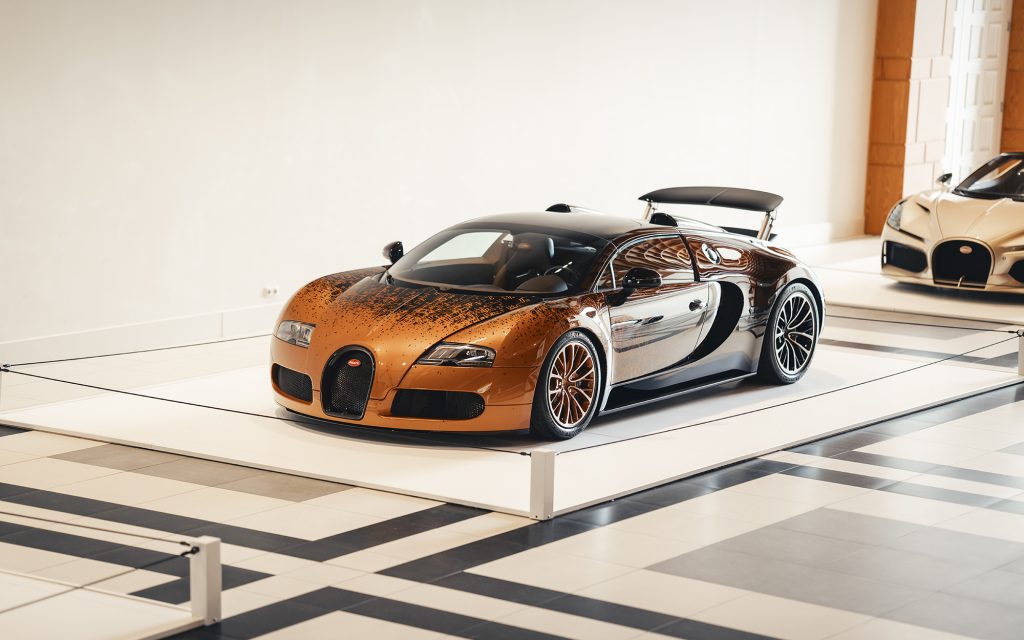
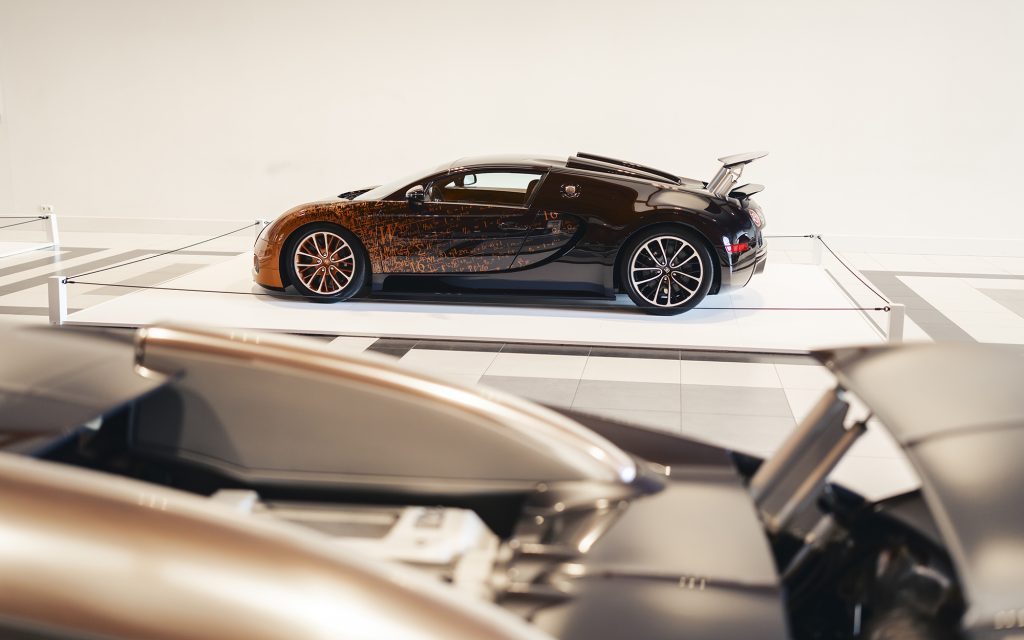
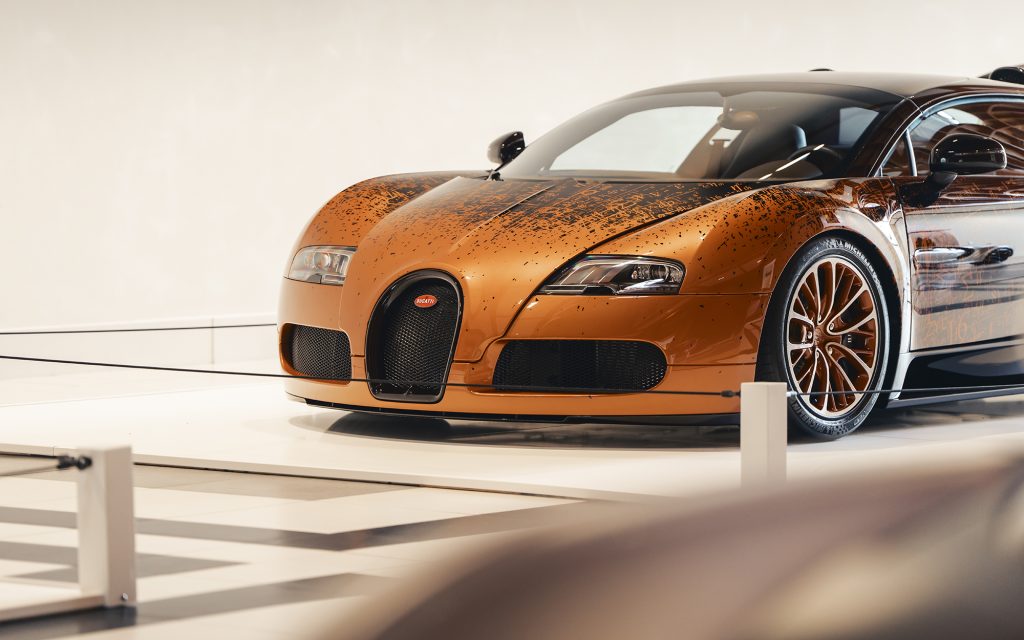
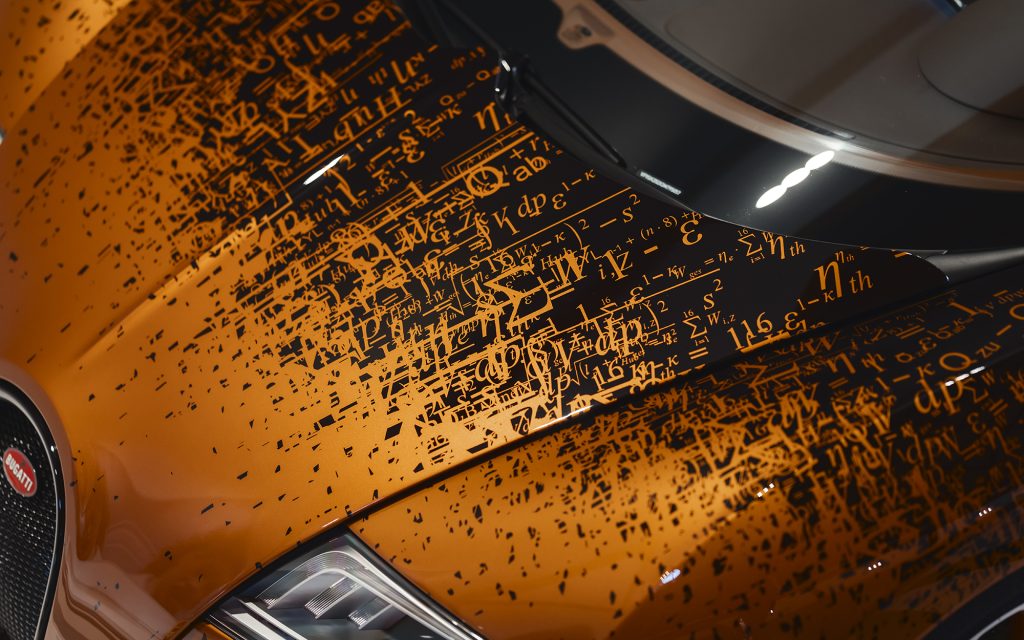
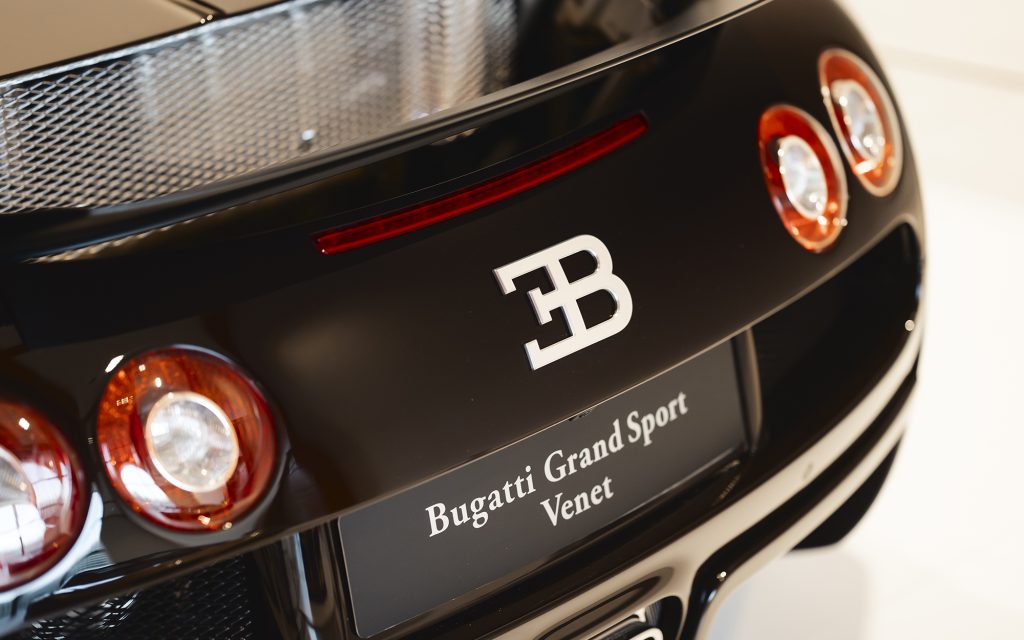
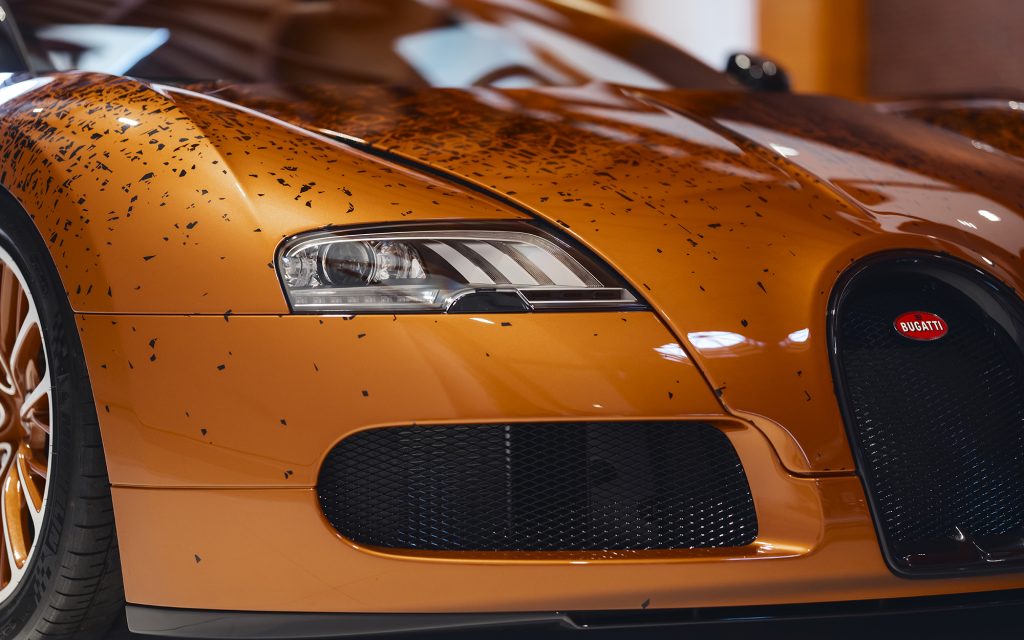
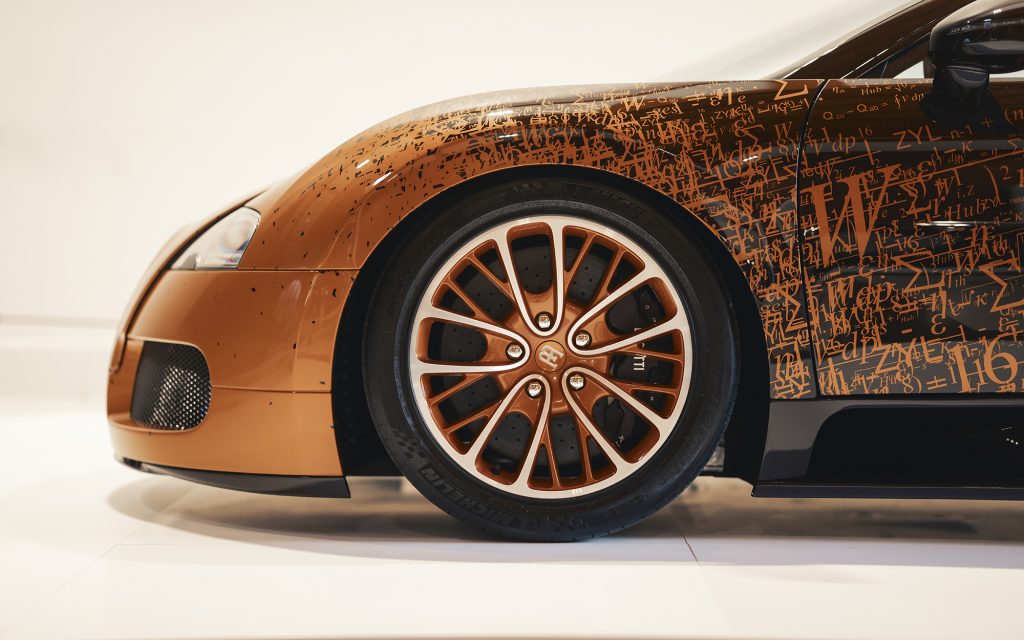
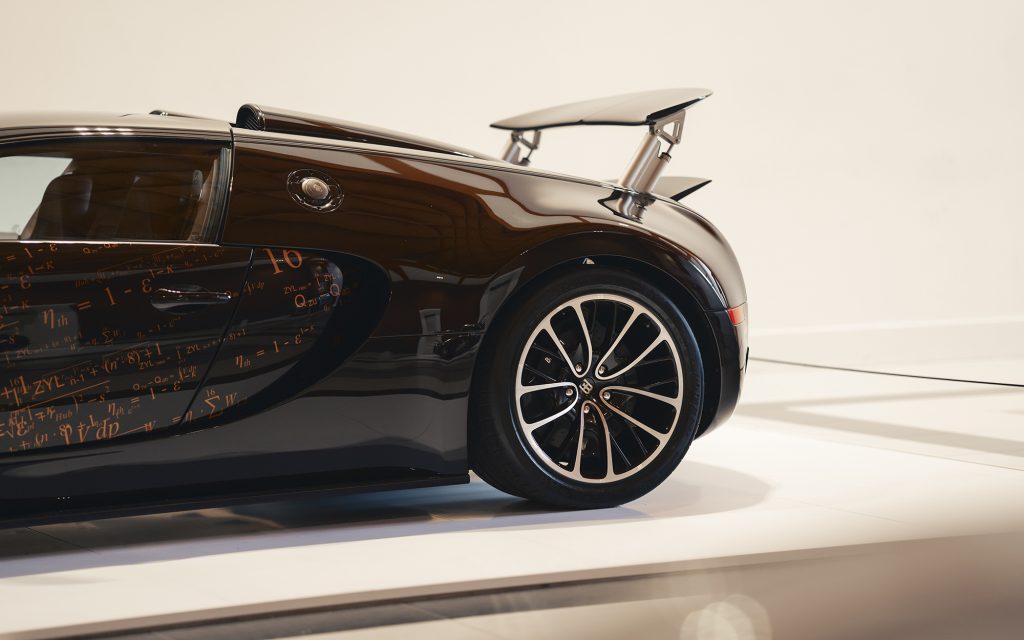
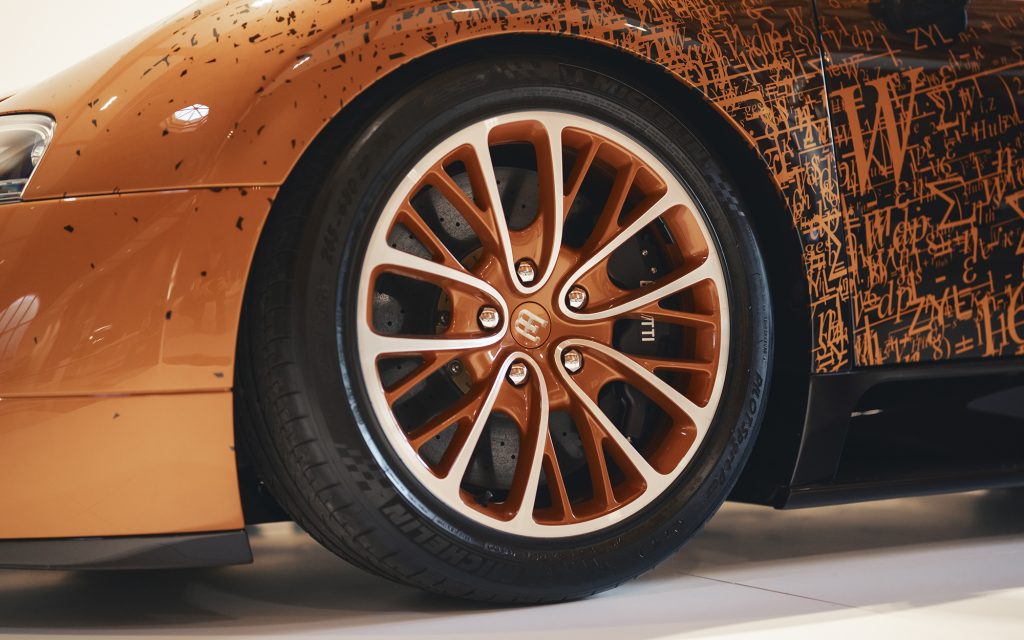
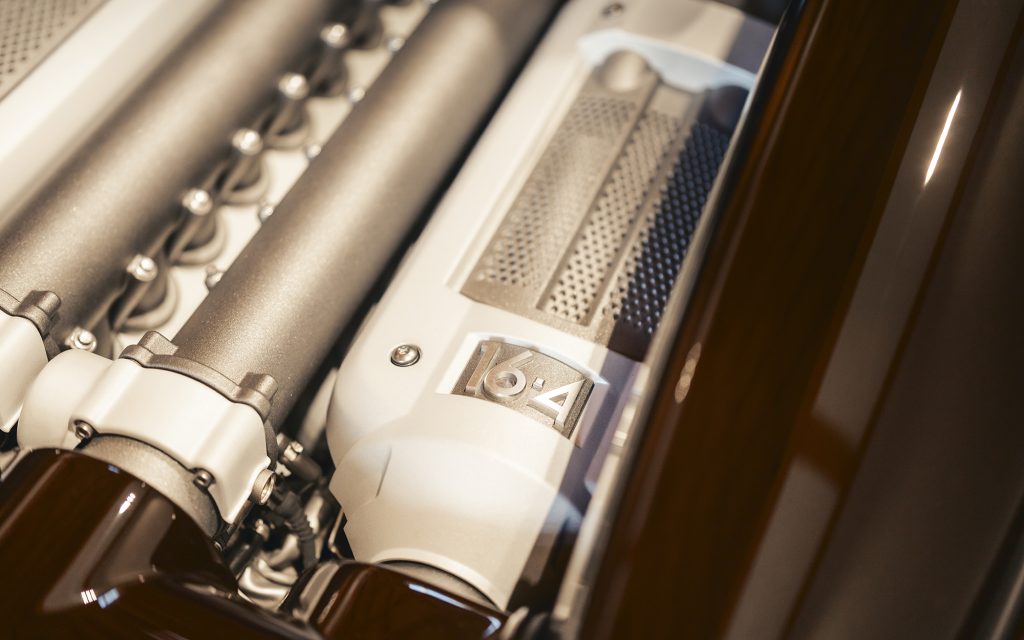
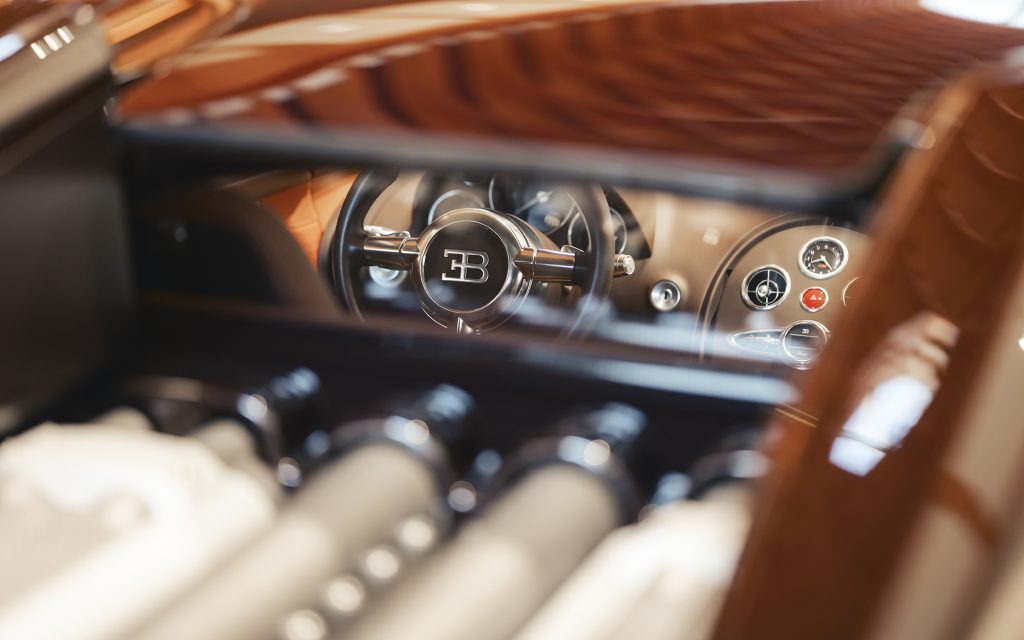
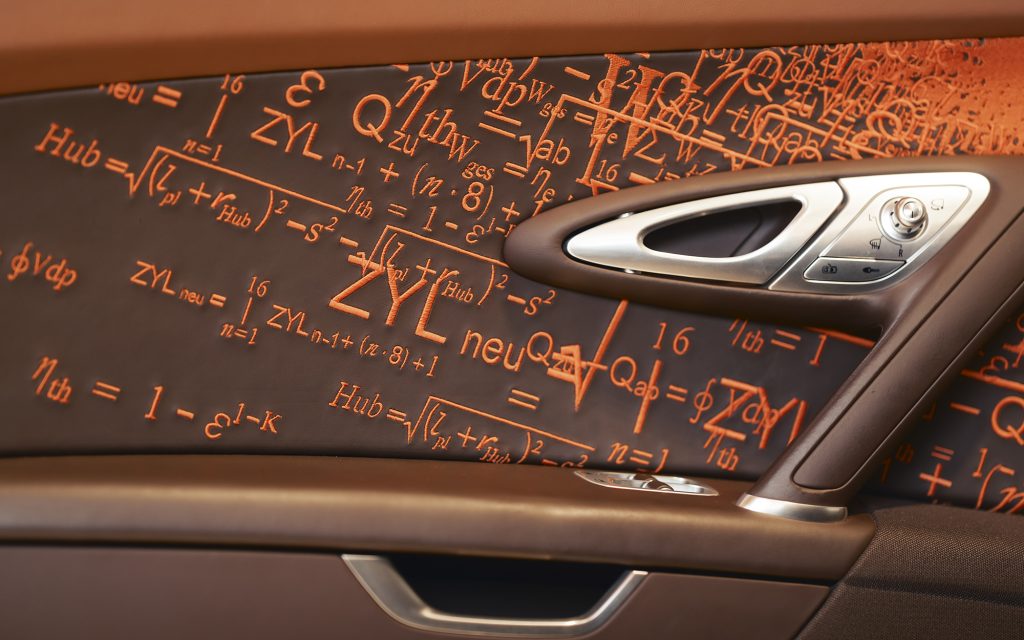
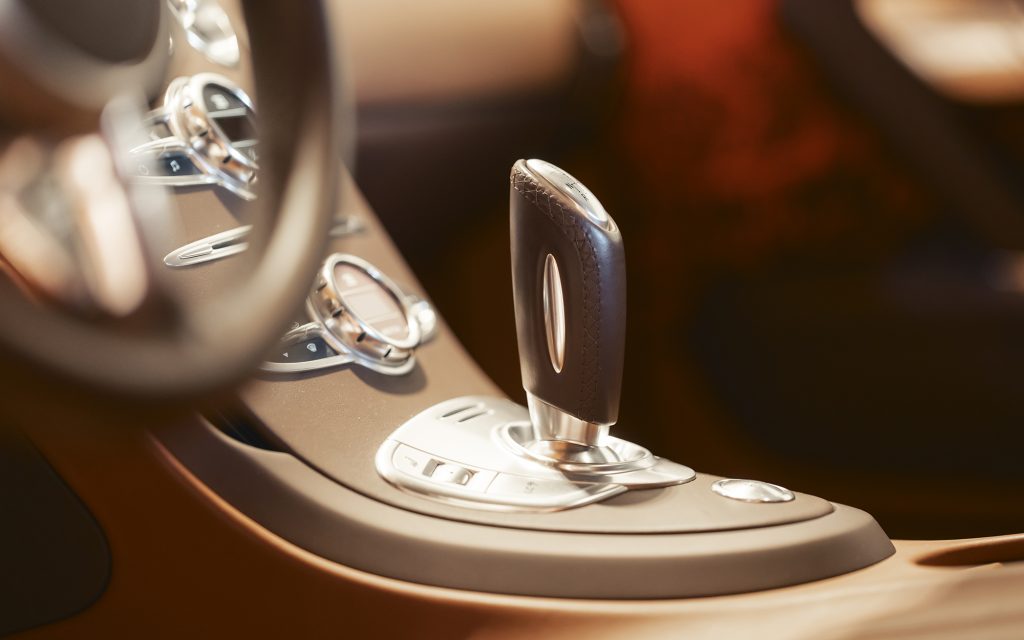
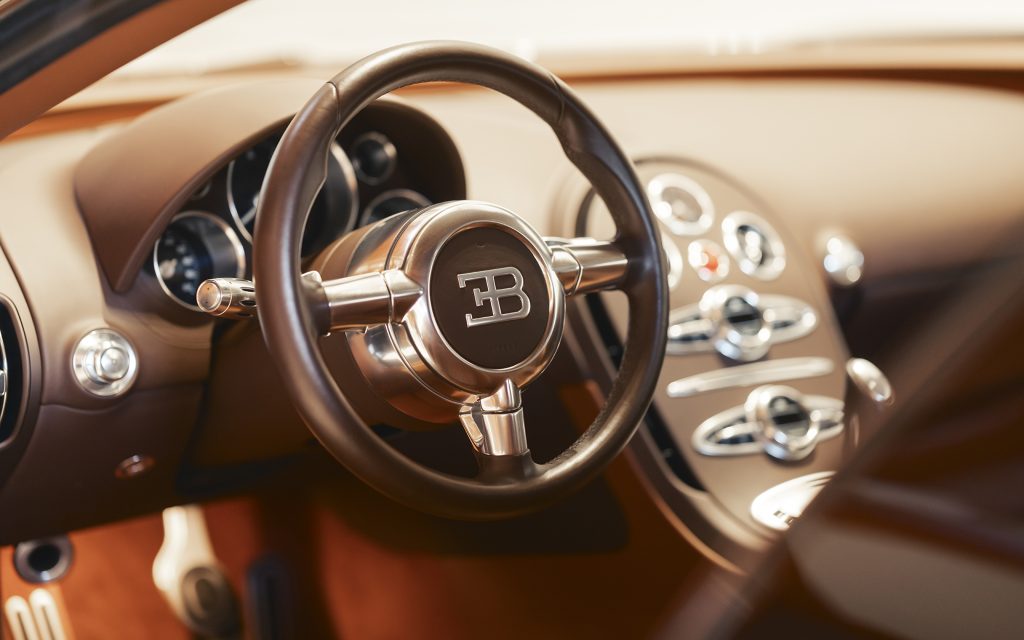
The example at the Louwman represents a particularly unusual interpretation. French conceptual artist Bernar Venet used mathematical and engineering formulas associated with the Veyron as part of the exterior design, carrying them across the bodywork and into the interior.
Rather than simply applying decoration to a finished car, Venet used the mathematics underlying the Veyron’s engineering as the visual subject of the car itself.

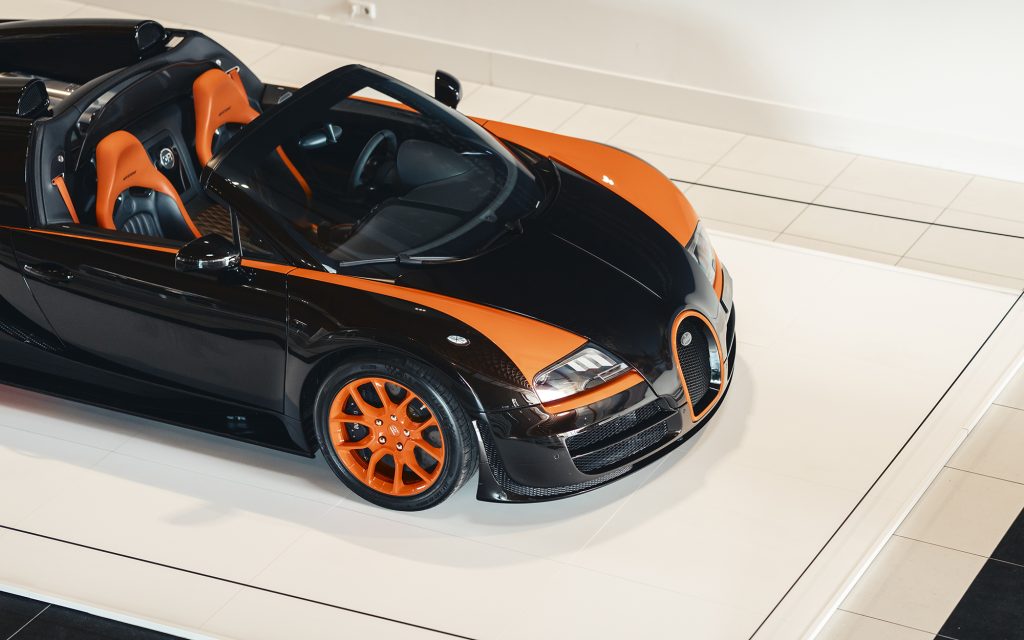
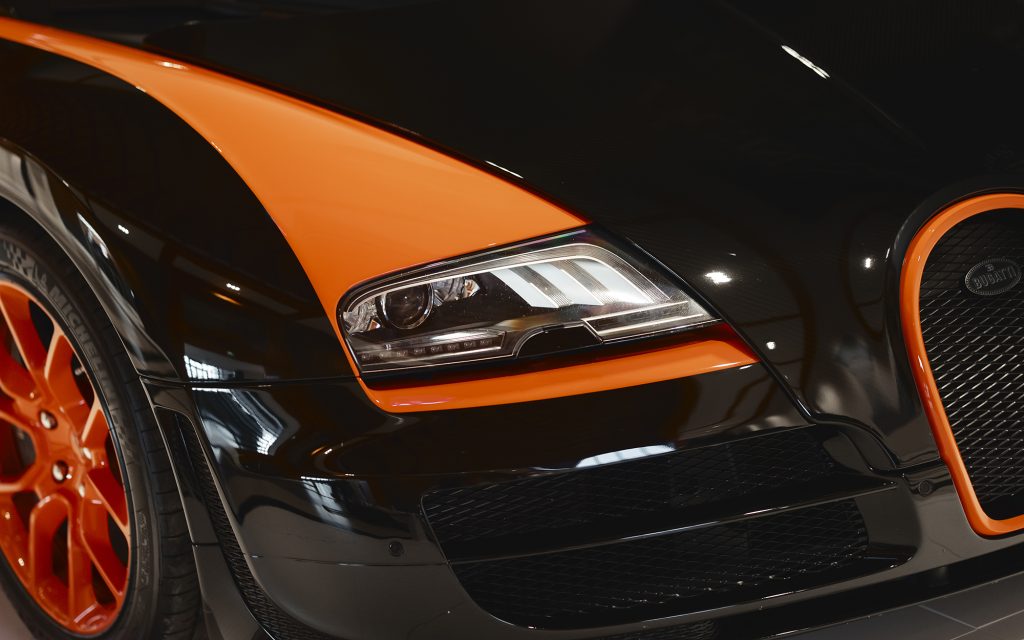
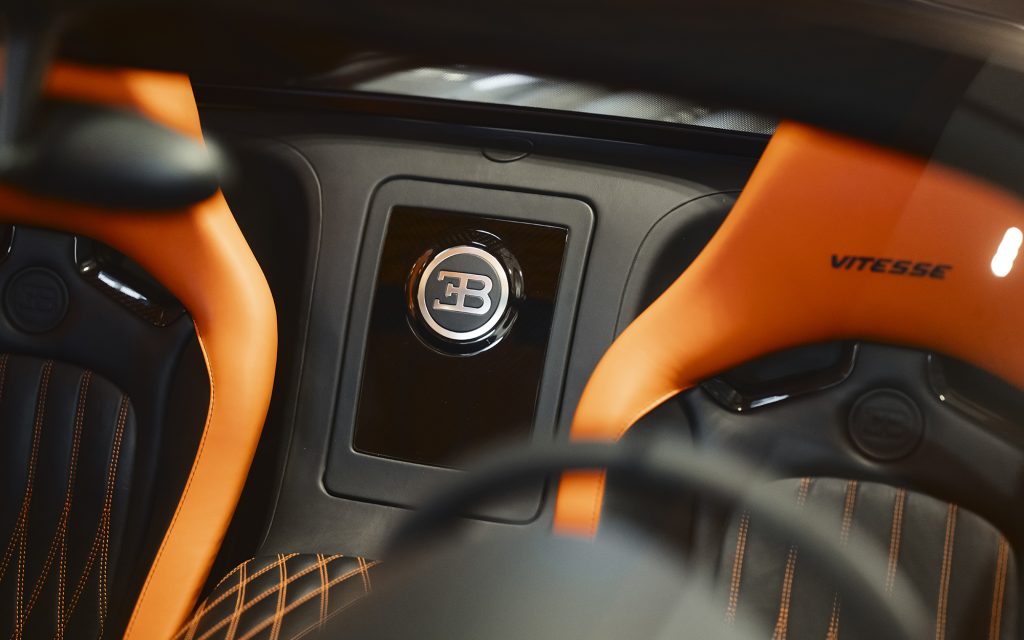
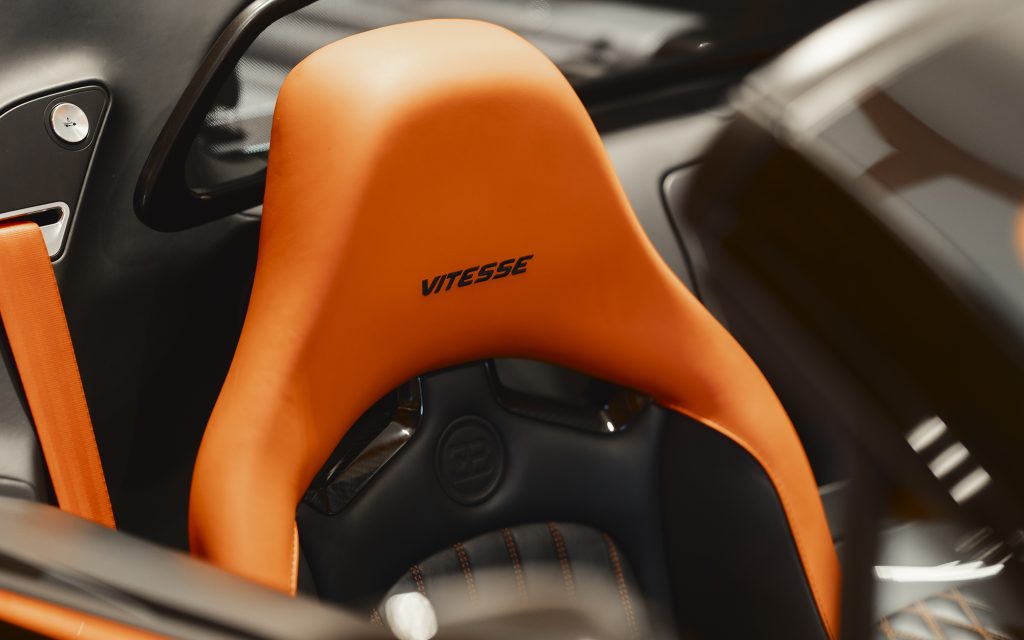
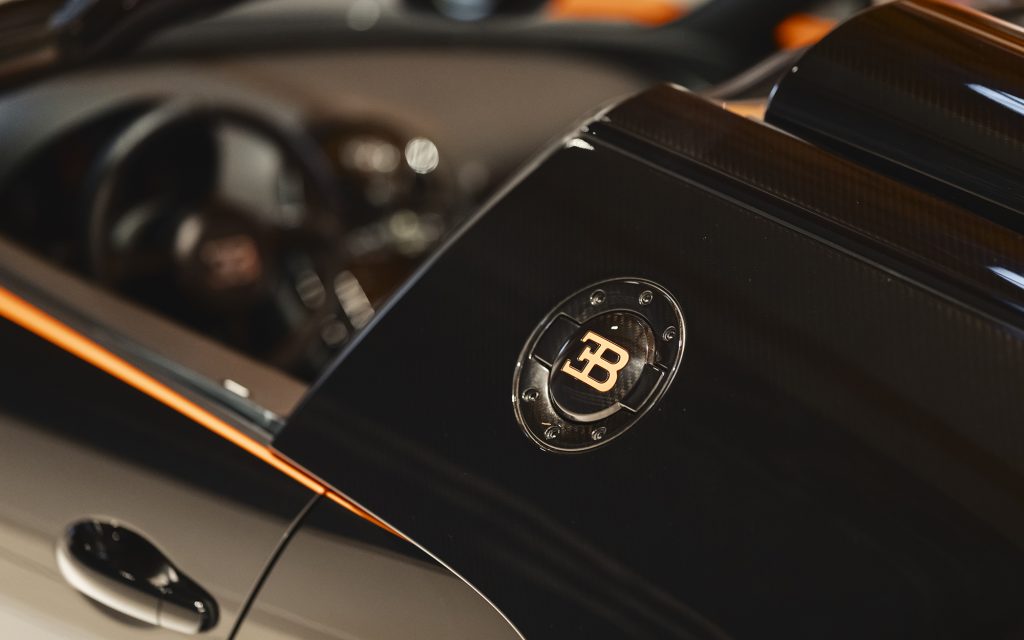
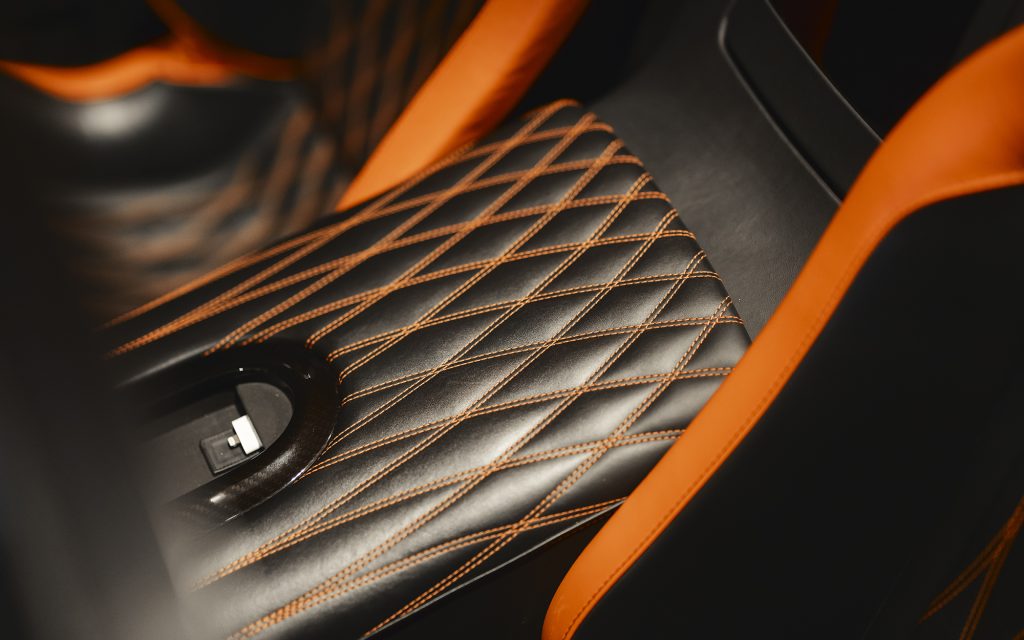
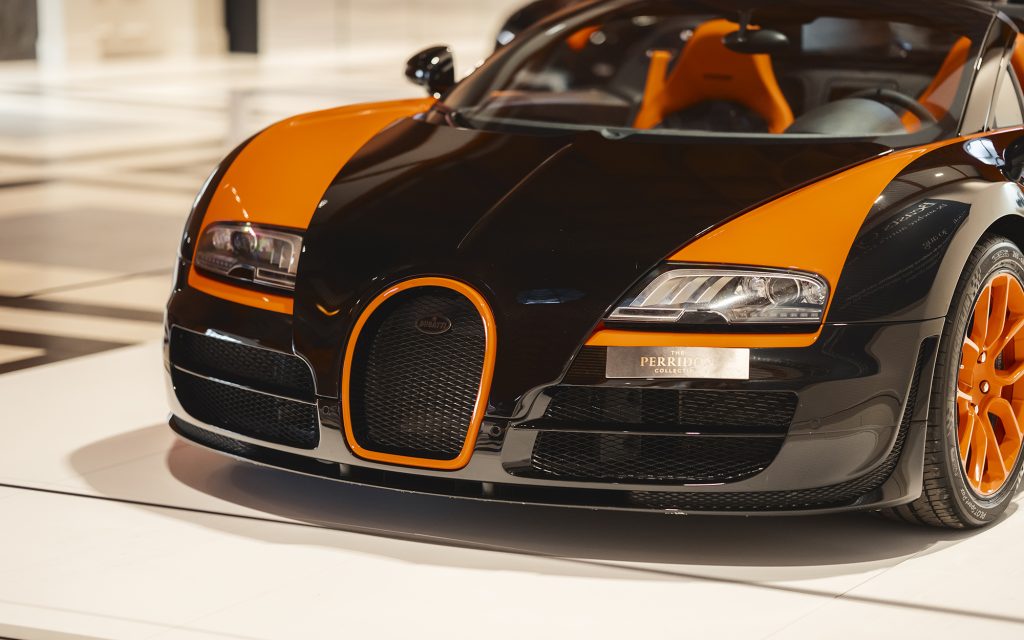
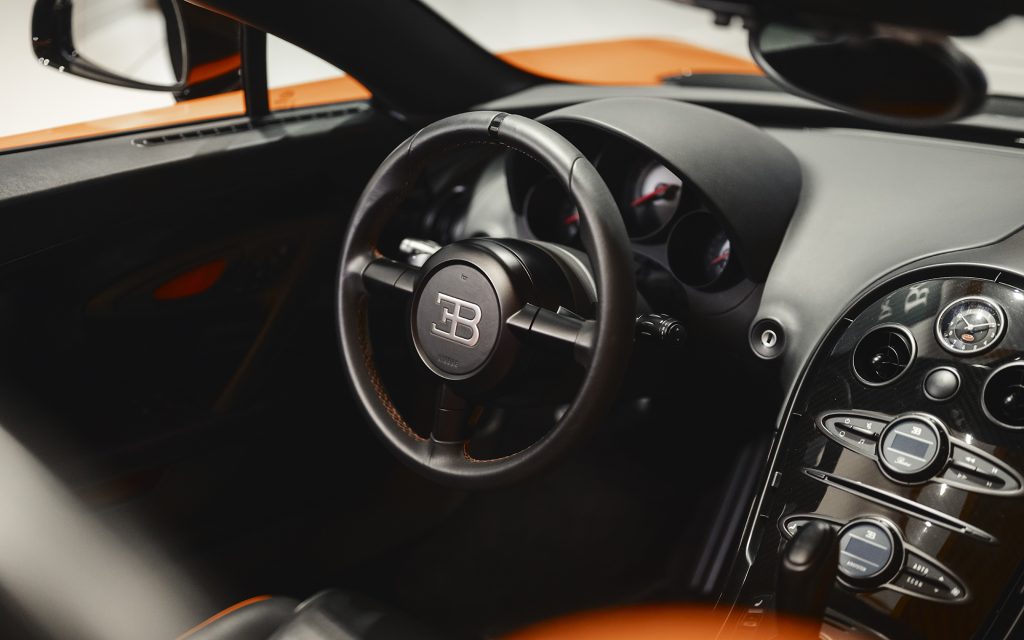
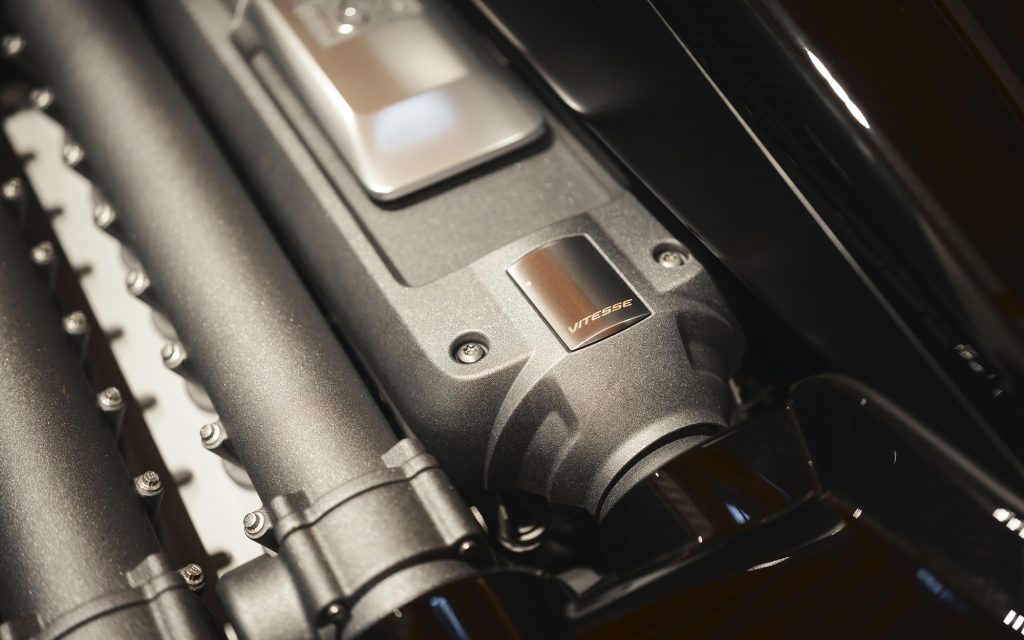
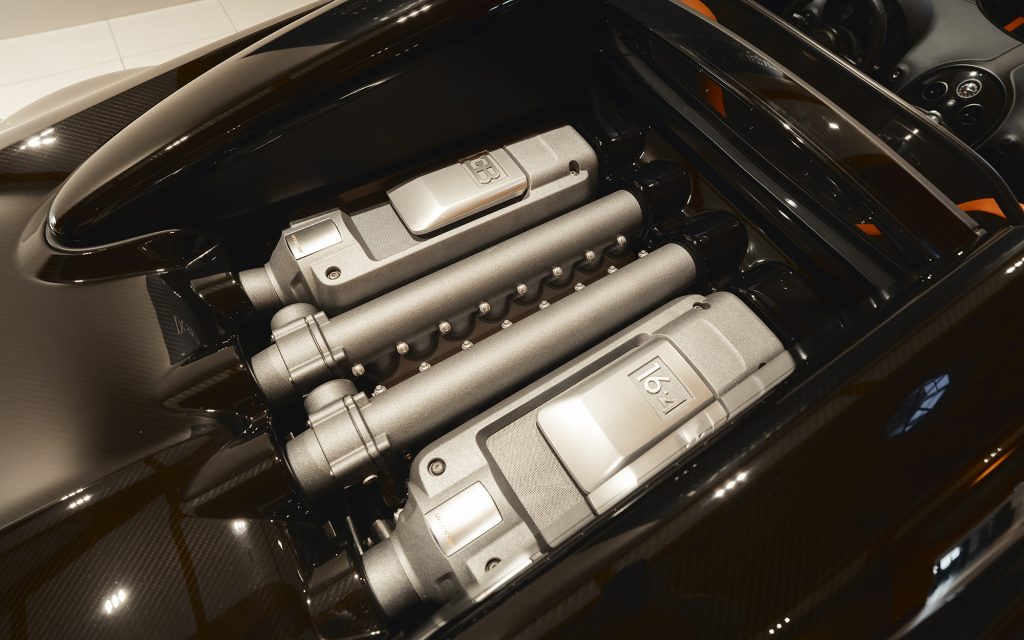
Bugatti Veyron Grand Sport Vitesse WRC
The Grand Sport also provided Bugatti with another speed target.
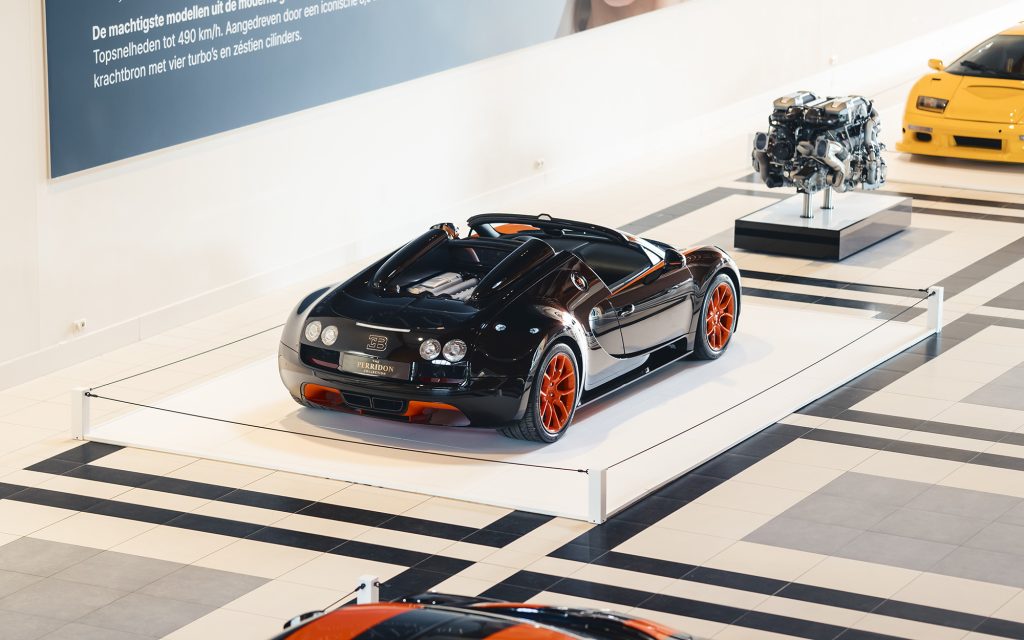
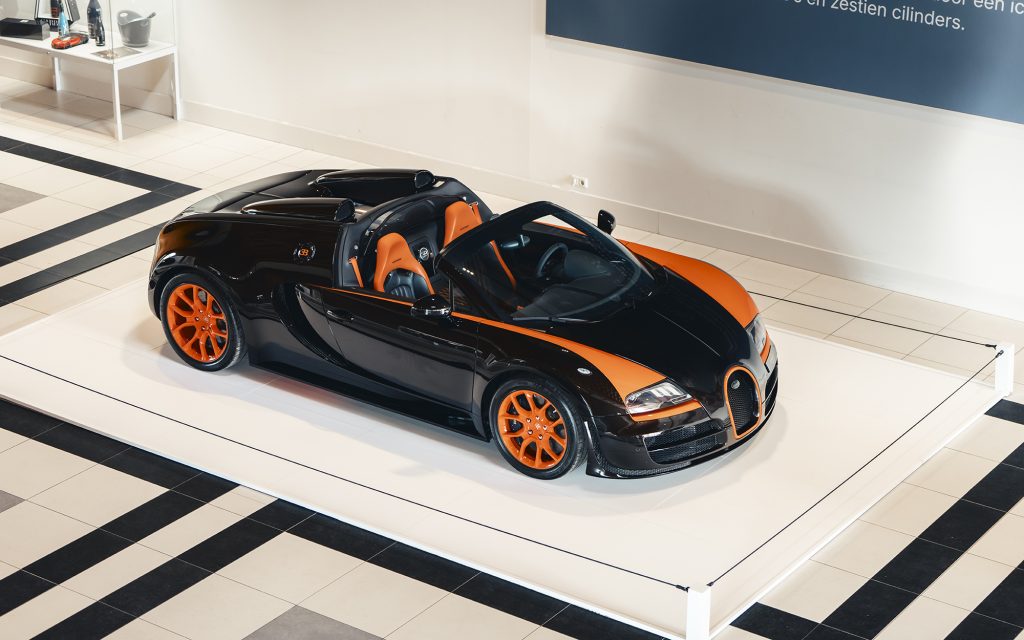
The open Veyron was already exceptionally fast, but Bugatti installed the 1,200-hp version of the W16 in the Grand Sport and made further technical changes to create the Grand Sport Vitesse.
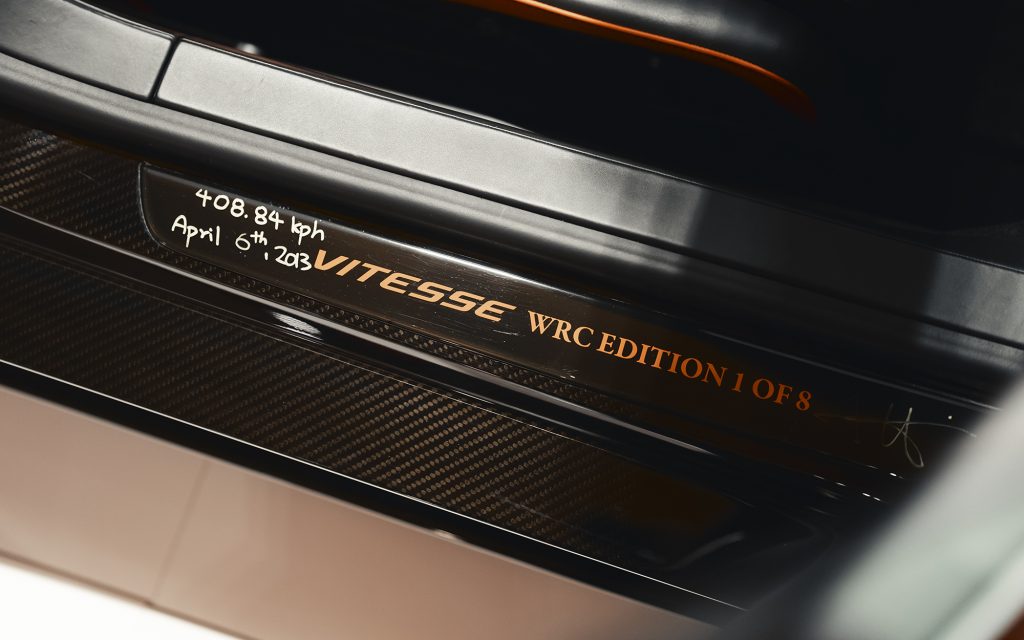
During an official record attempt, an open Vitesse reached 408.84 km/h, or approximately 254 mph, establishing a record for an open-top production automobile.
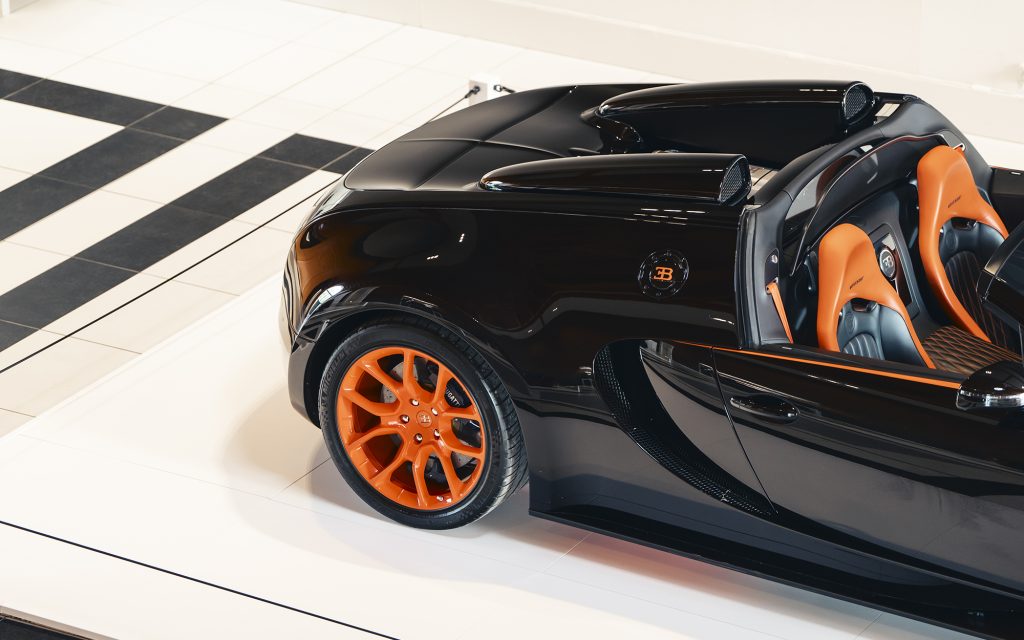
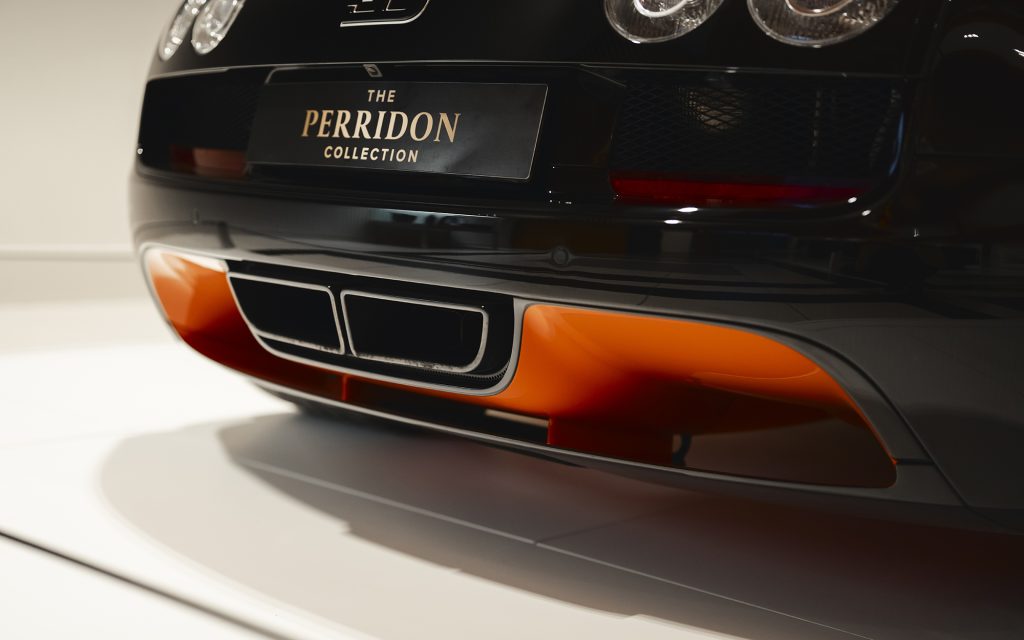
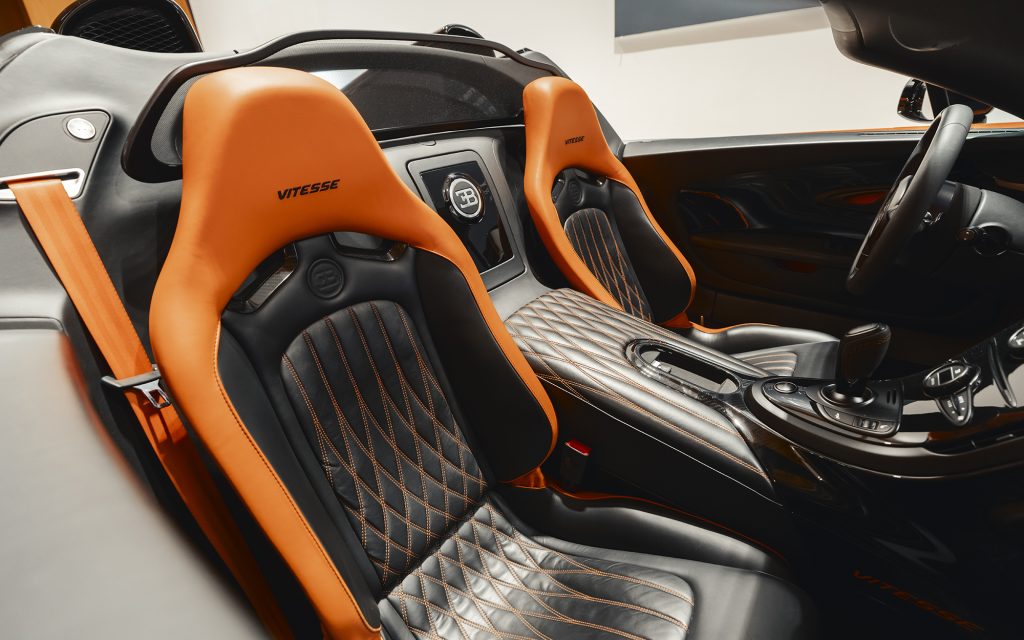
Bugatti subsequently produced eight World Record Car examples commemorating the achievement. The WRC cars used the same black and orange color scheme as the record-setting car.
The example displayed in The Hague is one of those eight cars, with the museum quoting a maximum speed of 410 km/h.
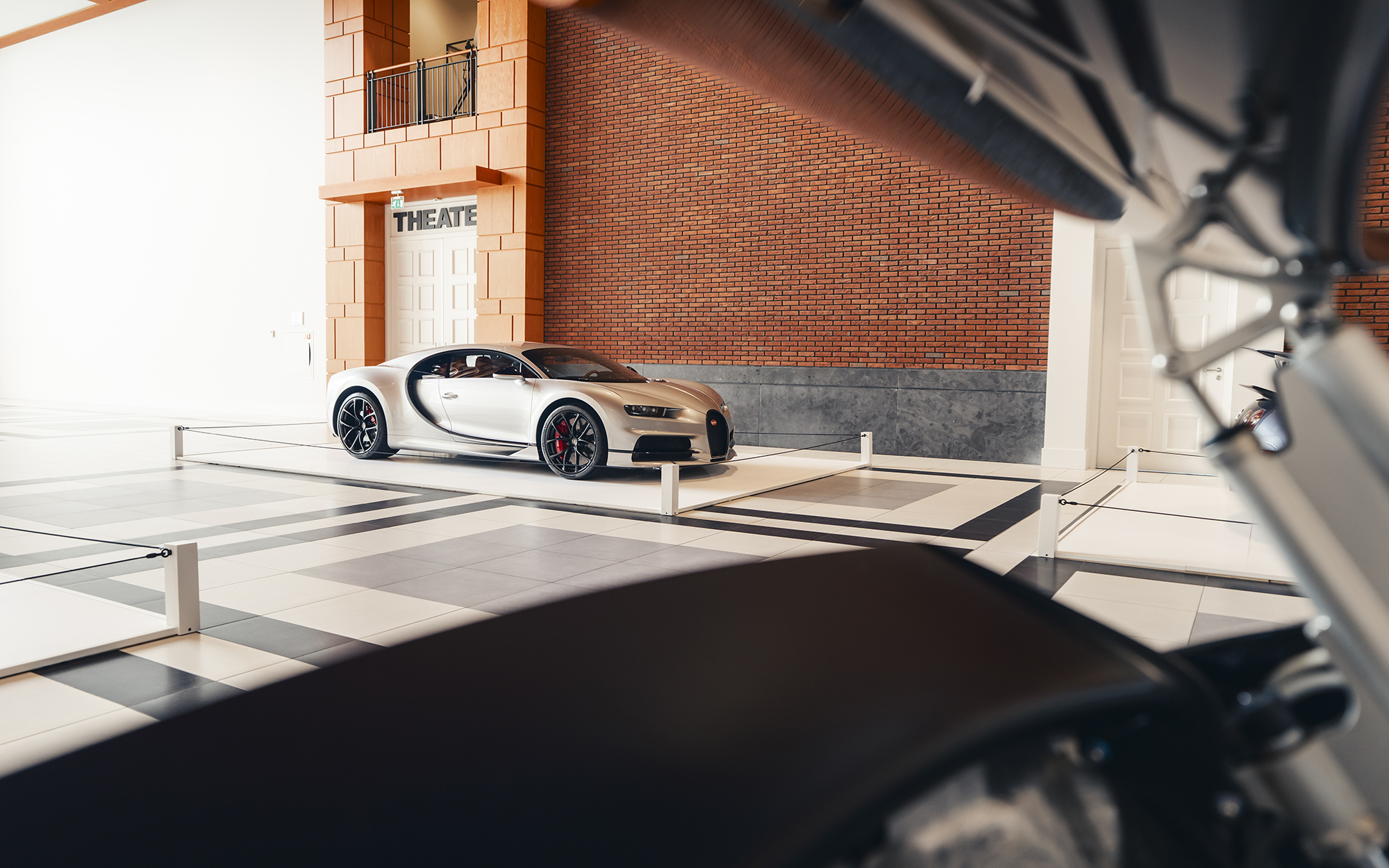
Bugatti Chiron
After the Veyron came the Chiron, named for Bugatti racing driver Louis Chiron.
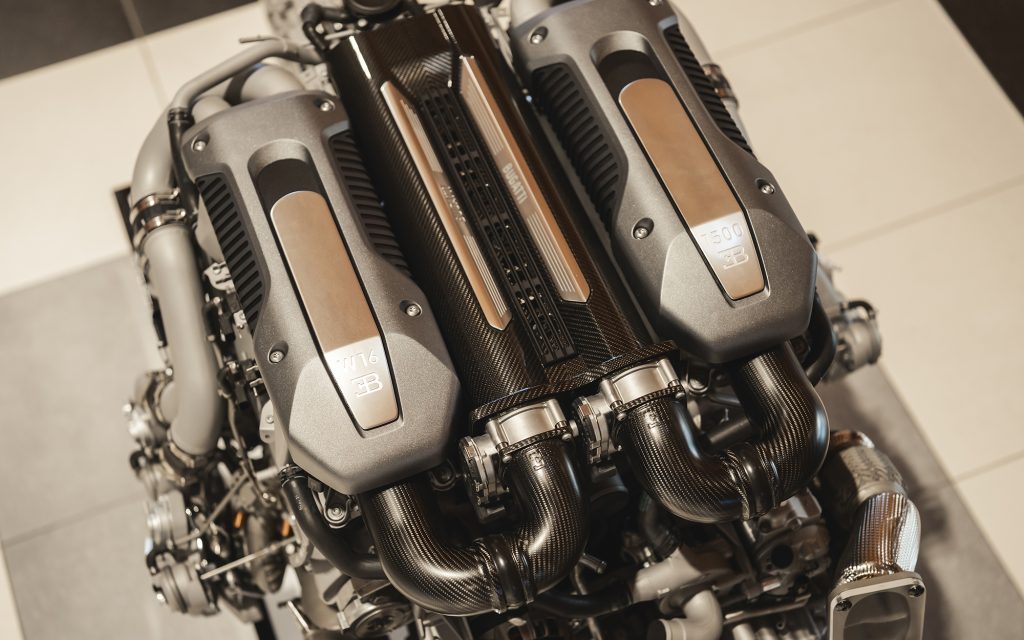
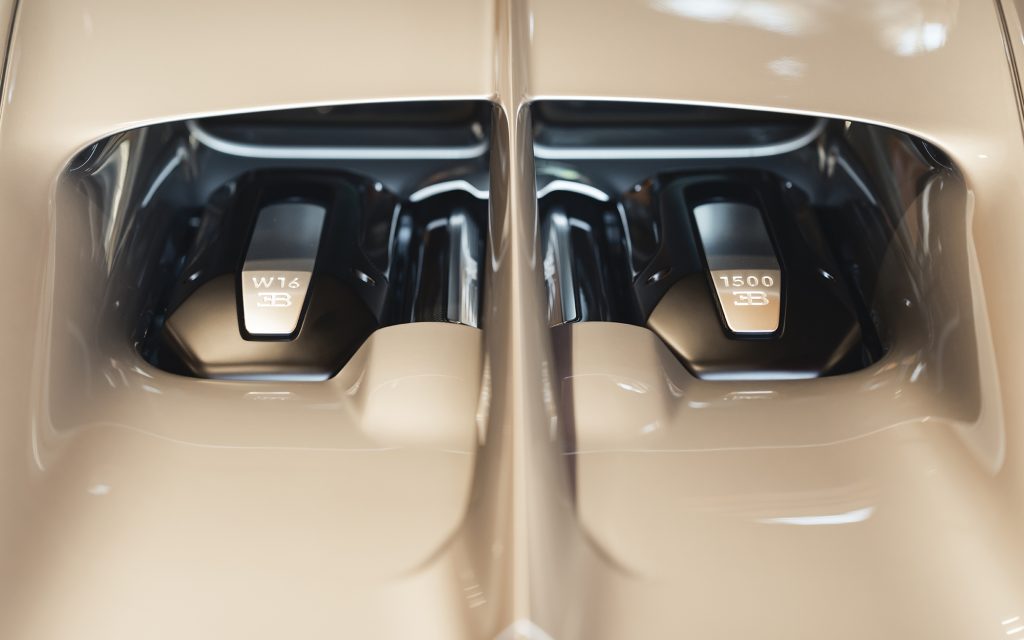
Bugatti again retained the 8.0-liter W16 and four turbochargers, but the new generation increased output to 1,500 hp. All-wheel drive remained necessary to put that output to the road.
Development took approximately four years. Interestingly, the Chiron followed an abandoned attempt to broaden Bugatti’s range with a luxury sports sedan. When that project was cancelled, Bugatti instead returned its attention to another two-seat hypercar.
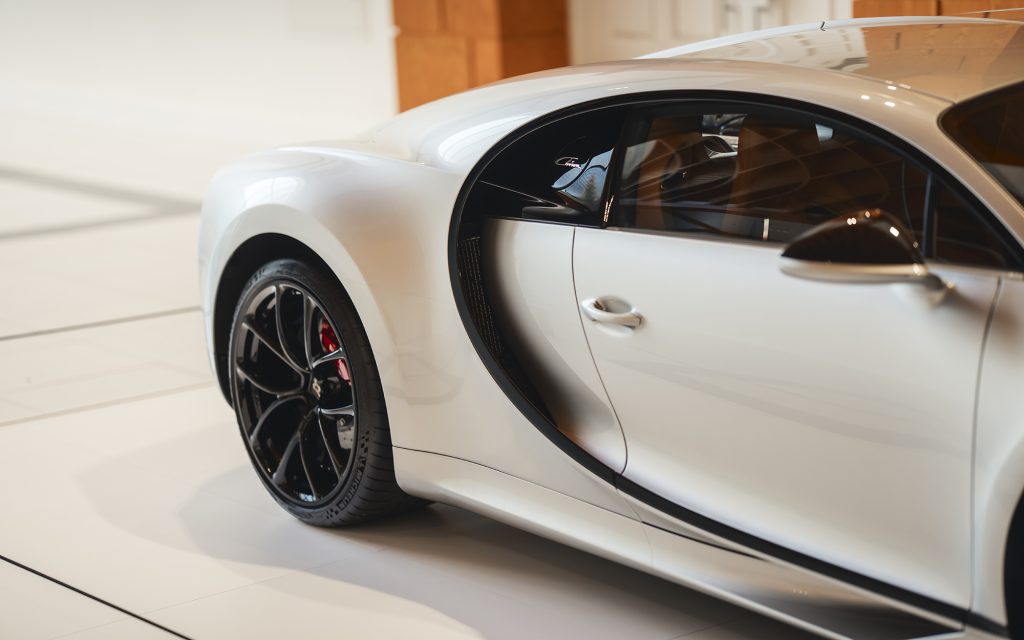
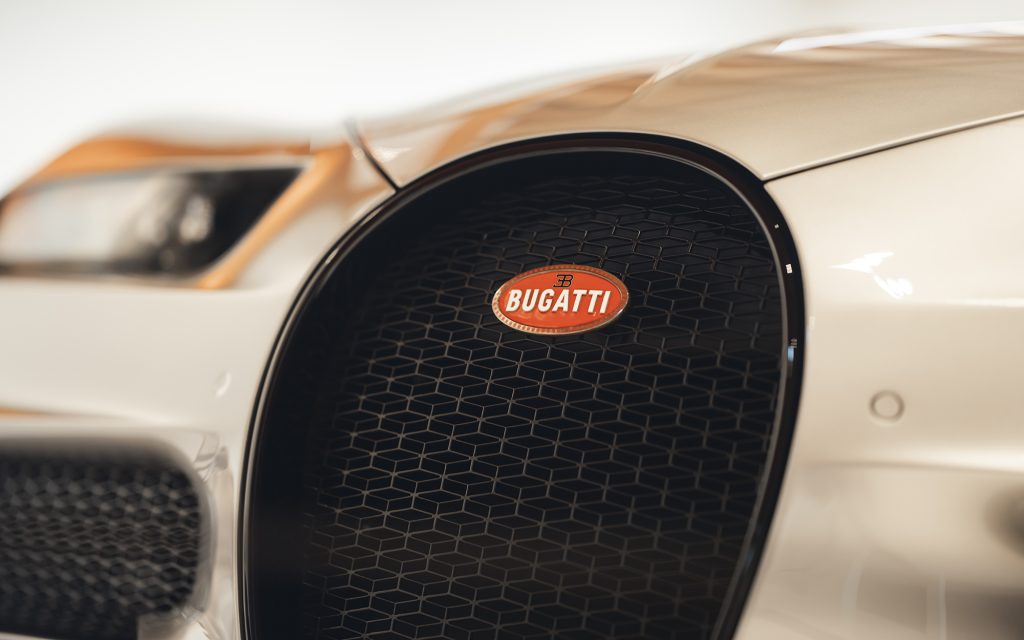
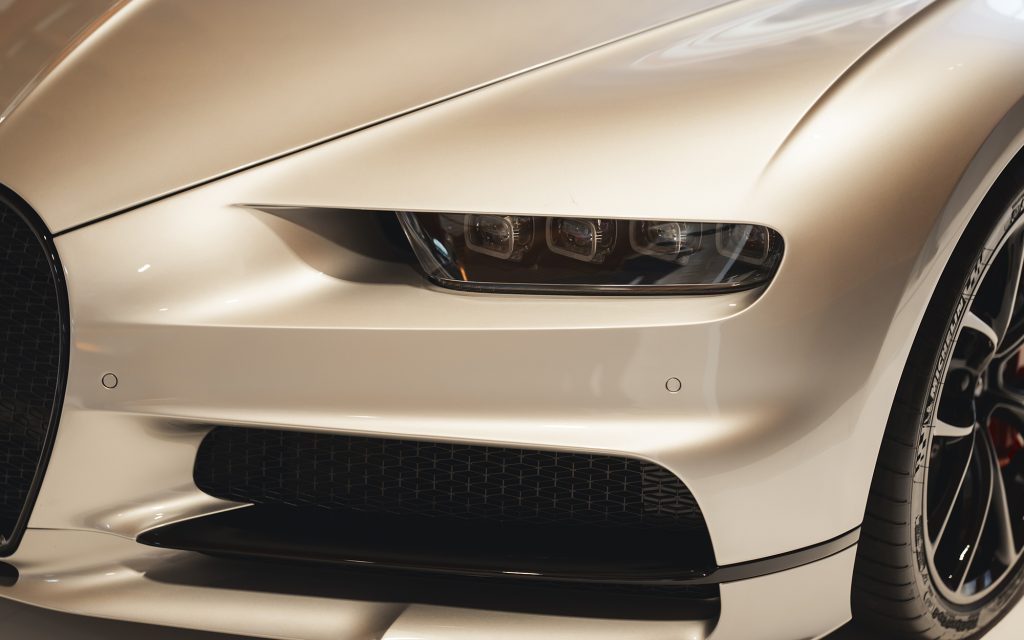
The result continued the Veyron’s basic concept while substantially increasing its capabilities. Bugatti limited Chiron production to 500 cars, all coupes.
It also provided the foundation for the car that would push Bugatti through another major speed barrier.
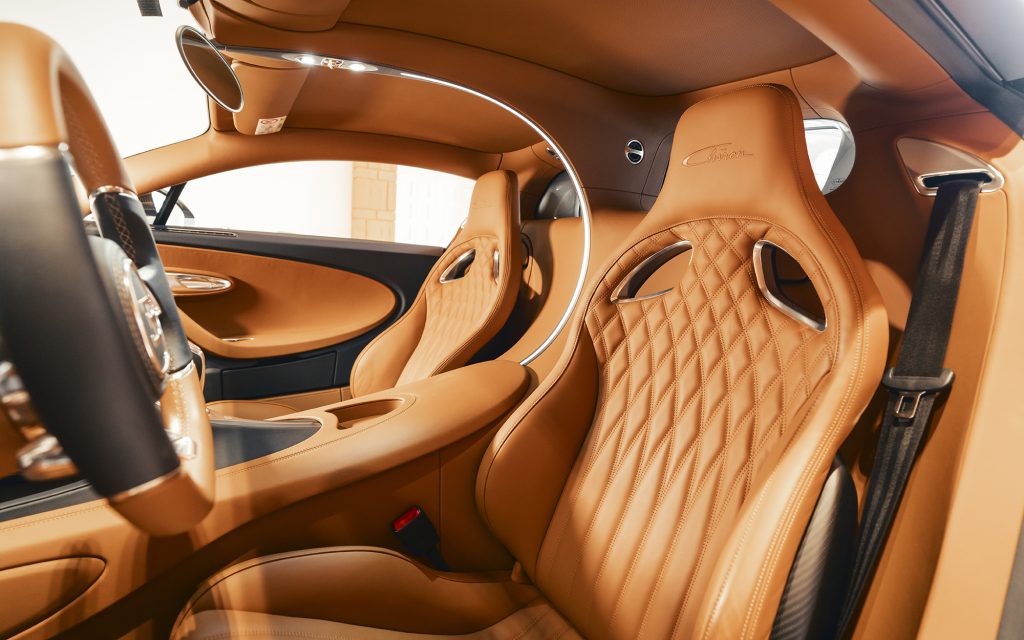
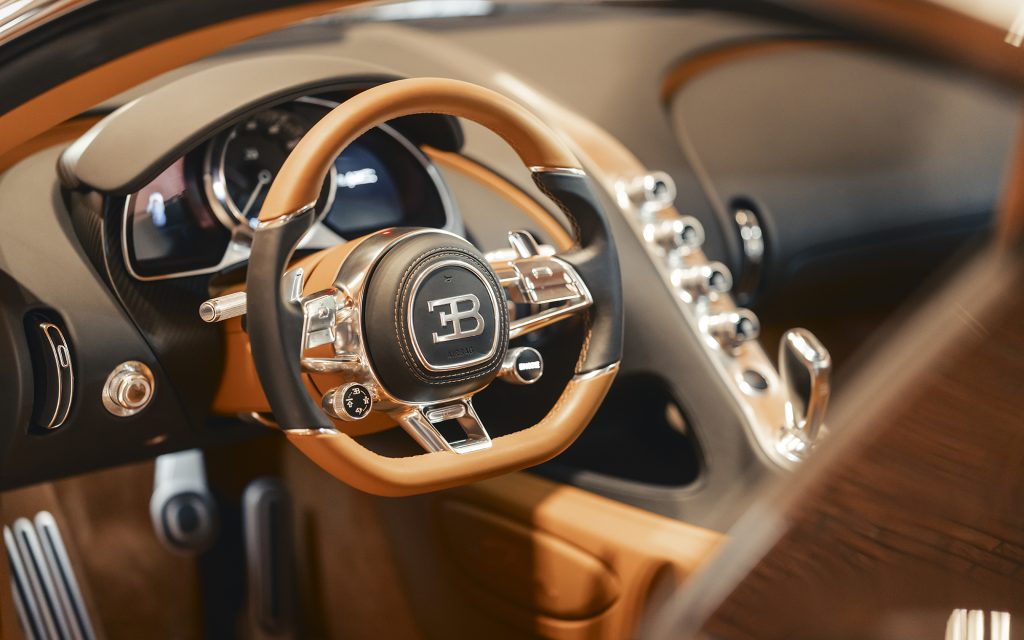
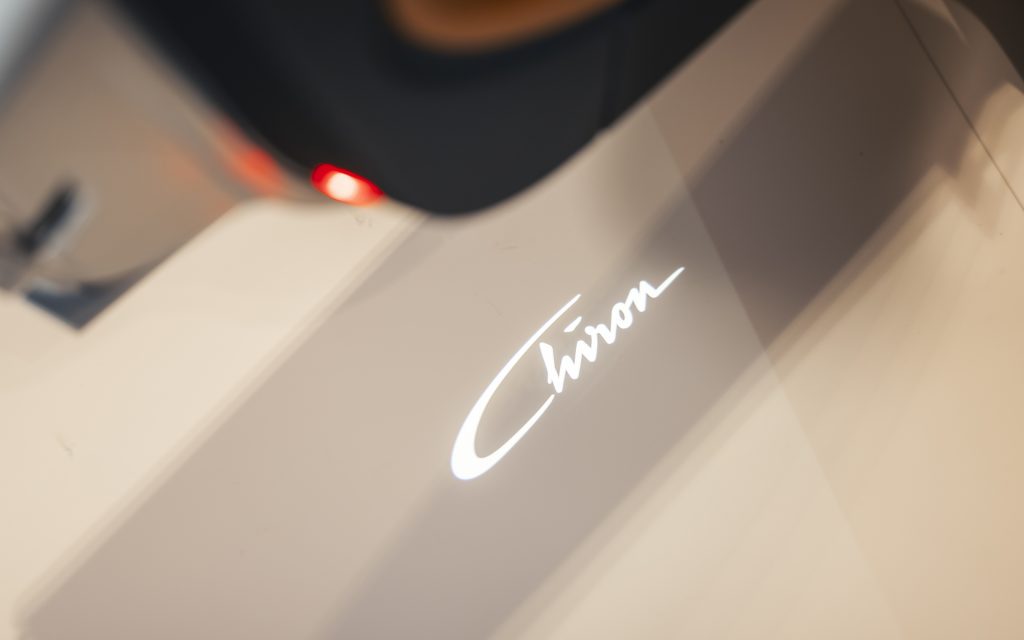
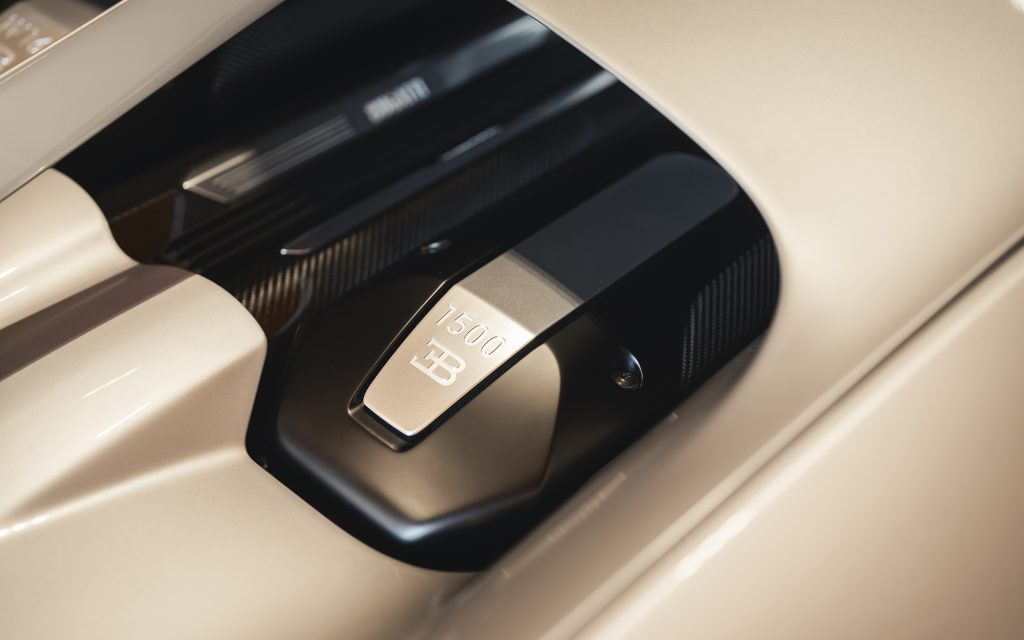
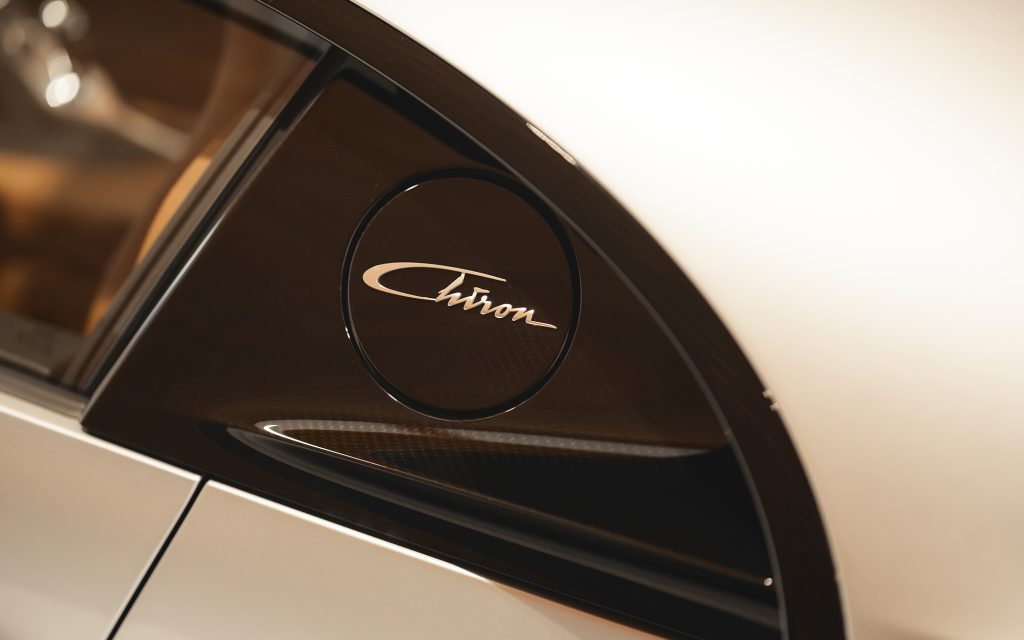
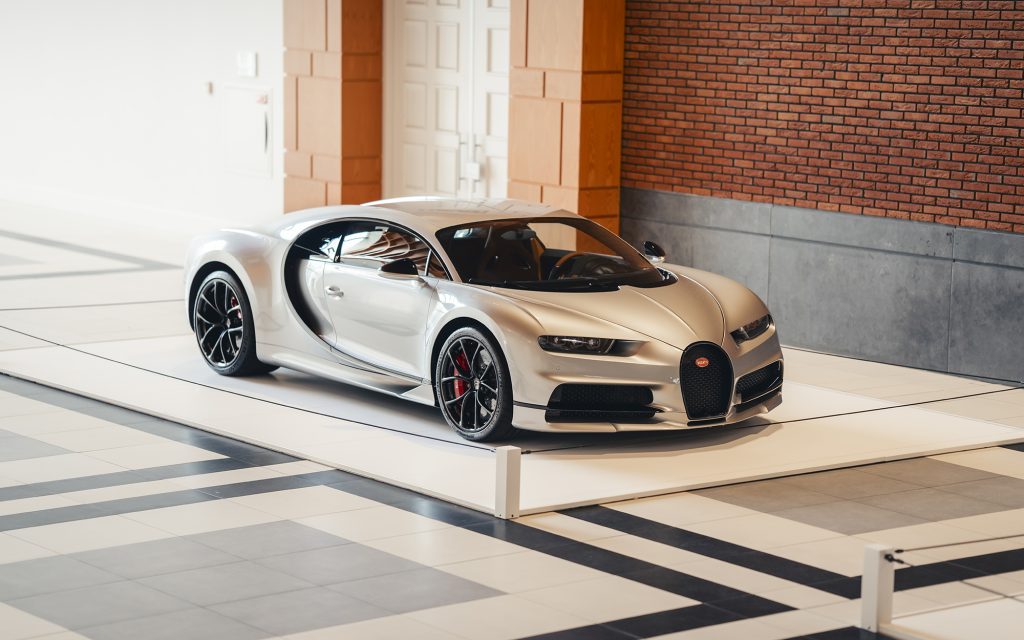
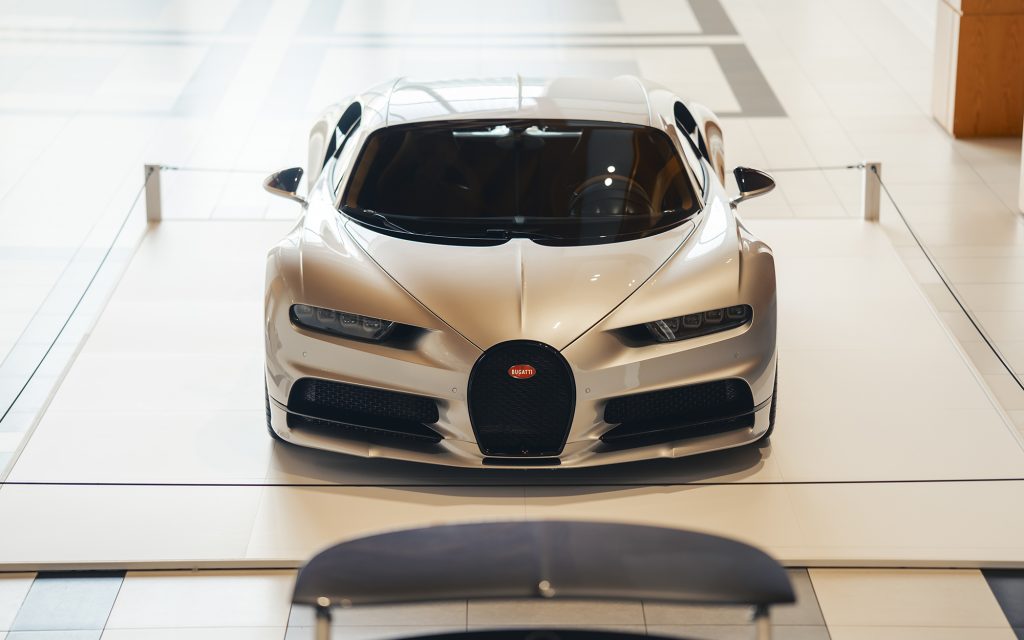
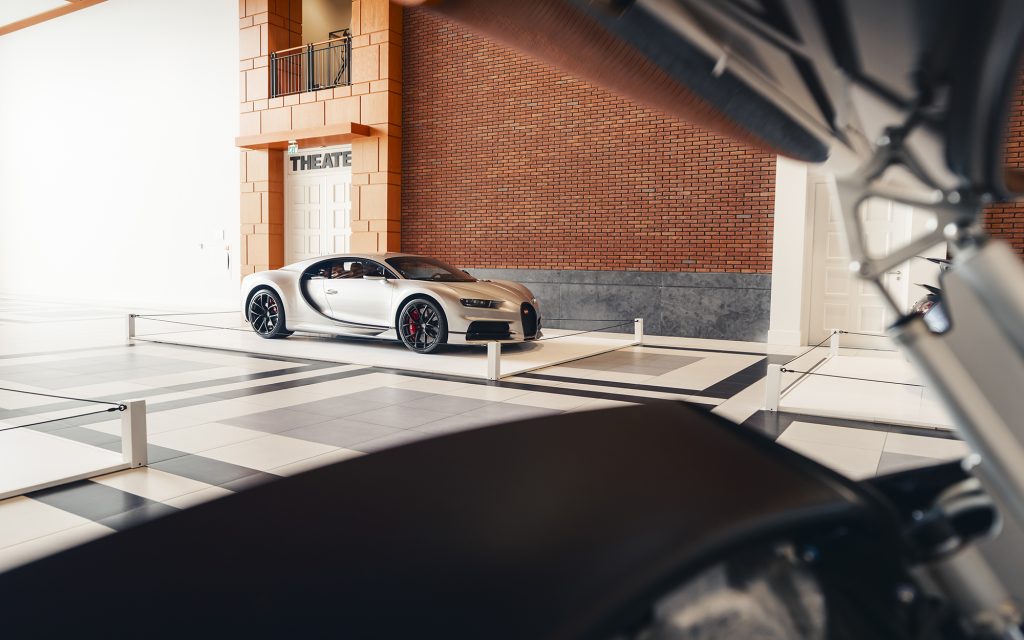
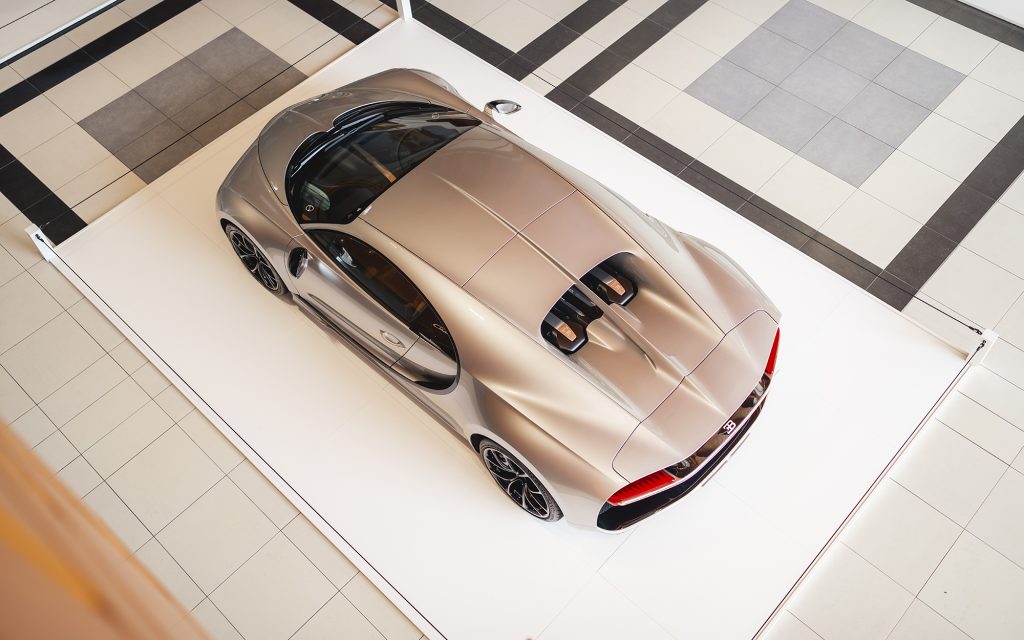
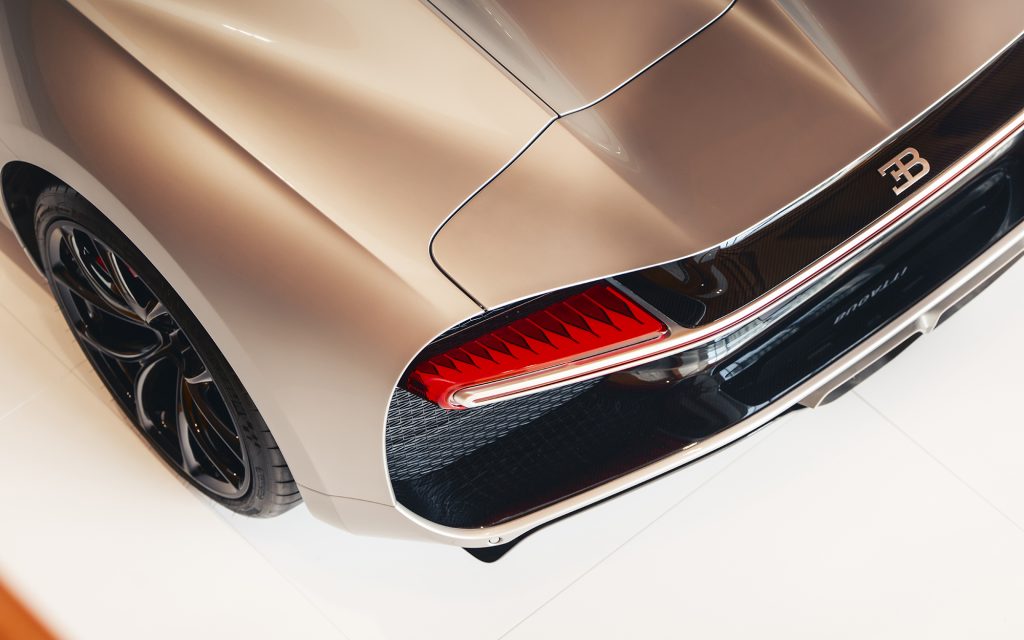
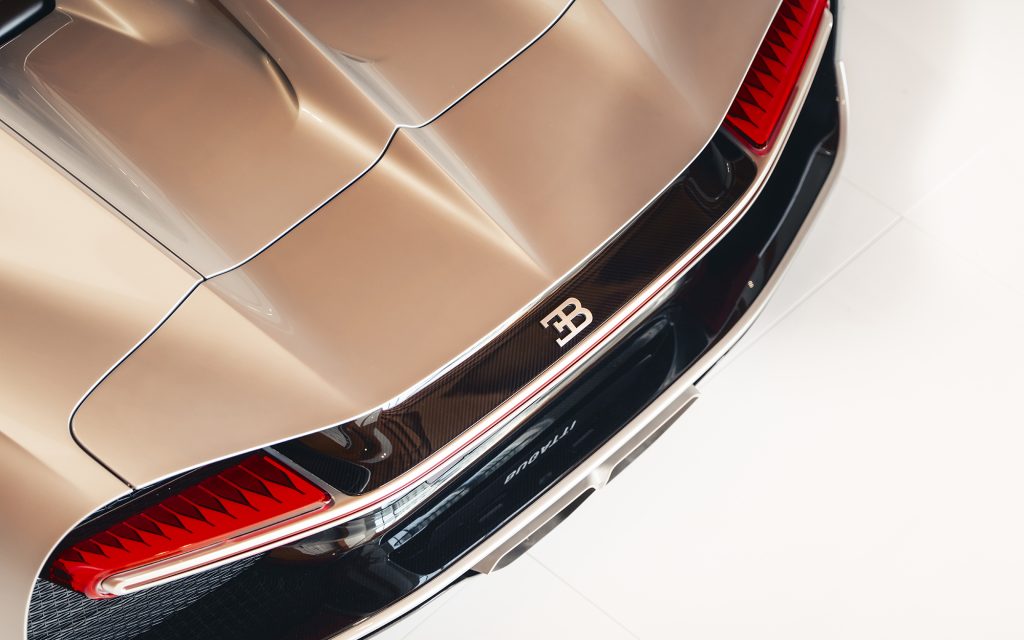
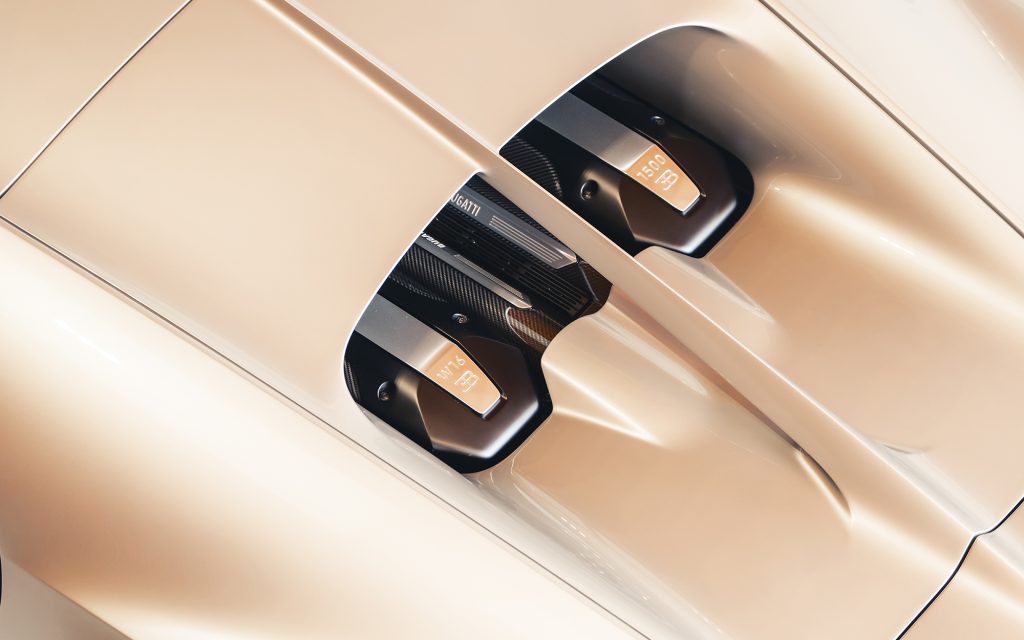
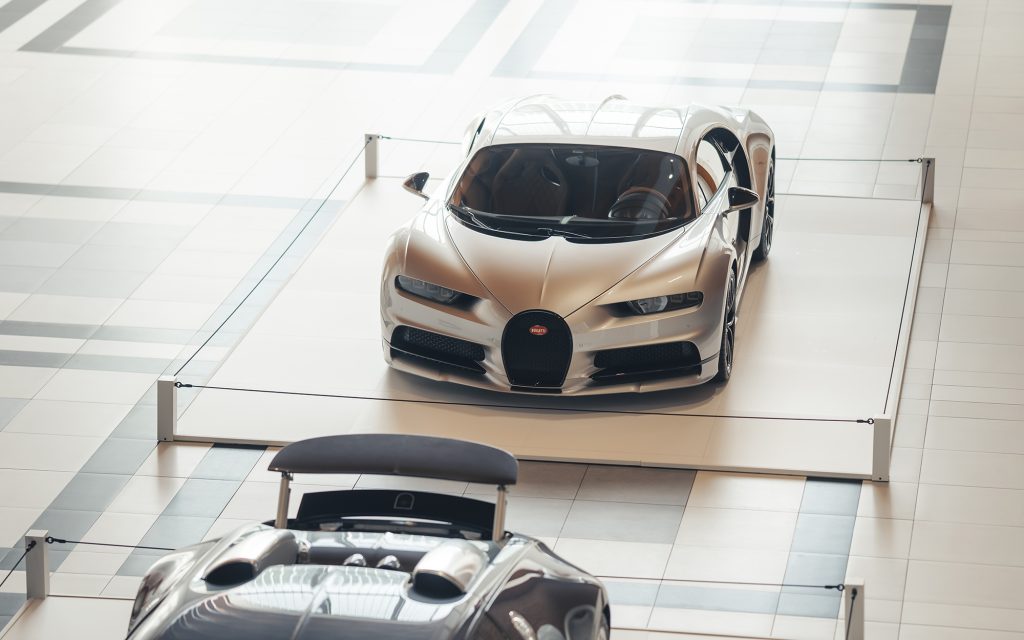
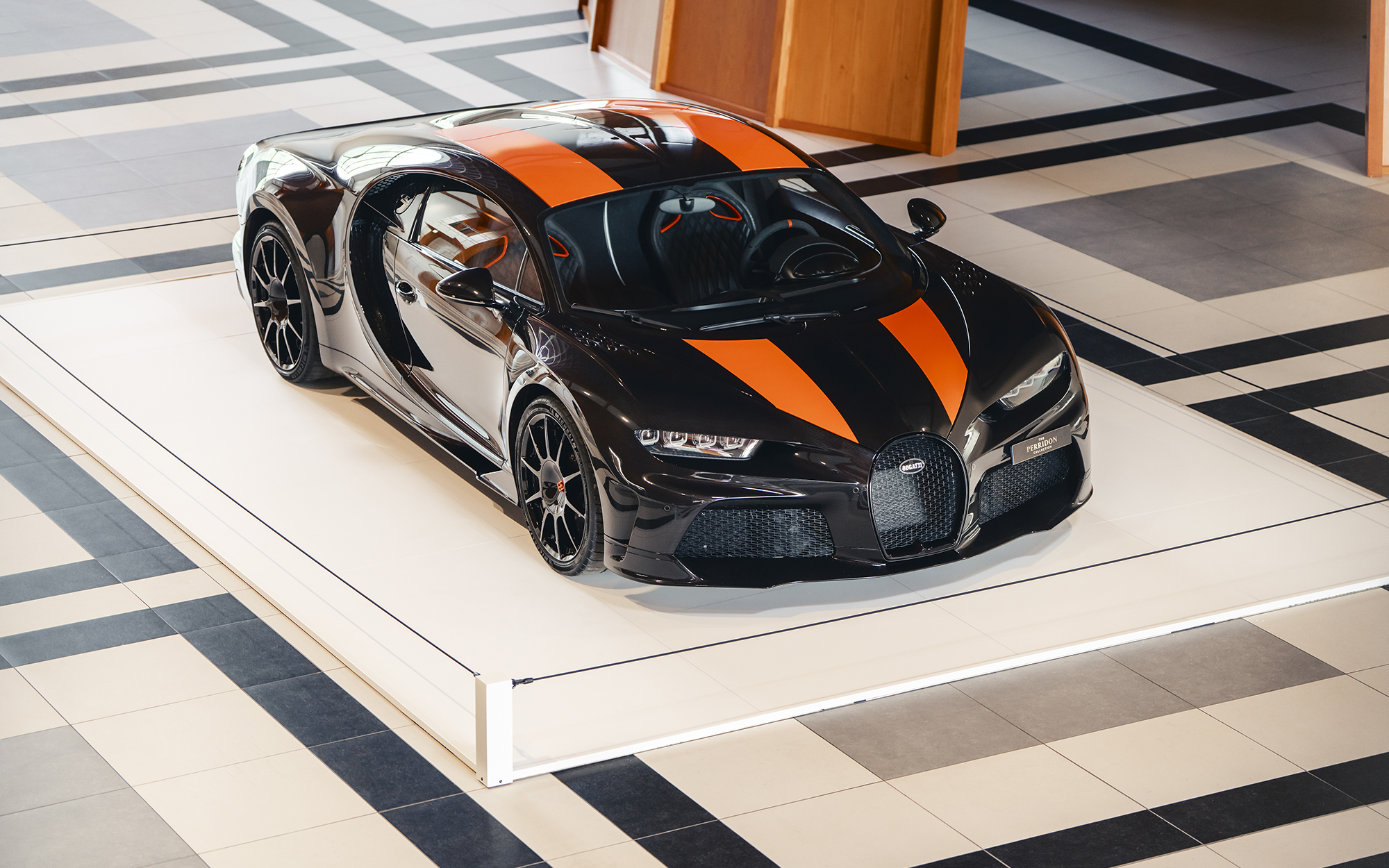
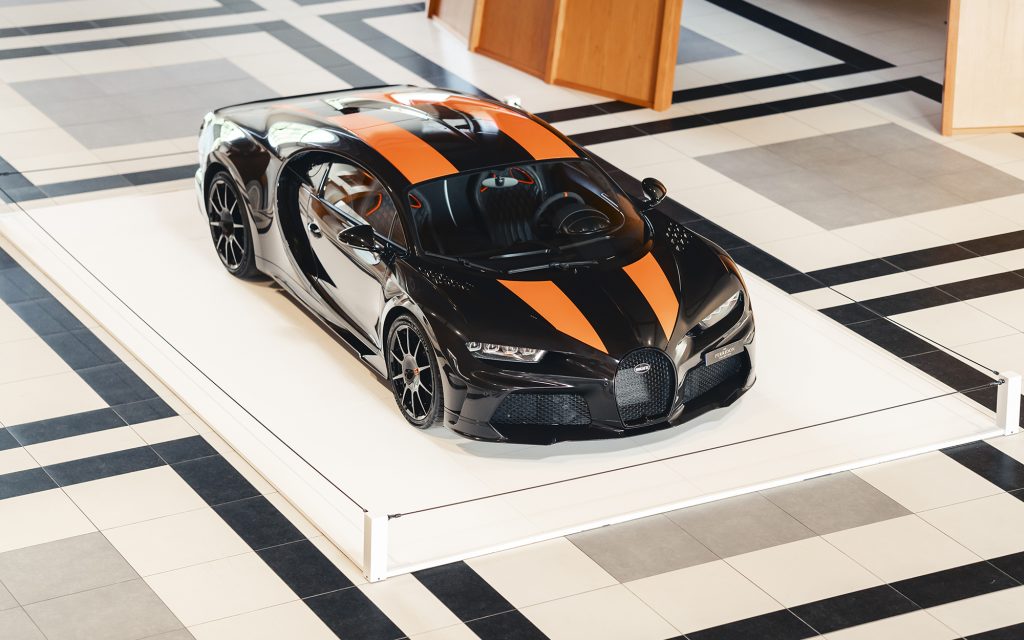
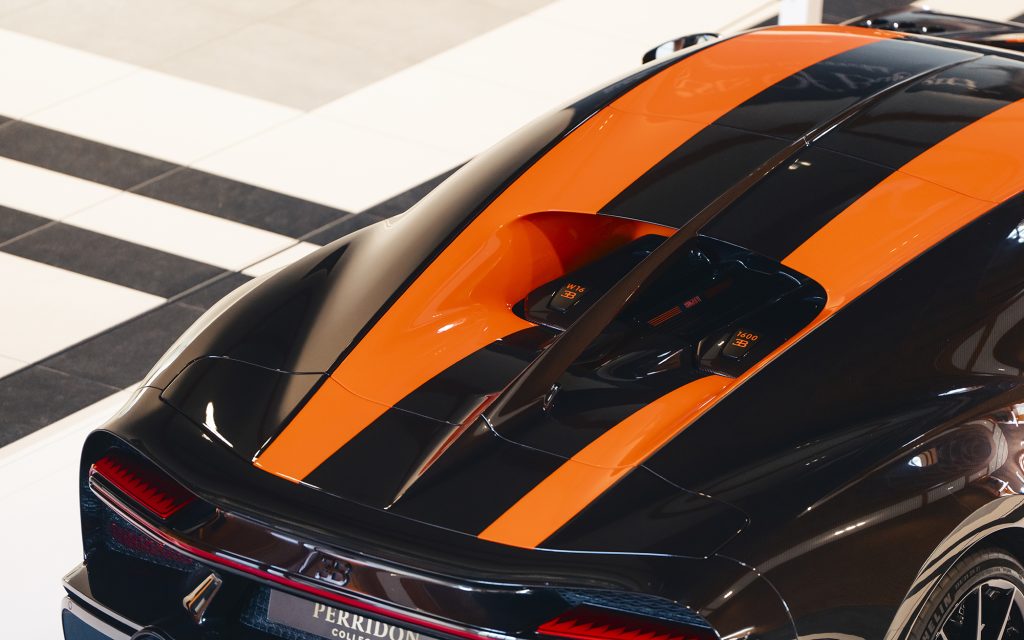
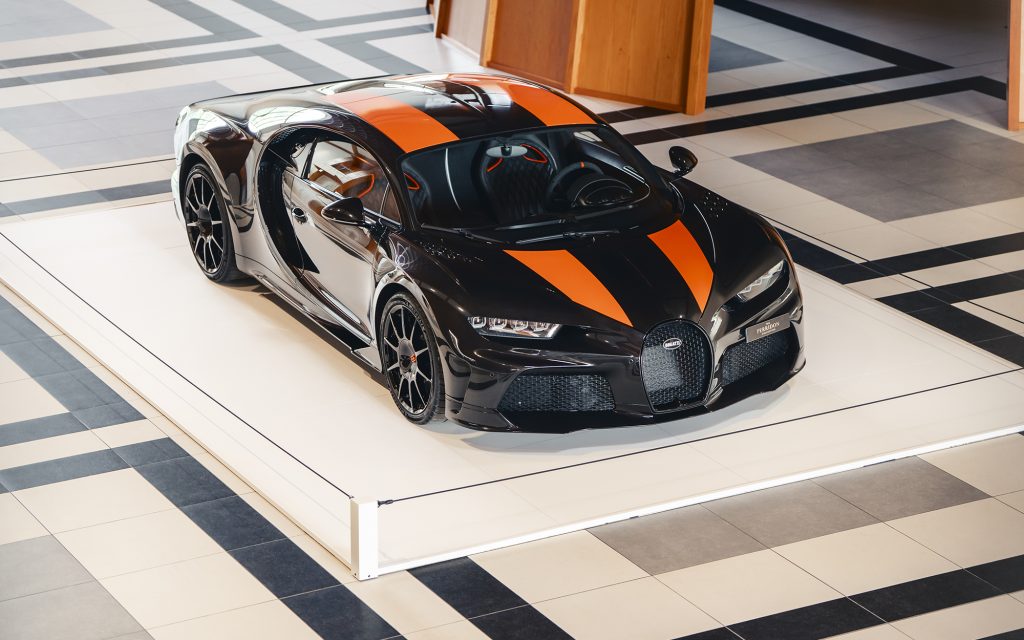
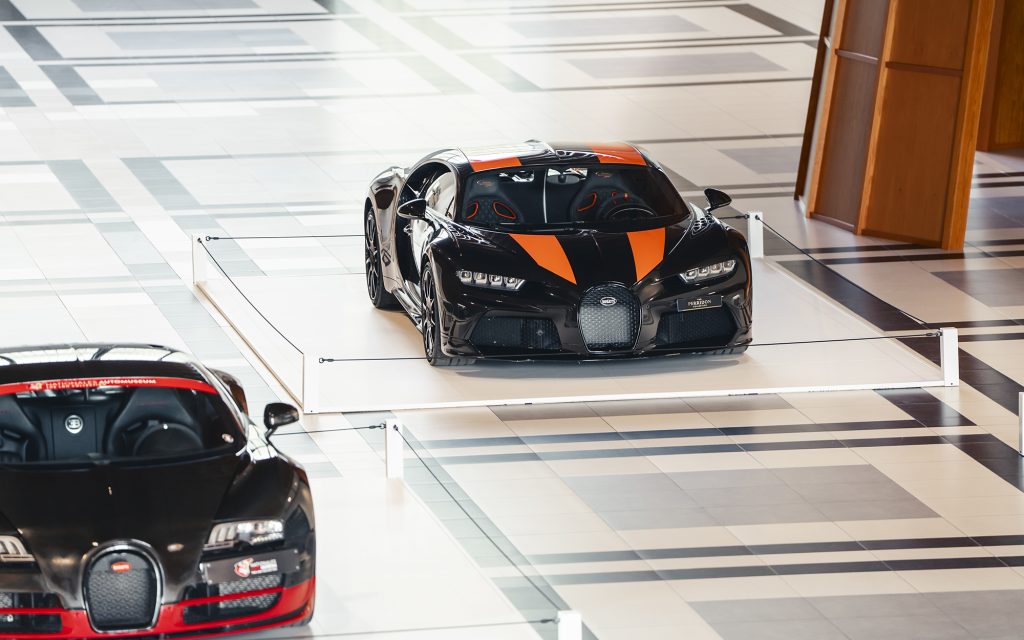
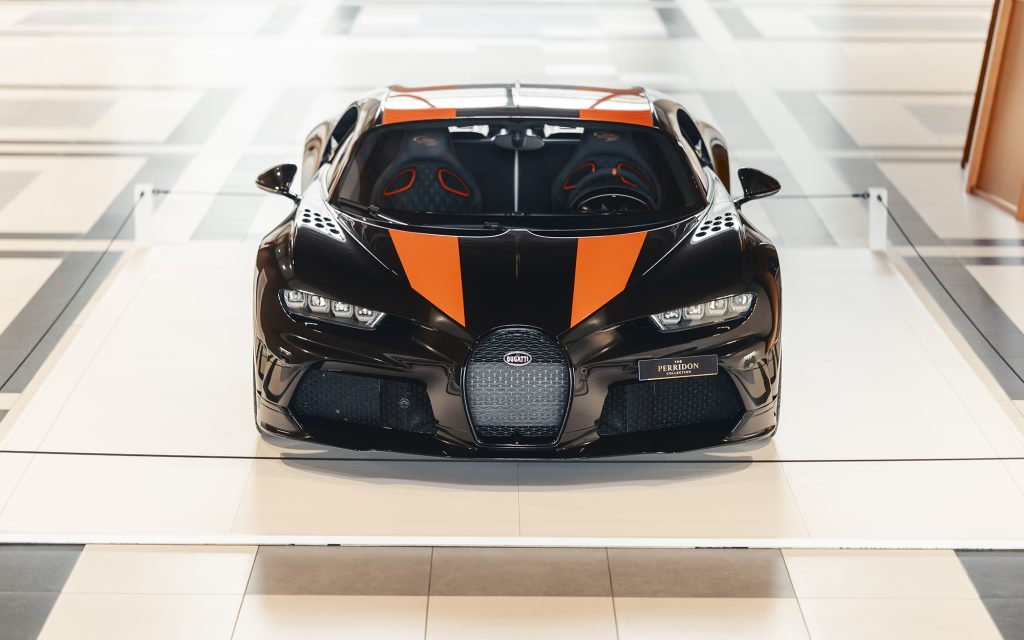
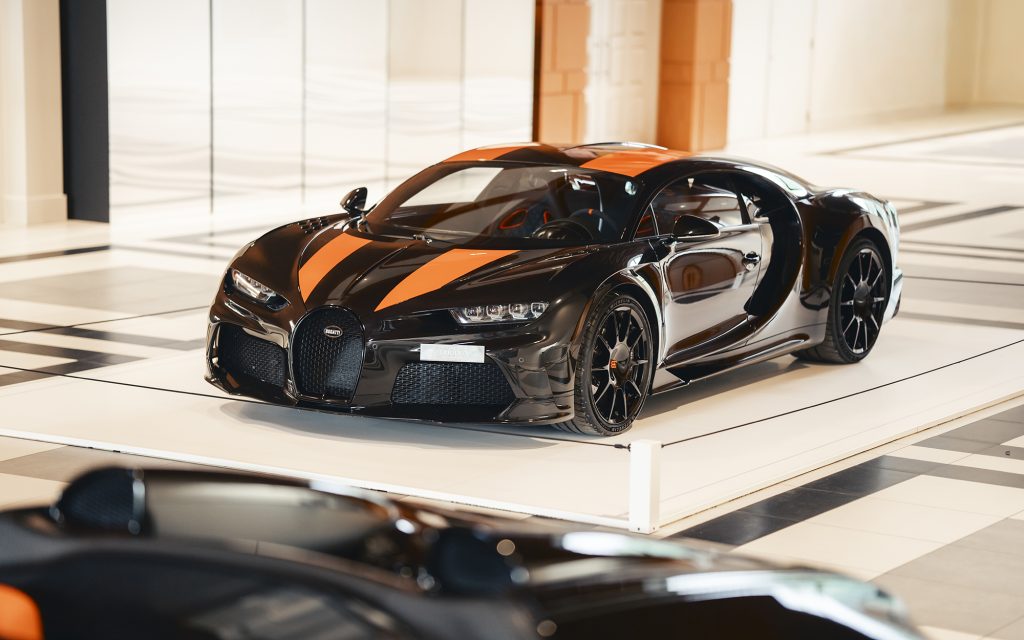
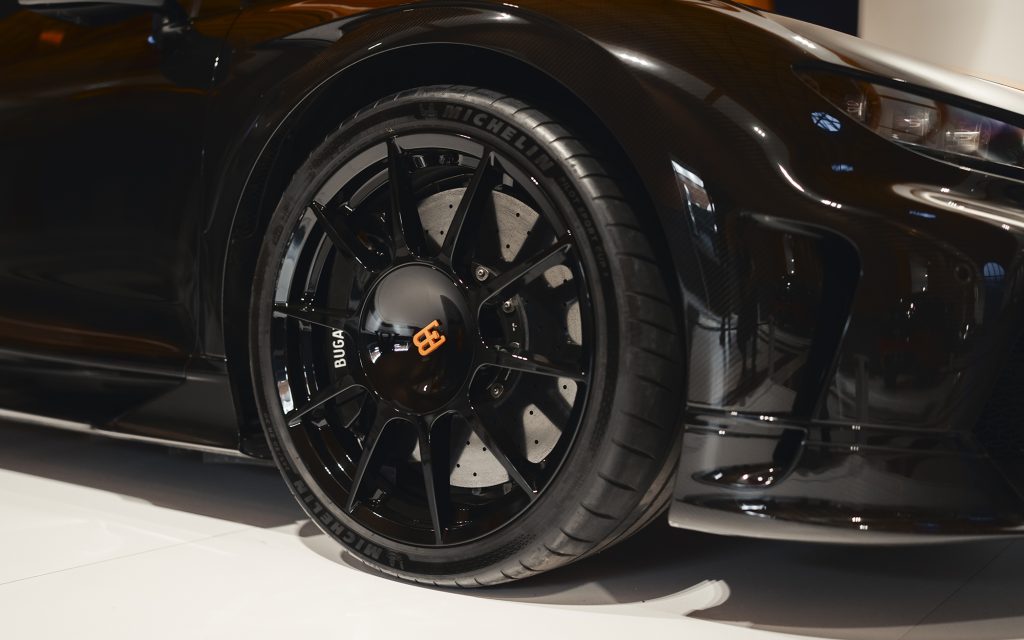
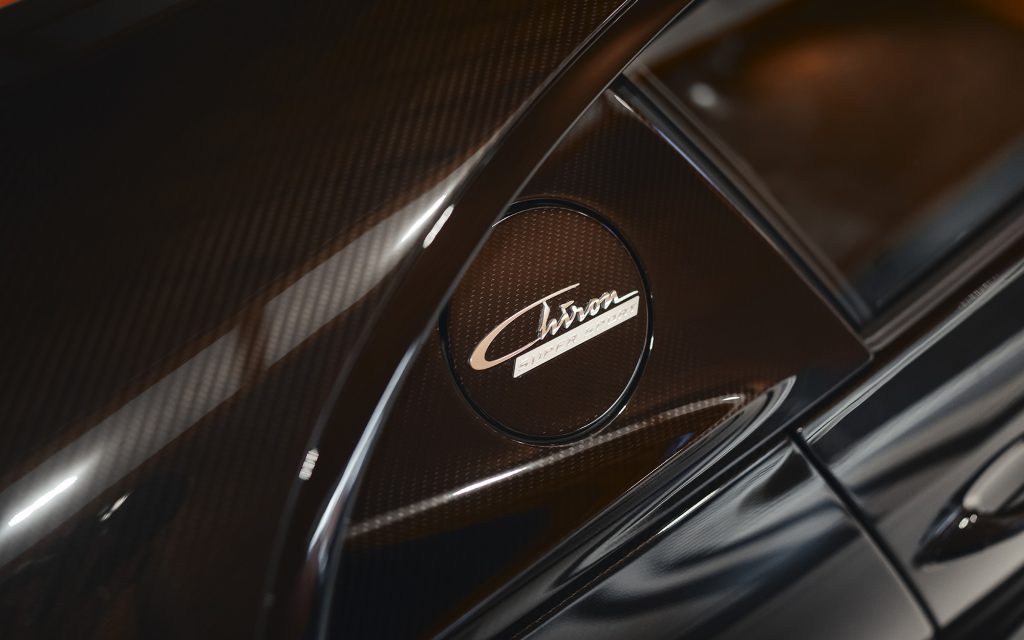
Bugatti Chiron Super Sport 300+
The Chiron Super Sport 300+ was created in response to renewed competition for the production-car speed record.
With Koenigsegg having taken the title, Bugatti returned to high-speed testing. Factory test driver Andy Wallace ultimately drove a modified Chiron to 490.484 km/h, or 304.773 mph, making Bugatti the first manufacturer to take a car beyond the 300-mph threshold.
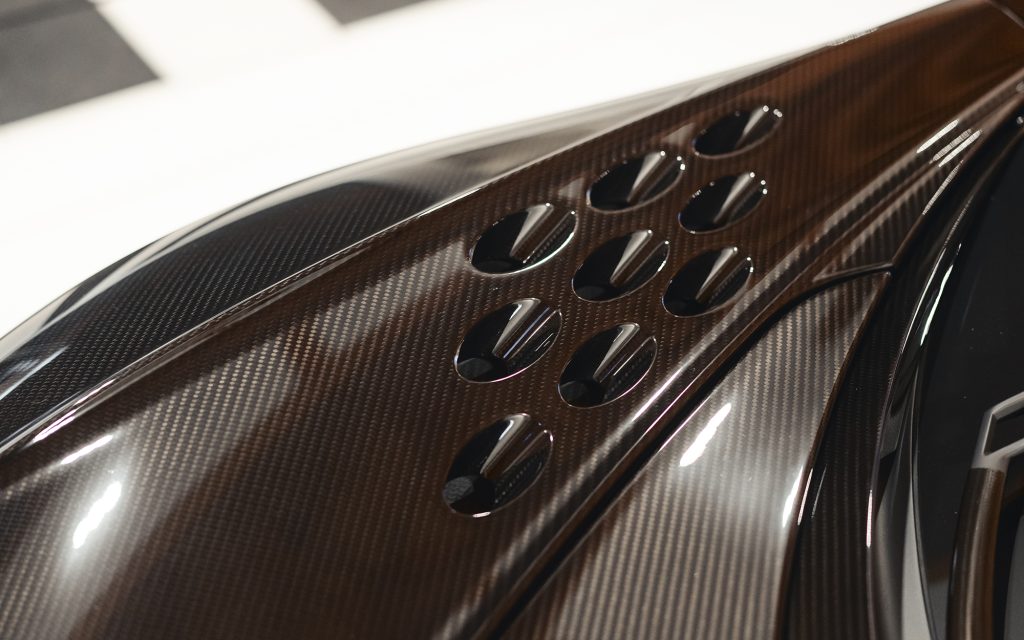
The production Super Sport 300+ developed from that record car. Its most obvious change is a rear section extended by approximately 25 centimeters, part of a package designed to improve aerodynamic stability at extreme speeds. Additional vents and other aerodynamic changes distinguish it from the standard Chiron.
Bugatti produced 30 examples. Unlike the record car, the customer version was electronically limited to 440 km/h, or approximately 273 mph.
Within the context of Beasts of Bugatti, the 300+ represents the logical extreme of the philosophy that began with the Diablo test mule: develop the W16, solve the problems surrounding it and then continue finding out how far it could go.
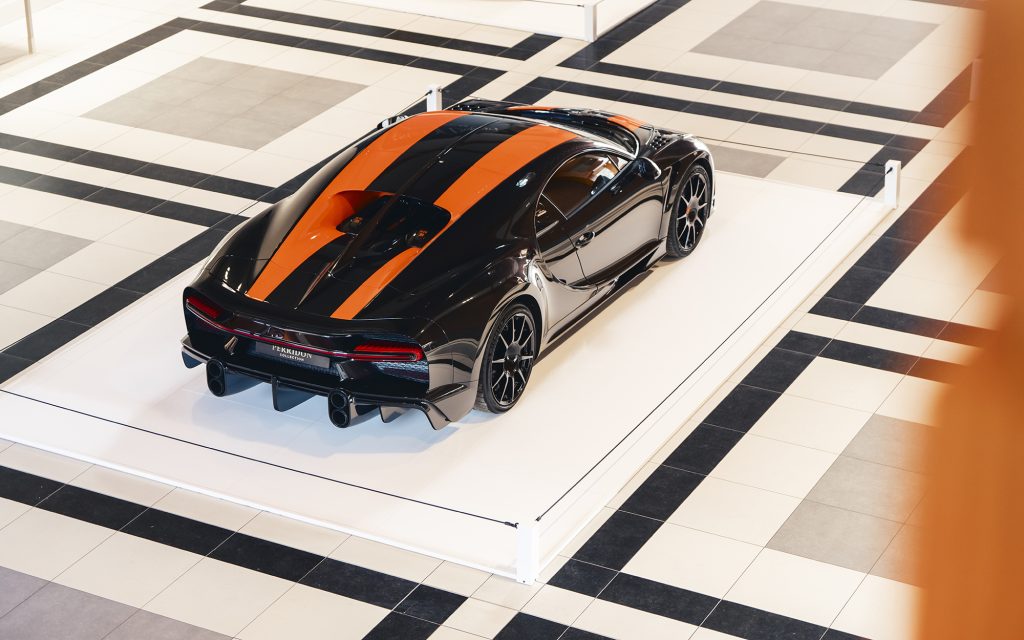
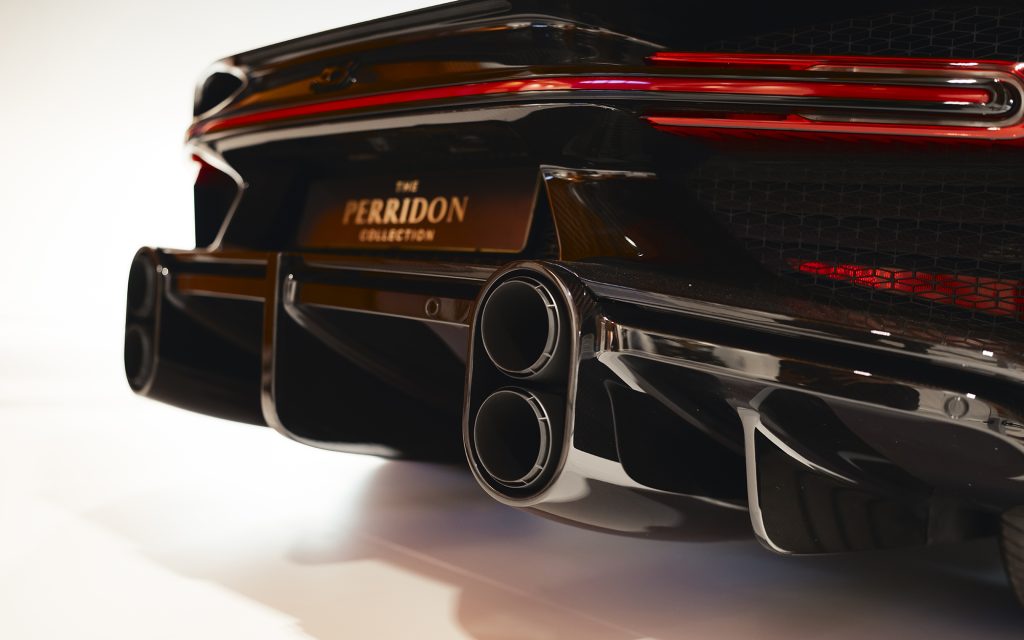
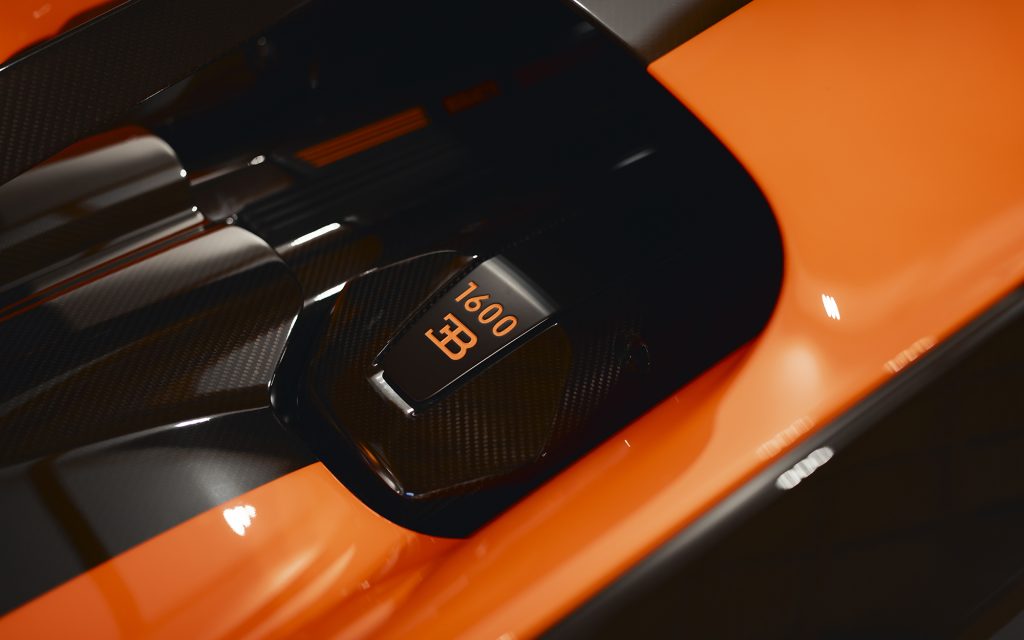
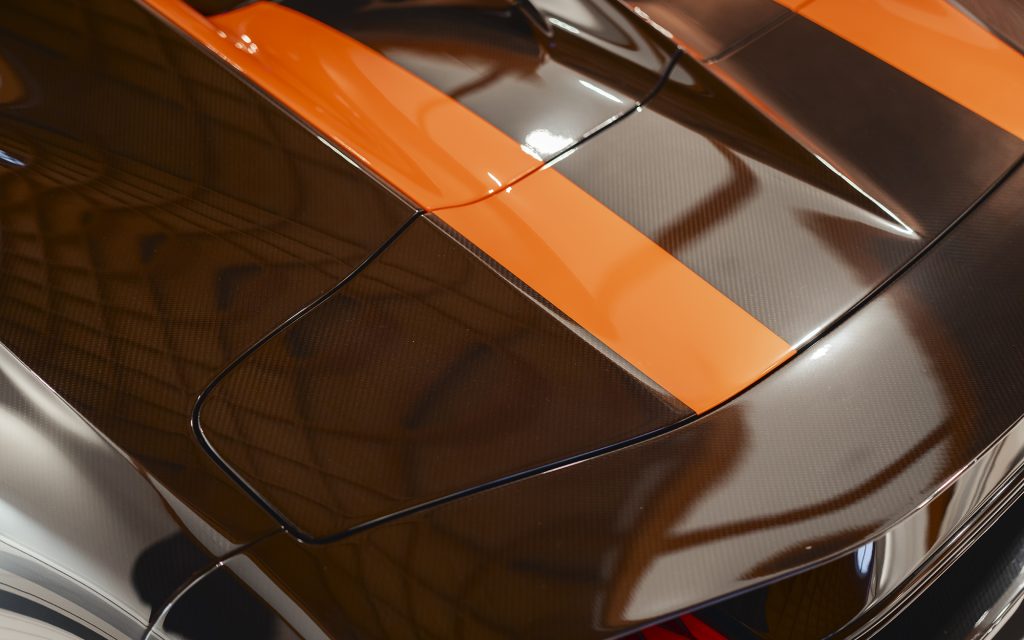
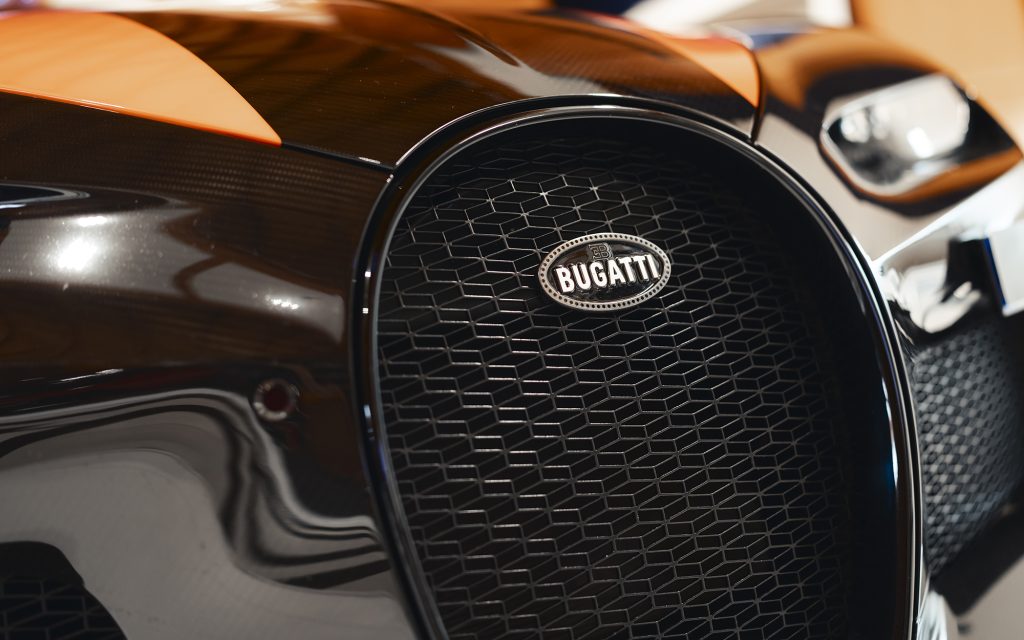
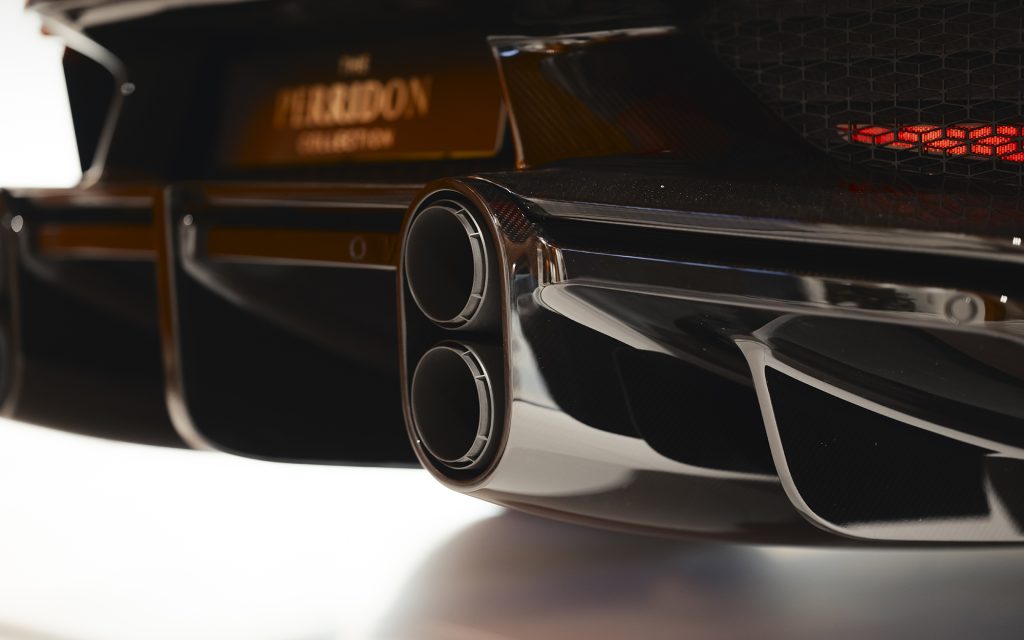
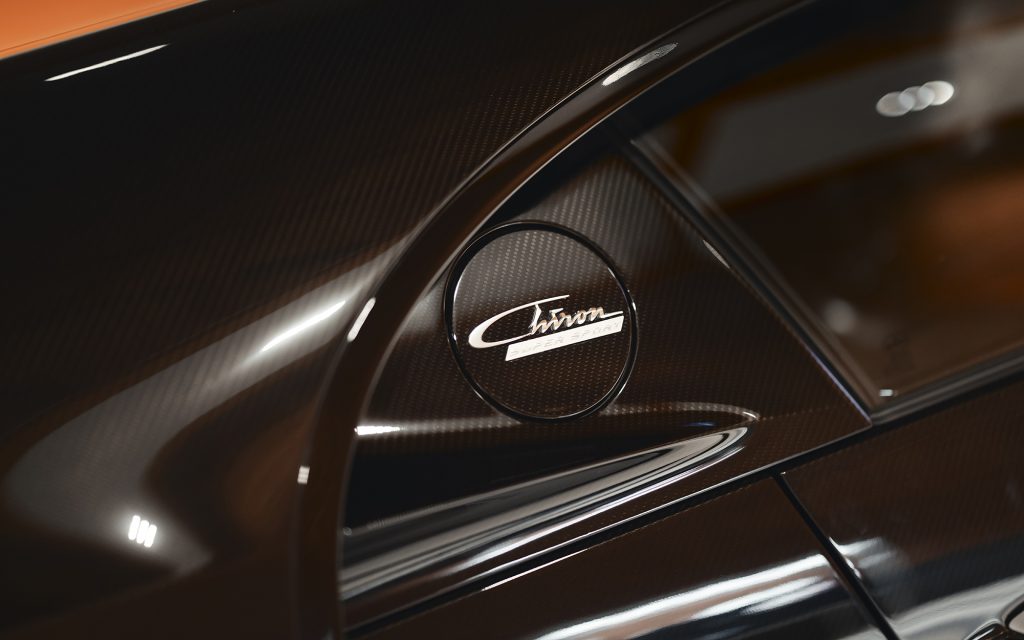
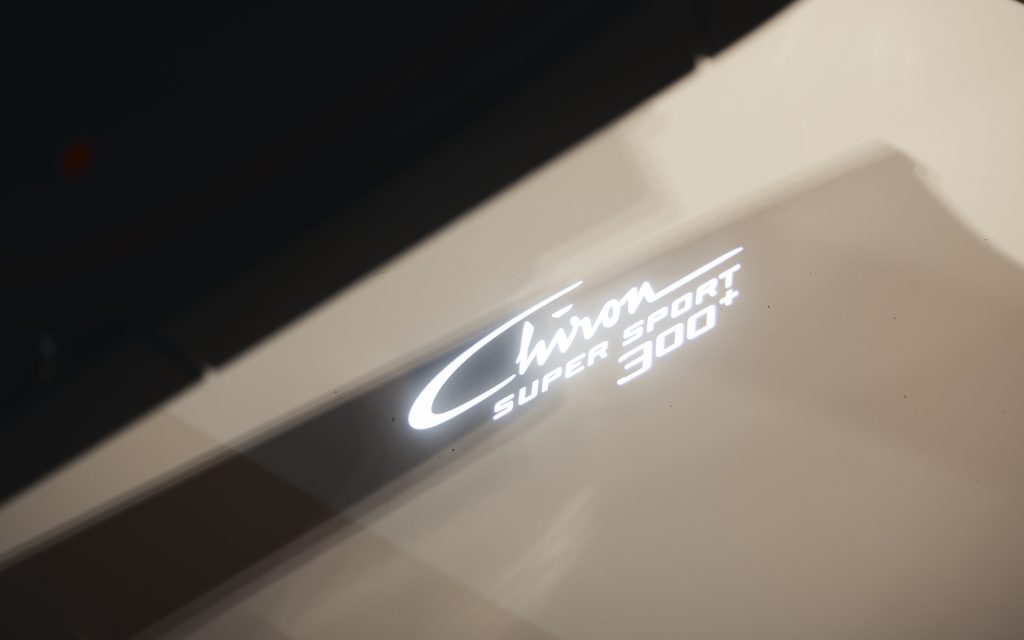
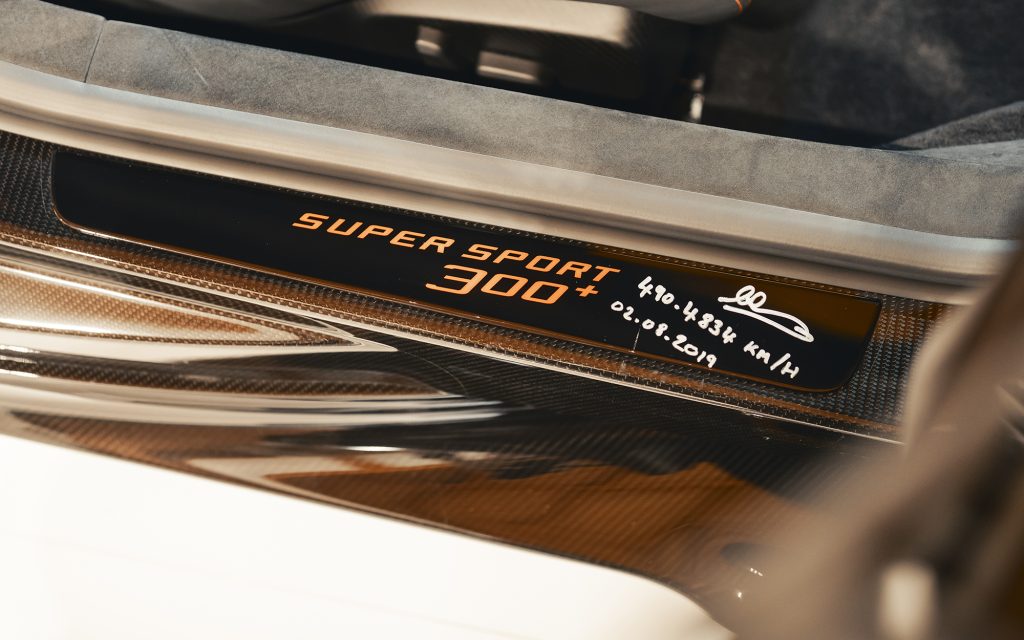
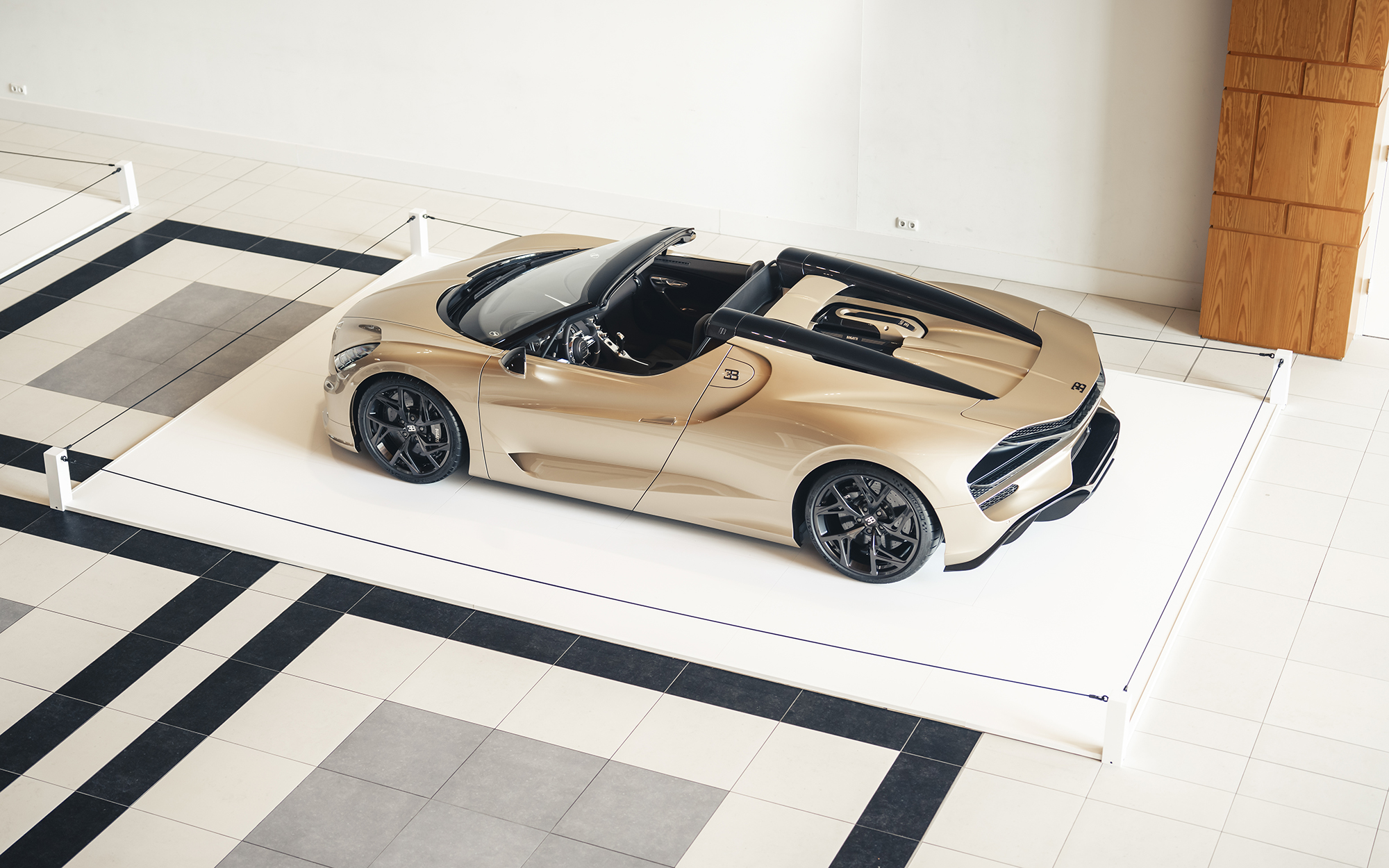
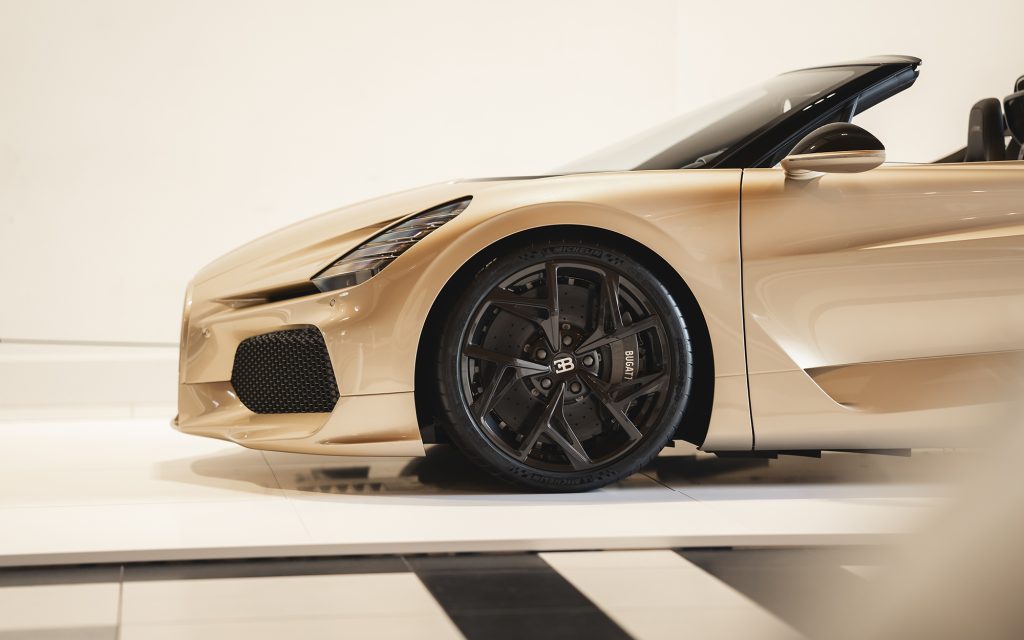
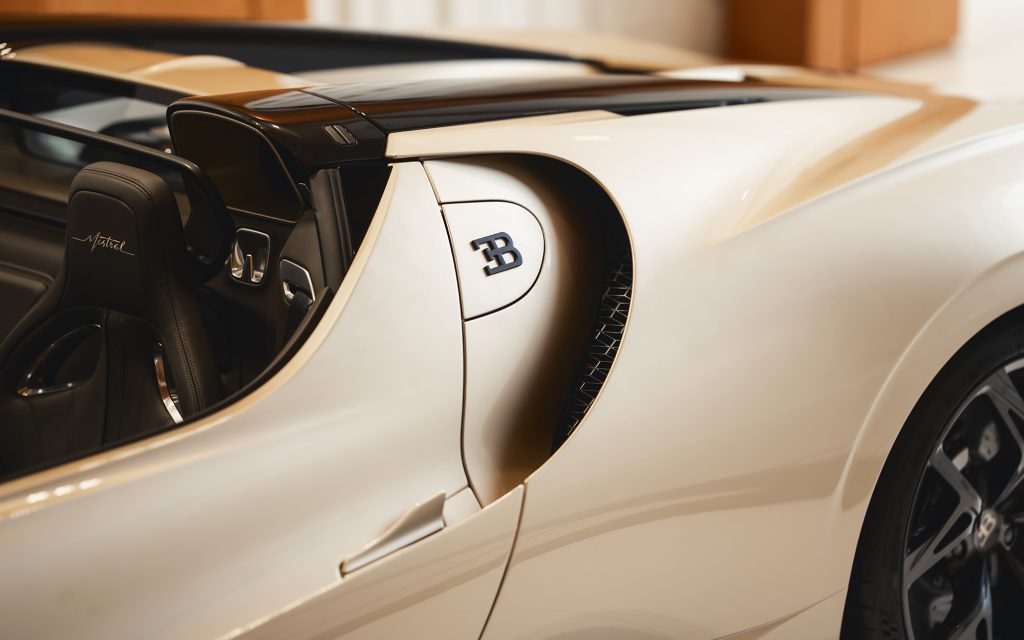
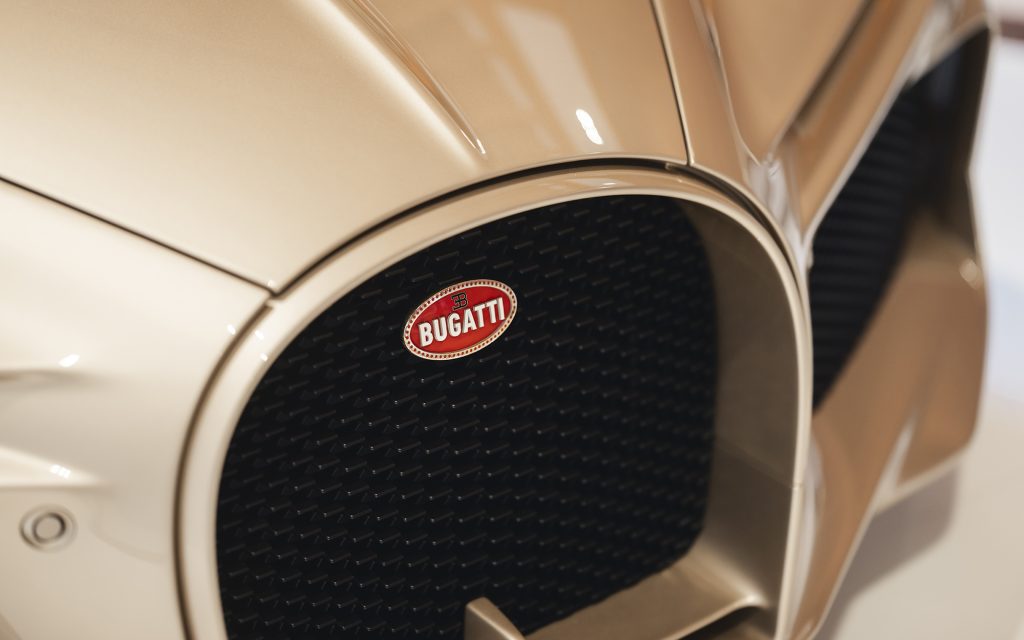
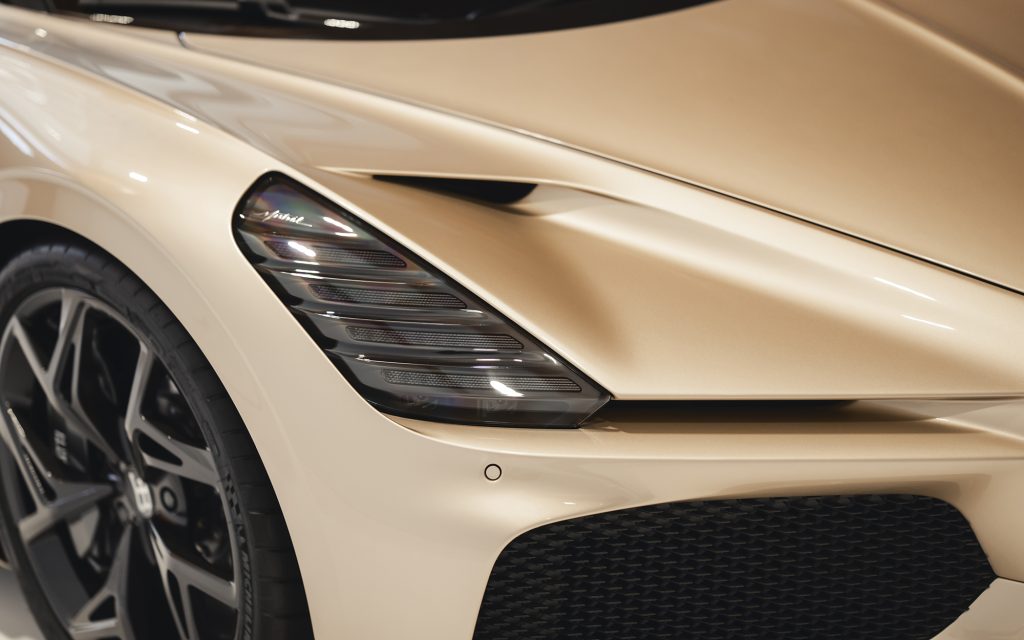
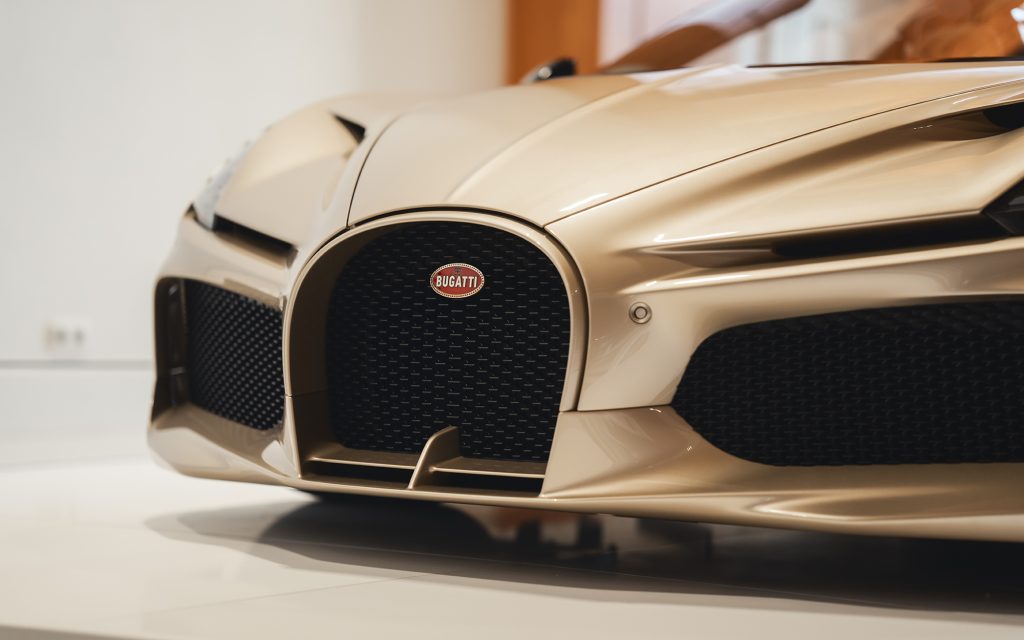
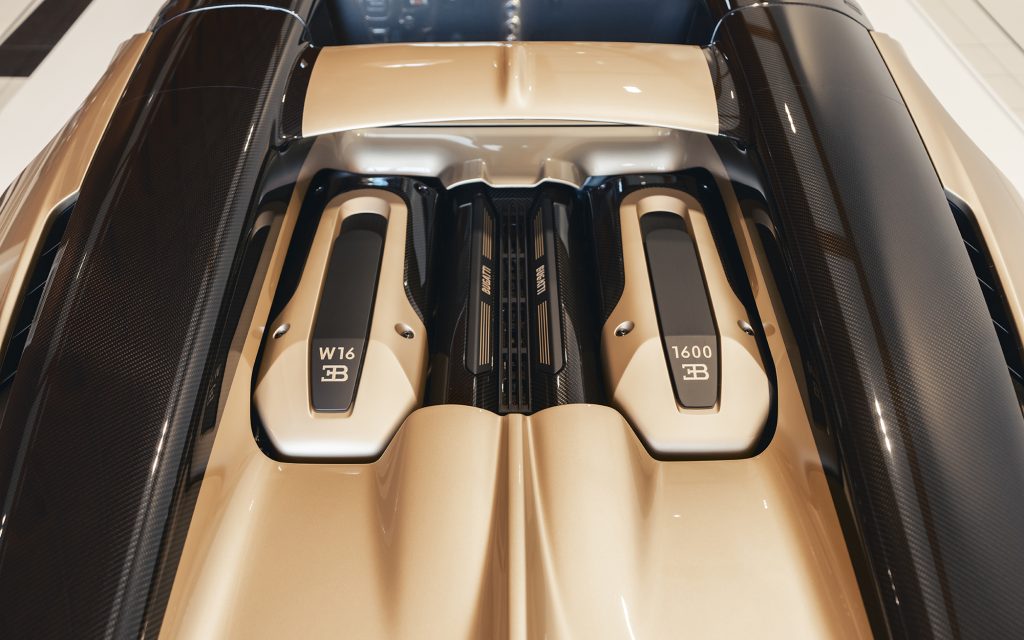
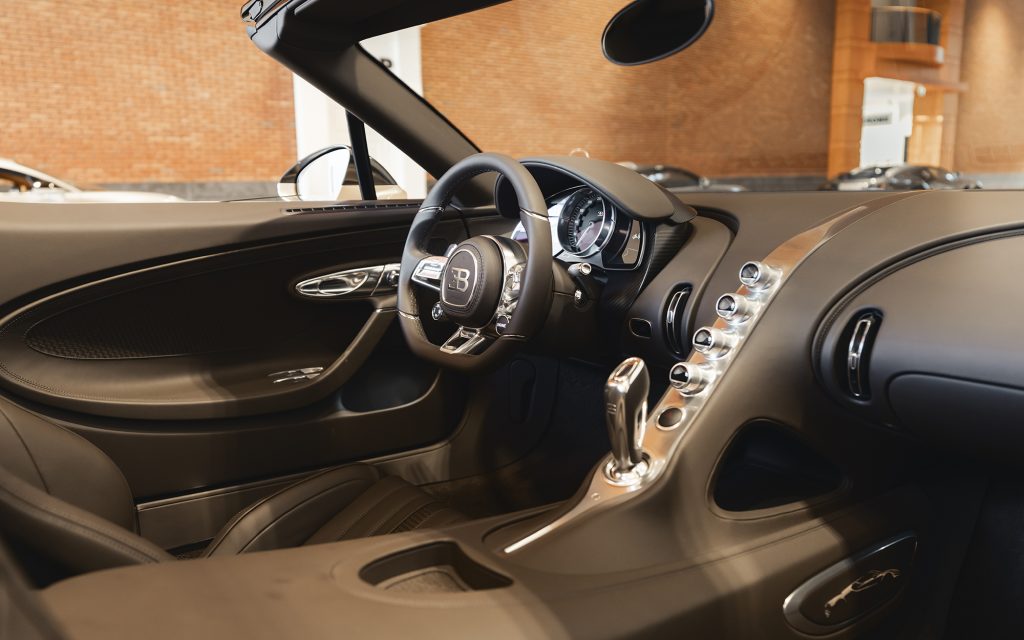
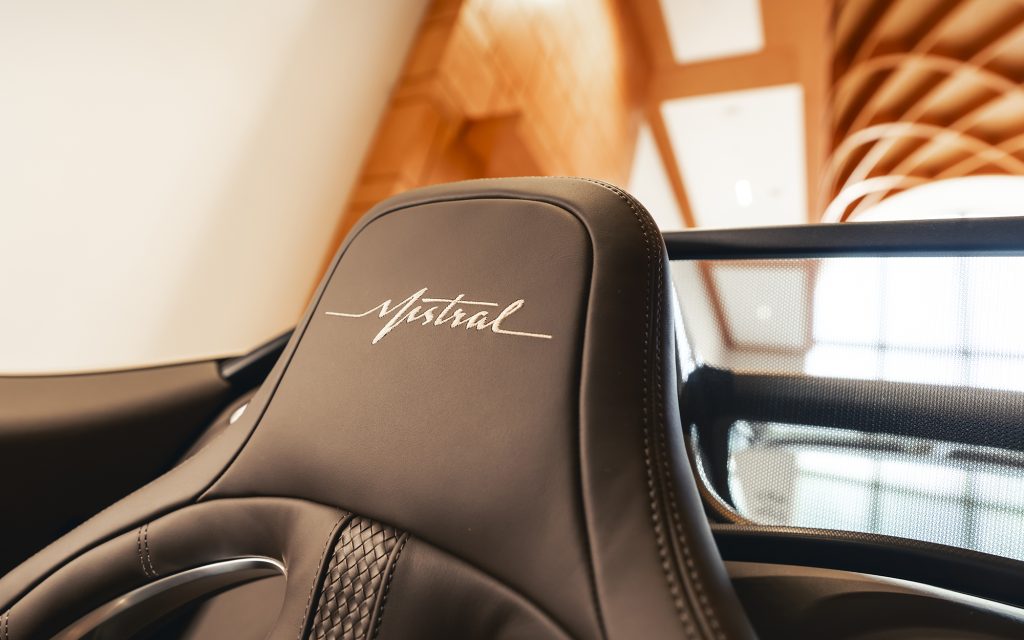
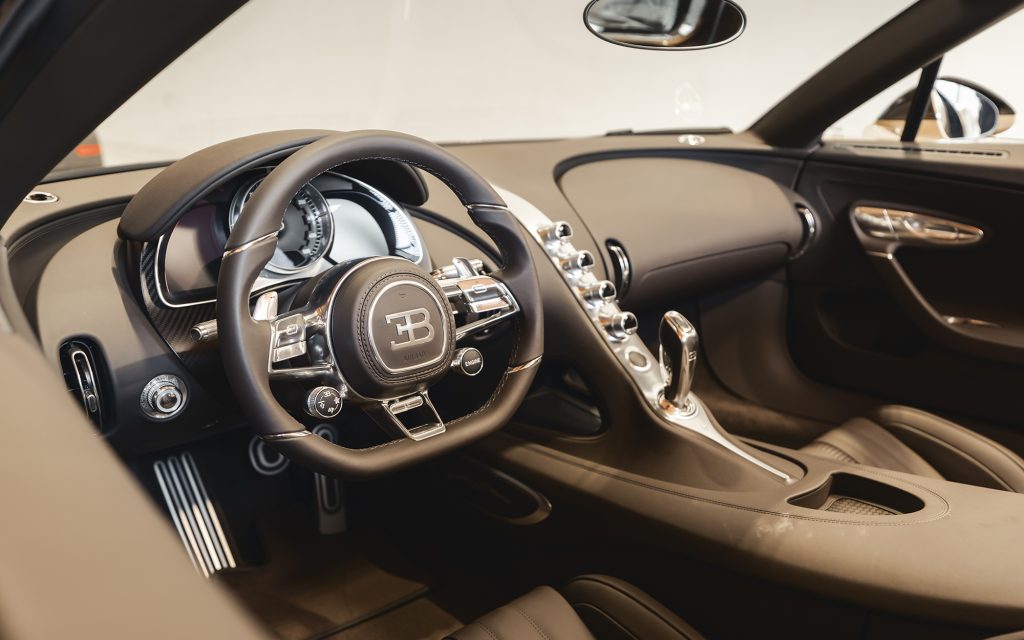
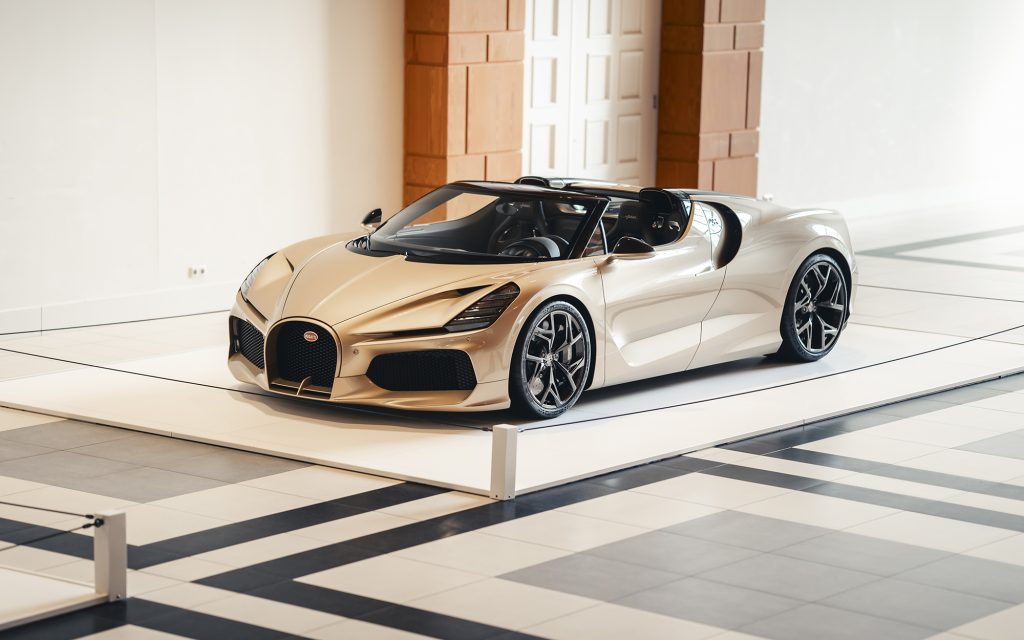
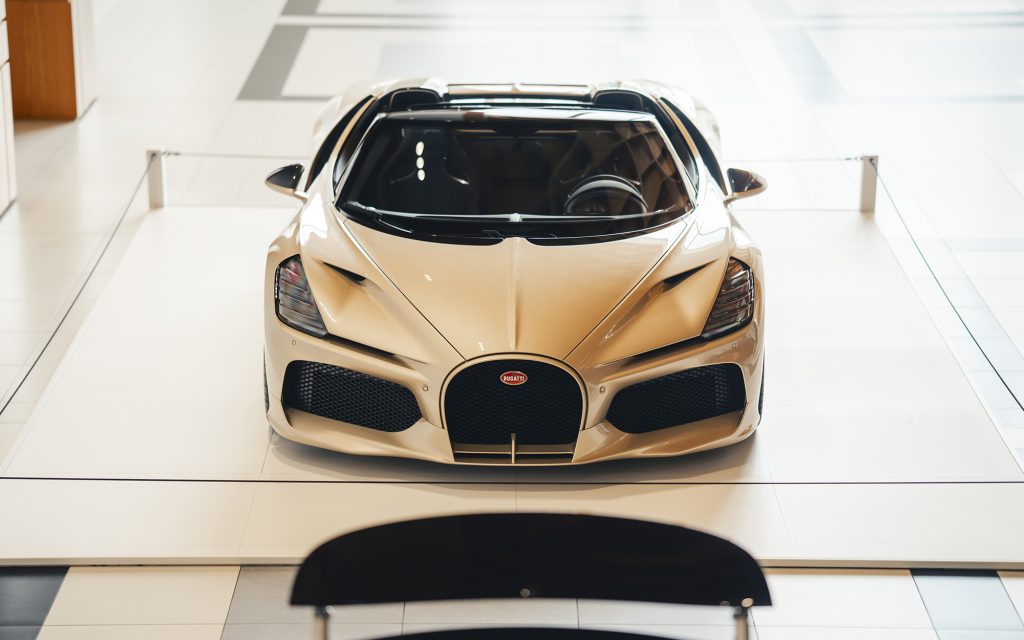
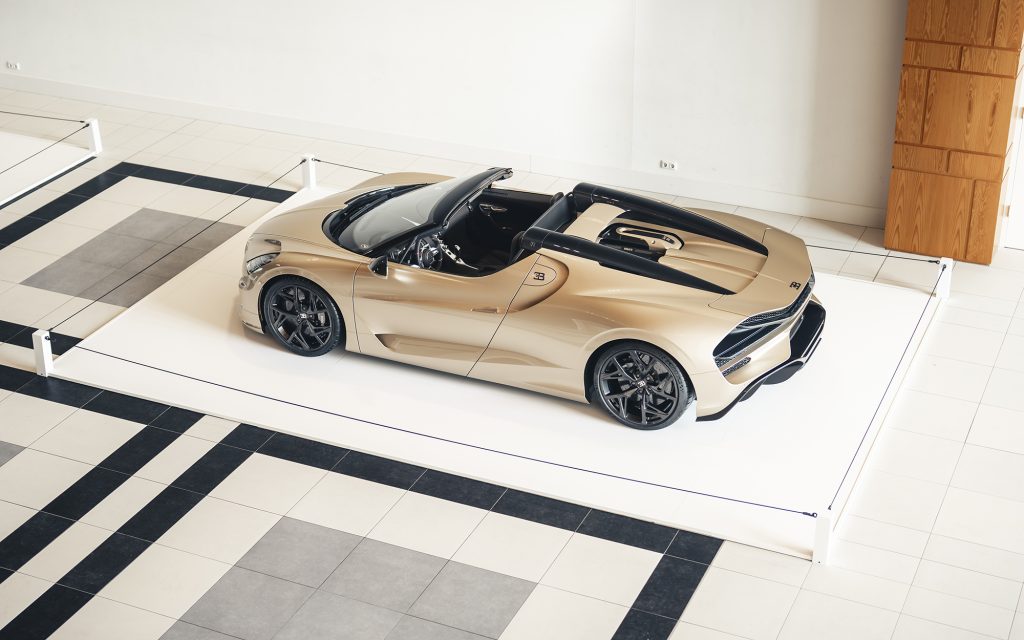
Bugatti W16 Mistral
The W16 Mistral brought the engine into its final major series-production application.
Bugatti had previously maintained that creating an open Chiron presented significant technical challenges. The solution was not simply to remove the roof from a Chiron, but to develop a separate open model around its mechanical architecture.
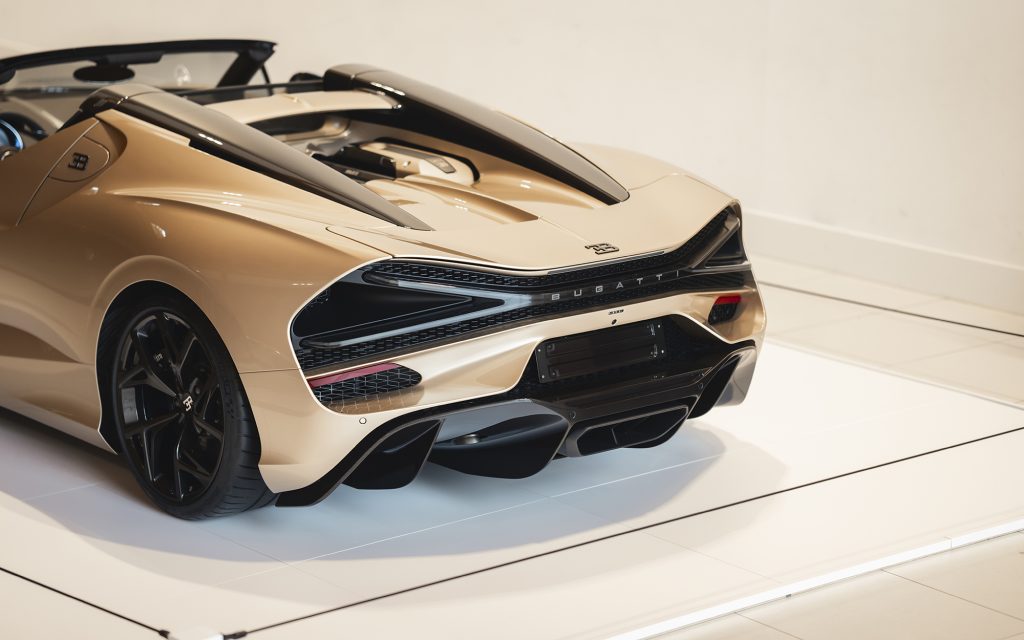
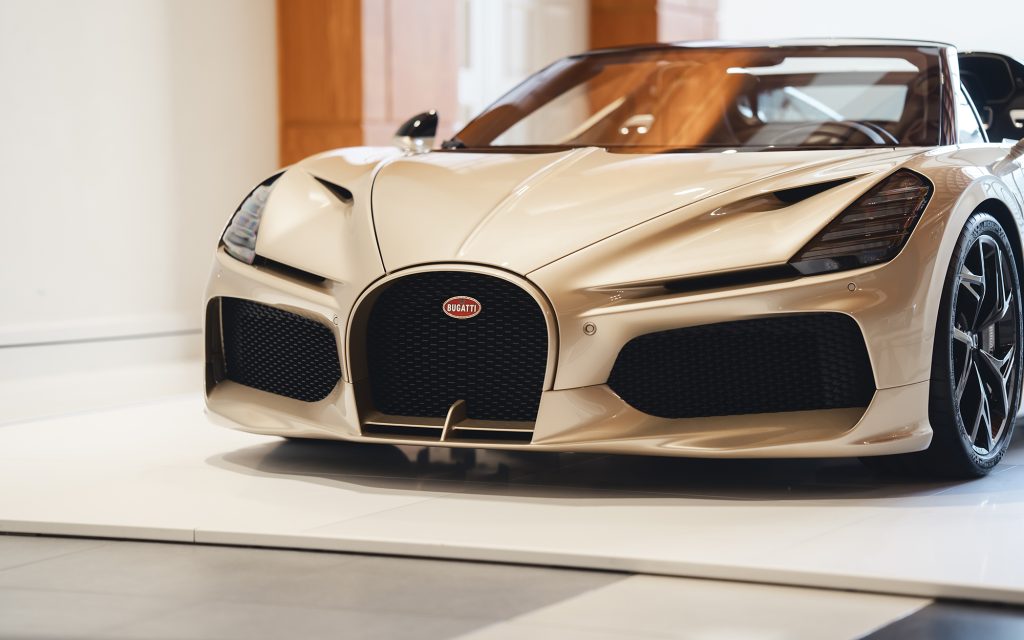
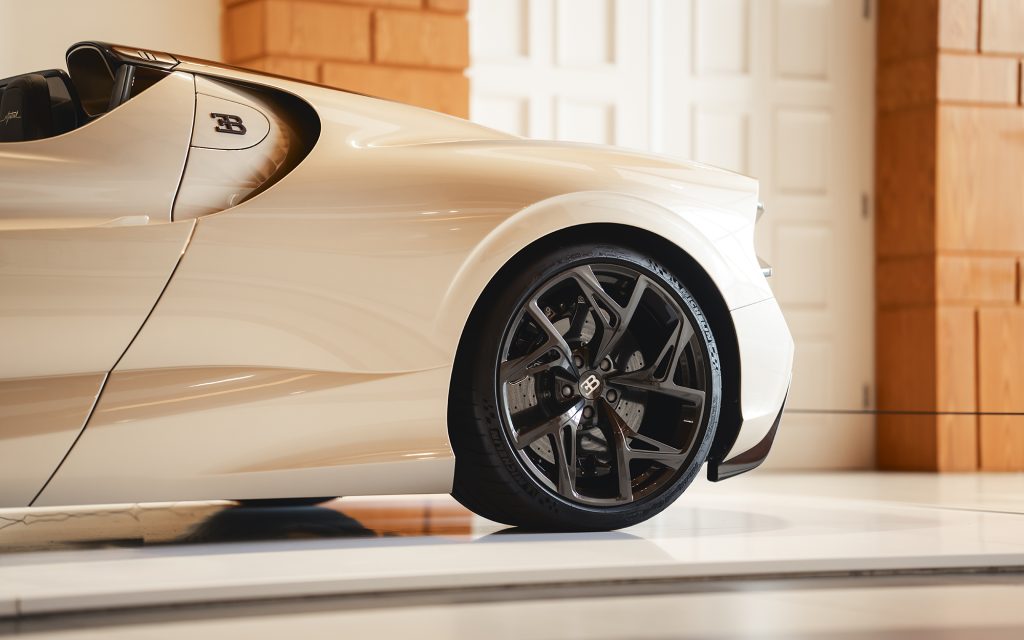
The Mistral uses a removable roof panel, although that panel cannot be stored aboard the car. Production was limited to 99 examples, each priced at approximately €5 million before taxes when announced.
The model was initially presented as the final road-going application of Bugatti’s W16. The story subsequently became slightly more complicated, with further coachbuilt projects based on the W16 architecture, including Brouillard and FKP Hommage.
Even so, the Mistral provides an appropriate endpoint for the Louwman’s nine-car progression. From a repurposed Lamborghini used simply because Bugatti needed somewhere to put its experimental engine, the W16 evolved into the centerpiece of a purpose-built open hypercar produced for some of the world’s most committed collectors.
More Than Nine Cars
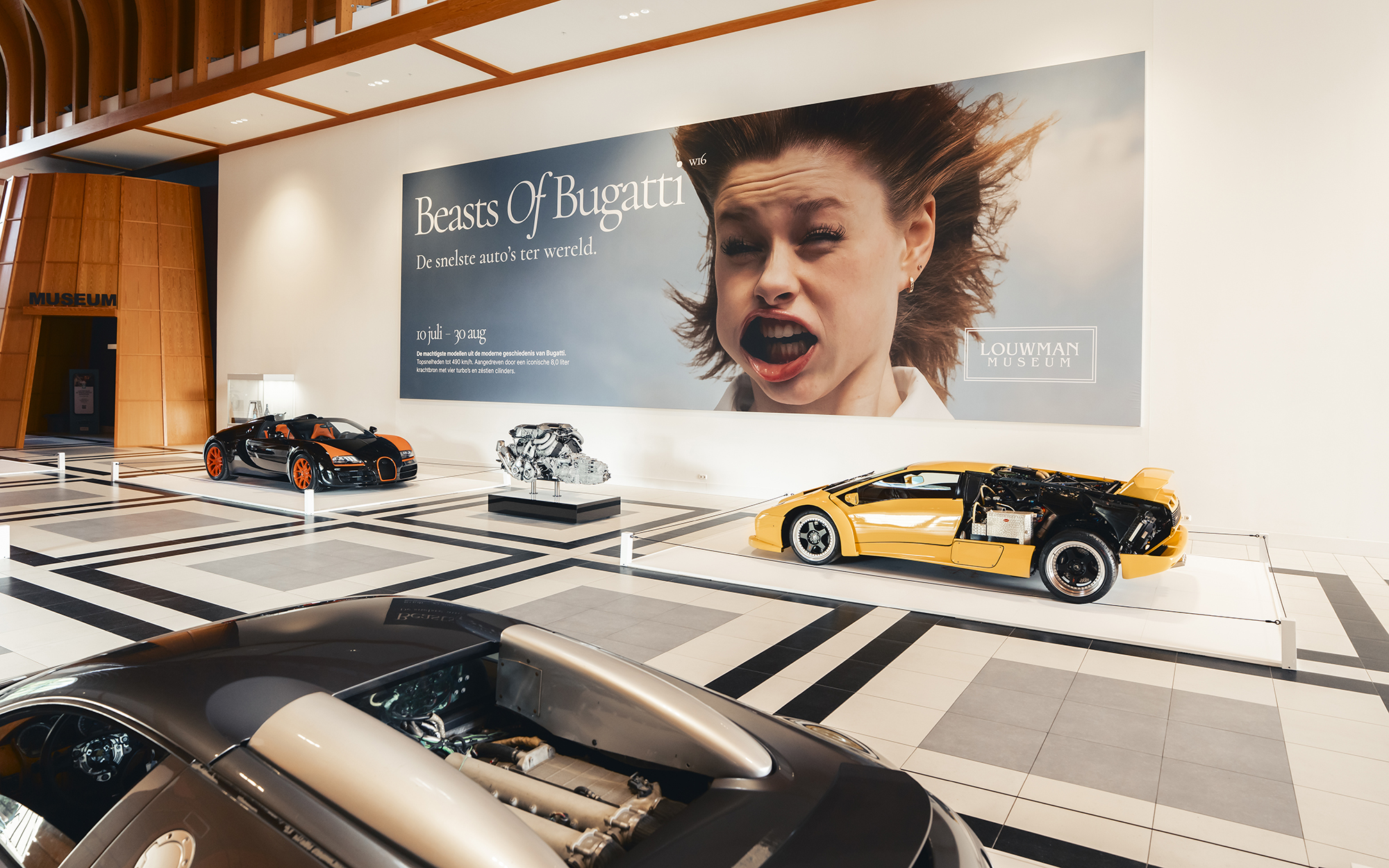
Beasts of Bugatti also extends beyond the vehicles themselves.
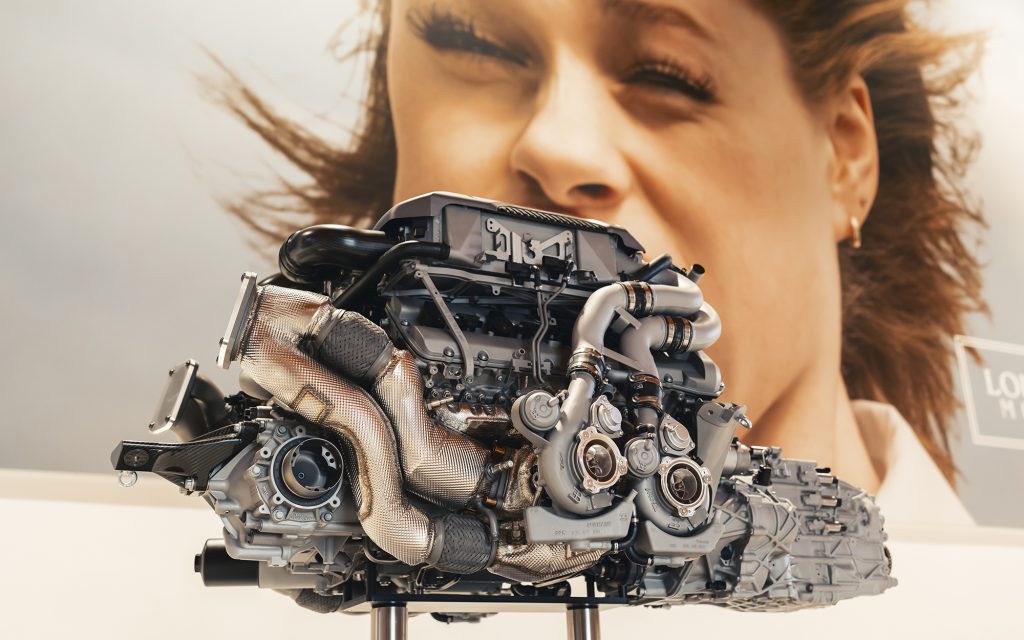
For the exhibition campaign, the Louwman Museum photographed real people subjected to wind speeds intended to evoke the forces associated with 400-km/h-plus travel. The resulting portraits capture the physical effects on their faces without AI manipulation or digital distortion.
More importantly for anyone making the trip, the W16 exhibition sits within one of Europe’s significant automotive museums. The Louwman collection spans more than a century of motoring history and includes an established collection of historic Bugattis.
That makes Beasts of Bugatti something more useful than nine hypercars assembled in a room. The permanent collection provides the other half of the story, placing the Volkswagen Group-era machines alongside cars from the period in which Ettore Bugatti established the engineering, competition and design reputation that the modern company inherited.
There isn’t much time left to see the combination. Beasts of Bugatti closes August 30.
If, like us, you’ve somehow managed to miss it until now, consider this a late reminder rather than an early recommendation.
Additional Information
Exhibition: Beasts of Bugatti
Dates: July 10–August 30, 2026
Museum: Louwman Museum
Location: The Hague, Netherlands
Venue: Great Hall
Exhibition focus: Nine Bugatti W16-era development, production and record cars
Hours during the exhibition: 10:00–17:00, seven days a week
Admission: Beasts of Bugatti is included with regular museum admission; no separate exhibition ticket is required
Highlights: Lamborghini Diablo W16 development mule, Veyron Prototype I, Veyron Super Sport, Chiron Super Sport 300+ and W16 Mistral
Permanent collection: The Louwman Museum’s broader collection remains on display, including significant historic Bugatti automobiles
Allow: Given the size and scope of the permanent collection, this is best treated as a museum visit rather than a quick stop solely for the temporary exhibition
Getting there: The Louwman Museum is in The Hague and is accessible by car and public transportation. Visitors traveling specifically for the exhibition should check current museum information before departure, particularly during its final days.
Photo Gallery