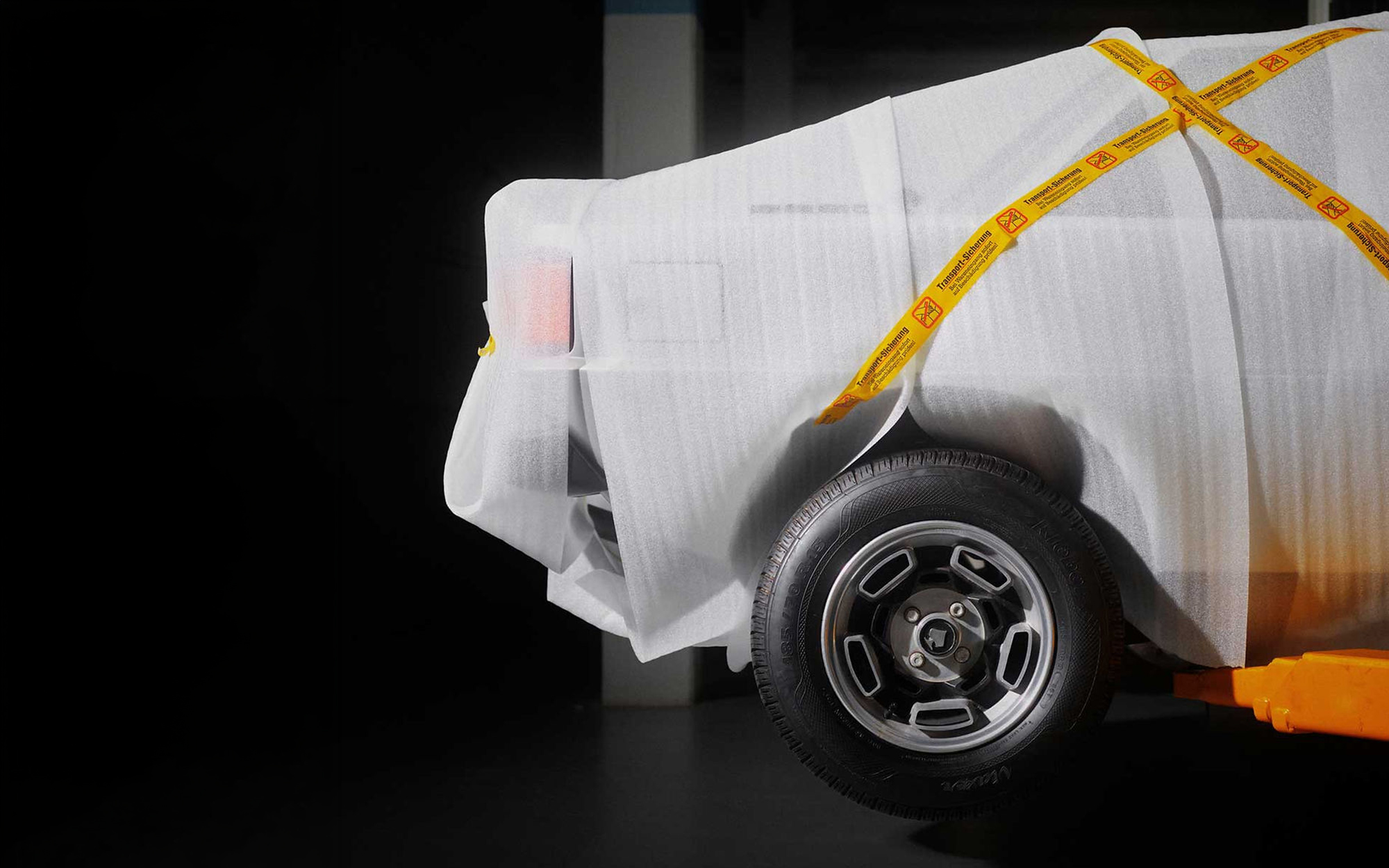


Automotive history is often told through production cars, championship winners and corporate milestones. This summer in northern Germany, Automuseum Melle is instead focusing on the roads not taken. Its special exhibition, Out of the Dark, brings together a selection of historic vehicles from the Volkswagen Osnabrück automobile collection tied to Karmann, the legendary coachbuilder whose influence stretched across decades of European automotive design and specialty manufacturing.
According to the museum, many of the vehicles are being shown publicly outside Volkswagen factory grounds for the first time. The exhibition focuses on concepts, prototypes and low-volume studies that demonstrate Karmann’s role not merely as a manufacturer, but as an engineering and creative partner for brands including Volkswagen, Audi, Mercedes-Benz, BMW, Hanomag and others.
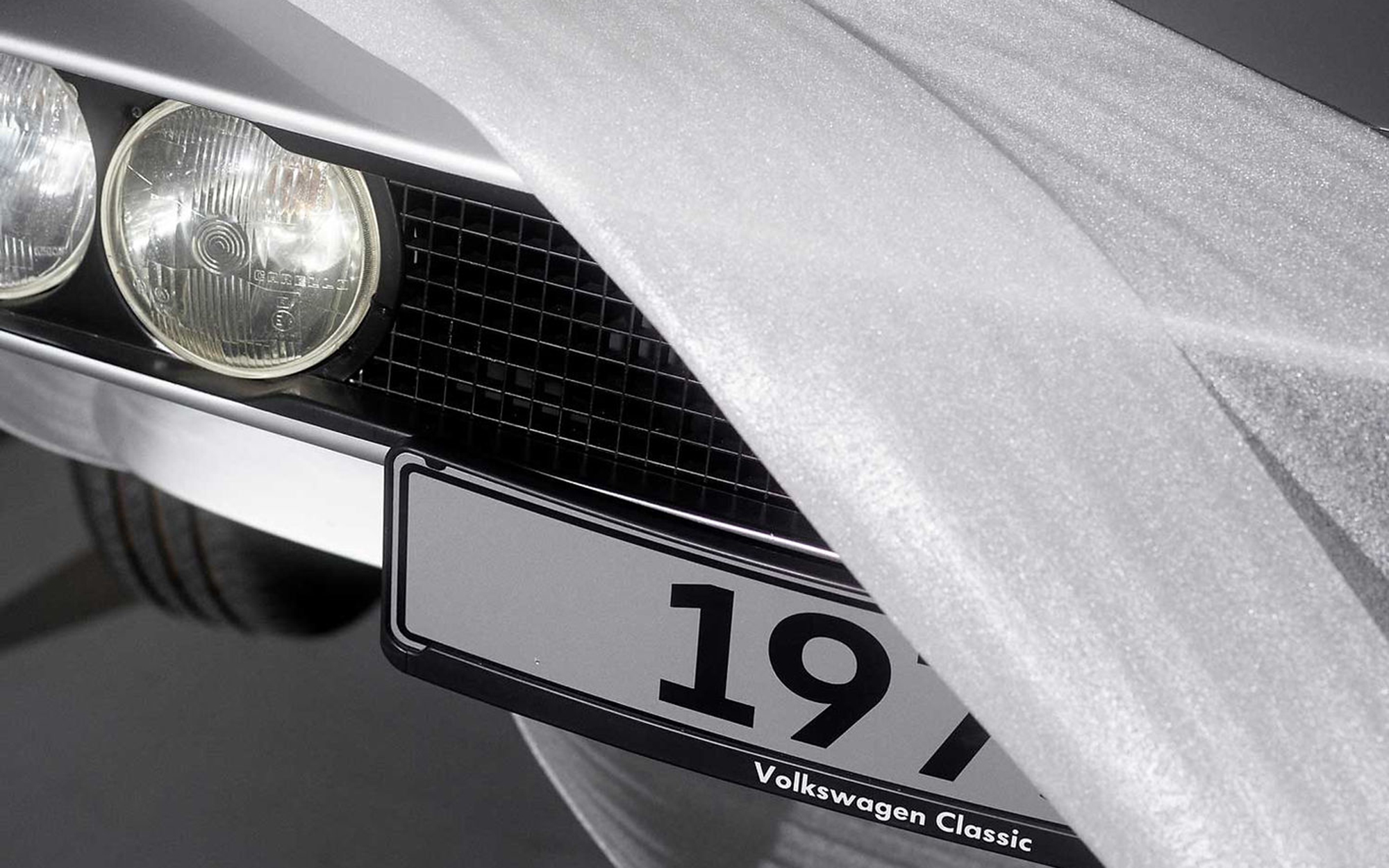
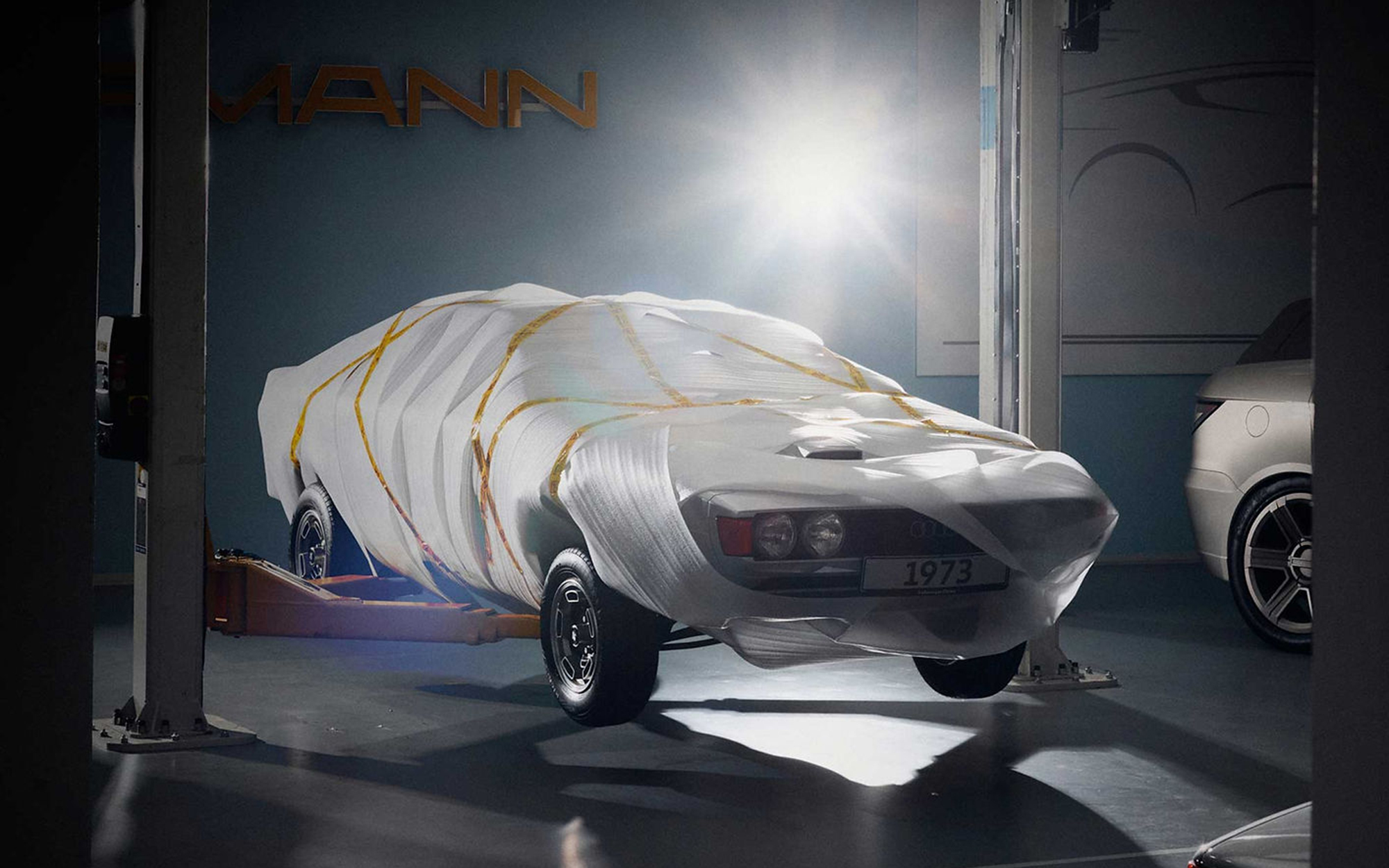
For Audi enthusiasts, one of the exhibition’s standout attractions is the 1973 Audi Asso di Picche by Italdesign. Penned by Giorgetto Giugiaro atop Audi 80 mechanicals, the sharply folded wedge-shaped coupe was commissioned by Karmann as a potential sporty Audi coupe proposal. Though it never entered production, the concept previewed design themes that would echo throughout Giugiaro’s work in the 1970s.
The museum also confirms a diverse lineup of additional vehicles and studies spanning more than seventy years of automotive experimentation.
Confirmed Exhibition Vehicles
1973 Audi Asso di Picche
The Italdesign-designed Audi concept created for Karmann using Audi 80 underpinnings. One of Giugiaro’s earliest wedge-era studies and among the most significant unrealized Audi concepts of the 1970s.
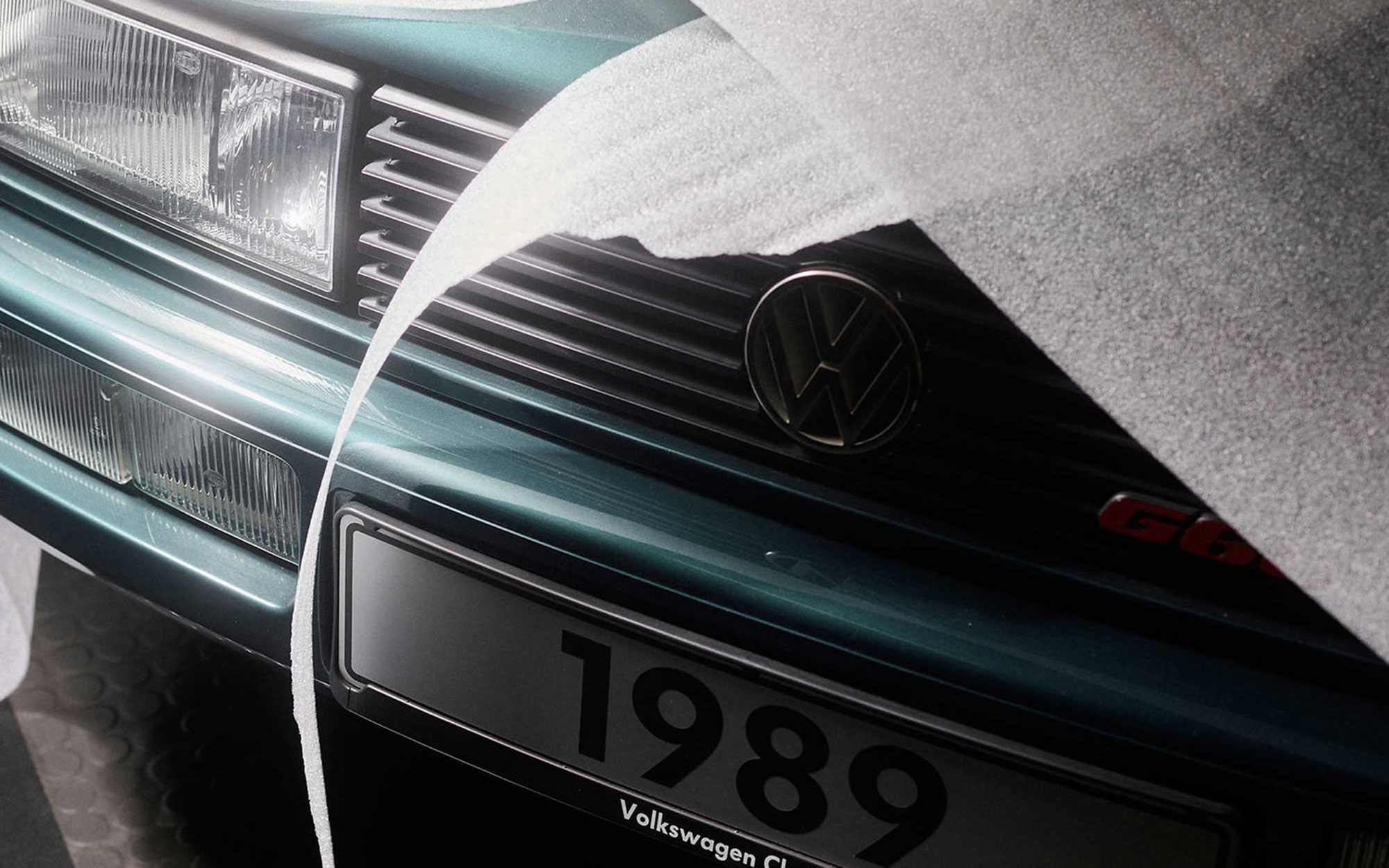
Volkswagen Corrado G60 Cabrio (1989)
A convertible interpretation of the Corrado developed following Karmann’s involvement in the sports coupe’s production and engineering. The original Corrado featured an automatically deploying rear spoiler that reduced lift at higher speeds.
Coupé Study VW Type 1 (1962)
A striking Beetle-based coupe concept developed with Luigi Segre featuring a panoramic rear window and the elimination of the traditional C-pillar.
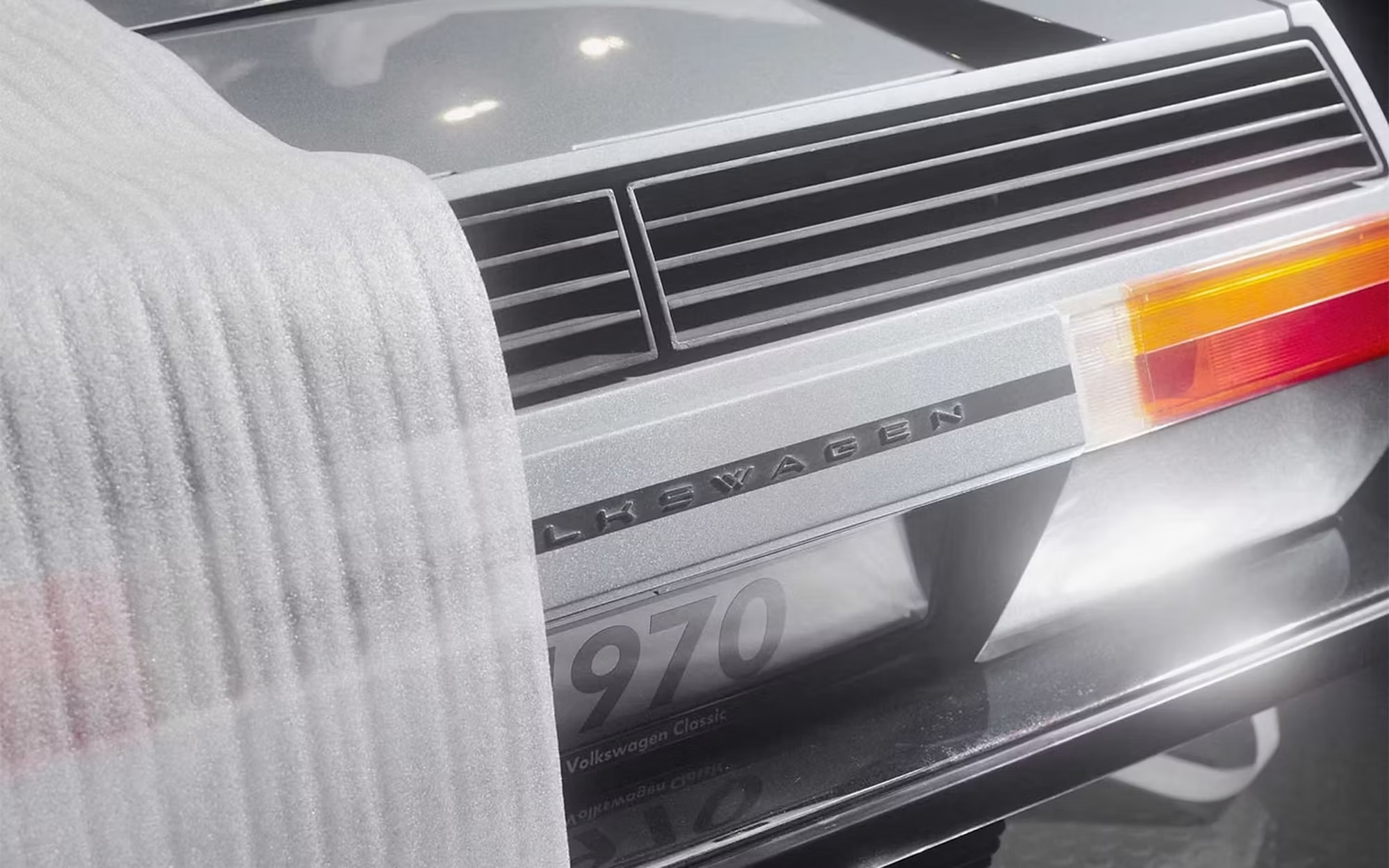
Karmann Cheetah (1970)
A Giorgetto Giugiaro-designed wedge-shaped roadster based on the Volkswagen Beetle. Features included folding headlights, integrated bumpers and a full-width removable roof panel. Originally shown at the 1971 Geneva Motor Show.
VW 411 Cabriolet by Karmann (1968)
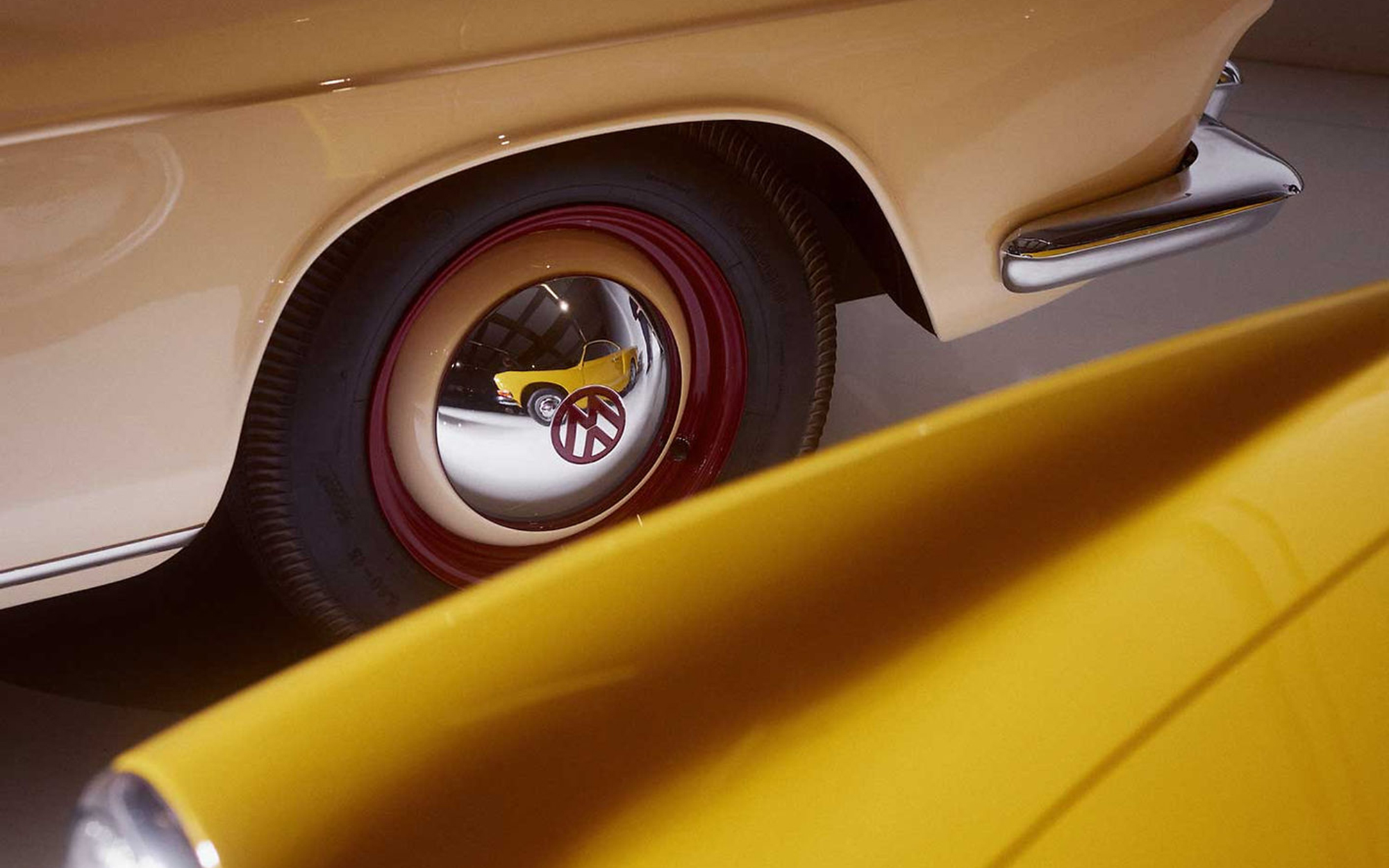
A four-seat convertible proposal based on the Volkswagen 411 featuring an electro-hydraulic folding roof and removable plastic rear window. Period-correct details included whitewall tires and bright red paintwork.
Mercedes 300 SL Gullwing Study by Karmann (1993)
A reinterpretation of the legendary Mercedes-Benz 300 SL Gullwing presented as a Karmann design study with modernized gullwing doors and revised bodywork intended to demonstrate the company’s coachbuilding expertise.
Type 1 Convertible Study by Karmann (1962)
A Beetle-based convertible concept styled at Ghia in Turin. Distinctive features included a very low windshield, removable lightweight roof and experimental rear body treatments.
Adler Diplomat Cabriolet (1936)
A luxury prewar convertible built by Karmann between 1936 and 1938. The museum describes it as comparable to prestigious contemporaries from Horch, Mercedes-Benz, BMW and Wanderer.
Hanomag Tractor (1949)
A commercial vehicle project demonstrating Karmann’s postwar engineering capabilities. Built on a Hanomag chassis, the diesel-powered tractor offered a 20-ton towing capacity.
Hanomag Partner (1951)
An unusual collaborative passenger car between Hanomag and Karmann featuring three front seats and folding rear seating. Only eleven examples were reportedly built.
VW Polo GTI Cabriolet by Karmann (2007)
A fully functional Polo GTI convertible prototype shown at the IAA featuring a red fabric roof, integrated glass sunroof and innovative Z-folding roof mechanism eliminating the need for a traditional tonneau cover.
SUC (Sport Utility Cabrio)
A BMW X5-based convertible SUV concept developed by Karmann featuring rear-hinged coach doors, no B-pillar and a folding fabric roof. Karmann reportedly projected significant market potential for the idea, though it never entered production.
The exhibition also offers insight into Karmann’s broader historical footprint. Located in Melle in Germany’s Lower Saxony region, Automuseum Melle sits not far from Osnabrück and the former Karmann factory complex now operated by Volkswagen Osnabrück following Volkswagen Group’s acquisition of Karmann assets in 2009. Many of the exhibition vehicles therefore belong to Volkswagen Osnabrück’s historic collection rather than individual manufacturer heritage departments such as Audi Tradition.
For travelers interested in automotive history, the exhibition also pairs naturally with a visit to nearby Wolfsburg and Autostadt, Volkswagen’s sprawling visitor complex featuring museums, brand pavilions and Audi’s own exhibition space. Together, Melle, Osnabrück and Wolfsburg create one of the more overlooked concentrations of Volkswagen Group history anywhere in Germany.
VISITOR INFORMATION
Exhibition: Karmann Konzepte – Out of the Dark
Location: Automuseum Melle, Lower Saxony, Germany
Dates: May through October 2026
Focus: Historic Karmann concepts, prototypes and specialty vehicles from the Volkswagen Osnabrück collection
Admission: Adults €12, Children €6, Families €30
Nearby Destinations: Osnabrück, Wolfsburg, Autostadt
Best For: Coachbuilt automotive history, hidden prototypes, Volkswagen Group enthusiasts and Giorgetto Giugiaro design fans
PHOTO GALLERY